REVIEW · SIGIRIYA LION ROCK
Wasgamuwa: Wasgamuwa National Park Private 3-Hour Safari
Book on GetYourGuide →Operated by Lakpura® · Bookable on GetYourGuide
Elephants may stroll close, then vanish. I love the private 4×4 ride and I love the odds of finding large elephant groups in Wasgamuwa’s dry tropical forest. This 3-hour safari also puts you in the right place for big land mammals and the kind of bird spotting that feels like a nature walk with good timing.
One thing to plan for: entrance tickets and meals (breakfast, lunch, dinner) are not included, so you’ll want to arrive ready and budget a bit extra.
In This Review
- Key things I found especially compelling
- Wasgamuwa’s 3-hour safari: what this timing buys you
- Private 4×4 jeep time: comfort, visibility, and control
- The “dry tropical forest + water pools” wildlife pattern
- Wildlife you should expect to watch for (and what to do with that)
- A smart approach to spotting
- What the safari ride looks like step by step
- Pairing it with Polonnaruwa and Dambulla without wasting time
- Price and value: is $27 worth it?
- Guides, driver style, and how to get more from the ride
- Your best “prep” before you get in the jeep
- Who this safari fits best (and who should skip it)
- Should you book Wasgamuwa National Park private 3-hour safari?
- FAQ
- Where does the safari start?
- How long is the Wasgamuwa safari?
- Is this safari private?
- What vehicle do you use?
- Is an English guide included?
- Are entrance tickets included in the price?
- Are meals included?
- What’s the best time of year for elephants?
- What should I bring, and what’s not allowed?
Key things I found especially compelling
- Private 3-hour safari in a 4×4 jeep keeps your wildlife time focused and flexible
- Elephant herds are best in Nov–May, when you’re more likely to see bigger groups
- Dry forest + water pools means land animals and aquatic life show up near the same spots
- A wide mammal list includes species like leopard and sloth bear (sightings vary, but the range is strong)
- Birdlife around pools is a steady theme, not a one-off
- Experienced driver approach matters, and guides like Sajith (as seen in past safaris) have a track record of multiple smart stops
Wasgamuwa’s 3-hour safari: what this timing buys you
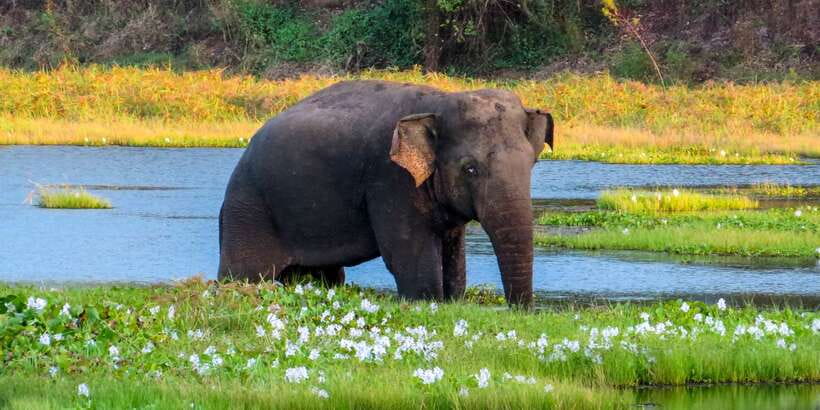
Wasgamuwa National Park sits close to the historic area around Polonnaruwa, and that matters because it lets you connect wildlife time with cultural time. In practice, the 3-hour format is long enough to leave the entrance area behind, yet short enough to keep the day from turning into a full write-off.
You’ll typically go out in either the morning or afternoon, which is ideal here because animals use the day in different ways. If you care most about elephant activity, you’re also working with the park’s seasonal rhythms—November through May is the ideal window for the largest herds.
This safari isn’t about rushing from one “spot” to another and checking boxes. The better value is that your driver can respond to what’s happening on the ground, using the park’s tracks and water sources to find animals as the light and animal movement shift.
You can also read our reviews of more private tours in Sigiriya Lion Rock
Private 4×4 jeep time: comfort, visibility, and control
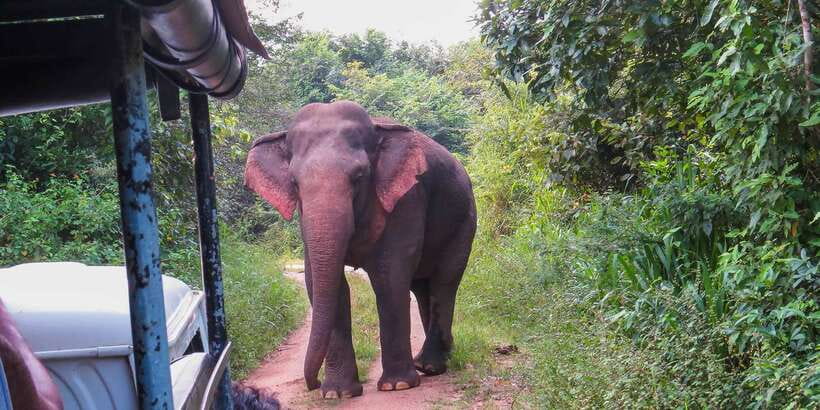
A private safari is more than marketing words. With a private group, you’re not stuck waiting for someone else’s pace, and you can move at the speed that wildlife actually allows.
A 4×4 jeep also helps in this kind of terrain. You’re looking for clear sightlines, and you’re trying to stay on workable routes that get you close to feeding and watering areas. That’s where an experienced driver earns their keep—choosing angles, repositioning when animals move, and making multiple stops when the park gives you chances.
The English live guide is included, and that’s a real plus for translating what you’re seeing into something meaningful (tracks, behavior, and what to watch for next). One practical note from real-world experience: some drivers may have limited English, even when the tour is listed as English, so don’t assume you’ll get a highly detailed lecture. Still, you’ll usually get clear communication around where to look and why that moment is worth your attention.
The “dry tropical forest + water pools” wildlife pattern
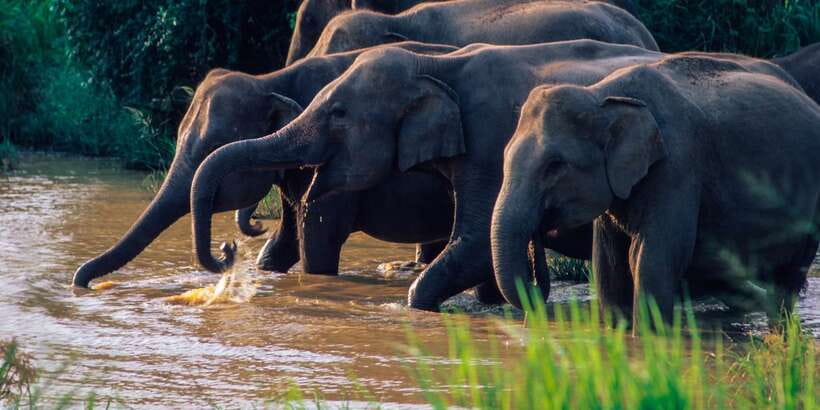
Wasgamuwa’s setting is a big part of why the safari works. You’re not only driving through forest edges; you’re also passing scattered small water pools that act like magnets for wildlife.
That pool network changes your odds. When animals are coming in to drink or feed near water, you’re more likely to see multiple species in a shorter window, rather than waiting for a rare long-distance encounter.
Around these pools, you might spot aquatic and semi-aquatic life like water monitor, crocodile, and python, plus plenty of aquatic birds. Even when the bigger animals aren’t right at the pool edge, birds often keep you entertained because they’re constantly scanning and moving between perches.
This is also where elephant sightings can feel especially memorable. Elephant herds tend to use watering routes, and the park’s landscape encourages those routes to concentrate activity in particular areas.
Wildlife you should expect to watch for (and what to do with that)
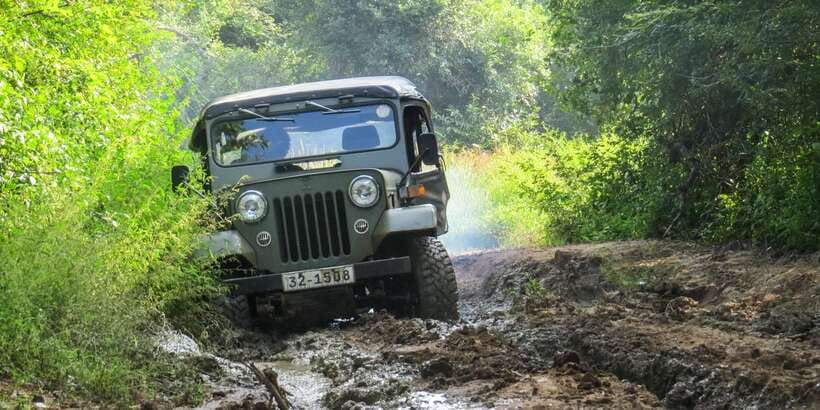
Let’s talk about the species list in a useful way. A listing can sound like a promise, but what it really gives you is a sense of where animals might be in the park’s food and water system.
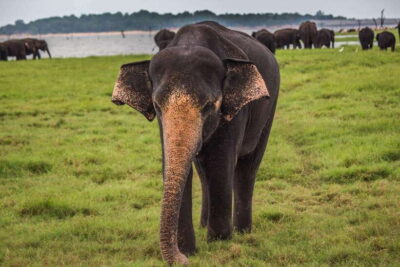
Elephants (including babies in herds) are the headline. Past experiences have included huge group sightings and very close moments, including mothers and babies feeding. During Nov–May, you have a stronger shot at larger herds, so if elephant watching is your top priority, plan around that season.
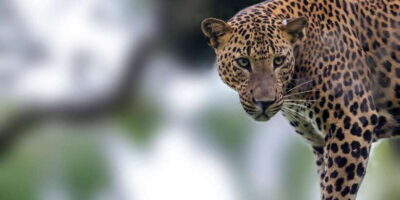
Other mammals that are part of the park’s reputation include leopard, sloth bear, purple-faced langur, wild boar, sambar, spotted deer, and buffalo. Even if you don’t see every species, the value is that the park supports enough variety that the safari doesn’t feel one-note.
Birdlife is a steady thread too. One endemic species mentioned is the yellow-fronted barbet, and you may also catch colorful birds and raptors. If you like wildlife photography, birds are often easier than large mammals because they move more often and you can get more chances to frame them as they perch and hop.
A smart approach to spotting
When you’re out there, don’t stare at just one spot for too long. Watch the area around a pool: animals enter from different angles and often pause before deciding where to feed. If your driver makes stops, treat it like information, not interruption—ask where the animals went and keep your scanning steady.
You can also read our reviews of more tours and experiences in Sigiriya Lion Rock

What the safari ride looks like step by step
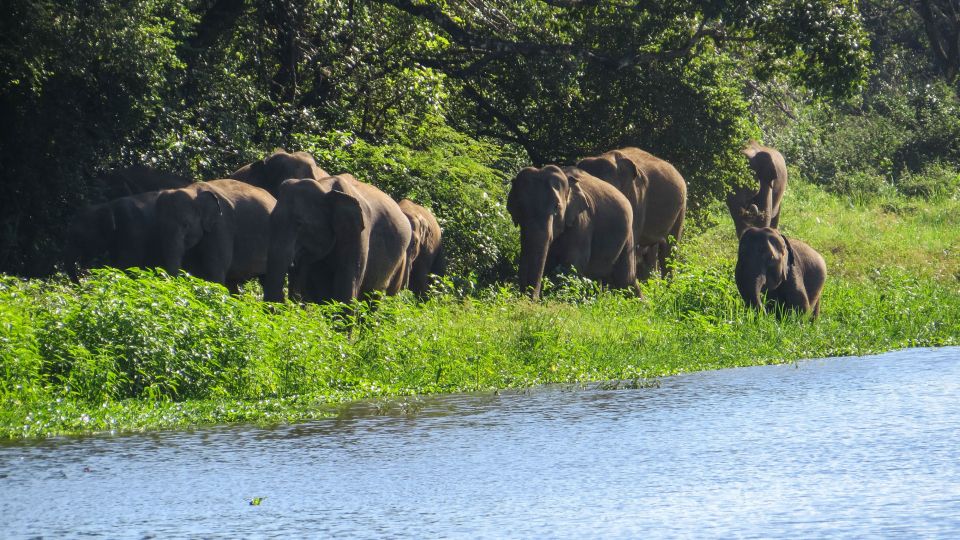
Your safari starts at the Wasgamuwa National Park entrance gate. From there, you’ll be driving into the park as the driver positions you for wildlife viewing. Since the tour time is fixed at 3 hours, the pacing tends to stay practical: enough driving to find active areas, plus time at likely sighting zones.
During the main safari block, the goal is simple: sightings of land mammals, birds, and aquatic life. This is where the dry forest setting does its job, because it supports animals that forage and travel through open patches and along water edges.
The return is straightforward. You’ll finish by going back to Wasgamuwa National Park, keeping the experience clean and easy to plug into the rest of your itinerary.
There’s no added stop for meals included. So the “feel” of the trip is focused on driving and watching rather than turning into a half-day outing with lunch breaks.
Pairing it with Polonnaruwa and Dambulla without wasting time
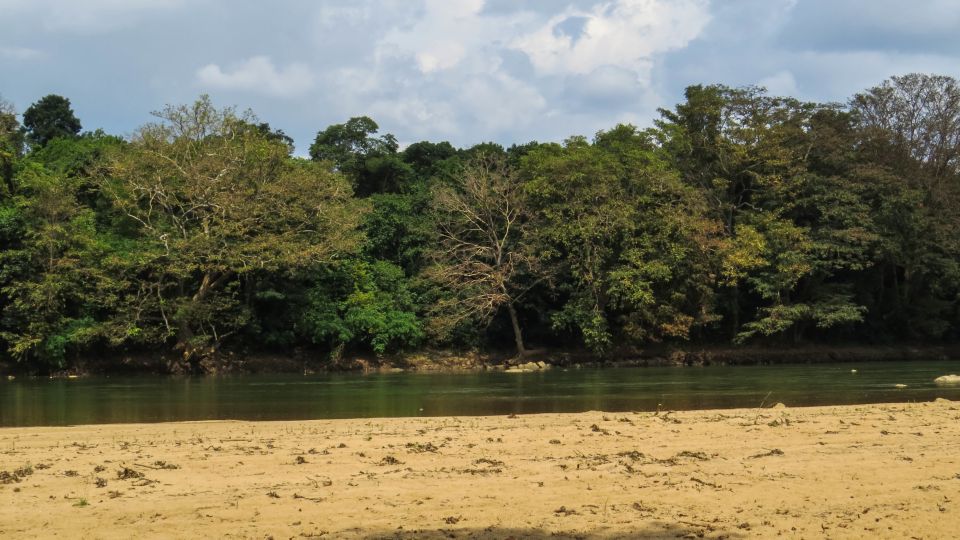
Wasgamuwa’s location is a key travel advantage. If you’re already planning to see the historic sites around Polonnaruwa (and possibly Dambulla too), a safari in this park can make your day feel more balanced: architecture in the morning or afternoon, wildlife in the other half.
The practical benefit is that you’re not bouncing across huge distances just for a wildlife moment. You’re using Wasgamuwa as the nature counterweight to cultural sightseeing.
For your own planning, think about energy. After a safari, you might still want time to rest before walking ruins or climbing viewpoints. The 3-hour duration is helpful here because it doesn’t usually drain the whole day.
Price and value: is $27 worth it?
At $27 per person for a private 3-hour safari, the price can be solid value—if you understand what’s included and what’s not.
What you get:
- A private safari ride in a 4×4 jeep
- An experienced driver
- All taxes and service charges
What’s not included:
- Entrance tickets
- Personal expenses
- Meals (no breakfast, lunch, or dinner)
So the real question is how much you care about private time versus saving money. If you’re happy to share a jeep and hope for the same timing, you might find cheaper options. But for many people, the ability to have a driver working just for your group—and to make multiple stops when good chances appear—is the difference between a generic ride and a memorable one.
Also, elephant watching can be one of those experiences where the “time spent” matters more than the “distance traveled.” If your driver is alert and makes thoughtful moves, you get more actual wildlife minutes. That’s where value often shows up.
Guides, driver style, and how to get more from the ride
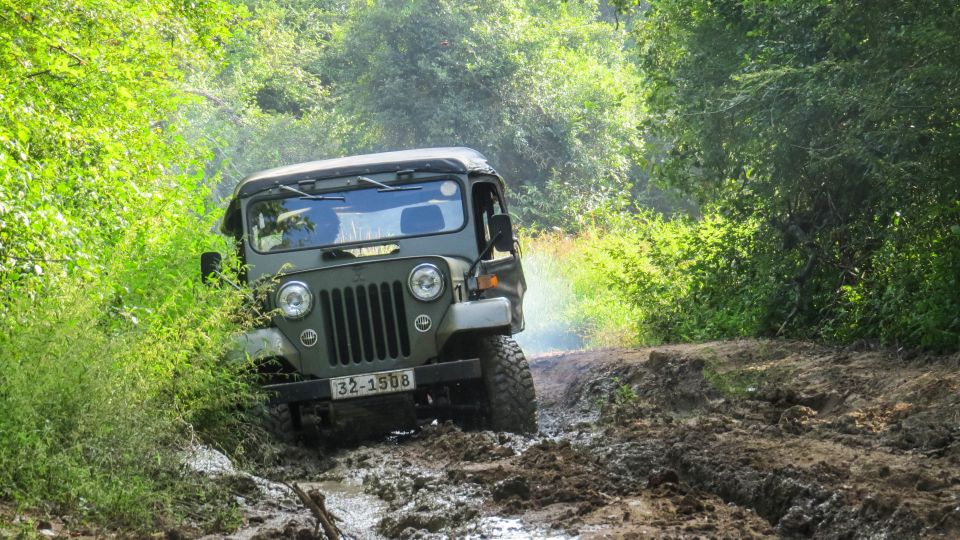
The difference between a good safari and a great one is often small choices: where to stop, when to reposition, and how long to wait.
Past safari experiences have credited drivers like Sajith for kindness and for making multiple stops to show different animals, including a huge elephant group. Others have highlighted detailed noticing—picking out colorful birds and then still finding elephants and buffalo along the same routes.
There’s also a realistic angle to keep in mind: guide English may vary. If communication is important to you, bring patience. You can still learn a lot from how the driver reacts when animals appear, and what they point out matters more than a long speech.
Your best “prep” before you get in the jeep
Bring comfortable shoes because you may need to move a bit near viewing points. Bring sunglasses and sunscreen, too—this is open-air wildlife time. If you’re sensitive to sun or heat, plan to wear light long sleeves.
Who this safari fits best (and who should skip it)
This tour fits best if you want:
- A focused 3-hour wildlife outing without the stress of a full day
- Private time in a 4×4 jeep
- A decent chance at elephants plus a wider list of mammals and birds
- A safari that can pair cleanly with Polonnaruwa and Dambulla plans
It may be less suitable if:
- You’re pregnant, because this activity is listed as not suitable for pregnant women
- You need a full meal plan built in, since no breakfast, lunch, or dinner is included
- You’re expecting guaranteed leopard or crocodile sightings; the park supports them, but wildlife doesn’t operate on schedules
If you’re traveling as a couple or family group that wants flexibility, private format is a big win.
Should you book Wasgamuwa National Park private 3-hour safari?
Book it if your goal is a practical, high-likelihood wildlife session that includes both mammal and bird watching, with the water pools acting like natural hubs. The private 4×4 ride plus an experienced driver is what makes the time count, and the Nov–May season gives you stronger odds for large elephant herds.
Skip or rethink if you have a tight budget and don’t want to add entrance tickets, or if you need meals handled for you. Also, if you’re sensitive to uneven park tracks, confirm what comfort level you expect from a 3-hour jeep ride.
If you’re already planning Polonnaruwa or Dambulla, this safari is one of the easiest ways to add nature without turning your itinerary into a chaos of logistics.
FAQ
Where does the safari start?
The safari meets at Wasgamuwa National Park Entrance Gate.
How long is the Wasgamuwa safari?
The safari lasts 3 hours.
Is this safari private?
Yes, it’s private group.
What vehicle do you use?
You ride in a private 4×4 jeep.
Is an English guide included?
Yes, there is a live tour guide in English.
Are entrance tickets included in the price?
No. Entrance Tickets are not included.
Are meals included?
No. No breakfast, lunch, or dinner is included.
What’s the best time of year for elephants?
The ideal time to visit is November to May, which guarantees the largest herds of elephants.
What should I bring, and what’s not allowed?
Bring comfortable shoes, sunglasses, and sunscreen. Pets are not allowed, and smoking and alcohol/drugs are not allowed.