REVIEW · ANURADHAPURA
Hands-On Cooking Class in Anuradhapura: Cook Like a Local
Book on GetYourGuide →Operated by GK Immersions · Bookable on GetYourGuide
Spice lessons start with a stone grinder. In Anuradhapura, GK Immersions turns a traditional Rajarata village kitchen into a clay-kitchen cooking workshop, with real tools like the miris gala. It’s the kind of class where the food comes with context, not just instructions.
I especially love how practical it feels. You don’t just watch a demonstration. You get guided through tasks like prepping ingredients and learning the flavor logic behind classic Sri Lankan dishes. The setting is rustic too: shaded, outdoorsy, and built for a slower rhythm.
One possible drawback: you will cook over a wood-fired setup, so expect smoke in the air and a hands-on, slightly physical experience (plus there’s a chili-forward sambal option). If you prefer spotless, air-conditioned cooking, this might feel too real.
In This Review
- Clay House Cooking in Anuradhapura’s Rajarata Village Style
- A 3-Hour Flow That Takes You From Coconut to Dinner
- The Miris Gala and Hiramanaya: Skills You’ll Remember
- Grind Spices the Miris Gala Way
- Scrape Coconut with the Hiramanaya
- Wood-Fired Stove Cooking and Clay Pots That Change the Taste
- The Traditional Sri Lankan Menu You’ll Cook and Eat
- Rice: The Base of Nearly Everything
- Curries and Sides: A Real Mix of Tastes
- Sweet Finish
- What Makes This Class a Strong Anuradhapura Activity
- Price and Value: Is $40 for 3 Hours Worth It?
- Practical Tips: Heat, Smoke, and Mosquitoes
- Who Should Book This Cooking Class (and Who Might Not)
- Should You Book GK Immersions Cooking Like a Local in Anuradhapura?
- FAQ
- How long is the hands-on cooking class in Anuradhapura?
- What does the cooking class cost?
- Where does the class meet?
- Is the class taught in English?
- Is the class private and wheelchair accessible?
- What tools and cooking methods are included?
- What dishes are included in the meal?
- Can I cancel for a refund or pay later?
Clay House Cooking in Anuradhapura’s Rajarata Village Style
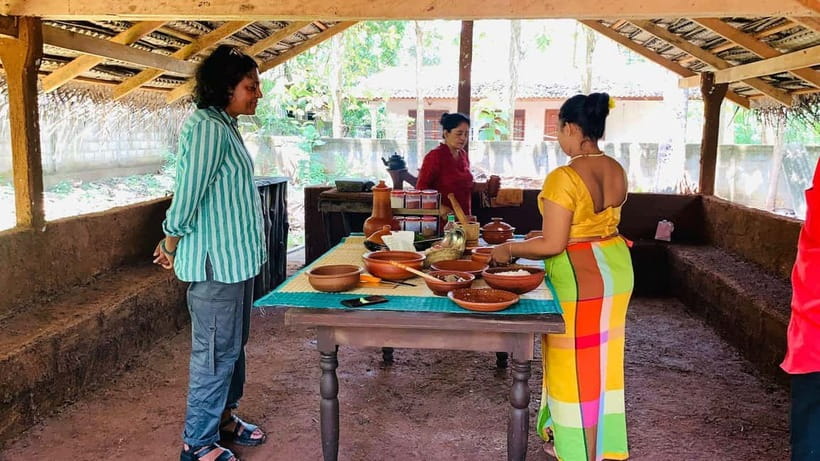
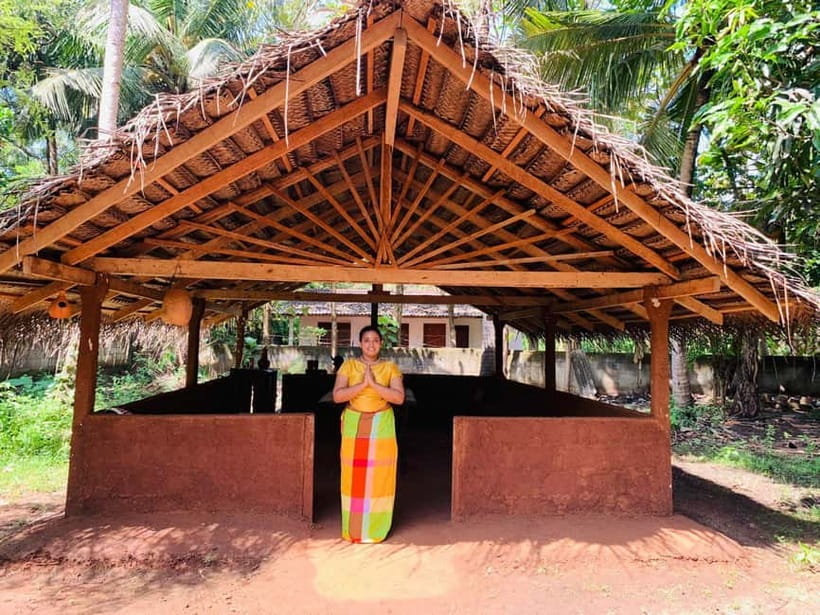
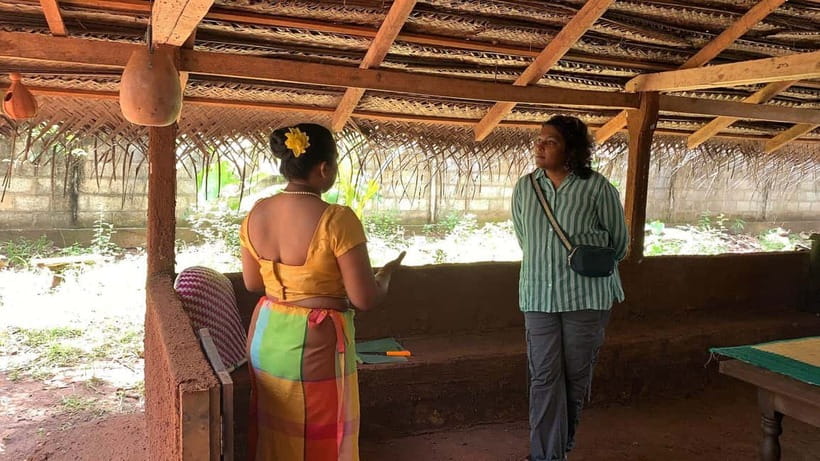
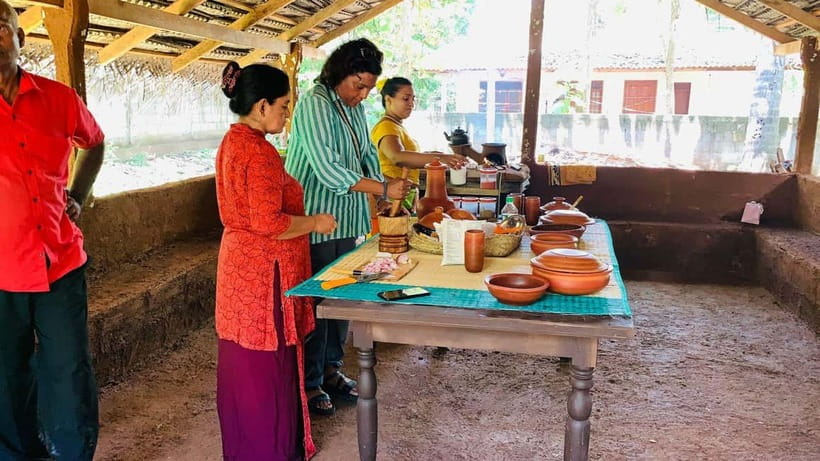
This class is anchored in a clay house kitchen, shaded by a traditional coconut-leaf shelter. That matters more than you might think. The whole experience is designed around village cooking habits: simple tools, natural fuel, and flavors built from what grows locally.
The theme is Rajarata cooking from Sri Lanka’s ancient kingdom region. You’ll learn why certain dishes feel tied together: rice as the base, curries built around spice and coconut, and sides that balance heat and acidity.
You also get that hands-on Sri Lankan household vibe, right where it happens rather than in a show kitchen. If you like “do it yourself” experiences that feel local, this is a strong match.
A 3-Hour Flow That Takes You From Coconut to Dinner
The full experience runs about 3 hours, with an English-speaking instructor and a private group setup. Being private can change everything: you can ask questions without waiting your turn, and you’re more likely to get time at each station.
Here’s the typical order you can expect, based on what’s included:
First, you start with a welcome local drink. Then you move into the working part of the kitchen where ingredients and tools are ready for you to use. The class is structured around key prep skills: picking coconut, grinding spice, scraping coconut, and cooking on a firewood stove.
Next comes the spice work. You’ll grind spices using the miris gala, the traditional stone grinder. After that, you learn a classic coconut skill using the hiramanaya (the coconut scraper). These aren’t “photo moments.” They’re the core technique-layers that shape Sri Lankan flavors.
Finally, you cook and eat the meal. The menu is traditional and built around what you can actually cook in a village kitchen: rice steamed to the right texture, curries simmered in clay pots, and sides mixed fresh.
You can also read our reviews of more tours and experiences in Anuradhapura.



The Miris Gala and Hiramanaya: Skills You’ll Remember
If you’ve ever wondered why certain kitchens always taste more intense than others, the answer often starts with how you process ingredients. This class does that for you, hands on.
Grind Spices the Miris Gala Way
You’ll grind your own spices on the miris gala. That stone grinder does two big things:
- It releases aroma gradually, so you can smell the difference as the spices break down.
- It helps create a more cohesive spice mixture than quick pre-ground shortcuts.
This is one of the highest-praise parts of the class. People love the way instructions guide you on what to use and when. If you’re the type who wants to understand flavor, not just cook food, this step scratches that itch.
Scrape Coconut with the Hiramanaya
Then you’ll use the hiramanaya to scrape coconut. It’s a satisfying skill, and it also makes sense in context: fresher coconut means a different aroma and texture in sambal and curry mixes.
Plus, it turns coconut from an ingredient into a process you actually control. That’s how you start thinking like a local cook rather than a consumer of finished dishes.
Wood-Fired Stove Cooking and Clay Pots That Change the Taste
Cooking over a wood-fired stove is part of the experience design. The smoky aroma isn’t just a vibe. It’s a flavor contributor, and it’s something you won’t get from electric hobs or modern stovetops.
You’ll cook on a firewood stove using clay pots, and you’ll also work with coconut-shell firewood. That combination matters because clay holds heat differently than metal cookware. It can help curries simmer gently and consistently.
You’ll also use fresh ingredients picked from the garden, which keeps the class rooted in “from this place” cooking rather than relying only on packaged items. Even if you don’t cook much at home afterward, you’ll leave with a clearer sense of which ingredients are the backbone of the meal.





The Traditional Sri Lankan Menu You’ll Cook and Eat
This class doesn’t stop at technique. You end with a proper meal that includes both savory dishes and a sweet finish.
Rice: The Base of Nearly Everything
You’ll prepare yellow rice/white rice, described as the heart of a Sri Lankan meal. In practice, this kind of rice isn’t a side. It’s the platform for curries and sambal, the thing that makes each bite feel complete.
Curries and Sides: A Real Mix of Tastes
The included savory dishes are:
- Ambarella curry: a tangy fruit cooked like a vegetable. Great if you like sour notes that cut through coconut.
- Banana blossom curry (banana blossom mallum): earthy and textured, with that “flower-as-food” Sri Lankan ingenuity.
- Lake fish curry: fish simmered with spices and creamy coconut milk. Expect a comforting, coconut-forward bowl.
- Kathurumurunga mallum: Sri Lankan greens mixed with coconut and spices. This one is a reminder that “greens” can be a star dish.
- Coconut sambal: freshly grated coconut, red chili, lime, and onion. It’s the spicy, citrusy kick that balances everything else.
- Pumpkin curry: creamy, comforting, and gently spiced, with a slightly sweet edge.
Sweet Finish
For dessert you get fresh curd & treacle plus ripe fruit. It’s a classic way to close out a meal: cool and creamy curd against sweeter treacle, then bright fruit to reset your palate.
The menu itself is a big reason the class gets high marks. It shows you the logic of a meal rather than just teaching one dish.
What Makes This Class a Strong Anuradhapura Activity
Anuradhapura is known for its ancient sites, but this cooking class gives you a different way to understand the region. It’s not just “things to do in Anuradhapura.” It’s a practical cultural experience that links everyday village food to the broader idea of Rajarata tradition.
Also, it fills a smart time slot. You’re not stuck with a half-day or all-day commitment. Three hours is enough time to learn core skills, cook multiple dishes, and eat without feeling rushed.
Since it’s in one clay-house kitchen, you avoid the stress of constant moving around. That’s a real perk when your day already includes planning time for temples and other sightseeing.
Price and Value: Is $40 for 3 Hours Worth It?
At $40 per person for about 3 hours, you’re paying for more than someone’s time. This is instruction plus:
- Hands-on use of traditional cooking tools (miris gala and hiramanaya)
- Cooking over a wood-fired stove with clay pots
- Coconut picking from the tree
- A full included meal: multiple savory dishes plus sweet finish
- A welcome local drink
- Garden-fresh ingredients used for cooking
When a class includes both the skills and the meal, the value math usually works better than shorter “watch and taste” experiences. You also get a private group setup, which can feel like you’re buying attention and time rather than just participating in a crowd.
One more practical point: if you’re going to eat this anyway during your trip, the class effectively turns dinner into instruction. You’re leaving with a mental map of how each dish is built.
Practical Tips: Heat, Smoke, and Mosquitoes
This is a village-style cooking class, so a few real-world notes help you feel comfortable:
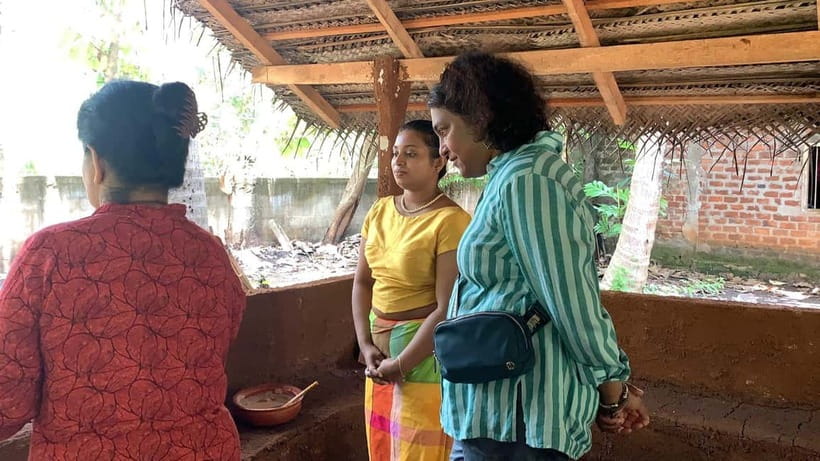
- Bring mosquito repellent. One participant called it out as useful, which makes sense for a shaded outdoor setting.
- Plan for spice. Coconut sambal is described as spicy and includes red chili and lime, so don’t assume everything is mild.
- Expect wood-fire smoke. You’re cooking on a firewood stove, and the experience is part of what you came for.
- Wear clothes you don’t mind getting close to cooking smells. Curry and coconut aromas stick. It’s part of the souvenir, whether you like it or not.
If you come prepared, you’ll enjoy the class more because you can focus on the hands-on tasks.
Who Should Book This Cooking Class (and Who Might Not)
This works really well if you:
- Want a hands-on traditional cooking class in Anuradhapura, not a lecture
- Like learning specific skills you can repeat later (grinding spices, scraping coconut, cooking with real tools)
- Want a cultural experience tied to local food, not just another guided walk
It might be less ideal if you:
- Have a strong low-tolerance for smoke or heat from wood-fired cooking
- Prefer very formal dining with minimal mess and minimal effort
- Expect only a single dish focus, since the class covers a full menu
Private group is also a plus. If you’re traveling with family or friends, you’ll likely get more attention at the tools and during questions.
Should You Book GK Immersions Cooking Like a Local in Anuradhapura?
I’d book it if your trip includes ancient sites and you want one day where the culture hits your hands and stomach, not just your photos. The mix of stone grinding, coconut scraping, wood-fired cooking, and a full meal is exactly the kind of experience that makes your whole destination feel more human.
It’s also a good value bet for the time. Three hours isn’t long, but it’s long enough to learn several techniques and still sit down to eat everything you made.
If you’re sensitive to smoke or you hate spice, just plan for that. Bring repellent, come ready to get a little dusty, and treat it like a village cooking lesson, not a restaurant meal.
FAQ
How long is the hands-on cooking class in Anuradhapura?
The class lasts 3 hours.
What does the cooking class cost?
It costs $40 per person.
Where does the class meet?
Meet at the clay house kitchen shaded with a traditional coconut leaf shelter.
Is the class taught in English?
Yes, the instructor speaks English.
Is the class private and wheelchair accessible?
Yes. It’s a private group, and it’s wheelchair accessible.
What tools and cooking methods are included?
You grind spices on a miris gala (stone grinder), scrape coconut with a hiramanaya, and cook on a traditional wood-fired stove.
What dishes are included in the meal?
The meal includes rice (yellow/white), lake fish curry, ambarella curry, kathurumurunga mallum, coconut sambal, pumpkin curry, banana blossom mallum, and a sweet finish of fresh curd & treacle plus ripe fruit.
Can I cancel for a refund or pay later?
You can cancel up to 24 hours in advance for a full refund, and there’s also a reserve now and pay later option.