REVIEW · SRI LANKA
Kalametiya Sanctuary: Bird Watching by Private Boat Tour
Book on GetYourGuide →Operated by Api machan tours · Bookable on GetYourGuide
Quiet water. Serious birds.
This private boat tour through Kalametiya Bird Sanctuary is one of those Sri Lanka nature outings where the setting does half the work. You glide through calm lagoon channels instead of trudging on a trail, so birds keep doing bird things while you watch up close.
I really like two parts of this experience: first, the chance to spot 150+ species (including rare and endemic birds), and second, the low-pressure viewing style. The boats are run quietly, so the birds don’t feel chased, and the guide keeps your eyes on what matters.
One drawback to consider: this is a short, concentrated outing. Since it’s only about 2 hours, sightings can feel very dependent on timing and the day’s bird activity, so don’t build your whole expectations around one specific bird.
In This Review
- Quick hits to know before you go
- Kalametiya Bird Sanctuary by private boat: what the setting gives you
- The bird species you’ll actually be hunting
- How the 2-hour ride works on the water (and why it matters)
- Quiet boatcraft and better viewing: motor-free is the advantage
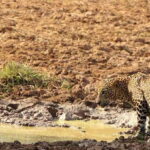
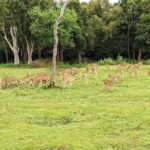
- What you might see beyond birds
- Snacks, binoculars, and small comforts that make a difference
- English guidance and how questions work
- Pickup options: when starting times can shape the sightings
- Price and value: is $25 per person fair for this kind of tour?
- Who this Kalametiya boat birdwatching tour fits best
- A few practical tips to make your birdwatching smoother
- Should you book Kalametiya Sanctuary by private boat?
- FAQ
- Where is Kalametiya Sanctuary birdwatching and what’s the starting area?
- How long is the private boat tour?
- What’s included in the price?
- Are you guaranteed to see many birds and how many species can you expect?
- Is the tour private and in English?
- What about cancellation and the ability to reserve?
Quick hits to know before you go
- Motor-free style for calmer birds: Quiet boat operation helps keep wildlife relaxed while you scan.
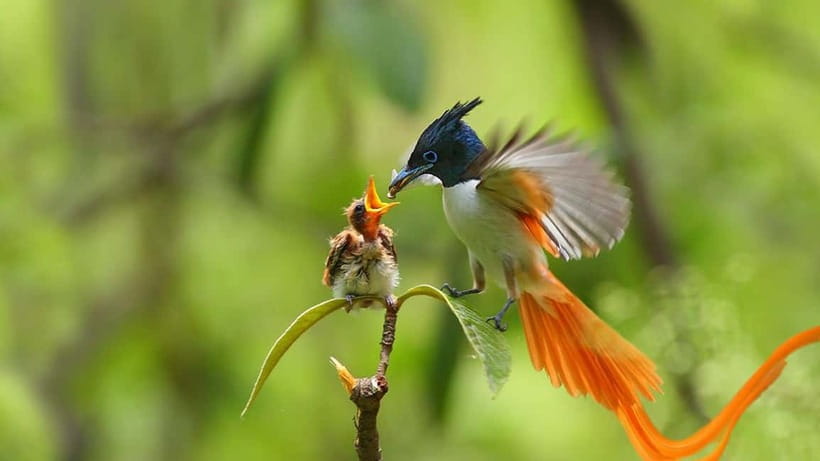
- 150+ species target: You’re there for real bird variety, not just a couple of highlights.
- Rare and endemic possibilities: Look out for Sri Lankan junglefowl, painted storks, herons, and kingfishers.
- Lagoons + mangroves + wetlands: The habitat mix means different species show up in different spots.
- English guide who points out the details: You can ask questions and get clear explanations, including how to tell similar birds apart.
- Small, human touches: Some guides add extra care, like binocular sharing and homemade snacks.
Kalametiya Bird Sanctuary by private boat: what the setting gives you
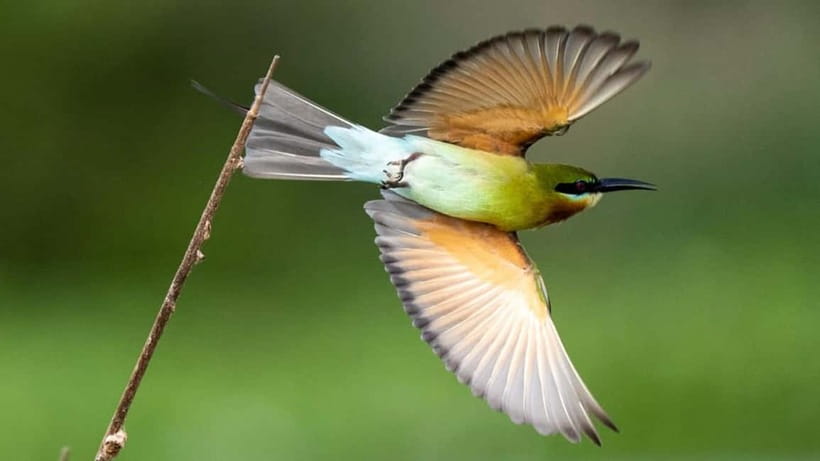
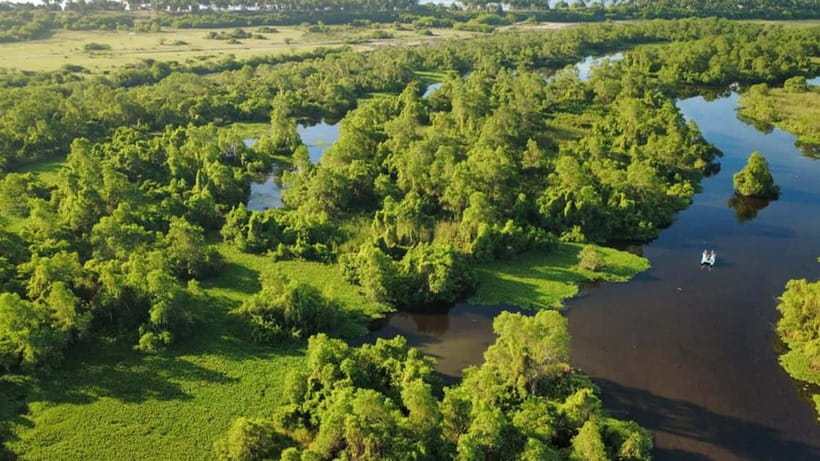
Kalametiya is on Sri Lanka’s southern coast, and the whole point is the water world: lagoons, mangrove edges, and coastal wetlands packed with birdlife. Instead of spending your energy walking, you spend it looking—moving slowly through bird territories at a pace that doesn’t spook everything.
That calm matters. Birds react to disturbance fast. When the boat ride is quiet and controlled, you’re more likely to see birds feeding, standing, and calling rather than just reacting and disappearing. One review even specifically noted a motor-free approach, which is exactly what you want for birdwatching.
The “private” part isn’t just marketing either. A private-group boat format generally means you’re not stuck behind strangers or forced into a pace that doesn’t match your attention span. If you’re the kind of traveler who pauses three times to verify a bird shape, this format fits.
You can also read our reviews of more boat tours in Sri Lanka
The bird species you’ll actually be hunting
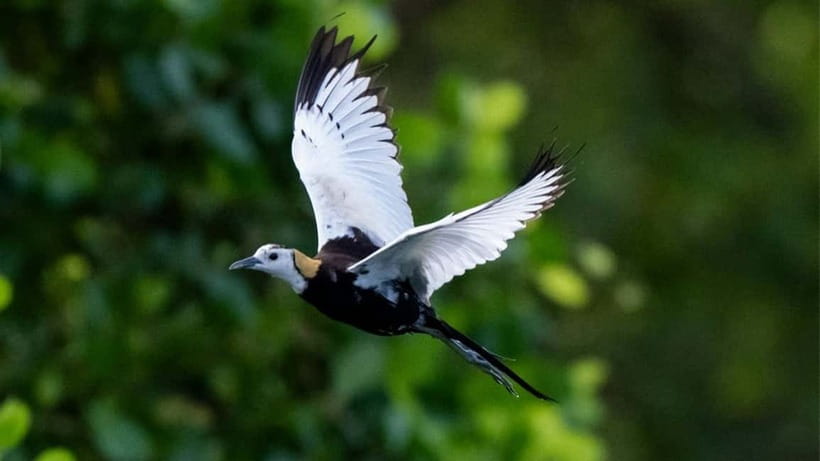
This tour is built around the expectation of serious variety. The sanctuary is described as one of the island’s older and richer bird areas, and the guide’s job is to help you find birds in a logical way—by habitat edges, feeding zones, and where activity is concentrated at that moment.
You can reasonably aim for birds like:
- Sri Lankan junglefowl (endemic to the island)
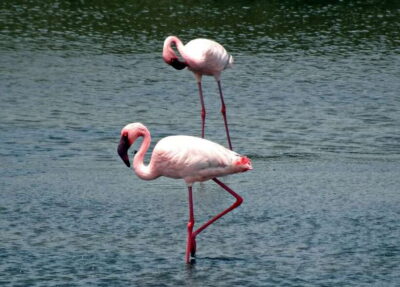
- Painted storks
- Herons
- Kingfishers
- Migratory birds, which change the mix through the season
The most useful thing about having a guide is not only the ID help, but the comparison. Some guides bring tools like binoculars and a simple guidebook approach to explain differences between similar-looking species. That’s a big deal when you’re trying to tell two birds apart that look almost the same at lagoon distance.
Even if you don’t get every target bird, the value is in the process: you learn how to scan, where birds tend to be, and how to read behavior (what they’re doing) to confirm what you’re seeing.
How the 2-hour ride works on the water (and why it matters)
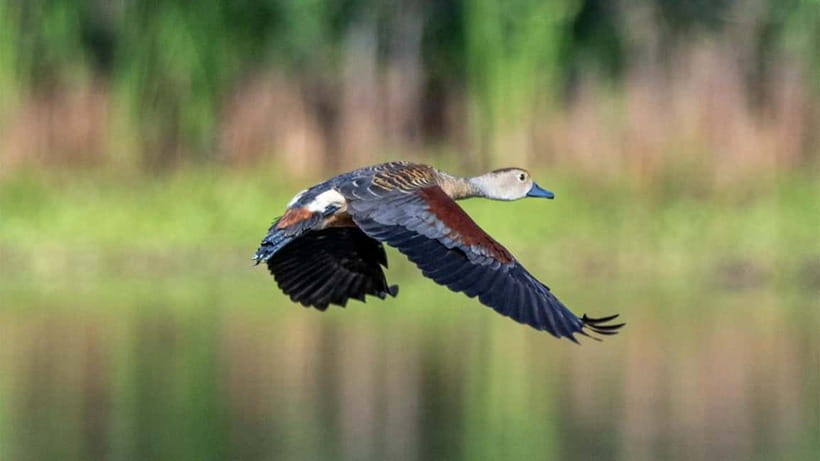
Think of the tour as a slow circuit through wetland “rooms.” You’re not jumping between faraway checkpoints. Instead, you glide through connected lagoon areas where different bird groups gather.
Most tours are designed to fit into about 2 hours, which is long enough to build momentum with your bird-spotting but short enough to stay flexible. One group noted a run closer to 3 hours, which suggests the captain and guide may extend the time if the bird action is strong. I’d treat 2 hours as the baseline and be ready for a little extra if the day is delivering.
During the ride, your guide will typically:
- point out birds as they appear,
- steer your attention to patterns (perches, feeding edges, waterline zones),
- and keep the boat moving quietly so you can keep your view.
You’ll also get a rhythm shift: at the start it’s about getting your bearings—where birds are likely to show—and then it becomes more about confirmation. The best moments are when the guide doesn’t just say the species name but shows how to verify it.
Quiet boatcraft and better viewing: motor-free is the advantage
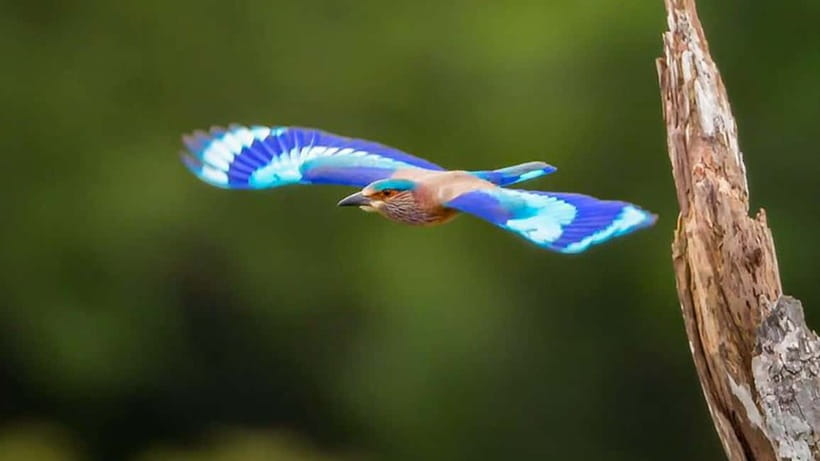
A boat tour can go two ways: fast and noisy (bad for wildlife) or careful and slow (great for birds). This experience leans toward the careful side. The setup described in participant accounts includes non-motor approaches, sometimes even canoe-like handling, with boatmen moving in ways that don’t blast the habitat with noise.
For you, that translates into:
- birds staying put long enough for a full look,
- less “blink and miss” spotting,
- better odds for photos because you can frame before the bird reacts.
It also makes the whole outing feel relaxing. Birdwatching is easier when you’re not stressed about losing your subject every five seconds.
What you might see beyond birds
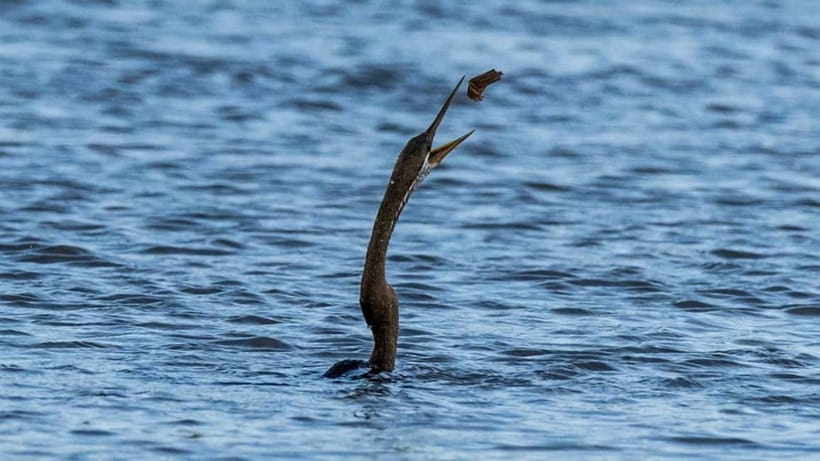
Kalametiya’s wetlands are not a one-species show. Even when your focus is birds, the ecosystem adds variety—different water edges, mangrove structures, and wildlife movement you notice as you scan.
Guides are positioned to read the habitat. When they call your attention to a spot, it’s usually because they can see activity you’d miss: perching behavior, feeding at the shoreline, or sudden movement in a channel.
This is one reason the tour is ideal for photographers and nature lovers who don’t want the day to revolve around one “big animal.” Here, the interest comes from lots of small moments stacking up.
Snacks, binoculars, and small comforts that make a difference
Bird tours can feel demanding if you’re hungry or if you’re stuck using one tired eye squinting at distance. This one includes refreshments during the trip, and some groups reported traditional sweets and bananas as part of that treat.
A nice detail: a few guides bring practical help for viewing. One account mentioned binoculars being provided, plus a book to show differences between birds. Even if you’re an experienced birder, those tools can speed up your learning and reduce frustration when two species look close.
And yes—some guides add personal warmth. One group described homemade cakes provided by a guide’s mother. Whether you get that specific treat or something similar, the general vibe seems to be: kind, attentive guidance, not a rushed checklist.
English guidance and how questions work
This tour is offered with an English live guide. That matters because birdwatching is all about details: size, shape, beak style, color patterns, and behavior. When you can ask, you stop guessing and start confirming.
From the guide style described, the best outcome isn’t just “seeing lots of birds.” It’s understanding what you’re seeing. One guide described as enthusiastic and very knowledgeable was also quick at finding birds and explaining differences between similar species. That’s the kind of coaching that helps you enjoy the moment and still leave smarter than you arrived.
If you’re new to birdwatching, this is also a good place to start. The guide can help you build a mental map of what to look for, so you’re not overwhelmed by names that mean nothing.
Pickup options: when starting times can shape the sightings
Kalametiya tours can work well in either light—morning or evening. The experience description specifically mentions morning departures for birds waking up and evening excursions as the sky shifts. That’s not just a mood pitch. Birds change their activity throughout the day, and your guide is there to take advantage of it.
Pickup is described as optional from Udawalawe National Park Entrance or hotels near Udawalawe. In practice, early pickups can happen, including departures around 5:30 in one reported case. If you’re choosing between morning and sunset options, consider how comfortable you are with an early start.
For birdwatching, earlier often means more calm and more active calling and feeding. For relaxed scenery and softer light, evening can be lovely too. Either way, you’ll want to dress for cool-to-mild morning air depending on the season.
Price and value: is $25 per person fair for this kind of tour?
At $25 per person for a 2-hour private boat tour, the value depends on what you count as included.
Here’s what’s covered:
- private boat through Kalametiya Sanctuary
- an experienced local guide/boatman
- all entrance fees
That matters because in Sri Lanka, birding can turn expensive when you add guide fees, transport, and entry costs separately. Here, those core costs are bundled. You’re mostly paying for time on the water plus skilled interpretation, which is exactly what you need for birdwatching.
Two things influence how “worth it” you’ll feel:
1) Your interest level in bird identification and learning, not only seeing birds.
2) The quality of the day’s sightings. If the lagoon is active, this tour can feel like a bargain. If it’s slower, you’ll still come away with a peaceful nature experience, but the bird count might feel less dramatic.
Either way, the format is set up for close viewing, and the boat time is the main product.
Who this Kalametiya boat birdwatching tour fits best
You’ll probably love this tour if you:
- want wildlife viewing in a calm setting (not a loud safari scramble),
- enjoy learning bird details from a guide,
- prefer an experience with a relaxed pace,
- and are happy spending a couple hours focused on scanning and patience.
It’s also a strong choice for couples and small groups who want a private-feeling outing without committing to a full-day excursion.
If you’re traveling with someone who gets bored watching birds for long stretches, pick a time where activity is likely higher (morning tends to help). Otherwise, bring something to make the wait fun: a journal for species names, a bird ID app, or just a willingness to slow down.
A few practical tips to make your birdwatching smoother
These are the little choices that pay off fast:
- Bring good binoculars if you own them. Some guides provide them, but not every situation is guaranteed.
- Plan for quiet attention. The tour works best when you keep noise low and let the guide do the spotting.
- Wear light layers. Morning can feel cooler than you expect, and you’ll be sitting while you watch.
- Have patience with identification. Even when you see a bird clearly, confirming it takes a moment—and the guide is there to help.
And if the guide offers tips on telling similar birds apart, take them. That’s where your learning sticks.
Should you book Kalametiya Sanctuary by private boat?
I think you should book if your idea of a great day is calm nature, close birdwatching, and learning from someone who knows the birds and the wetlands. The combination of private boat access, an English-speaking guide, and included entry fees for the sanctuary is a solid value play for Sri Lanka wildlife time.
Skip or reconsider if you’re chasing one specific “must-see” species so hard that you’ll be disappointed if the day runs quieter than expected. Birding always has a bit of luck built in, and this experience is short enough that you’ll feel that luck more.
If you want an outing where the water stays quiet and your attention stays rewarded, Kalametiya is the kind of place that fits.
FAQ
Where is Kalametiya Sanctuary birdwatching and what’s the starting area?
The tour is based around Kotapola, Sri Lanka, with pickup options described from Udawalawe National Park Entrance or hotels near Udawalawe.
How long is the private boat tour?
The duration is listed as 2 hours.
What’s included in the price?
The tour includes the private boat through Kalametiya Sanctuary, an experienced local guide/boatman, and all entrance fees. Refreshments are included, but meals or snacks beyond that are not.
Are you guaranteed to see many birds and how many species can you expect?
The tour highlights the chance to spot over 150 species of birds, including rare and endemic species, plus migratory birds and other wildlife in the wetlands.
Is the tour private and in English?
Yes, it’s a private group experience with a live guide in English.
What about cancellation and the ability to reserve?
It offers free cancellation up to 24 hours in advance for a full refund, and you can reserve now and pay later.