REVIEW · NEGOMBO
From Negombo: City Tour & Fishing Village Tour by Tuk-Tuk
Book on GetYourGuide →Operated by Sign of Lanka (Pvt) Ltd · Bookable on GetYourGuide
Negombo’s street corners have stories you can see. This 4-hour tuk-tuk city tour turns the usual checklist into a smart route: coastal fishing life at Lellama, then Christian and Hindu sites, and ending at Angurukaramulla’s surreal dragon-mouth entrance. It’s a good way to get your bearings without rushing you through 12 stops.
I especially like two things here. First, the stop at Lellama seafood market gives you real texture: fishermen bringing in the day’s catch and a working coastal economy in motion. Second, the mix of colonial-era landmarks (Hamilton Canal and the Dutch Fort) alongside living temples makes Negombo feel less like a transit stop and more like a place with its own rhythm.
One consideration: the itinerary leans into religious and outdoor walking, so you’ll want sun protection and comfortable shoes. Also, some days (like Good Friday) can affect opening hours, and you may see fewer fish-market activities than usual.
In This Review
- Key highlights worth planning around
- A 4-hour tuk-tuk circuit through Negombo’s fish, faith, and forts
- Lellama seafood market: where Negombo feels most real
- St. Mary’s Church: Portuguese roots and a 19th–20th century rebuild
- Sri Singama Kali Amman Kovil: murals, sculptures, and lively Hindu devotion
- Hamilton Canal (14.5 km): a British-built route that still shapes movement
- Negombo Dutch Fort: Portuguese origins, Dutch pentagon rebuild
- Angurukaramulla Temple: dragon’s mouth and a mossy library ruin
- How the timing and tuk-tuk logistics work for you
- Price and value: why $40 can work here
- Who this tour suits best
- Practical tips before you go
- Should you book the Negombo City Tour & Fishing Village Tour by Tuk-Tuk?
- FAQ
- How long is the Negombo City Tour & Fishing Village Tour?
- What time does the tour start?
- Is the tour guide available in English?
- Where can I be picked up from?
- What does the price include?
- Are there any things not included in the price?
- What should I bring with me?
- Is there free cancellation?
Key highlights worth planning around
- Lellama seafood market: watch the catch come in and get a feel for daily coastal work
- St. Mary’s Church + Sri Singama Kali Amman Kovil: Christian and Hindu art side by side
- Hamilton Canal (14.5 km): a British-built waterway tied to trade between regions
- Negombo Dutch Fort: Portuguese origins, Dutch pentagonal rebuild in the 1640s
- Angurukaramulla Temple: dragon-mouth entrance and a mossy, 300-year-old library ruin
- Guide adjustments: on holidays, your guide may swap in other sights if a stop is closed
A 4-hour tuk-tuk circuit through Negombo’s fish, faith, and forts
This tour is built for people who want a full morning in Negombo without the fatigue. You’re picked up from your area in the morning and moved between key sights by tuk-tuk, so you’re not stuck hunting for rides or fighting traffic. The pacing is tight but not frantic—there are photo pauses and short breaks built into the route.
The big value is how the tour tells a story with geography. You start on the water side at Lellama, then you swing toward the older religious sites, and you finish with the Angurukaramulla Temple area. Along the way, colonial-era infrastructure shows up in practical places, like the canal and the fort.
And because it’s an English live guide experience in a private group, you get more than “here’s a building.” Your guide can point out what to notice—mural details, construction features, and how people actually use each site today. On one set of tours, the guide even earned praise for being punctual and for spotting good photo angles along the way.
You can also read our reviews of more city tours in Negombo

Lellama seafood market: where Negombo feels most real
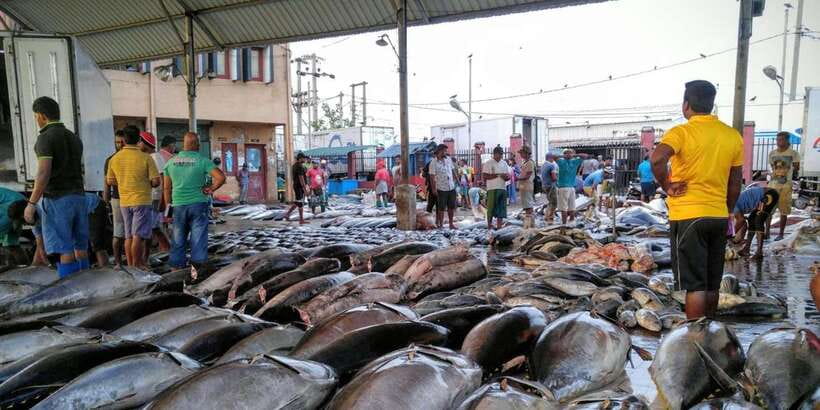
Your morning typically begins around 08:30 at the Lellama seafood market. This is one of the best places in Negombo to understand why the city works the way it does. You’ll see fishing activity tied to timing, supply, and local routines—so even if you don’t buy anything, you’ll still feel the energy.
What makes this stop worthwhile is that it’s not staged for tourists. You’re watching real work: fishermen bringing in the day’s catch and vendors handling seafood in a practical, fast-moving way. It’s also a strong photo stop if you bring a charged phone and you’re comfortable photographing people at work from a respectful distance.
A smart heads-up: if your day includes a public holiday, the fish market may operate differently or close. On one experience, a guide pre-framed this possibility and adjusted the plan to compensate. If this matters to you, ask your guide on the day how timing looks, so you know what you’ll realistically see.
St. Mary’s Church: Portuguese roots and a 19th–20th century rebuild
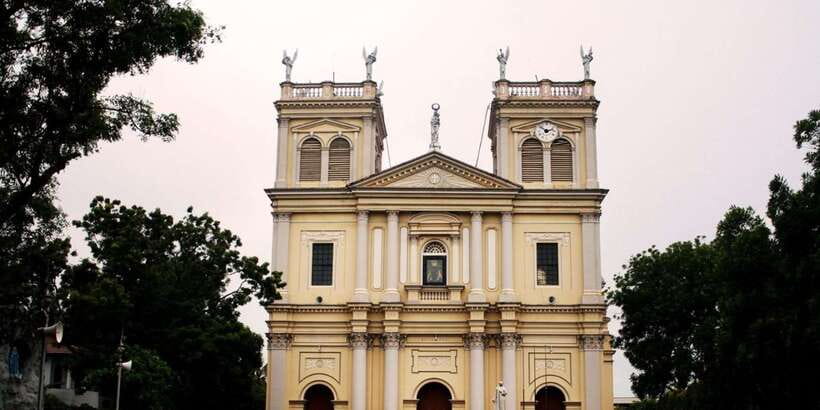
Next up is St. Mary’s Church, an important Christian landmark in Negombo. It reflects the city’s Portuguese colonial era beginnings, then the story continues in a later construction phase. The church’s work resumed in 1874 and was completed in 1922, which you can feel when you look at how the architecture carries layers of time.
Even if you’re not a hardcore church-architecture person, this is one of those stops where the details help you understand local history. Christian communities in Sri Lanka have deep roots in coastal towns like Negombo, and the church gives you a clear, readable anchor point for that.
Practical note: dress and behavior matter here. You’ll want modest clothing and a calm pace—this is a working place of worship, not a museum. If you’re unsure, follow what locals do when you arrive and you’ll be fine.
Sri Singama Kali Amman Kovil: murals, sculptures, and lively Hindu devotion
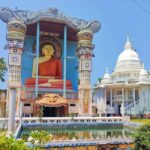
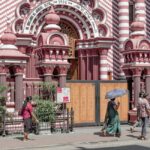
After the church, you head to Sri Singama Kali Amman Kovil, a Hindu temple known for its strong visual artwork. The standout is the decoration—murals and sculptures that make the site feel like a storybook built in stone and paint.
This isn’t just about looking. Temples like this help you see how faith is experienced visually, not only verbally or ritual-wise. The “read” is in the iconography and the way visitors move through the space. If you like art and symbolism, you’ll get more out of this stop by spending a few extra minutes watching where people pause.
Because it’s a temple, plan for modest dress and quiet respect. You’ll also likely do some short walking for photo angles, so comfortable footwear pays off.
Hamilton Canal (14.5 km): a British-built route that still shapes movement
Then comes Hamilton Canal, a 14.5 km waterway connecting Puttalam with Colombo. Built by the British in 1802, it historically mattered for transportation and trade. That’s the key idea to hold onto: canals aren’t just pretty engineering—they’re economic lifelines.
As a visitor, you’re not touring the whole length of the canal, but your guide helps you connect the dots. You see how a planned water route links regions, and you understand why Negombo became such a busy coastal node. If you like infrastructure and “how places function,” this stop clicks.
Drawback to consider: depending on where you stop for viewing, you may get more of a perspective photo opportunity than a long scenic walk. Still, it’s a valuable contrast to the market and temples—this is the city’s working geometry.
You can also read our reviews of more tours and experiences in Negombo

Negombo Dutch Fort: Portuguese origins, Dutch pentagon rebuild
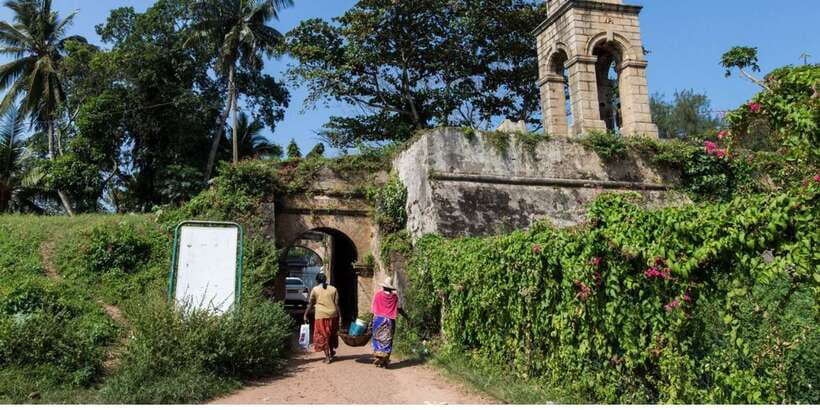
Next is the Negombo Dutch Fort, a compact but significant historical site. The story goes back to Portuguese construction, then the Dutch later rebuilt it into a pentagonal shape in the 1640s. That shape matters because it’s a defensive design choice, not decoration.
What I like about this stop is how visible the layers are. You’re standing in a place that reflects changing powers and the shifting control of trade routes. For a city that’s also modern and busy in everyday life, the fort offers a strong “time capsule” moment—without requiring you to study for a history exam.
When you visit, take a slow walk around the fort area for photo angles. There’s typically enough time for sightseeing and photos, but don’t expect a long, guided fortress walkthrough unless your guide chooses to go deeper.
Angurukaramulla Temple: dragon’s mouth and a mossy library ruin
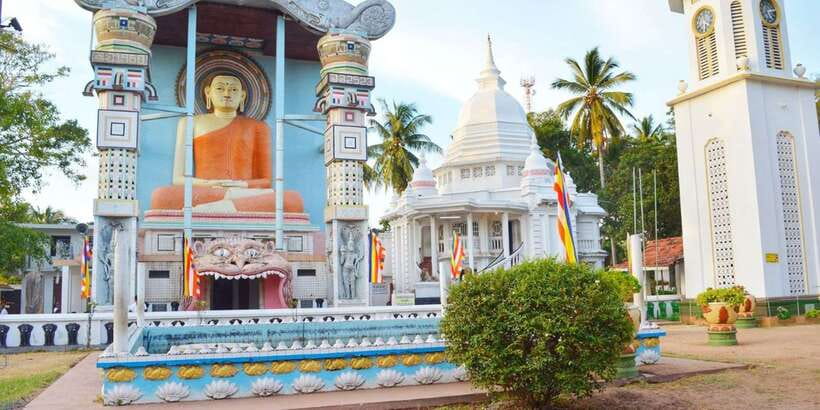
The tour often concludes at Angurukaramulla Temple, one of Negombo’s most renowned spots. The entrance is famous for a dragon’s mouth, which is traditionally believed to ward off evil spirits. It’s one of those visuals that’s hard to forget, and it tends to work well for photos—especially if you’re on good terms with the sun and don’t block people moving through.
Inside the temple area, there’s also a ruin often described as an ancient library—specifically noted here as a 300-year-old, moss-covered structure. This is a big part of why people remember Angurukaramulla: it adds a quiet, atmospheric counterpoint to the market’s energy and the fort’s hard angles.
Time-wise, you should plan for walking and a bit of standing around to see details. Bring your charged phone, and keep your respect level high—temples are living spaces.
How the timing and tuk-tuk logistics work for you

The day typically starts with hotel pickup around 08:00, then the tour runs about 4 hours. You’ll move between stops without handling your own transport, and you’ll usually have photo stops and short breaks built into the flow.
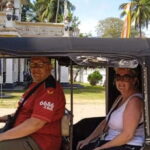
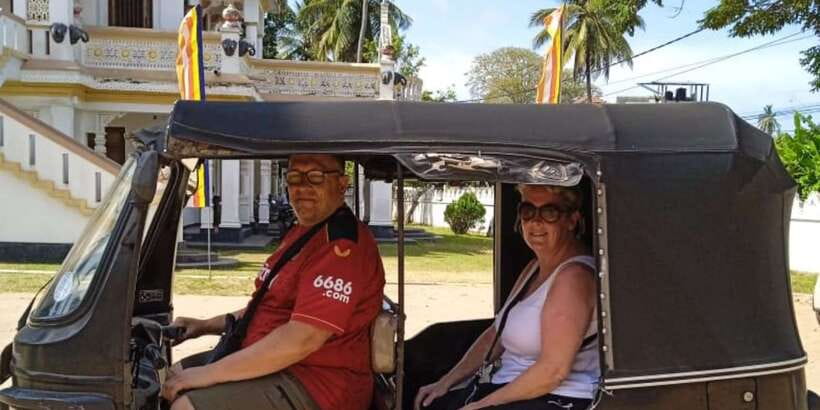
One practical detail that matters: your group may not stay in a single tuk-tuk vehicle the entire time. On one example, a group of eight toured in four tuk-tuks, which helped keep movement smoother. That’s not a guarantee, but it’s a good idea to expect that you may split by vehicle for convenience.
Also, because there are multiple pickup and drop-off points—like Waikkal, Kammala, Negombo, Wattala, and Katunayake—your schedule might shift slightly based on where you start. The good news: you’re given clear timing structure, so you’re not wandering.
Price and value: why $40 can work here
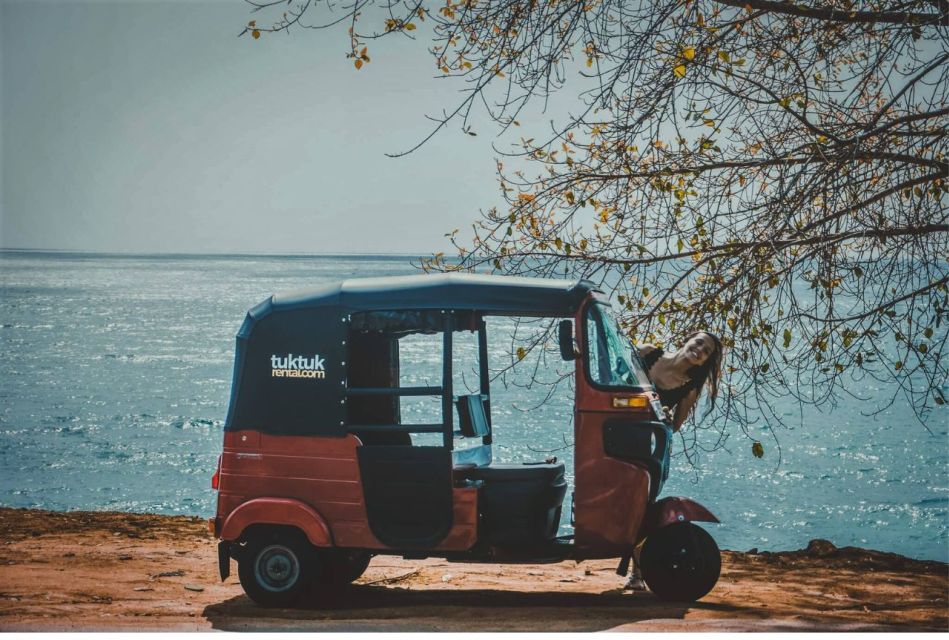
At $40 per person for a 4-hour program, the value comes from what’s bundled. You get tuk-tuk transport from your hotel and back, entrance fees for the included sights, plus fuel surcharge and driver charges. Even parking fees are covered.
On top of that, the tour includes complimentary refreshments and water, plus government taxes. That’s the part that often surprises people: by the time you add entry tickets and transport separately, the cost can climb fast.
So the question isn’t only whether $40 is cheap. It’s whether it saves you decision-making time. For a compact morning covering markets, churches, temples, and forts, this package is set up for convenience.
Who this tour suits best
This works well if you want:
- a short, well-structured morning plan in Negombo
- a mix of fishing culture, religion, and colonial-era sites
- an English-speaking guide who can explain what you’re seeing
- a format that feels local rather than like “drive-by sightseeing”
It’s also a good choice for first-timers who don’t want to coordinate multiple rides, especially if you’re staying in pickup areas like Negombo, Waikkal, Kammala, Wattala, or Katunayake.
If you’re the type who loves very long museum-style immersion, you may feel constrained by the 4-hour time limit. But if you want smart coverage with breathing room, this hits the sweet spot.
Practical tips before you go
A few things to make your morning easier:
- Bring a charged smartphone for photos and quick reference.
- Carry your passport or ID card (a copy is accepted).
- Dress respectfully for temples and churches, and wear shoes you can walk in comfortably.
- If you’re visiting around a religious holiday, keep expectations flexible at the market.
One more small thought: these stops are photo-friendly, but respect always comes first. If you’re unsure, wait a moment, watch the flow, and take photos where you’re least disruptive.
Should you book the Negombo City Tour & Fishing Village Tour by Tuk-Tuk?
I’d book it if you want a morning that feels grounded in Negombo’s real life—fish-market energy, faith in multiple forms, and colonial-era structure—without spending your day solving logistics. The strongest reasons are the combination of Lellama’s working seafood market and the closing wow-factor of Angurukaramulla Temple with the dragon-mouth entrance and the mossy library ruin.
Skip it only if you’re mainly looking for long, slow stays at each site, or if you hate walking outdoors. Also consider the market timing on holidays; even the best guide can’t fully force the fish market to operate if it’s closed.
If your goal is to leave Negombo with stories you can actually picture, this tour is a practical, cost-conscious way to do it.
FAQ
How long is the Negombo City Tour & Fishing Village Tour?
The tour duration is 4 hours.
What time does the tour start?
Pickup begins around 08:00, and the route starts with the Lellama market visit around 08:30.
Is the tour guide available in English?
Yes. The live tour guide language is English.
Where can I be picked up from?
Pickup options include Waikkal, Kammala, Negombo, Wattala, and Katunayake. Drop-offs are available in the same general areas.
What does the price include?
The package includes hotel pickup and return by tuk-tuk, entrance fees for the listed sightseeing stops, fuel surcharge and driver charges, parking fees, complimentary refreshments and water, and all government taxes.
Are there any things not included in the price?
Any expenses not mentioned in the price-includes section are not included.
What should I bring with me?
Bring a charged smartphone and your passport or ID card (a copy is accepted).
Is there free cancellation?
Yes, you can cancel up to 24 hours in advance for a full refund.