REVIEW · NUWARA ELIYA
Tea Plucking & Tea Factory: Tour From Nuwara Eliya
Book on GetYourGuide →Operated by Ceylonia Tours · Bookable on GetYourGuide
Tea fields in the morning have a smell you’ll remember. This tour is built around tea plucking and a guided look at how Ceylon tea is actually made, plus a tasting so you can connect the field work to what’s in your cup. It’s one day, private, and based out of Nuwara Eliya—an easy way to get to the hills without fuss.
What I like most is the hands-on feel: you’ll pick the fresh tips at the tea estate and learn how altitude, rain, and sun shape the flavor. I also like the factory side, because you don’t just hear buzzwords—you’ll see the vintage machinery and the core steps like withering, rolling, oxidation, and drying. The main drawback is value: the factory/tasting segment can feel short, and the shop portion can be pushy, so you’ll want to go in with clear expectations.
In This Review
- Key things to know before you go
- Nuwara Eliya’s tea magic: it’s altitude plus timing
- Plucking tea tips with a woven basket (and what it teaches)
- From withering to drying: what the tea factory visit is really like
- Tea tasting: learning to spot caramel, florals, and citrus notes
- The tea shop stop: where value can swing fast
- Price and logistics from Nuwara Eliya: is $53 a fair deal?
- Who should book this tea plucking tour (and who should skip)
- Should you book the Tea Plucking & Tea Factory Tour from Nuwara Eliya?
- FAQ
- Where is pickup for this tour?
- How long is the experience?
- What’s included in the tour price?
- Is there a live guide, and what language do they speak?
- Is this tour private?
- Will I be able to pluck tea, or is it just watching?
- What happens during the factory visit?
- Is there any cancellation protection?
Key things to know before you go
- You’re doing real plucking work with a traditional woven basket, not just watching from the path.
- The guide connects grades to what you taste, including orange pekoe and broken leaf.
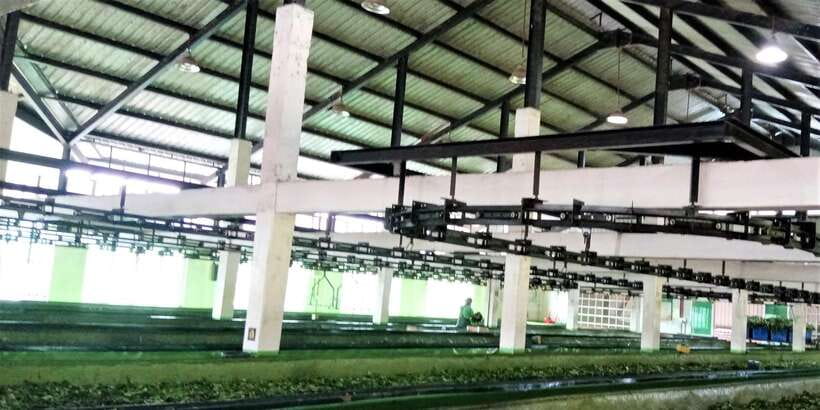
- The factory process is step-by-step (withering → rolling → oxidation → drying), using classic equipment.
- Expect a focused tasting, with different tea types and flavor notes like caramel, floral tones, and hints of citrus.
- Time can be tight, especially on the factory visit, so come hungry for learning, not lingering.
Nuwara Eliya’s tea magic: it’s altitude plus timing
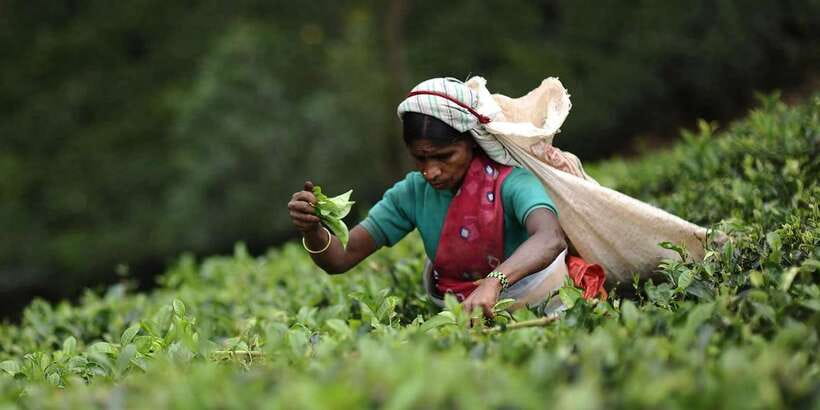
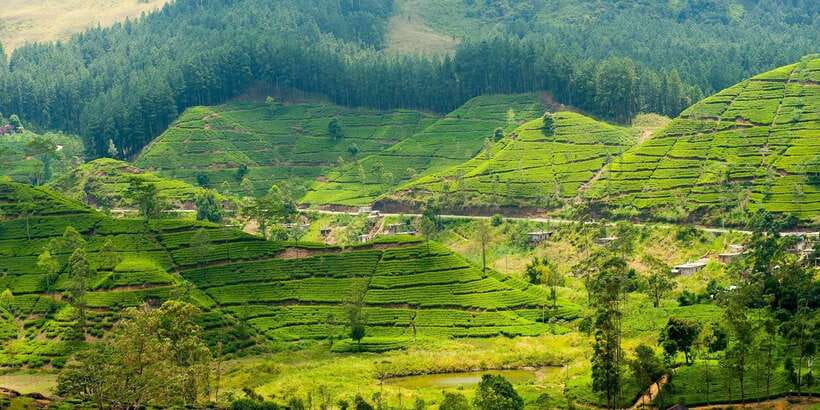
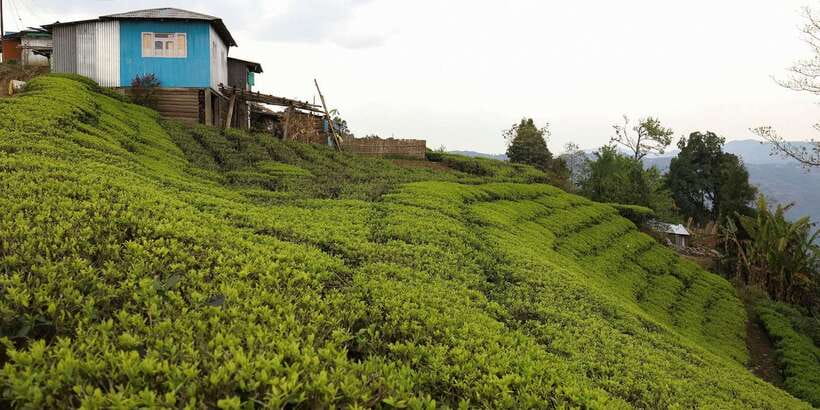
Nuwara Eliya is famous for cooler hill air, and that matters for tea. The tour frames the flavor around a simple idea: sun, rain, and altitude combine to shape the leaves before they ever reach a machine. Even if you’ve had Ceylon tea at home, you’ll come away with a more grounded sense of where those flavors start.
This is also why timing feels important on this kind of tour. When you pluck in the morning, the leaves tend to be fresher and more fragrant. The tour description leans into that sensory part—dew-kissed leaves you can feel between your fingers. That matters because tea isn’t just a drink. It’s a plant product with an obvious physicality, and you’ll notice it right away.
You can also read our reviews of more tours and experiences in Nuwara Eliya.



Plucking tea tips with a woven basket (and what it teaches)
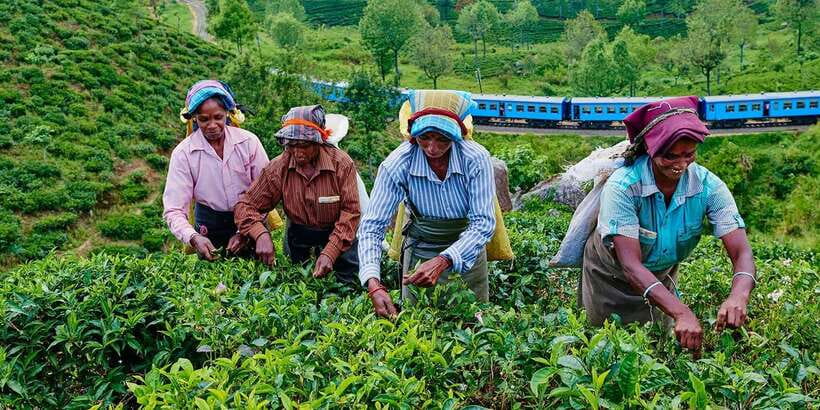
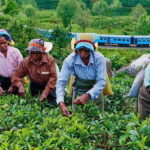
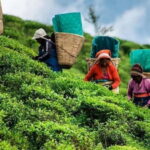
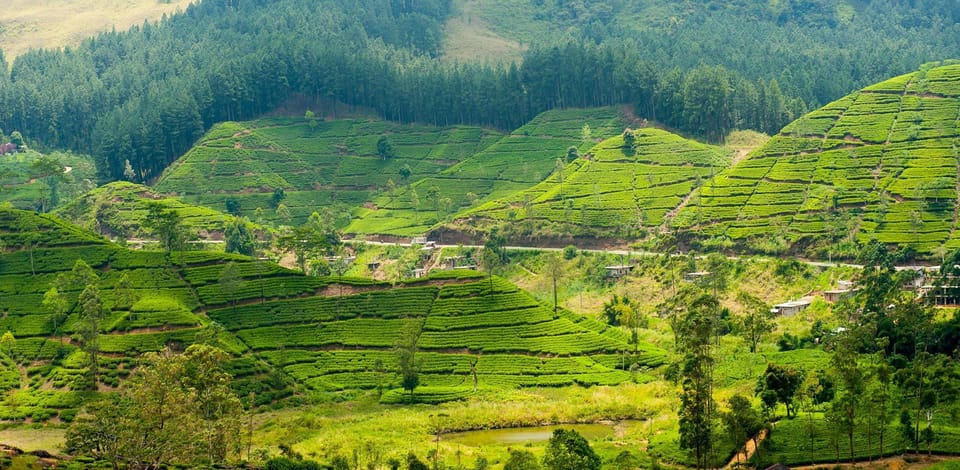
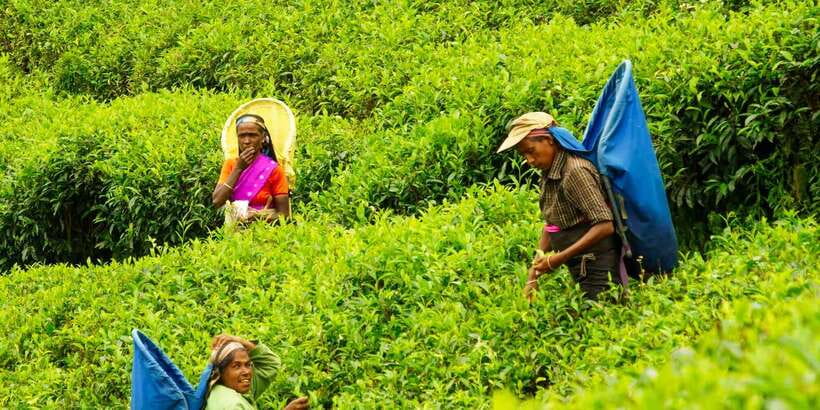
The plantation portion is where this tour earns its keep. You’ll start with a guide and head to a tea estate where you’ll put on a traditional woven basket and join the pluckers. The tour experience is meant to be practical: you’re not collecting tea as a souvenir item—you’re learning the motion and the mindset of picking the right parts of the plant.
Here’s what you should expect you’ll be doing:
- Selecting the freshest tips (the young leaves) carefully
- Handling the leaves as you learn what makes a good pick
- Getting an explanation of how grading works (including orange pekoe and broken leaf)
Why that’s valuable: most people think tea grade is marketing trivia. On this tour, the explanation ties the grade name to what’s happening in the field. Orange pekoe is often connected with higher-quality leaf selection, while broken leaf tends to come from different processing and leaf size, which affects strength and texture in the cup. You’ll leave with a clearer map from “what we picked” to “how it behaves when brewed.”
One practical note: you’ll want comfortable walking shoes. The instructions call the walking moderate, and you’ll likely spend time standing on uneven plantation ground. Wear light clothing too, because the hills can look mild until the sun gets traction.
From withering to drying: what the tea factory visit is really like
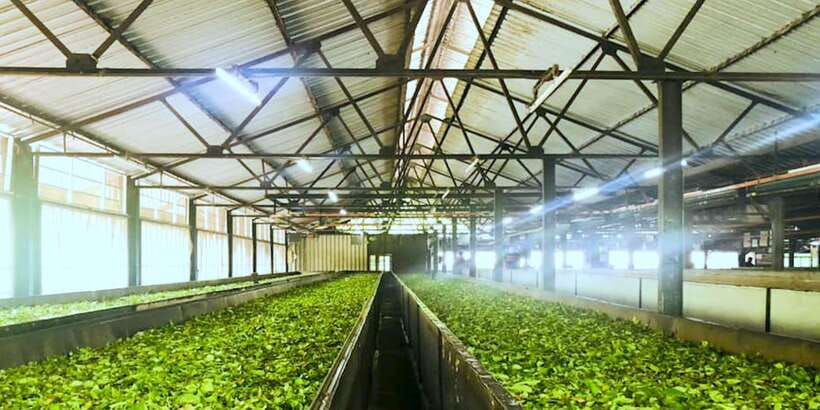
After the plucking, you’ll head to the tea factory for a guided walkthrough and a look at the production steps. This is the part that turns your field experience into something you can taste and understand.
The tour highlights the classic chain of operations:
- Withering
- Rolling
- Oxidation
- Drying
The description also calls out vintage machinery. That’s not just for nostalgia. Traditional equipment and the way tea is processed can influence texture, aroma, and color. If you care about tea beyond the “it tastes like tea” level, this factory stop is your chance to connect the steps to the final product.
Now the honest value question: the factory portion can feel brief. One of the most negative notes is that people found the factory visit limited—only a few rooms, a small set of tastings, and time for photos on the plantation. You shouldn’t let that kill your enthusiasm, but it does mean you should treat the factory stop as a primer, not a full-day deep dive. If you’re the type who wants to watch every machine closely and ask unlimited questions, plan to use your guide to fill in gaps.
Tea tasting: learning to spot caramel, florals, and citrus notes
In the tasting room, the tour is designed to help you connect what you picked and processed to what you can perceive in a cup. You’ll sample a variety of teas, with examples that include lighter styles like white tea and more robust ones like black tea.
The flavor notes shared in the tour description are the kind you can actually use:
- caramel-like tones
- floral undertones
- hints of citrus
This matters for value because tasting isn’t just a souvenir moment. It’s how you build your personal “tea language.” After a tasting like this, you’re more likely to buy the right type of tea at home—one that matches your preferences—rather than guessing based on packaging.
Tip for getting the most from the tasting: take small sips, then pause. Smell first, sip second, then decide what you’re tasting. If the guide mentions why one tea feels brighter or heavier, write down the terms in your head. A good cup tells you a story, and the tour tries to give you the keywords to follow along.
The tea shop stop: where value can swing fast
The tour ends with time to explore the tea shop and pick from a range of teas, often packaged nicely for sharing. This is a normal part of tea-tour culture. The issue is when shopping time starts to feel like the main event.
Some of the negative feedback focuses on the concern that the visit structure pushes spending in the shop. Whether or not that’s your experience, you should plan strategically:
- Set a budget before you arrive.
- Decide whether you want to buy leaf, bags, or gift sets (packaging is a cost).
- If you’re sensitive to price, taste first and buy based on flavor, not on pressure.
For many people, the shop is still worth it because it’s the easiest place to buy the teas you tasted. The key is not to let the shop overshadow the field and factory parts, which are the most memorable parts of the day.





Price and logistics from Nuwara Eliya: is $53 a fair deal?
At $53 per person for a 1-day private tour, you’re paying for convenience plus guided access. You get an air-conditioned vehicle, bottled water, WiFi onboard, and a private group with an English live guide. You also get skip-the-line style access, which can matter when you’re working around morning timing in the hills.
So is it good value? It can be, if you want three things in one package:
1) hands-on plucking
2) a guided factory walkthrough
3) a tasting experience you can use to choose tea
But the value drops if your main goal is a long, detailed factory tour or lots of tasting variety. A key caution: factory tours can be short, and the tasting segment may be limited. If you’re the kind of person who would rather spend more time in production and less time in selling, you might feel the gap.
My practical suggestion: treat the tour price as paying for a guided day more than a deep production workshop. If that aligns with what you want, it’s easier to justify the cost. If you want maximum factory time for your money, be prepared to compare options with a driver and a direct visit plan.
Who should book this tea plucking tour (and who should skip)
This tour is a strong fit if you:
- like hands-on experiences more than museum-style sightseeing
- want to understand Ceylon tea’s basics (grades plus processing steps)
- enjoy guided structure with transportation from Nuwara Eliya
It’s a weaker fit if you:
- are price sensitive and want lots of factory/tasting depth for the money
- dislike shop-heavy endings
- prefer independent travel and longer visits where you control pace
One more practical fit note: the day includes moderate walking. If you have mobility issues, confirm whether the plantation portion is manageable for you before booking.
Should you book the Tea Plucking & Tea Factory Tour from Nuwara Eliya?
Book it if you want a simple, guided way to connect tea growing to tea making—and you’re excited to pick leaves with your own hands. The plucking experience is the part that usually feels most real, and the guide’s explanation of grading and processing steps gives you take-home knowledge you can use.
Don’t book it if you’re expecting a long, detailed factory deep dive or a huge number of tastings. In that case, you may feel like you paid mostly for transport and a short primer, then ended up in the shop portion with less time than you wanted.
If you do book, go with a clear game plan: focus your questions on processing steps, ask what makes one tea feel lighter or heavier, and set a shopping budget before you enter the tea shop. You’ll come away with better tea—and fewer regrets.
FAQ
Where is pickup for this tour?
Pickup is from Nuwara Eliya.
How long is the experience?
It runs for 1 day.
What’s included in the tour price?
It includes air-conditioned vehicle, WiFi onboard, private transportation, bottled water, tea plucking experience, tea factory visit, and a tea tasting session.
Is there a live guide, and what language do they speak?
Yes. You’ll have a live tour guide in English.
Is this tour private?
Yes, it’s described as a private group.
Will I be able to pluck tea, or is it just watching?
You join the tea pluckers and you’ll have a tea plucking experience, including using a traditional woven basket.
What happens during the factory visit?
You’ll visit the tea factory and learn about tea production steps such as withering, rolling, oxidation, and drying, and you’ll have a tasting session.
Is there any cancellation protection?
Yes. Free cancellation is available up to 24 hours in advance for a full refund.