REVIEW · COLOMBO
Colombo: Local Market Tour & Cooking Demo with Lunch
Book on GetYourGuide →Operated by Aktivitar · Bookable on GetYourGuide
A local market stop turns lunch into a lesson. You’ll walk through a real vegetable and fruit market, pick ingredients, then learn to cook them in a traditional countryside home. It ends with the meal you helped make, so it’s not just watching from the sidelines.
I especially like the ingredient handpicking part. It makes the cooking class feel personal, because you’re choosing what lands on your plate. Another plus is the way the session focuses on traditional spices, techniques, and family-style recipes, not just a quick show-and-tell.
One thing to think about: if you have a specific diet or allergy, you’ll want to communicate clearly about what you can (and can’t) eat before the class. Some guests have suggested that ingredient selection could be discussed ahead of time to avoid missed dishes.
In This Review
- Key things that make this tour worth your time
- From hotel lobby to market: why the start matters
- Choosing vegetables and fruit like a local (without overthinking it)
- The countryside kitchen: where the real cooking happens
- Techniques you’ll actually use (spices, steps, and timing)
- Don’t miss the dessert piece
- Lunch you help create: what you’ll be eating
- Tuk-tuk transport and a tight 4-hour window
- Price and value: what $55 covers in real life
- Who this Colombo market-and-cook tour fits best
- Should you book this? My decision guide
- FAQ
- What is the duration of the Colombo market and cooking experience?
- How much does the tour cost per person?
- Is hotel pickup and drop-off included?
- How do you travel between the market and the cooking home?
- Is lunch included?
- What language is the tour guide?
- What should I wear?
- Is the cooking session hands-on?
- What if the weather is bad?
- Is gratuity included in the price?
Key things that make this tour worth your time
- Market ingredient shopping gives you real control over what you cook
- Hand-on Sri Lankan cooking in a countryside home, not a restaurant demo
- Spice and technique lessons that help you understand what you’re tasting
- Traditional recipes from the family kitchen feel personal and practical
- Lunch and a homemade dessert element so you finish full, not just informed
- Hotel pickup plus tuk-tuk transport makes the 4-hour block easy to fit in
From hotel lobby to market: why the start matters
This is a short tour built around one smart idea: learn what goes into Sri Lankan cooking first, then cook with confidence. Your day starts with hotel pickup in central Colombo, and you’ll head out by tuk-tuk with a guide who speaks English. Plan to be ready in the lobby about 15 minutes before your scheduled pickup time, because Colombo time and tour time are not shy about moving forward.
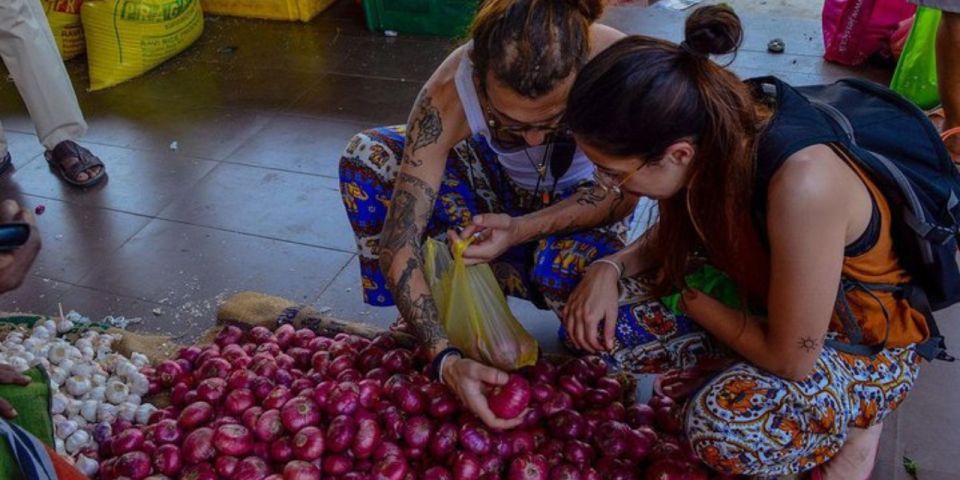
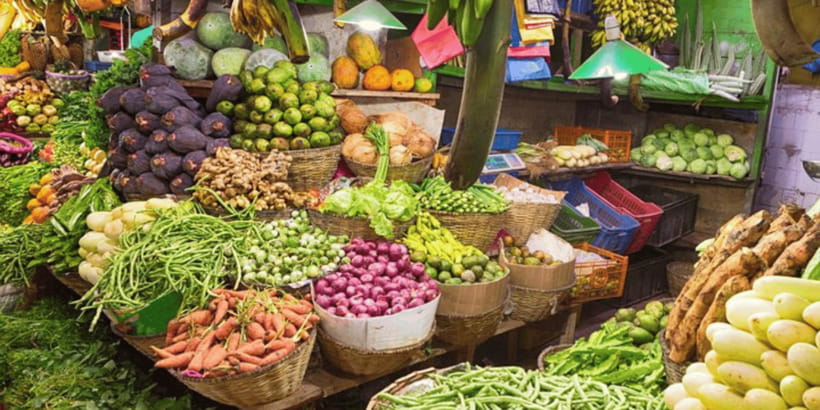
The market stop is the heart of the experience. Instead of being handed ingredients, you’re there while produce is selected and arranged. You’ll see the stuff locals actually rely on for everyday cooking—especially seasonal vegetables and fruit. For me, that’s the value: it turns Sri Lanka’s food from a menu description into something you can recognize and choose yourself later.
Also, markets teach your eyes faster than any cookbook. When you’re picking produce, you start thinking about ripeness, freshness, smell, and texture. That matters in cooking because Sri Lankan dishes often rely on balance: a little sweet, a little heat, tang where it counts, and seasoning layered in steps.
You can also read our reviews of more shopping tours in Colombo

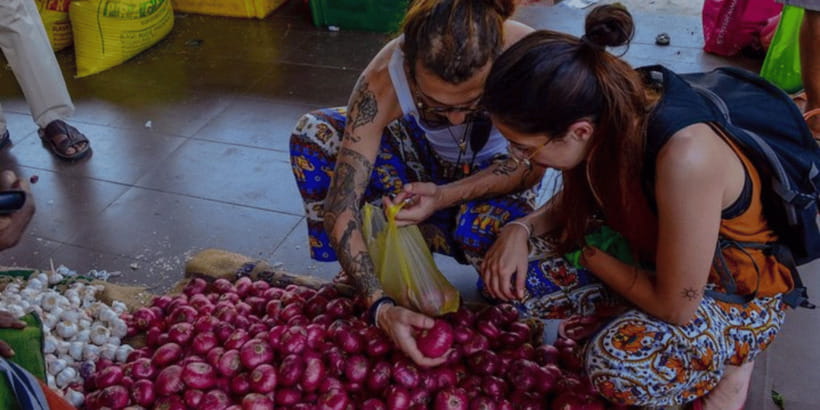
Choosing vegetables and fruit like a local (without overthinking it)
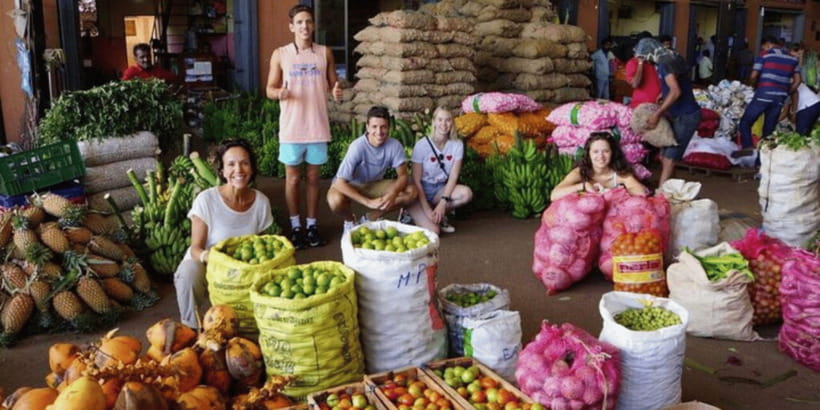
You’ll handpick ingredients for your cooking session—vegetables, fruit, and even meat ingredients are part of what the group sources. The guide’s job is to point you toward what’s in season and what works well in the dishes you’ll make.
Here’s a practical way to approach your choices so you don’t freeze mid-market:
- Pick at least one ingredient you recognize from home.
- Pick one that looks unfamiliar, because that’s usually where the learning happens.
- Choose what looks fresh, not just pretty. In a cooking class, flavor comes from quality more than from fancy cuts.
If you’re picky about diet, this is where you should be proactive. The tour data notes that you should communicate about what you can eat, and at least one guest found it helpful when ingredient selection and dietary needs were discussed beforehand. You’ll be happier—and you won’t feel stuck—if you tell the guide early about restrictions like vegetarian needs, religious restrictions, or allergies.
The countryside kitchen: where the real cooking happens
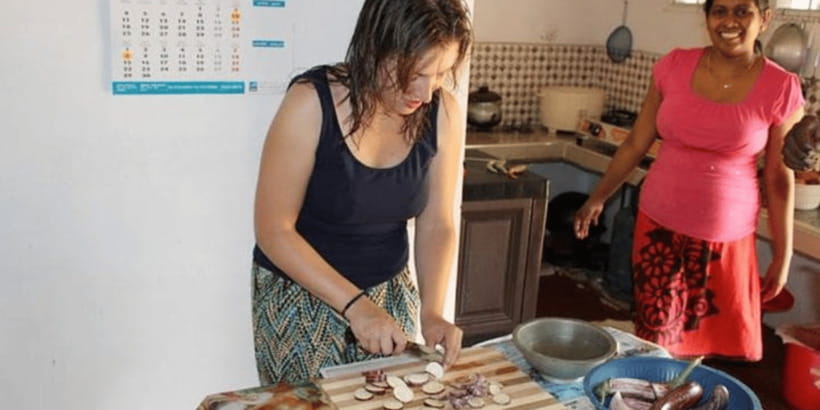
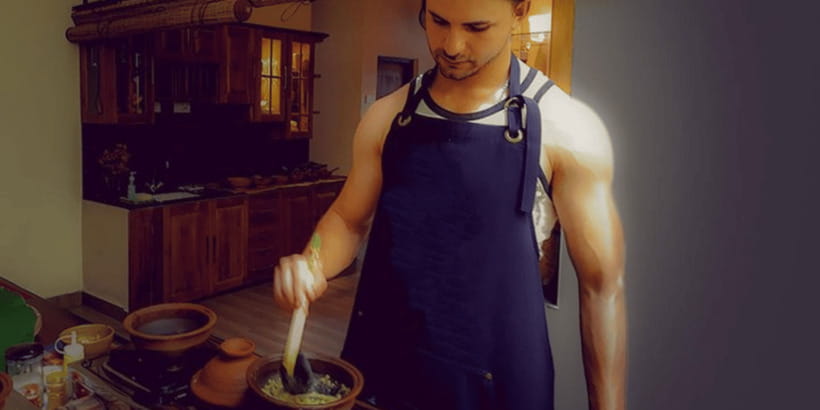
After the market, you shift to a traditional countryside home for a hands-on cooking experience. This is not just a lecture. You’ll cook with guidance, learning how to put together traditional Sri Lankan dishes using the ingredients you selected.
A big reason cooking classes are worth doing is that they change how you understand food. You don’t just taste the final plate—you learn the order things happen in. In Sri Lankan cooking, the sequence matters: spice handling, aromatics, and how you build flavor. Even without a long technical background, you pick up patterns. That helps when you try cooking later.
This is also where the experience feels genuinely personal. Some sessions have been hosted by people like Roman and Delrin Vanhoff, who have guided guests through Sri Lankan cuisine and cooking steps. When the host is teaching like it’s a shared family activity, you tend to ask more questions—and you get answers that connect the dish to the everyday way people cook.
And one more thing that can surprise people: Sri Lankan food is often explained as more than “lots of oil.” One guest specifically noted that the food felt healthy and tasty, which lines up with how many Sri Lankan dishes lean on spices and technique for flavor, not just heaviness. The class gives you a chance to taste that for yourself.
Techniques you’ll actually use (spices, steps, and timing)
The cooking segment is structured around learning the working pieces of the meal: spices, techniques, and family recipes. The exact dishes aren’t listed in the tour details, but you can expect the class to focus on how to build Sri Lankan flavor, not just how to follow a recipe card.
What you’ll likely take away includes:
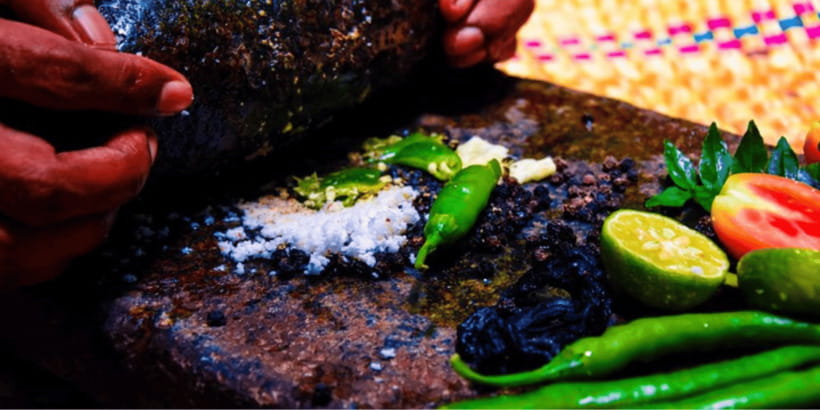
- How to handle and blend spices so they taste balanced, not harsh
- How to combine ingredients so you’re not just “adding stuff,” but building layers
- How family-style recipes differ from restaurant versions, often with clearer reasoning behind each step
This kind of learning is useful because it gives you transferable skills. Even if you forget exact ingredient amounts, you’ll remember how the dish should taste at each stage. That’s when cooking stops being stressful and becomes enjoyable.
You’ll also get the chance to talk with your hosts and ask questions. The tour data emphasizes learning secret family recipes and techniques, and that’s usually the moment you hear the small practical hints—like what changes if you overcook one ingredient, or how to correct seasoning on the spot.
Don’t miss the dessert piece
The tour notes that you’ll indulge a sweet tooth by crafting your own dessert during the session. That matters more than it sounds. In many cooking classes, you leave after the main dish and dessert is an optional add-on. Here, it’s part of the learning time.
Dessert also changes how you understand the meal. Sri Lankan cooking can be multi-layered: savory spices paired with sweet notes, and desserts often reflect local preferences rather than European-style “finishers.” If you like ending the day with something you made yourself, this is a nice payoff.
You can also read our reviews of more tours and experiences in Colombo

Lunch you help create: what you’ll be eating
After the cooking demonstration, you’ll enjoy a freshly cooked, locally inspired feast. Lunch is included, along with refreshments and water bottles. The menu details aren’t spelled out, so I won’t pretend to list exact dishes. But the structure is clear: you’ll eat what you cooked, using your handpicked ingredients and the techniques you practiced.
That eat-what-you-made part is more than a nice gesture. It helps you connect taste to process. If something is too spicy or not bright enough, you’ll understand what would have caused that outcome next time. And if you nail a flavor balance, you’ll remember how you got there.
You also get a comfortable finish to the 4-hour timeline. This is long enough to learn and cook, but short enough that it doesn’t eat your whole day in Colombo.
Tuk-tuk transport and a tight 4-hour window
Logistics can make or break a food tour. Here, the plan is built around convenience:
- Roundtrip transportation is available from most centrally located Colombo hotels
- You’ll move between stops by tuk-tuk
- The tour runs about 4 hours
That short timeframe is great if you’re on a tight schedule, but it also means you should show up on time and be ready to work. Wear comfortable clothing. Since this is a market and home cooking setup, you’ll want shoes that can handle walking and a bit of kitchen activity.
Weather is another practical consideration. The experience can be rescheduled or refunded if conditions are too rough. If you’re traveling during a rainy stretch, it’s smart to keep the rest of your day flexible.
Price and value: what $55 covers in real life
At $55 per person for about 4 hours, the value comes from what’s included, not the sticker price. This tour packs a lot into the cost:
- Hotel pickup and drop-off
- Transportation by tuk-tuk
- Tour guide
- Sri Lankan lunch
- Refreshments and water
- All government taxes
When you break it down, you’re essentially paying for local guidance, market time, transport, and a full meal created in a home setting. Many food experiences charge extra for transport or for the meal itself. Here, you’re less likely to get hit with surprise add-ons during the experience.
What’s not included is simple: personal expenses. Also, gratuity isn’t included, and you’re encouraged to tip based on what you feel is fair.
If you want a class where you don’t just sample food but actually learn how it’s made, this is the kind of setup that tends to feel like good value.
Who this Colombo market-and-cook tour fits best
This is a strong match for you if:
- You love food, but you also like learning how it works
- You want an authentic experience tied to real ingredients
- You’re short on time in Colombo and still want something hands-on
- You enjoy talking with locals and cooking in a home environment
It’s also a good pick for couples and solo travelers who don’t mind being guided closely through a shared experience. The tour is English-language guided, which helps a lot if your Sri Lankan language skills are still in the “bonjour and good luck” stage.
If you’re traveling with children, the tour notes that children 4 years and 11 months and younger are complimentary when accompanied by a paying adult, and all children must be accompanied by an adult. That’s useful to know for family planning.
Should you book this? My decision guide
Book it if you want a practical food experience that starts with ingredients and ends with a meal you helped make. The market ingredient shopping, the hands-on cooking in a countryside home, and the focus on spice techniques are the big reasons this tour works.
Skip it or message ahead if you’re worried about dietary restrictions or allergies. Based on real feedback, it can be worth asking how ingredient choices are handled in advance so you don’t show up and find yourself unable to eat part of what’s planned.
If you want a straightforward, meaningful use of a half-day in Colombo, this is a solid choice.
FAQ
What is the duration of the Colombo market and cooking experience?
The tour lasts about 4 hours.
How much does the tour cost per person?
The price is $55 per person.
Is hotel pickup and drop-off included?
Yes. Pickup and drop-off are included from most centrally located Colombo hotels.
How do you travel between the market and the cooking home?
You travel by tuk-tuk as part of the included transportation.
Is lunch included?
Yes. Sri Lankan lunch is included, along with refreshments and water bottles.
What language is the tour guide?
The live tour guide speaks English.
What should I wear?
Wear comfortable clothing. Since you’re visiting a market and participating in cooking, comfortable shoes are also a good idea.
Is the cooking session hands-on?
Yes. It’s described as a hands-on cooking experience where you learn by doing.
What if the weather is bad?
The experience may be canceled due to inclement weather. It can be rescheduled or payment can be refunded.
Is gratuity included in the price?
No. Gratuity is not included and is left to your discretion.