REVIEW · KANDY
Cooking with Arun & Tamil Family
Book on GetYourGuide →Operated by Maverick WOW Ventures · Bookable on GetYourGuide
A family kitchen turns dinner into a lesson. This Sri Lankan cooking class in the Central Province is interesting because you cook Tamil-style dishes with Arun and his mom’s guidance, in a warm home setup with good music in the background. I especially loved the heartwarming hospitality and the way the experience feels like you’re joining a real family meal, not just watching a demonstration. Expect plenty of taste, plenty of laughs, and a friendly, patient pace even if your knife skills are… optimistic.
The biggest thing to think about is the heat level. Sri Lankan cooking often swings spicy, and while the menu can be tailored, you’ll want to tell them your comfort with spice levels up front. Also, it’s a 3-hour session, so you’ll cover a lot, but you won’t get the slow, multi-day cooking rhythm you might be used to at home.
In This Review
- Key Highlights I’d Prioritize
- Entering Arun’s Tamil Kitchen in Sri Lanka’s Central Province
- What You Actually Cook in 3 Hours (and why the pace works)
- Music, Snowy, and the Small-Group Setup
- From Spicy Curries to Mild Options: How the Menu Fits Your Diet
- Welcome Drink, Dine-In Meal, and Afternoon Tea with Authentic Sweets
- Take Home a Recipe PDF and a Real Sense of How to Cook
- English Instruction and How to Get the Best Results
- Price and Value: Is $37 Worth It?
- Who This Sri Lankan Cooking Class Fits Best
- Should You Book Cooking with Arun & the Tamil Family?
- FAQ
- How long is the Cooking with Arun experience?
- What’s the price per person?
- What language is the cooking lesson taught in?
- How large is the group?
- What food is included in the experience?
- Do they accommodate vegetarian, vegan, and other dietary needs?
- Is there anything you can do with extra food?
- Is there free cancellation and a pay-later option?
Key Highlights I’d Prioritize
- Arun + family teaching style that’s hands-on and welcoming, not stiff or scripted
- Cozy kitchen vibe with music (they’ve got guitars and a ukulele ready)
- Small group (up to 10) so questions and guidance actually land
- Flexible menu for different diets including vegetarian and vegan options
- After-dinner extras: dine-in meal plus afternoon tea with authentic sweets
- Snowy, the kitchen helper (yes, a pet—expect smiles)
Entering Arun’s Tamil Kitchen in Sri Lanka’s Central Province
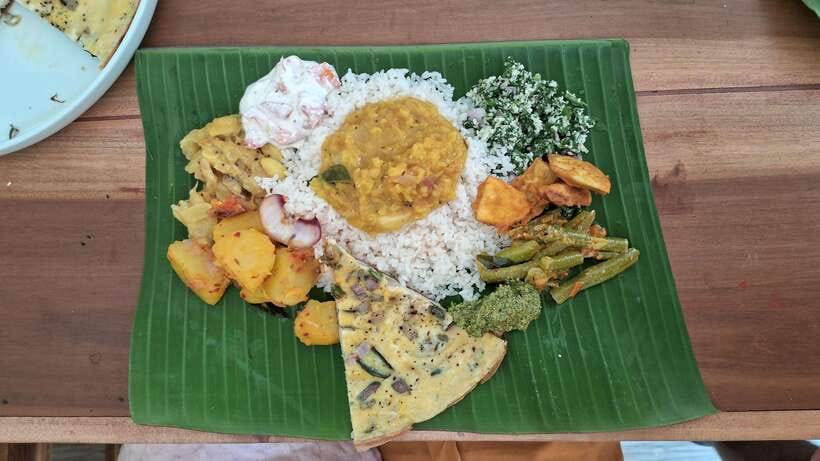
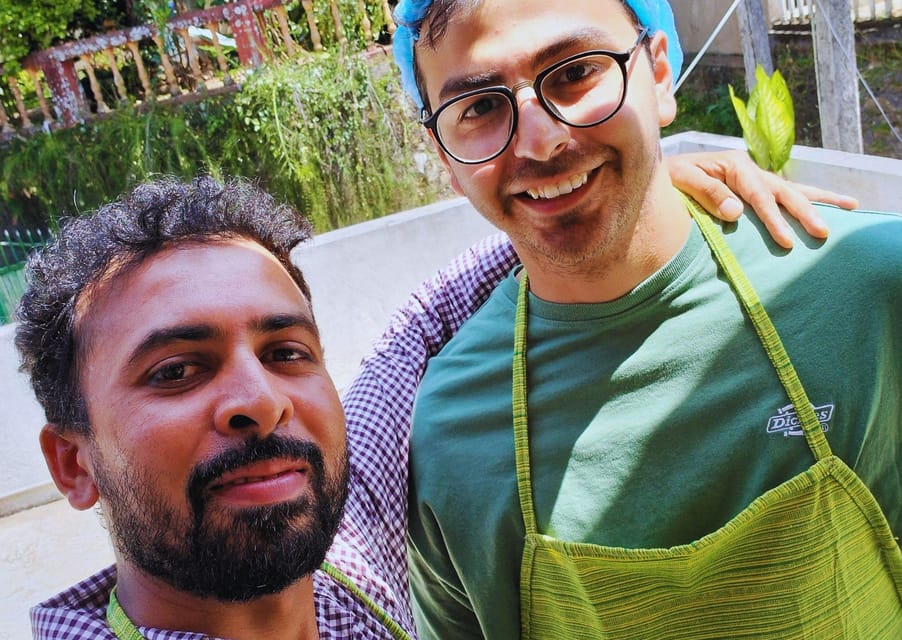
This isn’t a restaurant cooking show. It’s a home-kitchen experience in Sri Lanka’s Central Province, where the whole atmosphere is built around sharing. You get the friendly welcome drink first, then you jump into prep and cooking steps with Arun, his mom, and the supporting team. The setting matters here. A cozy kitchen keeps you close to the action, and it also makes it easier to ask dumb questions early—before they become complicated.
What makes it feel authentic is the family rhythm. Food here isn’t treated like an obstacle course. It’s treated like a way to connect. The lesson is practical, but the mood is warm and humorous, and the music (guitars and a ukulele) keeps things light. Even if you’re traveling solo, that matters. You’re not stuck on the outside watching plates pass by. You’re part of the cooking.
One more detail I like: the class is in English. That removes a lot of friction, especially if you’re trying to learn techniques you’ll actually use later.
You can also read our reviews of more cooking classes in Kandy
What You Actually Cook in 3 Hours (and why the pace works)
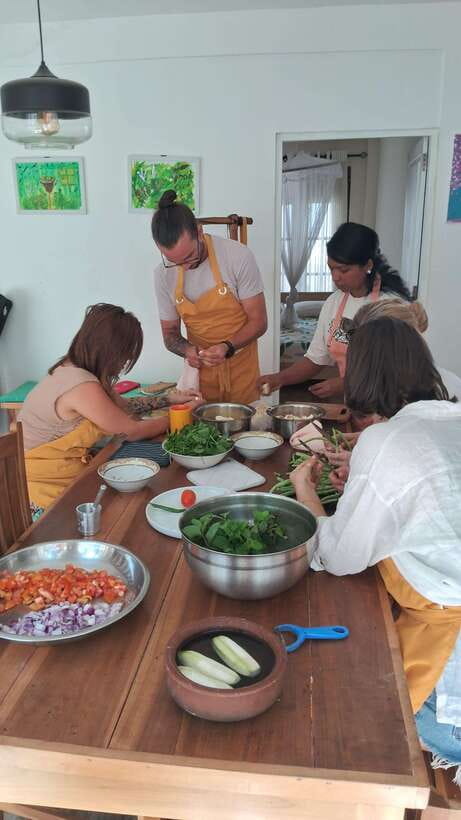
The session is 3 hours long, and that timing is a smart choice. You get enough time to learn real methods—mixing, seasoning, adjusting textures, and building flavor—without getting bored or exhausted. In that length, you can do meaningful steps instead of just tasting a sample and leaving.
Here’s the flow you can expect:
1) Welcome drink and intro: quick orientation and what you’ll be cooking
2) Hands-on cooking lesson: Arun and the family guide you through steps
3) Dine in together: you eat what you made
4) Afternoon tea with authentic sweets: a sweet finish that feels like the culture, not a generic dessert
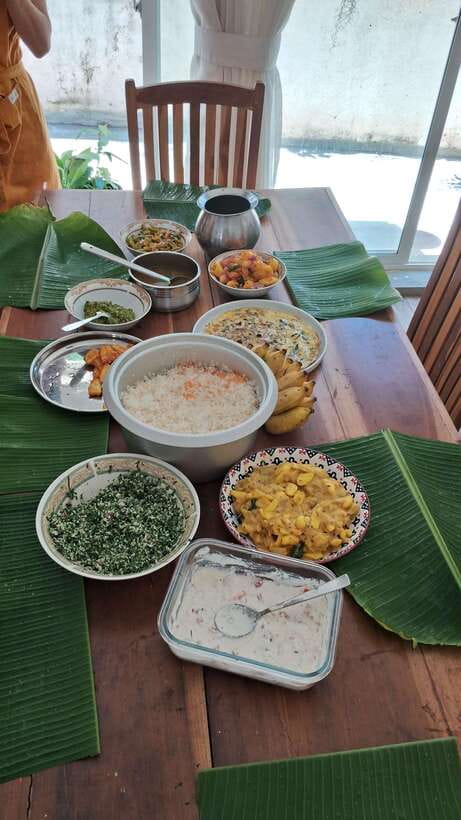
Because the menu can be customized, you’re not just assigned one fixed dish lineup. They work with your preferences, including options across the spicy-to-mild spectrum. That customization is one of the best reasons to book this instead of doing a generic “curry class” somewhere else. You’ll leave with a clearer sense of how Sri Lankan flavors change when the goal is comfort versus heat.
The only caution: it’s still a cooking class, so you’ll be actively involved. If you hate getting your hands messy, you might want to mentally prepare for a few floury or spicey moments.
Music, Snowy, and the Small-Group Setup
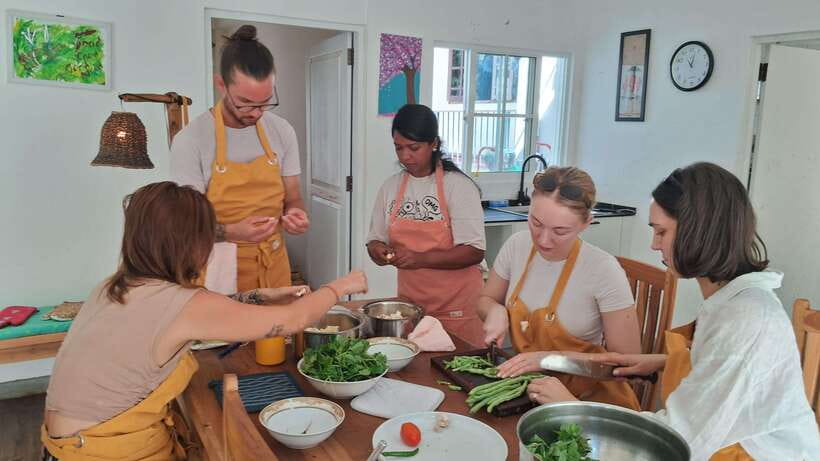
The class is limited to 10 participants, which is small enough to feel personal. That size helps you get direct feedback while you cook—whether you’re asking how to balance salt, how to manage spice, or what to watch for when something thickens.
And then there’s the soundtrack. They play music while you cook, with guitars and a ukulele available. It’s not just a cute decoration. It changes the energy level. Cooking can get serious fast when everyone’s nervous about doing it wrong. Here, the vibe stays relaxed, so you learn faster.
Also, Snowy is there. Their pet hangs around as a friendly presence in the kitchen. It sounds like a small detail, but it actually helps the atmosphere feel like a real home. Reviews specifically mention the warm family feel and how they handle even a young child comfortably, which tells me they’re good at keeping things calm rather than chaotic.
If you’re bringing kids, this kind of setup tends to work better than crowded group tours.
From Spicy Curries to Mild Options: How the Menu Fits Your Diet
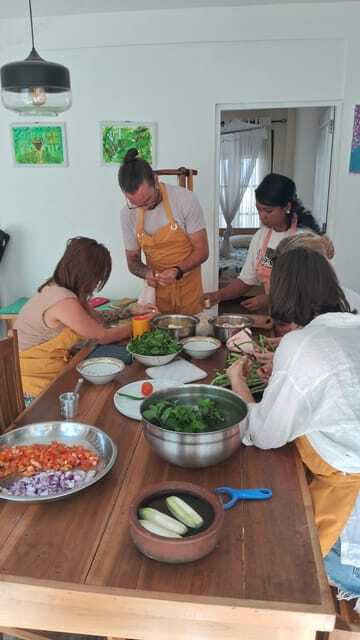
Sri Lankan cuisine is known for bold flavors, and this class reflects that. The menu includes a range—think spicy curries alongside milder, flavorful options—so you’re not stuck in one flavor zone. What I like most is that it’s customized based on preference and dietary needs.
The class explicitly accommodates different diets:
- vegetarian
- meat options
- vegan
- and dietary restrictions or allergies (tell them ahead)
That flexibility is where the value really kicks in. Many cooking classes say they can adapt, but you often end up with one “special” dish and everything else stays the same. Here, the lesson is built around variety, so your meal experience matches what you actually want to eat.
Practical tip: if you’re sensitive to heat or have allergy concerns, communicate clearly before you start. The experience is friendly, but cooking depends on details—so give them the specifics once, not repeatedly mid-cook.
Welcome Drink, Dine-In Meal, and Afternoon Tea with Authentic Sweets
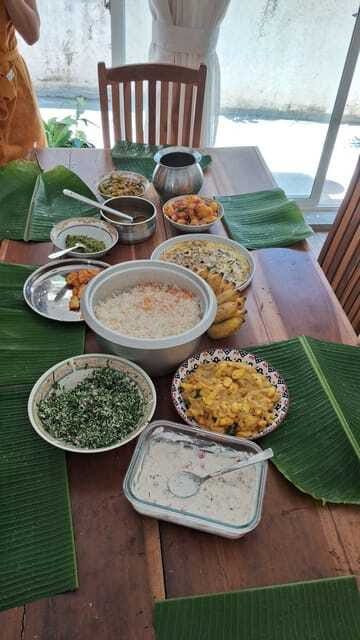
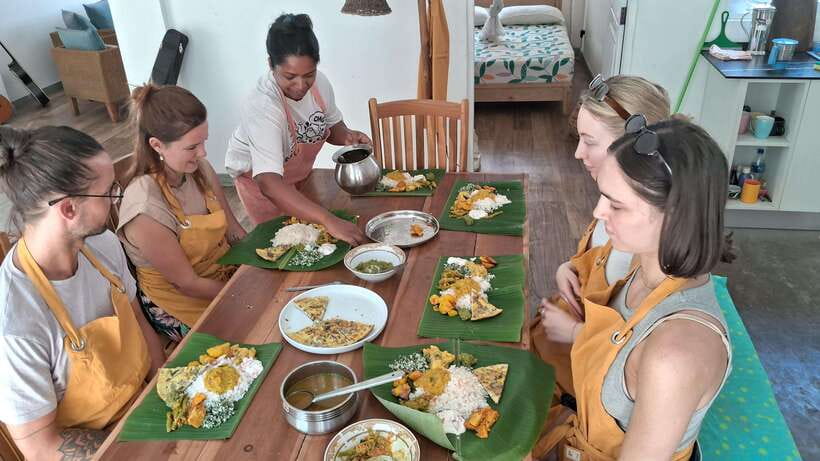
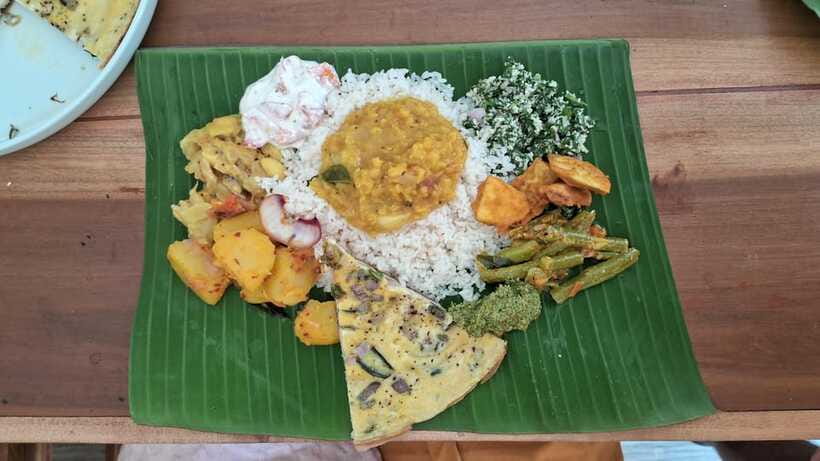
After cooking comes the part that makes the lesson stick: eating together. You sit down to dine in and enjoy what you made, which is the quickest way to understand the flavors in context. You can taste how seasoning and technique show up on the plate. It turns learning into memory.
Then you get afternoon tea with authentic sweets. This isn’t a last-minute afterthought. It feels like a cultural finish to the meal, the kind of sweet stop you’d expect inside a family routine. In a lot of classes, the sweet course is generic. Here, the emphasis is on authentic options.
This full meal structure matters for value. For $37, you’re not only paying for instruction—you’re paying for a whole food experience: drink, cooking, shared meal, and sweets. That’s how you turn a class into an evening.






Take Home a Recipe PDF and a Real Sense of How to Cook
You’ll get a recipe book when you’re done. The experience includes a complimentary PDF recipe book, so you can recreate your favorites after you get home. This is a big deal. A class without take-home notes often fades fast—because you remember the taste, but not the exact steps.
They also mention what happens with extra food. If they make more, you can take it home. If you prefer, some of it can be donated to disadvantaged people. That adds a thoughtful, local-community angle. It also means they’re mindful about not wasting food, which feels respectful and practical.
If you have time, they also have a rooftop chill-out area. It’s a nice optional moment to cool down after cooking and take in the views while you eat or relax. Nothing fancy needed. Just a break after an active 3 hours.
English Instruction and How to Get the Best Results
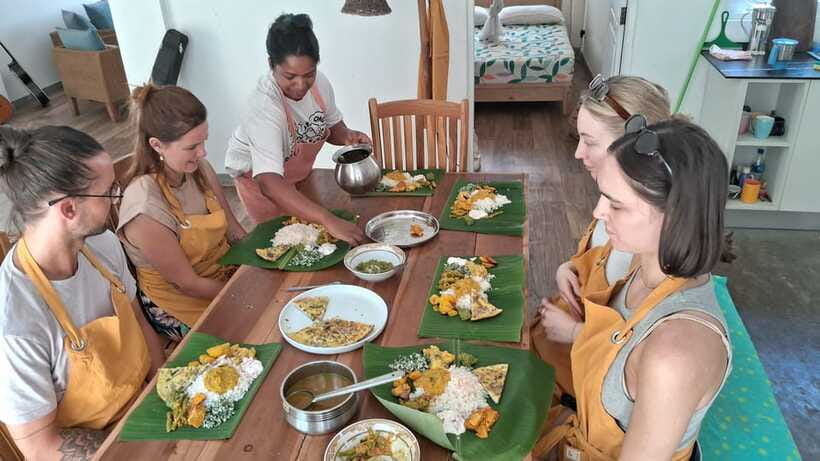
You’ll be taught in English, and that helps you focus on technique instead of translating basics in your head. Arun’s teaching style (family-led, guided steps, plenty of room for questions) is a big part of why the experience gets consistently high marks.
To get the most out of it, I’d show up with two things ready:
- A short list of what you love (or avoid), especially about spice and ingredients
- A willingness to taste as you cook, not only at the end
One smart move: ask how they decide when a dish is “done.” In many home cooking styles, the key isn’t a timer—it’s smell, thickness, and visual cues. If you learn those cues, you can recreate the dish later, even if you don’t remember every ounce and teaspoon.
Also, if you’re traveling with a kid, you’ll likely appreciate the family approach. Reviews mention they were kind and accommodating with children, so the atmosphere isn’t built to exclude families.
Price and Value: Is $37 Worth It?
At $37 per person for 3 hours, this class competes well with other cultural experiences. The price isn’t just for a recipe. You’re paying for:
- a welcome drink
- a guided cooking lesson
- dine-in meal time (you eat what you cook)
- afternoon tea with authentic sweets
- and a take-home PDF recipe book
That’s a lot of “included” for one evening. It also reduces decision stress. In other food tours, you may pay one price, then spend extra on drinks, snacks, or upgrades. Here, the main food journey is already handled.
And because the group is small (up to 10), you’re more likely to get personal attention than in bigger classes. For me, that’s where value really shows up: not only in what you taste, but in what you learn well enough to repeat later.
If you’re on a tighter budget, the class is still a solid call because you’re essentially buying a full meal plus skill-building.
Who This Sri Lankan Cooking Class Fits Best
This experience is a great fit if you want more than a meal. You want to understand the “why” behind Sri Lankan flavors in a Tamil home context.
It’s especially good for:
- beginners who want guidance without pressure
- food lovers who like hands-on cooking
- couples or friends who enjoy shared tasks
- families, since the atmosphere is welcoming and calm
- anyone who prefers a small group rather than a crowd
If you’re the type who likes quiet, silent craft work, the music and family energy might feel a bit lively. But if you enjoy learning while laughing, it’s a strong match.
Should You Book Cooking with Arun & the Tamil Family?
I’d book it if you want a practical, human cooking lesson in Sri Lanka—one that includes real meal time, sweet tea, music in the background, and a take-home PDF so the class doesn’t vanish after your flight.
Choose it especially if you:
- care about dietary flexibility (vegetarian, vegan, or other restrictions)
- value a small group setting
- want to learn steps you can repeat, not just eat and move on
Skip it only if you dislike hands-on cooking or you need a highly formal, no-music environment. Otherwise, this is the kind of evening you’ll talk about later—because it’s tied to taste, technique, and the warmth of a family table.
FAQ
How long is the Cooking with Arun experience?
It lasts 3 hours.
What’s the price per person?
The price is $37 per person.
What language is the cooking lesson taught in?
The instructor teaches in English.
How large is the group?
The group is limited to 10 participants.
What food is included in the experience?
You get a welcome drink, a cooking lesson, dine-in, afternoon tea with authentic sweets, and a recipe book.
Do they accommodate vegetarian, vegan, and other dietary needs?
Yes. The menu can be customized, including options for vegetarian and vegan diets, plus accommodations for dietary restrictions or food allergies if you tell them.
Is there anything you can do with extra food?
If they make more food, you can take it home. They also mention donating to disadvantaged people.
Is there free cancellation and a pay-later option?
Yes. You can cancel up to 24 hours in advance for a full refund, and you can reserve now & pay later.