REVIEW · KANDY
Authentic Sri Lankan Cooking Class in Kandy by Local Family
Book on GetYourGuide →Operated by The Best Kandy Kitchen · Bookable on GetYourGuide
Kandy cooking gets personal. In this class at a family home near Bahirawakanda Mountain, you get hands-on Sri Lankan dishes plus the everyday rhythms of a real household, and I especially like the market-to-kitchen guidance and the warm, family-led teaching.
One thing to consider: this is a home setup, so it’s not suitable for wheelchair users, and the 3-hour timing means the family does quite a bit of the heavy prep while you still get to season and learn the method.
In This Review
- Key things to love about The Best Kandy Kitchen
- Entering a quiet Kandy home near Bahirawakanda
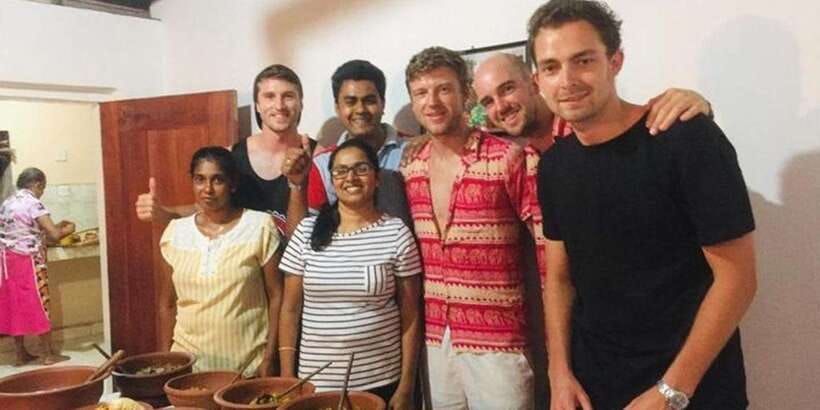
- Meet the family chefs: wife, sister, mother, and helpers
- The real itinerary: from market shopping to a meal that runs long
- What you’ll learn while you cook
- Ten vegetable dishes plus fish or chicken: the teaching meets eating
- Coconut roti and sambol: where the class gets memorable
- If you go to the market with Dinesha, you’ll cook smarter
- Price and value: $99 per group, up to 2 people
- What to bring, and how to set yourself up for a good session
- Who this Kandy cooking class suits best
- Should you book this cooking class in Kandy?
- FAQ
- How long is the cooking class?
- What is the group size?
- Is pickup and drop-off included?
- What’s included in the meal?
- Do I get recipes to take home?
- Can I visit the local market during the experience?
- Is the class taught in English?
- What should I bring with me?
- Is this class suitable for wheelchair users?
Key things to love about The Best Kandy Kitchen
- Teachers are the family: wife, sister, and mother lead the class, with kids sometimes joining in
- Near Bahirawakanda’s big Buddha: close to Kandy but in a calmer green patch
- Market guidance when you want it: you can go shopping with Dinesha for spices and vegetables
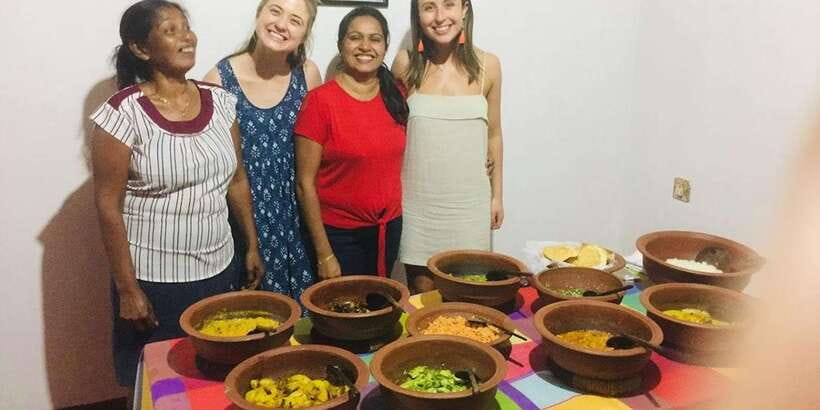
- A big food spread in 3 hours: ten vegetable dishes plus fish or chicken, coconut sambol, and coconut roti
- A hands-on sambol highlight: the old-style stone board for making sambol is a memorable moment
- Recipes at the end: you leave with written instructions so you can cook again at home
Entering a quiet Kandy home near Bahirawakanda
This experience starts with a simple promise: learn Sri Lankan cooking from a local family living near Kandy city center, close to the big Buddhas at Bahirawakanda Mountain. The address matters more than you’d think. You’re not sent to a commercial studio. You’re welcomed into a real kitchen, surrounded by the kind of greenery that makes the whole class feel less like a show and more like you’re visiting.
The pace is very human. You’ll likely notice how families cook day after day, not in fancy batches but in practical steps: what’s available, what tastes right, and what fits into normal life. That’s the backbone of the class. It also helps you understand why certain spice mixes show up in multiple dishes.
You’ll get a calm start through included pickup around Kandy town. You wait in the hotel lobby about 10 minutes before pickup, then you head to the home.
You can also read our reviews of more cooking classes in Kandy
Meet the family chefs: wife, sister, mother, and helpers
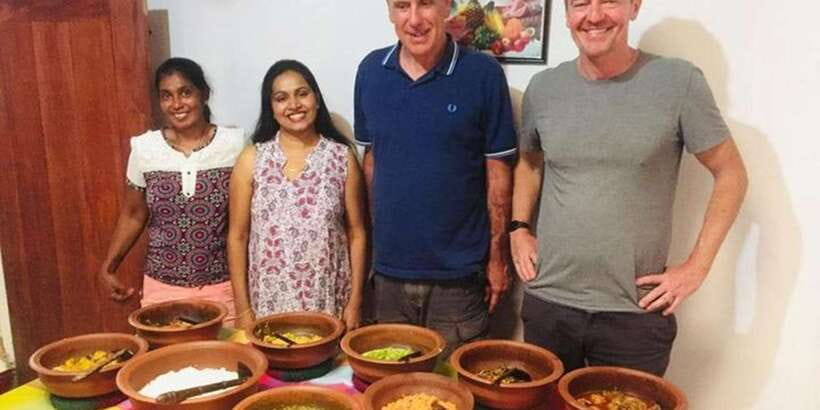
The teaching here is built around family roles. Your instruction comes from the wife, the sister, and the mother. In other words, you learn from people who cook traditional Sri Lankan food as a daily habit, not just as a one-time lesson.
In practice, that changes the feel of the class. Questions are easy to ask, because the answers come like advice from inside a kitchen. The family stays relaxed and fun, and you’ll likely see the younger helpers around too, including little girls who sometimes join the session. It’s charming, and it also keeps the atmosphere light.
One more detail I like: this is an English-led class. You’re not guessing what the steps are supposed to do. You can ask why something is added, not just how to add it.
If you’re the kind of traveler who wants cooking to be social and personal, this is your setup. If you want a strict, professional classroom style with a chef in charge of everything, you might find the home pace a little less formal.
The real itinerary: from market shopping to a meal that runs long
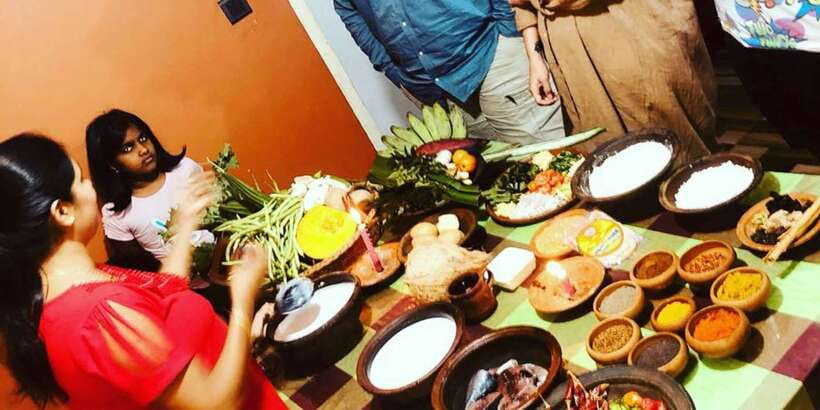
The class runs about 3 hours, and it’s designed around a lot of food. The included spread includes:
- Ten types of vegetable dishes
- Fish or chicken (your choice)
- Coconut sambol
- Coconut roti
- Water bottles
- Pickup and drop-off around Kandy town
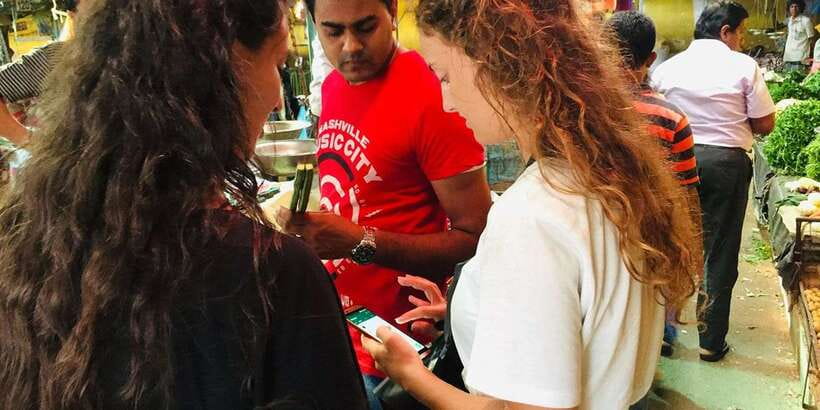
You can also add a market element if you want it. The home team will guide you to the local market to see spices and vegetables before you cook.
Here’s how it usually plays out, and why it works:
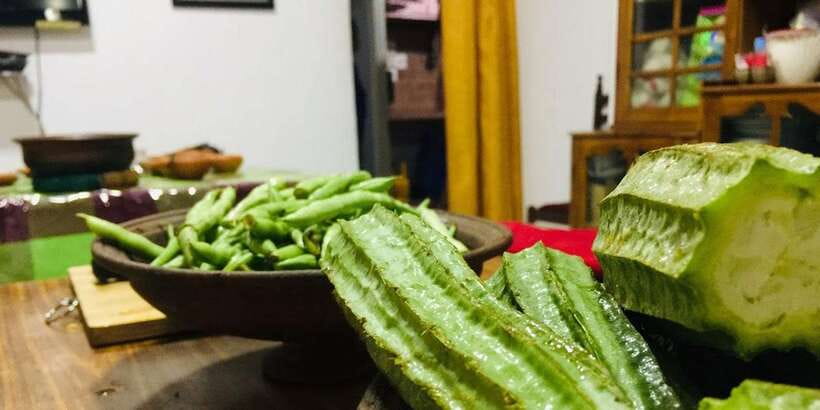
- If you do the market part, you’ll get context fast. You’ll see what people buy for everyday cooking, not just what’s sold in tourist places. You’ll also learn how spices and vegetables pair with different dishes.
- If you skip the market part, you still get the full cooking experience in the home kitchen, just with fewer steps before the chopping and mixing.
In some sessions, there’s a short in-between moment with tea and snacks while ingredients are prepped. One standout detail from real class experiences is the appearance of pancakes with tea before cooking starts, which helps keep everyone relaxed before the action.
What you’ll learn while you cook
This is not a one-dish lesson. It’s a multi-dish teaching format. Expect to build skills that repeat across dishes:
- how spice blends are used and adjusted
- how ingredients are layered for flavor
- how coconut features in Sri Lankan textures, especially in roti and sambol
Even though you’ll do hands-on work like seasoning, the family often handles a lot of the heavy prep because the goal is to get a full spread on the table in limited time. That’s not a bad thing. It means you focus on learning the key decisions without getting stuck on tasks that slow down the whole class.
And yes, you end up eating. Plan your day around that.
Ten vegetable dishes plus fish or chicken: the teaching meets eating
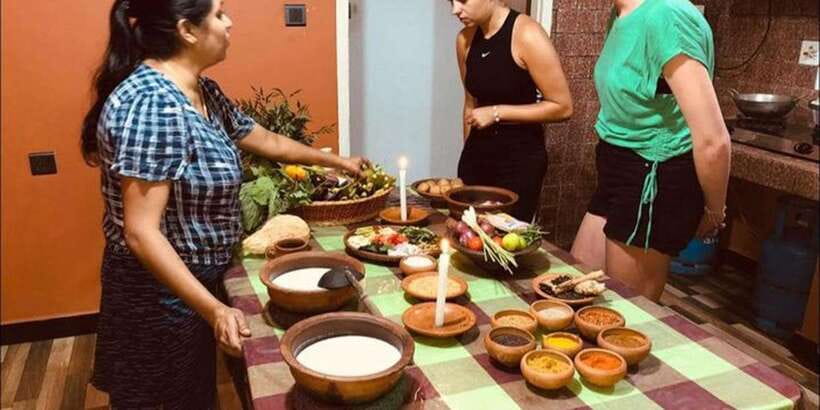
The included menu is ambitious, and that’s exactly what makes this class good value for the price. Ten vegetable dishes alone can sound like a lot, but the teaching here is structured so you understand the patterns behind the cooking.
You’ll likely see curries and vegetable preparations where spice mixes show up in different roles. If you’re hoping for variety, you’ll get it. If you’re hoping for comfort-food logic—why one dish is mild and another is sharper—you’ll get that too.
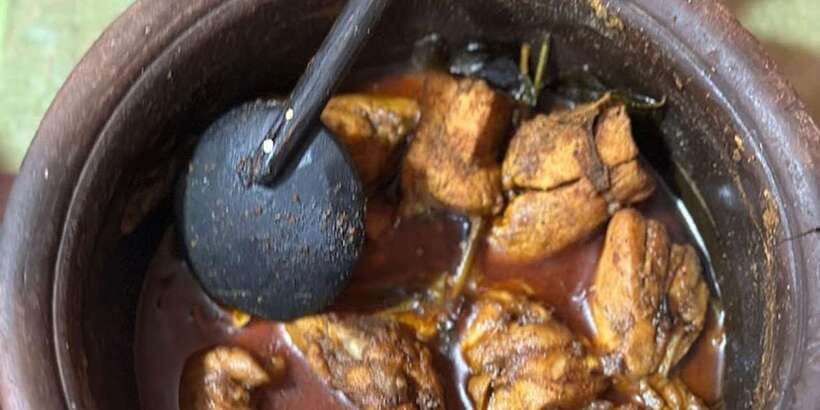
People often mention specific favorites like eggplant and mushroom curry. That makes sense in this format. Those are the kinds of dishes where spice balance really matters, and where learning the method helps you recreate the flavor later at home.
Then you choose fish or chicken, which adds another layer to your understanding. Protein changes the cooking behavior, but the same spice-thinking helps you connect what you learn to what you eat.
You can also read our reviews of more tours and experiences in Kandy

Coconut roti and sambol: where the class gets memorable
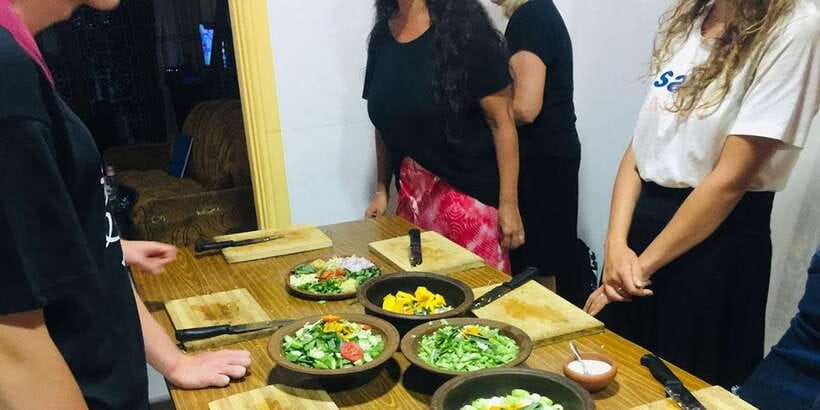
Two items are specifically included: coconut roti and coconut sambol. These aren’t just sides. In Sri Lankan food, they help define the overall flavor experience.
Sambol is a highlight in a very practical way. In several experiences, the class focuses on the traditional method using an old stone board for grinding sambol. That matters because sambol isn’t only about flavor. It’s also about texture, and the stone method is part of why the paste tastes the way it does.
Roti is another big win. Coconut roti brings a chewy, fragrant component that pairs naturally with curries. When you learn it in the same session as your curries, the whole meal starts to click like a system, not separate dishes.
If you go to the market with Dinesha, you’ll cook smarter
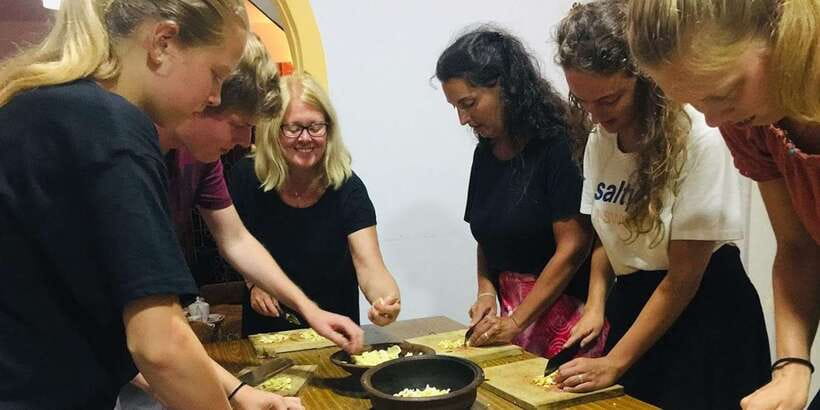
The optional market visit is one of the most useful add-ons, because it connects ingredients to cooking decisions. If you want that extra layer, you’ll be guided to the local market and helped understand spices and vegetables.
One named guide connected to this market experience is Dinesha. The value here is simple: you see what goes into the flavors before you start cooking. You also get a better sense of what’s worth buying if you try recreating dishes later.
I like market time for one reason: you stop thinking of spices as a pile of jars. You start thinking of them as choices. Which pepper? Which spice blend? Which vegetable? That’s the kind of learning that actually sticks after the tour ends.
If you’re short on time or just want to jump straight into cooking, you can still do the class without the market step, and the main dishes remain the focus.
Price and value: $99 per group, up to 2 people
At $99 per group up to 2 participants, the biggest question is whether the class gives you enough for the money. In this case, it generally does, because you’re not just buying a cooking demo.
You’re getting:
- instruction from three family members
- cooking of a large spread (ten vegetable dishes + fish/chicken, sambol, roti)
- water included
- pickup and drop-off within Kandy town
- recipes provided at the end
For two people, you’re effectively paying one group rate instead of two separate per-person fees. Even if you only compare the food value, you’re likely getting a full meal with serious variety. And the recipes make it more than a one-night thing.
The main “cost” is time: 3 hours is tight, so you’ll want to arrive ready to cook and eat, not to linger. But that’s part of the charm, too. The goal is learning by doing, in a real home rhythm.
What to bring, and how to set yourself up for a good session
This tour is practical. Before you go, pack like you’re cooking, not just watching:
- change of clothes (you might get splashes from kitchen work)
- a camera (there’s a lot worth photographing, from spices to sambol-making)
- cash
- a charged smartphone
Also note what doesn’t fit the plan:
- pets aren’t allowed
- assistance dogs are allowed
- the class isn’t suitable for wheelchair users
If you like taking notes, bring a notebook or keep phone notes ready for recipes and spice ideas. Since recipes are provided at the end, you can focus on understanding the cooking decisions during the class.
Who this Kandy cooking class suits best
This is a great match for:
- couples and small groups who want personal attention
- food-focused travelers who like cultural learning through daily life
- people who enjoy hands-on cooking, but also want a guided pace that doesn’t waste time
It’s less ideal if:
- you want a strict professional kitchen setup
- you’re uncomfortable with a home-based format
- you need wheelchair accessibility
If you’re visiting Kandy and want something that feels authentic without being complicated, this class is a strong choice.
Should you book this cooking class in Kandy?
Book it if you want a family-run cooking experience where the meal is part of the lesson, not an afterthought. The combination of ten vegetable dishes, fish or chicken choice, coconut roti, and coconut sambol is rare in a 3-hour window, and the recipes mean you can carry the flavors home.
Skip it if you’re trying to keep a very light schedule. You’ll likely leave hungry and happy, so plan your day accordingly. And if mobility access is a concern for you, this one isn’t set up for wheelchair users.
If you can do just one “local life” activity in Kandy, choose this one—especially if you’re tempted by the market visit and the stone-board sambol experience.
FAQ
How long is the cooking class?
The class runs for about 3 hours.
What is the group size?
It’s a small group limited to 2 participants.
Is pickup and drop-off included?
Yes. Pickup and drop-off are included around Kandy town. You should wait in the hotel lobby about 10 minutes before pickup.
What’s included in the meal?
You’ll cook and eat ten types of vegetable dishes, plus fish or chicken (your choice), coconut sambol, and coconut roti. Water bottles are also included.
Do I get recipes to take home?
Yes. At the end of the class, recipes are provided.
Can I visit the local market during the experience?
You can, if you like. The hosts guide you to visit the local market and explain spices and vegetables.
Is the class taught in English?
Yes. The instructor speaks English.
What should I bring with me?
Bring a change of clothes, a camera, cash, and a charged smartphone.
Is this class suitable for wheelchair users?
No. It is not suitable for wheelchair users.