REVIEW · KANDY
Kandy Cooking Class with Granny
Book on GetYourGuide →Operated by AGS Tours · Bookable on GetYourGuide
Cooking curry in a real Kandy village feels personal. This Kandy cooking class with Granny has you learning traditional Sri Lankan dishes in a quiet home setting, not a showy, concrete workshop. I especially love how the lesson stays inside the village, with the kitchen vibe of everyday life.
What makes the class really click is the hands-on flow: you’re not just watching, you’re cooking A to Z with an English-speaking instructor as Granny Nandy guides the spice-and-curry steps. The one thing to plan around is the return logistics: pickup and the ride to the cooking house are included, but you’ll pay extra for the return trip.
In This Review
- Key things you should know before you book
- Why this Kandy cooking class feels like family, not a performance
- Lunch, mid-day, or dinner: how the timing shapes the menu
- Getting to the village: pickup, tuk-tuk style rides, and return costs
- What you’ll eat and cook: the full Sri Lankan spread
- Spices and coconut milk: the lessons you can actually use at home
- The market stop: when your class starts with ingredients and fruit tasting
- The kitchen workflow: hands-on cooking in a real home environment
- Photos of recipes: good for practice, not a substitute for learning
- How much is it, and is it good value?
- Who should book this class (and who might skip it)
- Should you book the Kandy Cooking Class with Granny?
- FAQ
- How long is the Kandy cooking class with Granny?
- What class times are available in Kandy?
- What’s included in the meal and what will I cook?
- Can the class do vegan food?
- Is pickup from Kandy included?
- Is the experience wheelchair accessible?
Key things you should know before you book
- Real village setting, about 6.5 km from the city, so expect rural calm more than tourist infrastructure.
- Hands-on instruction: you cook the meal, including curries, rice, sambol, and dessert.
- Ingredient-and-spice learning: the focus is on how Sri Lankan flavor is built using spices and coconut milk.
- Multiple class times: lunch, mid-day, or dinner sessions are available, each with a different menu.
- Food is built to be plentiful: rice, multiple vegetable dishes, plus fish or chicken curry.
- Return transport costs extra: budget for the ride back to your hotel.
Why this Kandy cooking class feels like family, not a performance
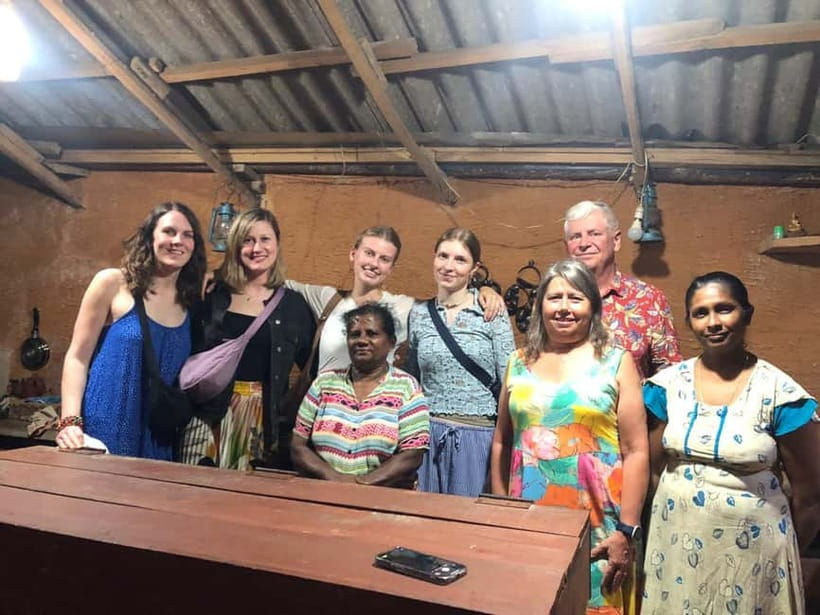
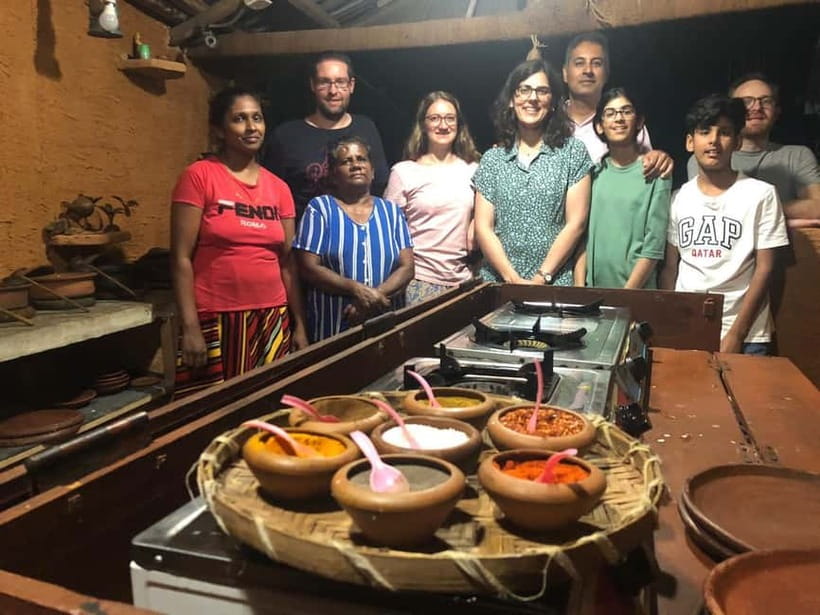
If you’ve had it with cooking demos where you never really touch the food, this is a smart choice. You start in a normal family-style kitchen setting and end with a meal you helped create. Granny Nandy and her team teach as you go, so you’re tasting, adjusting, and learning the logic behind the flavors.
I also like that the vibe is intentionally low-tech and local. The highlights are clear: you’re totally inside the village, not in a concrete building, and you make only traditional foods. That combination matters, because it changes how the whole experience feels. You’re not just eating Sri Lanka’s food; you’re understanding how it shows up on a daily table.
One more practical plus: you’re cooking with guidance in English. For many visitors in Sri Lanka, that’s the difference between a fun meal and real take-home skills you can actually repeat.
You can also read our reviews of more cooking classes in Kandy
Lunch, mid-day, or dinner: how the timing shapes the menu
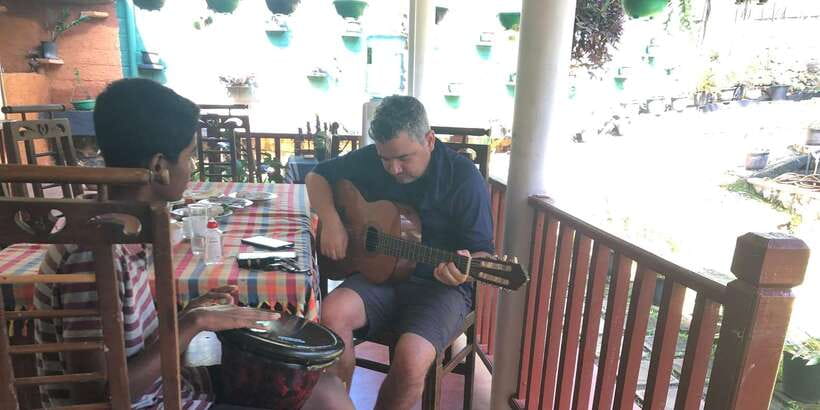
This class runs for about 3–4 hours, and the exact meal depends on the day of the week. You can choose a session that fits your travel rhythm:
- Lunch class: 9:00am to 12:30pm
- Mid-day class: 1:00pm to 4:30pm
- Dinner class: 5:00pm to 8:30pm
Why timing matters: it affects the pace of the day you’ll bring to it. A morning or mid-day session can pair nicely with Kandy sightseeing, while the dinner option often feels more relaxed because you’re starting from the city and heading out toward the hills when it’s calmer.
Also, because the schedule can stretch slightly depending on how quickly you cook, give yourself a bit of buffer afterward. This isn’t a rushed “cook for 30 minutes” situation.
Getting to the village: pickup, tuk-tuk style rides, and return costs
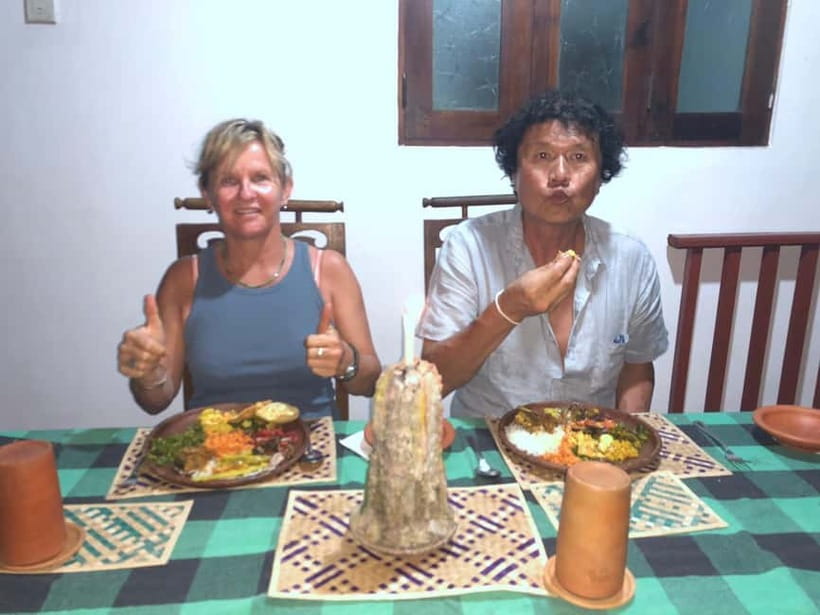
Pickup is included from Kandy and about 3 km around Kandy. From there, you head out to the cooking house in a quiet residential village area roughly 6.5 km from the city.
In practice, people often describe the ride as part of the charm, including tuk-tuk travel into the hills. That’s a real note for your planning: you’re trading easy city access for a more authentic setting. The upside is the experience feels local and homely. The trade-off is that you’re not stepping out of a shop next door to catch a taxi.
Return transport is the one cost to watch. The experience includes transport from Kandy to the cooking place, but you’ll need to arrange your return journey and pay for it (unless your provider offers transport at an extra charge). If you want to avoid surprises, ask your host or booking contact what return option they’ll use and the expected price before you go.
What you’ll eat and cook: the full Sri Lankan spread
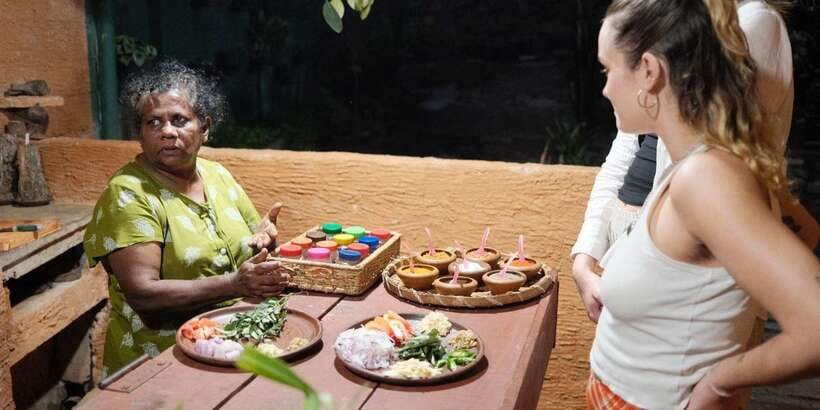
The menu components are specific, and that’s why the $25 price can make sense. You’re not paying just for a couple dishes. You’re learning and eating a full plate of Sri Lankan cooking staples.
Here’s what’s included in the class:
- Rice
- 7 vegetables (traditional vegetable dishes)
- Fish or chicken curry
- Coconut sambol
- Papadam
- 1 Sri Lankan traditional sweet (dessert)
If you’re eating vegan, the class can do vegan foods. The information also says that egg, chicken, or fish can be included if you want them. So you’ll want to tell them your preference clearly when booking, especially if you’re vegan or avoiding certain ingredients.
What I like about this menu structure is that it teaches breadth. Many cooking classes focus on one curry and call it a day. Here, you get practice with vegetable curries, rice, and the key supporting players like coconut sambol and papadam. Those sides matter because they’re part of the Sri Lankan flavor equation, not just fillers.
And yes, the curries are the star. The chef explains spices and how to cook the dishes with them, and the class is set up so you cook along with that guidance rather than passively observing.
Spices and coconut milk: the lessons you can actually use at home
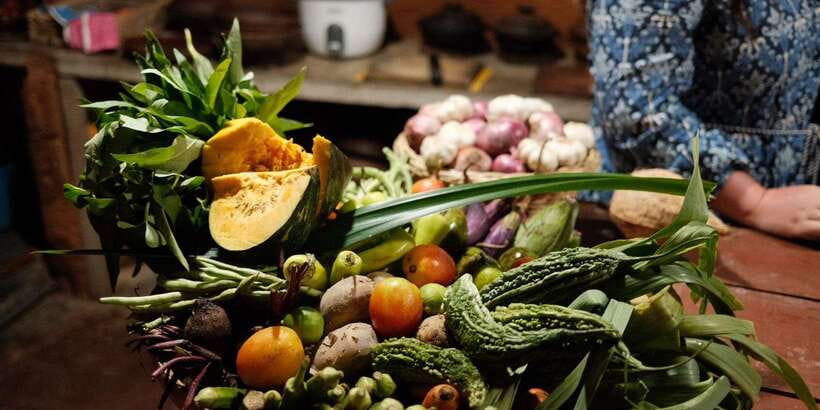
The class is built around understanding how Sri Lankan cooking works. The chef explains the spices used in Sri Lankan cuisine and how they move through a recipe. You also learn about coconut milk, which shows up in many local curries and sauces.
This part is where the experience earns its keep. If you come home with the ability to reproduce the basics, then the class stops being just an enjoyable dinner and starts becoming a skill you’ll use later. Even if you don’t cook every day, you’ll remember the flavor logic: how spices are used and how coconut-based richness changes the profile.
Also, because you choose vegetables (in many sessions), you get a stronger link between ingredient and technique. If you’ve ever tried to copy a recipe later and realized you don’t know what a “similar vegetable” means, this kind of hands-on selection helps.
You can also read our reviews of more tours and experiences in Kandy

The market stop: when your class starts with ingredients and fruit tasting
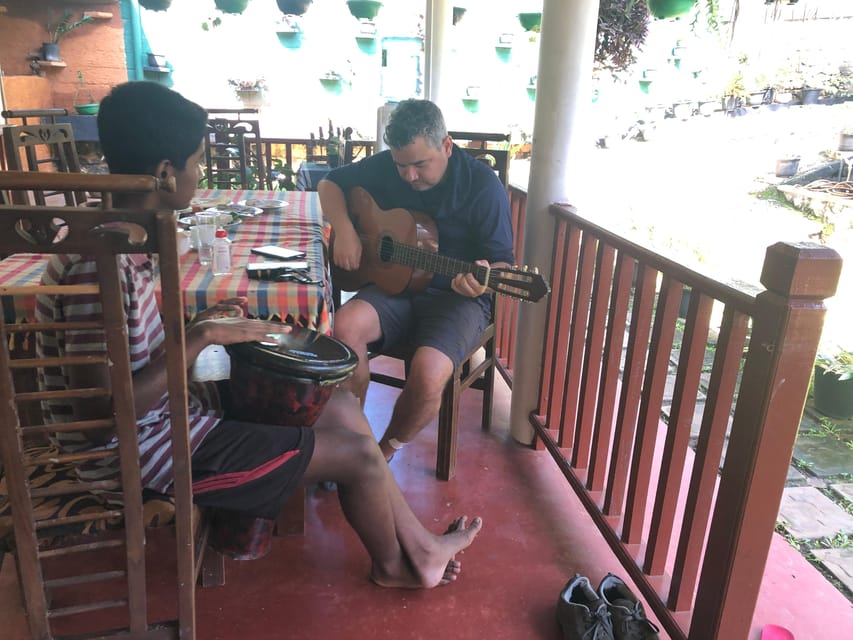
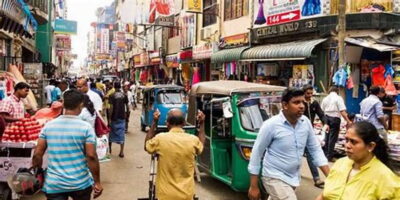
Some sessions add a market visit before you reach Granny Nandy’s home. When that part is included, it can be one of the most memorable components.
You may be taken to a local market first, where Granny Nandy’s family helps explain what you’re buying—vegetables, and sometimes a tasting of local fruit. In past sessions, people have described trying fruits like bananas, mango, and passionfruit, and learning how the ingredients connect to the dishes you’ll cook later.
Even if your session doesn’t include the market stop, the class still focuses on fresh ingredients and traditional dishes. But if you see the market visit mentioned for your specific date or time, I’d treat it as a major plus. It gives context that a kitchen-only class can’t match.
The kitchen workflow: hands-on cooking in a real home environment
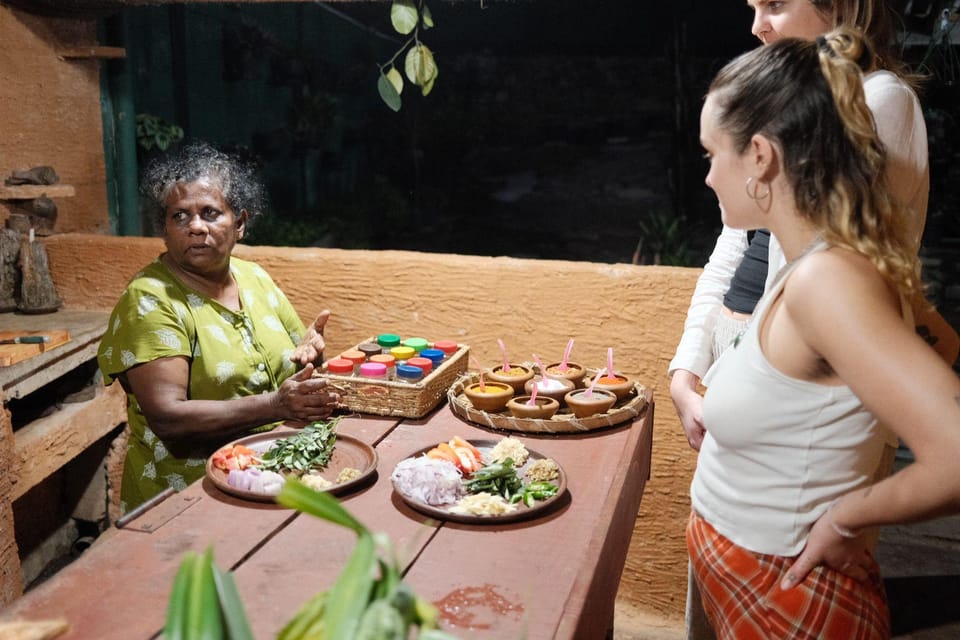
Expect a step-by-step setup where you cook the dishes yourself. The class structure is designed so you do the work: mixing, preparing, and learning through doing. In many sessions, people describe making multiple curries plus rice and other components in the time window.
This works best if you’re willing to get your hands a bit busy and accept that cooking takes time. The lesson length can vary depending on how quickly you’re able to cook, so don’t schedule anything tight right after.
Because it’s in a village home, the pace and style are different from a restaurant kitchen. That’s not a downside. It’s the point. You’re learning how cooking happens with family tools and family timing, not in a sterile studio.
One more detail that’s worth knowing: you’ll likely be in an area that’s not set up for wheelchair use. The experience is not suitable for wheelchair users, so plan accordingly.
Photos of recipes: good for practice, not a substitute for learning
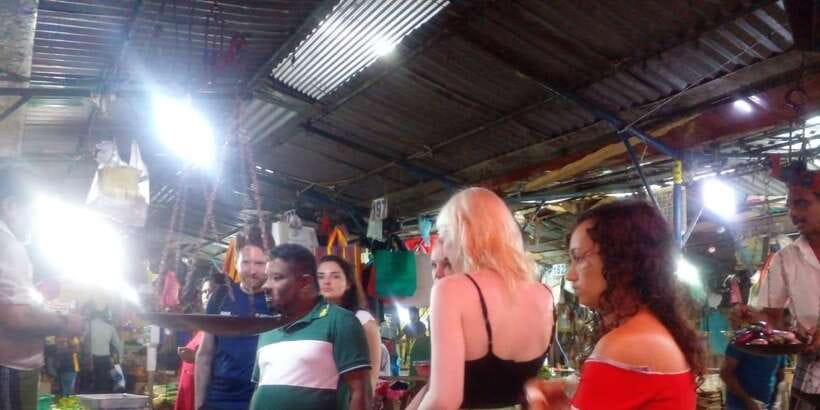
After the class, you can be sent photos of the recipes you cooked. That’s a helpful extra, especially if you want to remind yourself later about what you made and how it looked.
I’d treat those photos as a reinforcement tool. They’re useful for jogging your memory when you try again at home, but your real takeaway is how the dishes came together in the moment: what the spice changes taste like, and how coconut-based curries behave as they cook.
If you’re the type who loves repeating favorites, ask your host when the photos will be sent and what level of detail you’ll receive. Even without perfect written measurements, the pictures can guide your next attempt.
How much is it, and is it good value?
The price is $25 per person for a lesson around 3.5 hours. For that, you get:
- pickup from Kandy (and the nearby 3 km zone)
- transport to the cooking house
- an English-speaking instructor
- instruction while you cook multiple traditional dishes
- rice, vegetable dishes, fish/chicken curry, coconut sambol, papadam, and dessert
- recipe photos afterward
The main value trade-off is the return trip. You’ll need to pay extra for getting back. That can change the real cost depending on where your hotel is and what transport you choose.
But even with that in mind, the included food and the hands-on cooking instruction are where the money goes. If you’re excited about curry, spices, and learning how to recreate Sri Lankan comfort food, this is one of the clearer “pay once, eat well, learn something” options in Kandy.
Who should book this class (and who might skip it)
This experience is a strong match if you:
- love Sri Lankan food and want to go beyond eating
- want a hands-on cooking session instead of a lecture
- like the idea of learning spices and coconut-based flavors
- prefer an authentic village setting over a tourist kitchen studio
- want an easy meal format to repeat later at home
You might skip it if:
- you need wheelchair accessibility (it’s not suitable)
- you dislike rural travel time or would rather stay strictly in the city
- you’re trying to fit the experience into a super tight schedule without any buffer
Should you book the Kandy Cooking Class with Granny?
I’d book this if you want a real Sri Lankan cooking experience with a family-style atmosphere and genuine instruction. The combination of hands-on cooking, a traditional village kitchen setting, and a full meal (rice, multiple vegetable dishes, curry, sambol, papadam, and dessert) makes the price feel fair.
One quick decision checklist before you confirm:
- Plan for return transport costs.
- Choose your session time based on your day, not just the menu.
- If you care about vegan cooking, say it clearly when you book.
FAQ
How long is the Kandy cooking class with Granny?
Lessons are typically 3 to 4 hours, and the exact time can vary depending on how quickly you cook and how the session runs. The listed duration is about 3.5 hours.
What class times are available in Kandy?
There are three options: 9:00am–12:30pm (lunch), 1:00pm–4:30pm (mid-day), and 5:00pm–8:30pm (dinner).
What’s included in the meal and what will I cook?
You’ll cook and eat rice, seven vegetable dishes, a fish or chicken curry, coconut sambol, papadam, and one Sri Lankan traditional sweet (dessert).
Can the class do vegan food?
Yes. The class does vegan foods, and it also notes that egg, chicken, or fish can be included if you want them. Tell the team your preference when booking.
Is pickup from Kandy included?
Yes. Pickup is included from Kandy and around Kandy (about 3 km). Transport from Kandy to the cooking place is included, but you’ll pay extra for the return journey unless transport is arranged with an extra fee.
Is the experience wheelchair accessible?
No. The experience is not suitable for wheelchair users.