REVIEW · ELLA SRI LANKA
Private cooking class – Personalized classic menu
Book on GetYourGuide →Operated by Sweetvalley Cooking School · Bookable on GetYourGuide
Spices, aprons, and a real Sri Lankan dinner. In a private session at Sweetvalley Cooking School, you get a tailor made classic menu guided by Sri Lankan spice culture, so the evening feels personal instead of scripted.
I love the home-style warmth—Sithara and Upali welcome you like friends, then turn that comfort into hands-on lessons you can actually use later. The best part is learning why Sri Lankan curry paste drives color, taste, and aroma, not just copying a recipe. One consideration: with a full cooking-and-eating flow, you may cover a lot of dishes in 3 hours (often around 10–11), so keep your questions ready and your appetite for tasting.
In This Review
- Key things to know before you go
- Private cooking class, personalized classic menu in Sri Lanka’s Eastern Province
- The welcome moment: natural tea, aprons, and getting oriented
- Curry paste: why it matters (and how you make it)
- Your menu: starters, mains, snacks, and desserts (what you’ll actually cook)
- Learning style: traditional Sri Lankan methods with modern kitchen tips
- Dietary options: vegan and gluten free without feeling like a compromise
- The hospitality factor: conversation with Sithara and Upali while you cook
- Timing and pacing: why 3 hours can work (and when it might feel fast)
- Price and value: is $42 per person worth a private class?
- Who should book this class in Eastern Province?
- Should you book Sweetvalley Cooking School’s private cooking class?
- FAQ
- FAQ
- Where does the cooking class take place?
- How long is the private cooking class?
- What does the price include?
- Is the class private?
- What language is the instructor?
- Can the menu be tailored for dietary restrictions?
- What kinds of dishes are covered?
- Do you prepare curry paste during the session?
- How many dishes will I cook in one class?
- What is the typical start of the class like?
Key things to know before you go
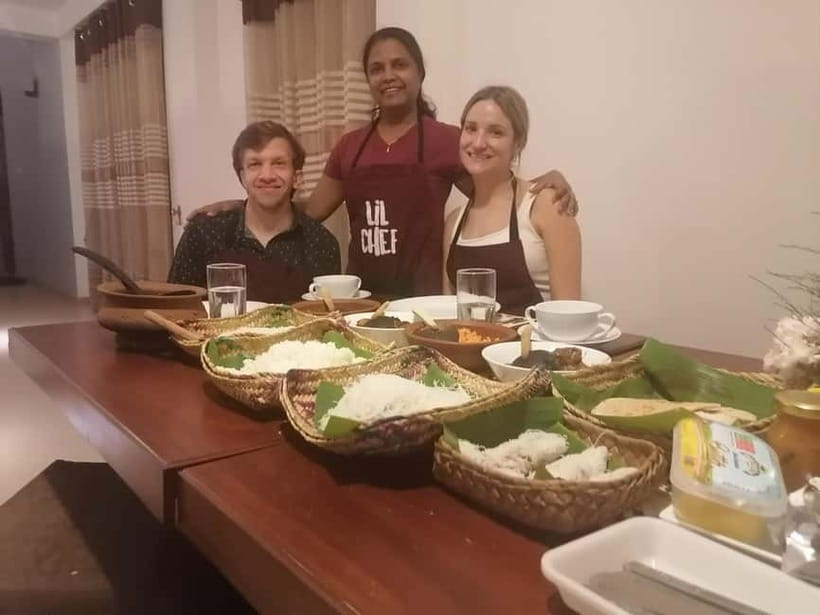
- A menu built around your preferences: you discuss what you like and adjust for your dietary needs.
- Curry paste is the centerpiece: you’ll prepare it the traditional way, with spices chosen for their role in flavor.
- A real meal, not a demo: starters, mains, snacks, and desserts are part of the session.
- Traditional methods + modern kitchen tips: learn how to cook the same food two ways so you can repeat it at home.
- Warm, intimate hosting: the vibe is personal, with conversation as you cook and eat.
- English instruction: you can follow the process clearly and ask questions as you go.
Private cooking class, personalized classic menu in Sri Lanka’s Eastern Province
This is the kind of class that makes Sri Lanka feel close. Not as a postcard. As food you can handle: smells on your hands, curry paste on your spoon, and the small decisions that turn “recipe” into your dish.
Sweetvalley Cooking School runs it as a private experience, so you’re not squeezed into a group tempo. You can go at your pace, and the instructors build your session around what you want to learn, plus how much time you have with them. The location is Eastern Province, and the evening is planned to fit into your day with hotel pickup and drop-off included.
The headline is simple: you’ll cook a classic Sri Lankan menu and learn the techniques behind it—traditional methods plus modern approaches that make the same dishes easier when you’re back home.
You can also read our reviews of more private tours in Ella Sri Lanka


The welcome moment: natural tea, aprons, and getting oriented
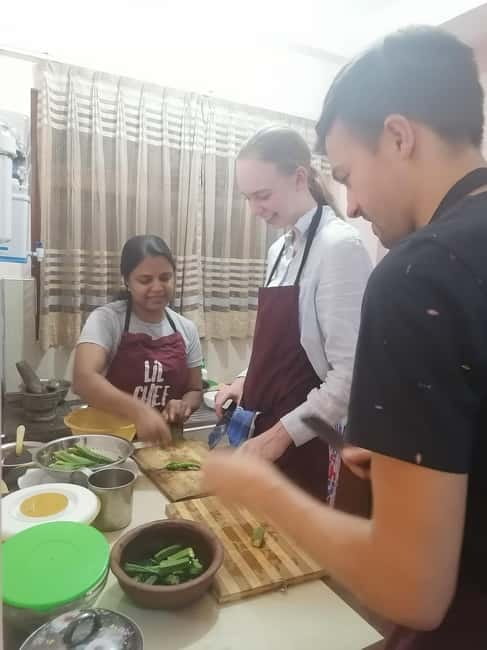
Your first job is to get your bearings fast. Many classes start with something small but smart: a natural tea before cooking. It’s a gentle way to shift from travel mode into cooking mode, and it also signals that this is more “evening in a home kitchen” than “classroom performance.”
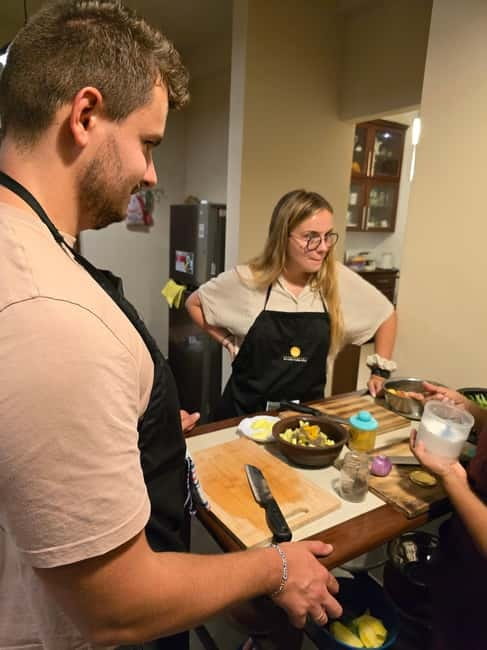
Then comes the practical part: you don the aprons and move straight into the kitchen workflow. In the sessions described, the flow is intentionally paced with you doing real prep and cooking, not just watching someone else work.
If you’re the type who learns best by doing, you’ll like this setup. If you’re the type who needs a full step-by-step before touching anything, ask questions early. The format still works—you just want to front-load your clarity so the session stays fun instead of rushed.
Curry paste: why it matters (and how you make it)
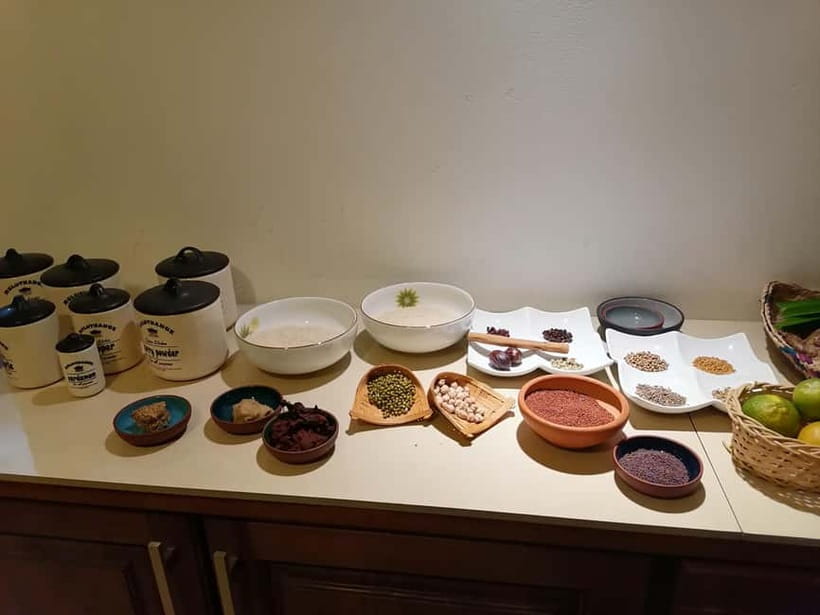
In Sri Lankan cooking, curry paste isn’t a background ingredient. It’s the engine. The class focuses on curry paste as the source of color, taste, and aroma—and that’s huge for your results later.
You’ll prepare curry paste using a selection of spices, following traditional methods. That’s not only about authenticity. It’s also about understanding how spice layers work together. When you know the role of each spice in the blend, you can adjust at home without turning your curry into a guess-and-hope project.
Here’s the practical value: once you’ve made the paste, you can see what “good” looks like—its fragrance, texture, and how it smells as it comes to life during cooking. Then when you cook the actual curries, you’re not building from scratch; you’re extending something you already made.
And because the class teaches both traditional techniques and tips for a modern kitchen, you learn how to keep the spirit of the method even if your equipment or pantry is different.
Your menu: starters, mains, snacks, and desserts (what you’ll actually cook)
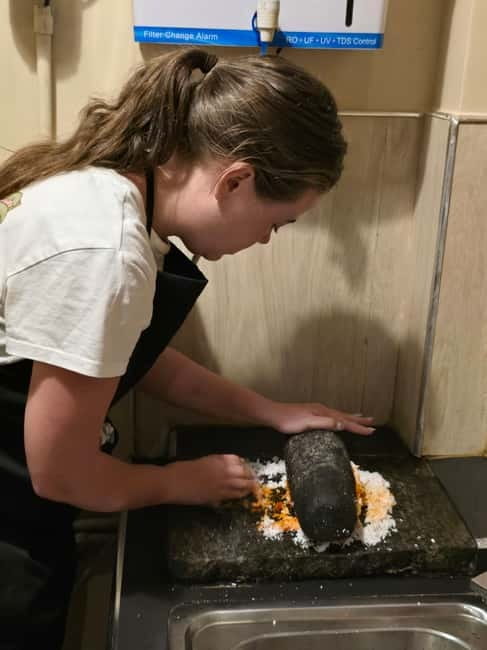
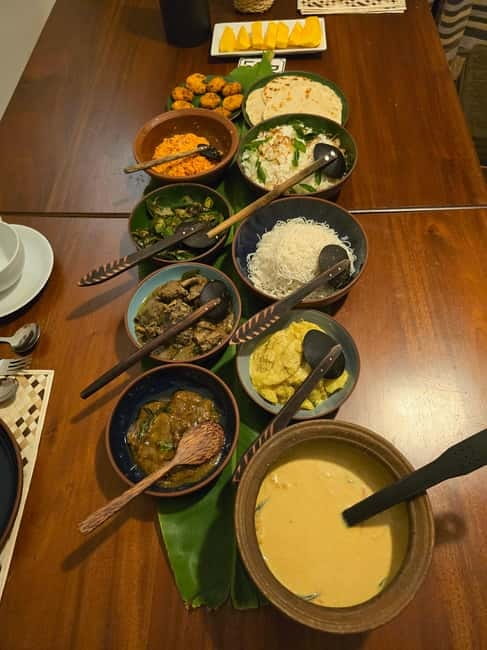
The menu is described as classic and personalized, and you’ll cover multiple dish types: starters, main meals, snacks, and desserts. Reviews point to menus that land around 10–11 dishes in total, often broken into two rounds so the session doesn’t feel chaotic.
That’s a lot of food, and it’s also why this class feels like value. You’re not spending 3 hours learning one item. You’re learning a set of techniques that overlap—chopping, grinding, mixing, frying or sautéing, portioning, and timing.
From the dishes mentioned in the experiences shared:
- string hoppers (a fresh, Sri Lankan staple)
- curries and sambal
- roti
- cashew curry
If you’re thinking, “Will I get to do all of it?”—the answer is yes, hands-on. In the sessions described, instructors guide you through each dish while you participate in the process. The pace is structured, but it still feels like you’re cooking, not just collecting trivia.
Two smart things to do during the menu:
- Taste small. Sri Lankan cooking rewards adjustment. If something tastes slightly off, you’ll often be able to correct it by balancing salt, spice intensity, or acidity.
- Ask what to do if you miss one ingredient. The class is meant to help you recreate dishes at home, so questions like that lead to the most useful answers.
Learning style: traditional Sri Lankan methods with modern kitchen tips
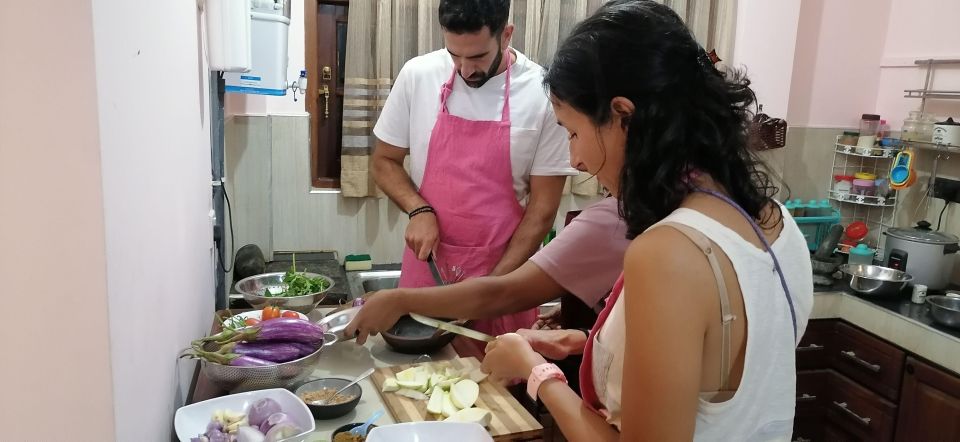
What makes this class especially practical is that it doesn’t treat tradition as museum material. You learn traditional Sri Lankan methods, then you get modern techniques and tips for cooking the same foods in a modern kitchen.
That matters for two reasons.
First, you get better at the why, not just the steps. For example, once you understand how curry paste is built, you also understand why it behaves the way it does—how it affects the final color and aroma.
Second, you can translate it home. Many people take cooking classes and then face a wall: unfamiliar spice brands, different stovetops, no specialized tools. The class explicitly aims to teach you how to make these dishes easily once you’re at home.
So you’re not just collecting recipes. You’re collecting coping strategies for real-life kitchens.
Instructors also respond to questions in a way that sticks. If you’re curious about texture, spice strength, or timing, the teaching approach is built around explaining what you’re doing and why.
You can also read our reviews of more cooking classes in Ella Sri Lanka
Dietary options: vegan and gluten free without feeling like a compromise
If you have dietary restrictions, this class is set up to handle them. Before the session, you can pre-discuss dietary needs and meal preferences, and the course can be tailored.
They offer authentic yet vegan and gluten free meals. That phrase matters because it’s not positioning restrictions as a simplified alternative. The goal is to keep the identity of the food while making it work for your needs.
Reviews back this up, including a vegan-friendly menu and accommodations for requested vegetarian options and specific dishes. If you’re traveling with someone who eats differently than you, this kind of tailoring is a real quality-of-life win. You can both enjoy the session rather than splitting into “what I can eat” and “what I watch.”
The hospitality factor: conversation with Sithara and Upali while you cook
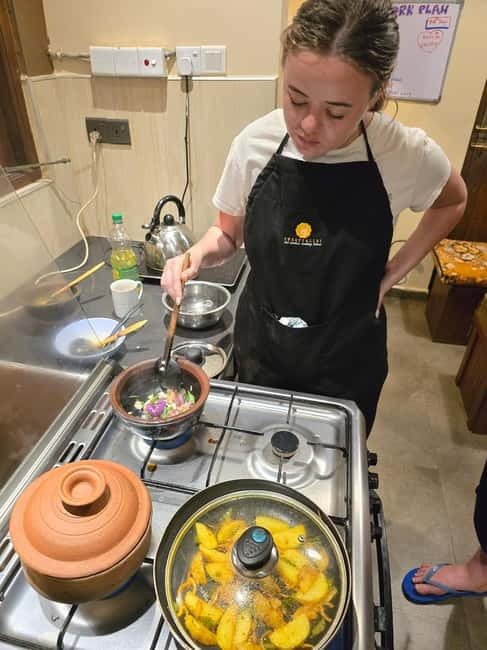
A cooking class lives or dies by the atmosphere. Here, it’s intimate and genuine. Many accounts describe Sithara and Upali as warm hosts who welcome you into their home, with conversation that goes beyond food.
One of the best parts of the experience described is the way the teaching and hosting blend naturally. You learn, but you also hear stories about life, travel, and culture. That makes the session feel like a shared evening instead of a transactional skill workshop.
Also, the instructors are described as humble and well-spoken, with energy focused on teaching techniques so you understand what you’re doing. That’s the difference between memorizing steps and actually feeling confident you can repeat the dish.
If you like kitchens where people talk and explain, you’ll enjoy this. If you prefer quiet, just know this is hosted in a personal, home-based style, so conversation is part of the rhythm.
Timing and pacing: why 3 hours can work (and when it might feel fast)
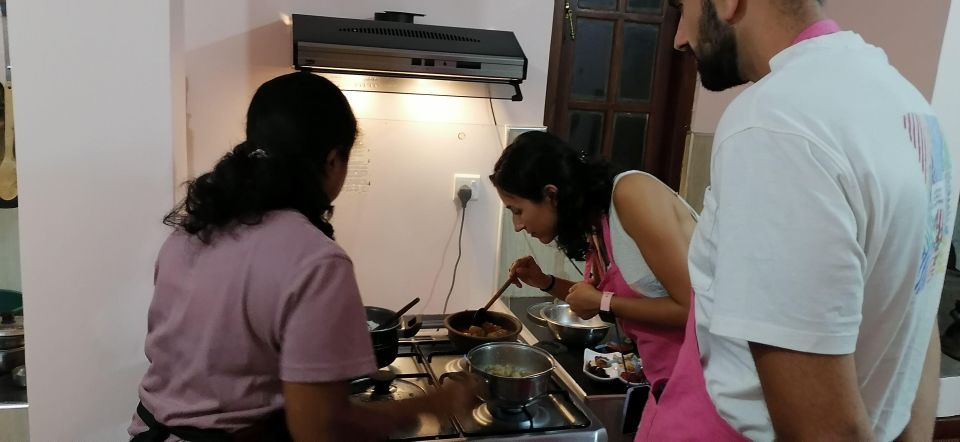
The session is 3 hours total. In practice, that means you’ll likely cover a lot: a full sequence of dishes and curry paste prep, plus time to eat together.
Reviews describe menus reaching 10–11 dishes, usually broken into two rounds. That design choice matters. Without rounds, the session would feel like a cooking marathon. With it, the class stays manageable while still giving you variety.
Still, here’s the consideration: if you’re the kind of person who wants to master one dish perfectly, you may feel the pressure of “so many things” in a short time. The fix is simple: pick your must-learn items ahead of time during the pre-discussion, and treat the other dishes as technique boosters rather than your final exam.
Price and value: is $42 per person worth a private class?
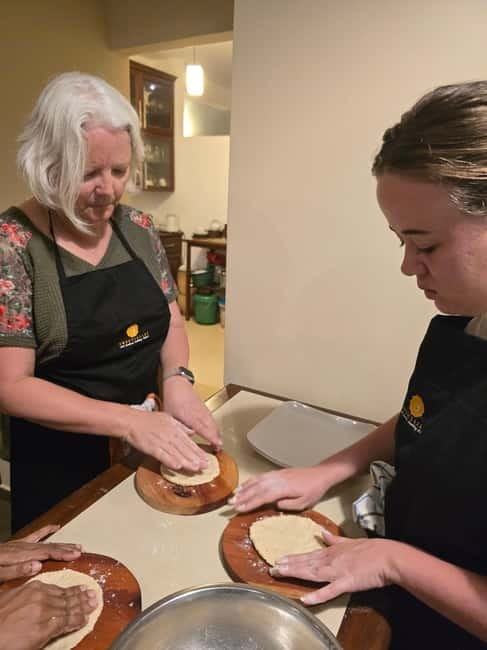
At $42 per person for a 3-hour private cooking class, the value depends on one thing: how private you truly want it to be.
Because it’s private, the cost is easier to justify when you’re in a small group (like a couple) or when you really care about tailoring. You’re paying for personalization: your menu is influenced by your preferences, pace, and dietary restrictions, and you’re guided through curry paste and multiple dishes rather than watching.
You also get hotel pickup and drop-off included, which removes a chunk of hassle and makes the class feel like a seamless evening plan.
Where you’ll feel the value most is in the learning outcome. You get:
- curry paste preparation using traditional methods
- traditional technique plus modern kitchen tips
- a menu that covers starters, mains, snacks, and desserts
- enough tasting to understand what each dish is supposed to taste like
If you want one iconic dish only, you might find cheaper options. But if you want a full Sri Lankan cooking experience that you can recreate at home, $42 can be a fair price for the time, personalization, and hands-on teaching.
Who should book this class in Eastern Province?
This class fits best if you:
- want an authentic Sri Lankan meal that goes beyond one curry
- like hands-on cooking and want techniques you can reproduce later
- travel with dietary needs (vegan and gluten free options are supported)
- prefer a smaller, home-based experience with friendly instruction in English
- are spending time around Ella and want something more personal than a big tour
It’s also a strong pick for couples who enjoy food and conversation. The teaching style, the intimate group setup, and the shared meal make it feel like a memory you’ll keep.
Should you book Sweetvalley Cooking School’s private cooking class?
Yes—book it if you want a hands-on Sri Lankan evening built around curry paste, technique, and a menu that matches your preferences. The strongest reason to choose this over a generic cooking demo is the focus on traditional methods plus modern kitchen tips, so you don’t just learn what to make—you learn how to make it work at home.
Skip it or reconsider if you prefer very structured classroom-style cooking with minimal conversation, or if you only care about learning one dish. With 3 hours and menus that can hit around 10–11 dishes, you’ll get variety, but it’s not designed to be a single-recipe deep training camp.
If you do book, send your preferences in advance and tell the team what you absolutely want to learn. That’s how you turn a great cooking class into the best possible one for you.
FAQ
FAQ
Where does the cooking class take place?
The class is in Sri Lanka’s Eastern Province.
How long is the private cooking class?
The duration is 3 hours.
What does the price include?
The price is $42 per person and includes hotel pickup and drop-off.
Is the class private?
Yes. It’s described as a private group.
What language is the instructor?
The instructor teaches in English.
Can the menu be tailored for dietary restrictions?
Yes. You can pre-discuss dietary restrictions and meal preferences, and vegan and gluten free options are offered.
What kinds of dishes are covered?
The class covers starters, main meals, snacks, and desserts.
Do you prepare curry paste during the session?
Yes. Curry paste is a key part of the experience, and you prepare it using spices following traditional methods.
How many dishes will I cook in one class?
Reviews describe sessions where participants cook around 10 to 11 dishes, often in two rounds.
What is the typical start of the class like?
In several experiences, the class starts with a natural tea, then cooking aprons, and then you move into the kitchen to cook.