REVIEW · GALLE
Great Whales Education Programe Dolphins and Whales are in SL
Book on Viator →Operated by Great Whales · Bookable on Viator
Expect smart dolphin-and-whale talk in Matara. Great Whales is a focused education programme where you learn how to spot dolphins and whales in Sri Lanka waters, led by Ms. A.H. Deepika Kumari. It runs about an hour, with free tea/coffee and refreshments, and it’s designed so families, couples, and seniors can join in comfortably.
I love the way Deepika Kumari ties local whale-watching experience to real-world questions you’ll have on the water. I also like that the session covers the practical stuff people forget, like current sighting updates, the main whale/dolphin areas, what boats are actually used, and the best way to watch live.
The main drawback is simple: this is education, not a guaranteed boat safari with a guaranteed sighting. Also, the price does not include an air-conditioned vehicle, so plan for local transport.
In This Review
- Great Whales at a Glance: What You’re Really Booking
- What Great Whales Is, and Why It Feels Like a Smart Day Plan
- Meet Ms. A.H. Deepika Kumari: The Guide Behind the Session
- Inside the One-Hour Programme: What You’ll Learn
- Whale-and-Dolphin Watching in Sri Lanka: The Basics and the Backstory
- Where You’ll Be Looking: Main Watching Points and Why They Matter
- Species You Might Encounter in Sri Lanka Waters
- Current Sighting Talk: What’s Happening Now
- Boat Routines and Trip Duration: What Live Watching Really Means
- Best Methods for Live Watching (So You Don’t Miss the Moment)
- Open Discussion: Q&A and Swapping Experiences
- Matara’s Location: How It Fits With Mirissa and Polhena
- Price and Value: Why $25 Makes Sense Here
- What’s Included vs. What You Still Need to Plan
- How to Book and When You Should Go
- Practical Tips Before You Show Up
- Should You Book Great Whales? Who This Fits Best
- FAQ
- FAQ
- How long is the Great Whales education programme?
- Where does the programme start?
- Do I need an air-conditioned vehicle for this activity?
- Is there tea, coffee, and snacks?
- Is this programme private?
- Is it suitable for children and seniors?
- Will I see dolphins or whales for sure?
- What topics are covered during the session?
- Can I buy souvenirs during the experience?
- What is the cancellation policy?
Great Whales at a Glance: What You’re Really Booking
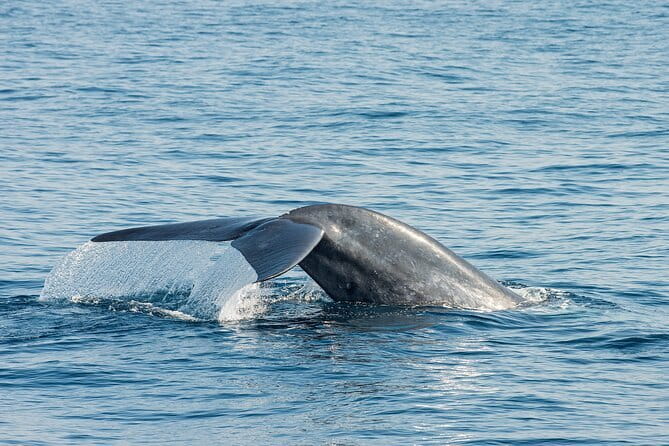
- Led by Ms. A.H. Deepika Kumari with 12+ years of whale and dolphin watching experience in Sri Lanka
- One hour of guided, open discussion for adults, kids, and seniors
- Current sighting talk plus the main places in Sri Lanka where whales and dolphins are commonly seen
- Practical live-watching guidance, including how boats/yachts are used and what to expect on trips
- Included tea/coffee, snacks, and bottled water, plus the chance to buy local whale and dolphin souvenirs
What Great Whales Is, and Why It Feels Like a Smart Day Plan
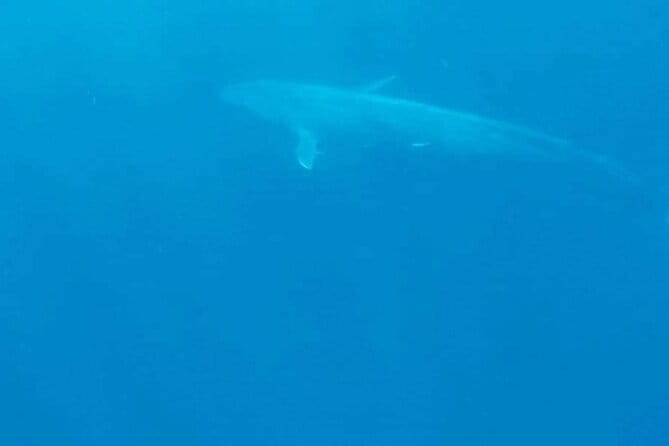
If you’re in southern Sri Lanka, whale-and-dolphin watching is exciting. It’s also weather-dependent. When seas get rough or boats can’t run smoothly, you can end up with an expensive outing that delivers little more than a long ride and hope.
That’s why I like this kind of stop. Great Whales keeps your day productive because it’s built as an education session first, with live-watching context added in. Instead of sitting around waiting for sightings, you learn what you’re actually looking for, where to look, and how people run these trips in Sri Lanka waters.
And the value is not just facts. The session is structured around the same questions you’d normally ask after you’ve already gone out on a boat. You get to think ahead.
You can also read our reviews of more whale watching tours in Galle
Meet Ms. A.H. Deepika Kumari: The Guide Behind the Session
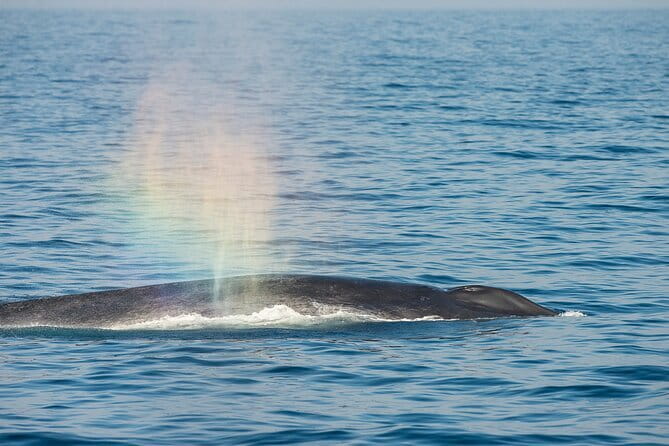
The programme is conducted by Ms. A.H. Deepika Kumari, described as one of the first members of whale and dolphin watching in Sri Lanka. She has more than 12 years in the industry, and that shows in the way the session is paced: it doesn’t feel like a lecture dumped on you. It’s discussion-based, with time for questions and for sharing personal experiences.
This matters because whale and dolphin watching can confuse first-timers. People hear generic terms like dolphins and whales, but Sri Lanka waters involve different species, different common sighting points, and different boat routines. Deepika’s background is exactly what helps connect those dots.
If you’re traveling with kids, this kind of guide-led format also helps. Kids often do better when an adult talks to them like real people and answers questions directly.
Inside the One-Hour Programme: What You’ll Learn
The session runs about one hour, and during that time you cover a lot of ground. The topics are arranged to give you both a big-picture view and the practical details you can use right away.
Here’s the flow you should expect, based on what the programme highlights:
Whale-and-Dolphin Watching in Sri Lanka: The Basics and the Backstory
You’ll start with the commercial watching history in Sri Lanka. Why start there? Because it helps you understand why certain boats operate where they do, how sightings get discussed, and why guidance can vary between different coastal spots.
It’s also where you learn that seeing whales and dolphins is not random. There are patterns, timing factors, and local knowledge that boat operators use.
Where You’ll Be Looking: Main Watching Points and Why They Matter
The programme explains the main whale and dolphin watching points in Sri Lanka, then connects that to the question of why the animals are in these waters.
This is useful because it trains your eyes and expectations. You stop thinking in terms of a single magic moment and start thinking in terms of areas and behavior patterns.
You can also read our reviews of more dolphin watching tours in Galle
Species You Might Encounter in Sri Lanka Waters
You’ll also cover the main common species of whales and dolphins in Sri Lanka. Even if you don’t catch everything in one session, you’ll walk away with names, categories, and what people typically look for.
That matters for your next step: if you go on a boat outing, you’ll be able to identify what you’re seeing instead of just staring at a splash and hoping for the best.
Current Sighting Talk: What’s Happening Now
One highlight is that the session includes current sighting information. That doesn’t mean every trip will guarantee results. But it helps you choose smarter timing and manage expectations.
Even if you end up going out later and don’t see whales, you’ll understand what kind of conditions and sightings people were already discussing.
Boat Routines and Trip Duration: What Live Watching Really Means
This is one of the most practical parts. You’ll learn about:
- whale and dolphin watching trip duration
- weather conditions and how they affect watching
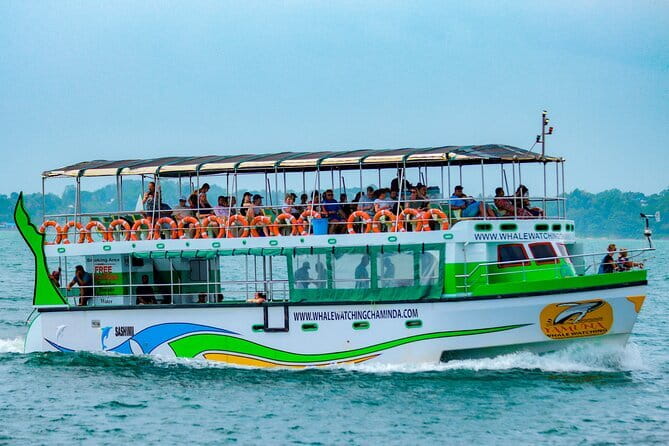
- the type of boats/yachts used for watching
If you’ve never done this before, it’s easy to assume all boat trips are the same. They’re not. Knowing how operators run trips helps you read the situation when you’re out there.
Best Methods for Live Watching (So You Don’t Miss the Moment)
The session includes the best method for live watching whales and dolphins. That’s the kind of advice that can be the difference between seeing a fin once versus watching behavior clearly.
It’s also why this programme can be valuable even if you planned to skip the boat and just learn. You’ll still leave with a better skill set for spotting marine mammals.
Open Discussion: Q&A and Swapping Experiences
The session is described as open discussion. That means you can ask questions and trade your own ideas and concerns.
If you’re the kind of traveler who hates rigid tours with no room for questions, you’ll probably appreciate this format. It’s also family-friendly since kids often need direct answers rather than a long stream of facts.
Matara’s Location: How It Fits With Mirissa and Polhena
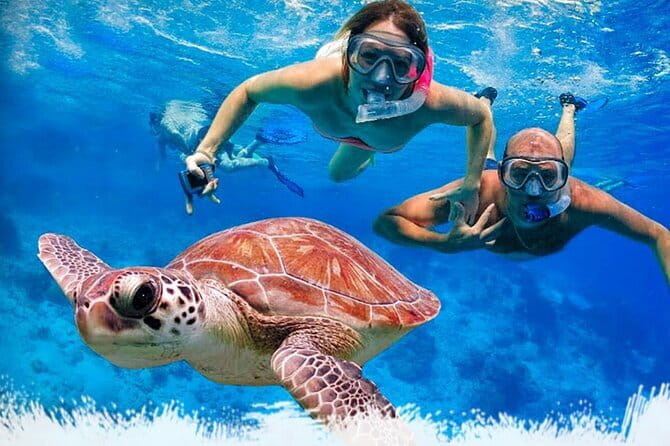
Great Whales is located in Matara, and the timing works well if you’re already basing yourself in the Mirissa area.
From Matara, it’s described as:
- about 30 minutes to one of the most famous dolphin and whale watching points at Mirissa (and Mirissa Beach)
- about 15 minutes from Polhena Beach
Why this matters: you can structure your day so the education session supports your live-watching plan rather than competing with it. For example, you can use the programme to learn what to ask about later, then decide whether you still want to go out on the water.
Also, the meeting point is clearly set: No: 12 Paramulla Rd, Matara 81000. The activity ends back at the meeting point, so you’re not left guessing where you’ll land after the session.
Price and Value: Why $25 Makes Sense Here
The price is $25.00 per person for about one hour, with a mobile ticket.
What you get is key. The included items are:
- all fees and taxes
- tea/coffee
- snacks
- bottled water
So you’re not just paying for someone to talk at you. You’re also getting small comfort basics, plus a structured, guided discussion designed for both adults and children.
Now for the fair comparison: a boat outing can feel like the main event, and it’s tempting to think education is a backup plan. But with marine mammal watching, results can be inconsistent day to day. When sightings don’t happen as hoped, the education session becomes more than a warm-up. It becomes the activity you can still feel good about.
That also makes it a good value day when you’re traveling with mixed ages. Seniors and kids may enjoy the calm structure more than a long ride on open water.
What’s Included vs. What You Still Need to Plan
This is where you should be practical.
Included: the session itself (education), refreshments (tea/coffee, snacks), and bottled water.
Not included: air-conditioned vehicle. So if you’re planning to get to Matara from elsewhere, you’ll want to account for the local transport situation rather than counting on A/C comfort.
Good news: the meeting point is noted as near public transportation. Service animals are allowed too.
Also, it’s a private tour/activity. Only your group participates. That can be a big deal if you’re traveling with family and want less distraction during questions.
How to Book and When You Should Go
You’ll get confirmation at the time of booking. Typical booking timing is around 25 days in advance, so if you’re traveling during a busy season, don’t wait until the last minute.
The opening hours run from 7:00 AM to 7:00 PM, Monday through Sunday, so you can fit the session into many vacation schedules.
Because it’s education, not a boat guarantee, you can pick a time that matches your energy level. Early morning might be great if you plan another activity later, while midday or afternoon can work well as a calm anchor on a travel day.
Practical Tips Before You Show Up
Here’s how to get the most out of the hour.
First, go in with a question or two. Things like:
- What species might we realistically hear about in these areas?
- If sightings are limited, what should we do differently next time?
- What should we watch for when we’re on a boat?
Second, treat the programme as preparation, not a replacement. If you’re hoping for live viewing in Mirissa afterward, this session will make you more confident about what you’re looking for.
Third, plan your day so you’re not rushed. The session is one hour, but you’ll likely want time to settle in, grab tea/coffee and snacks, and then ask questions while they’re fresh.
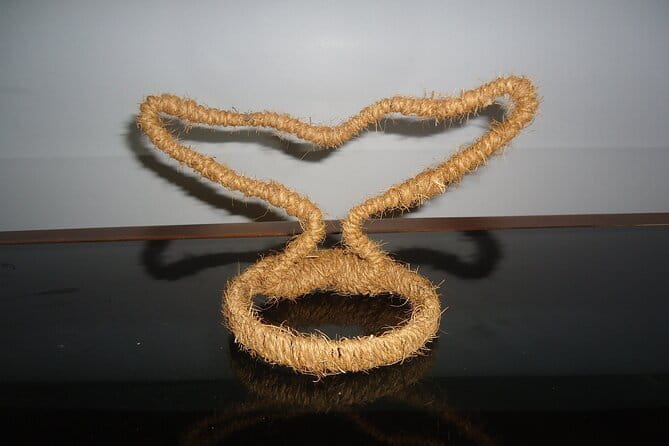
Finally, if souvenirs matter to you, keep an eye out. The experience notes that you can buy locally designed and made whale and dolphin souvenirs.
Should You Book Great Whales? Who This Fits Best
I think this is a strong choice if:
- you’re traveling with children and want an engaging, question-friendly activity
- you’re a first-timer who wants the names, places, and “what to expect” before a boat outing
- you care about marine life and want context beyond a quick splash-and-sighting
- your group includes different ages (adults, youth, and seniors) and you want something that doesn’t depend entirely on sea conditions
You might pass if:
- you’re only interested in being on a boat and need live sightings as the whole point
- you’re short on time and can’t spare one hour for education
For most people in the Mirissa/Matara region, this is the kind of stop that turns an uncertain day into a meaningful one.
FAQ
FAQ
How long is the Great Whales education programme?
It runs for about 1 hour (approx.).
Where does the programme start?
The meeting point is No: 12 Paramulla Rd, Matara 81000, Sri Lanka.
Do I need an air-conditioned vehicle for this activity?
No. An air-conditioned vehicle is listed as not included, so transport is up to you.
Is there tea, coffee, and snacks?
Yes. Coffee and/or tea, snacks, and bottled water are included.
Is this programme private?
Yes. It’s private, meaning only your group participates.
Is it suitable for children and seniors?
Yes. The programme is described as good for families, including children, young adults, and seniors.
Will I see dolphins or whales for sure?
This is an education programme. The information provided helps you understand whale and dolphin watching, but the data you provided does not promise guaranteed live sightings.
What topics are covered during the session?
The session includes whale and dolphin watching history in Sri Lanka, main watching points, why whales and dolphins are in Sri Lankan waters, common species, current sightings, trip duration and weather conditions, boat/yacht types, and the best way to watch live.
Can I buy souvenirs during the experience?
Yes. You can buy locally designed and made whale and dolphin souvenirs.
What is the cancellation policy?
Free cancellation is available. You can cancel up to 24 hours in advance for a full refund. If you cancel less than 24 hours before the start time, the amount paid is not refunded.