REVIEW · ANURADHAPURA
From Anuradhapura: Wilpattu National Park Half-Day Safari
Book on GetYourGuide →Operated by Minneriya Safari Tours · Bookable on GetYourGuide
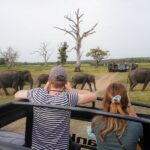
Open-top safari time turns paperwork into sightings. From Anuradhapura, this half-day trip gives you an open-top jeep ride into Wilpattu National Park, with a big focus on the park’s villus (natural lakes), where animals come to drink and move around.
Two things I especially like: you get help reading animal behavior from your guide, and you’re not stuck in a bus all day thanks to the park driving plan that mixes dense jungle with open grass areas. One consideration: the experience depends a lot on the guide and the timing you end up running, so it’s worth confirming basics like water and your start time.
In This Review
- Key highlights worth planning for
- From Anuradhapura to Wilpattu: the drive and the setup that matters
- Open-top jeep safari: how Wilpattu’s villus, jungle, and grassland shape your game plan
- Wildlife you can hope for: leopards, elephants, sloth bears, water buffalo
- The guide’s role: reading behavior, birds, reptiles, and park ecology
- What those photography stops really help you do
- Timing, comfort, and the small extras like water
- Price and value: is $95 per person a fair deal?
- Who this half-day safari suits best (and who should skip it)
- Should you book this Wilpattu safari from Anuradhapura?
- FAQ
- Where does pickup and drop-off happen?
- How long is the safari experience?
- What’s included in the price?
- Is the park entrance fee included?
- Are meals included?
- What animals might I see?
- What language is the guide?
- What should I bring for the safari?
- Are there any rules about touching animals?
- Is this tour suitable for wheelchair users or people with back problems?
Key highlights worth planning for
- Villus lakes as a wildlife magnet: those natural lake areas are central to where you’ll scan for movement.
- Open-top jeep wildlife viewing: easier spotting and better photo angles than you’d get from a closed vehicle.
- Guide-led ecology talk: you’ll hear practical info about animals and you’ll likely learn about birds and reptiles too.
- Photo-friendly pauses: the ride includes stops so you can capture what you’re seeing without rushing.
- Flexible private-group feel: the trip runs as a private group, which usually means less waiting around for others.
- Comfortable hotel pickup and drop-off in Anuradhapura: the day starts and ends with less hassle.
From Anuradhapura to Wilpattu: the drive and the setup that matters
This safari is built around a clean day flow: you start with hotel pickup in Anuradhapura, then transfer to Wilpattu National Park, and return to your hotel when the half-day wraps. That matters because wildlife time is where the value is, and you don’t want to burn hours doing messy logistics.
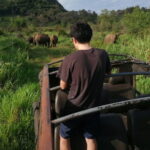
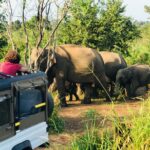
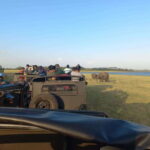
You’ll meet your safari guide after the drive. From there, you’re in a rugged, open-top safari jeep designed for wildlife viewing. Translation: you’ll be able to keep your eyes moving across the ground cover and tree lines rather than watching through a sealed window.
One more practical point: the park entrance fee is not included. So even if the safari price is $95 per person, you should budget for that extra charge at the gate.
You can also read our reviews of more tours and experiences in Anuradhapura
Open-top jeep safari: how Wilpattu’s villus, jungle, and grassland shape your game plan
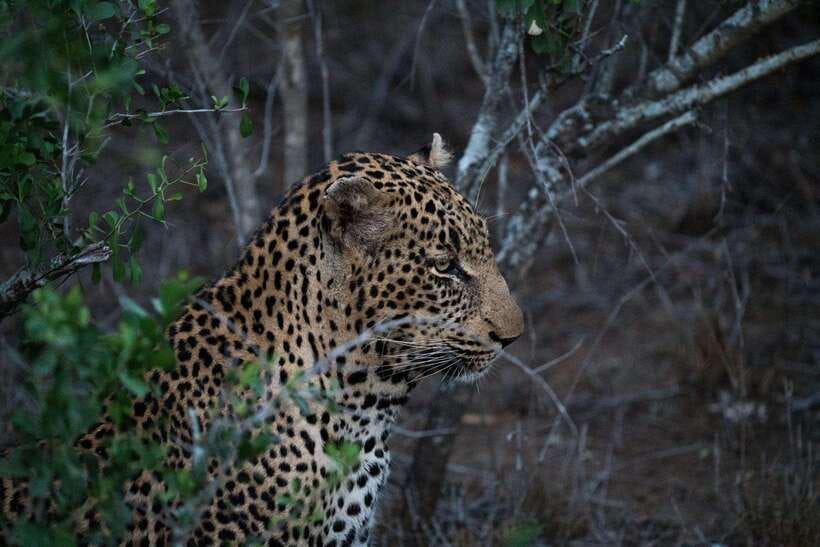
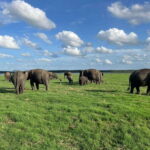
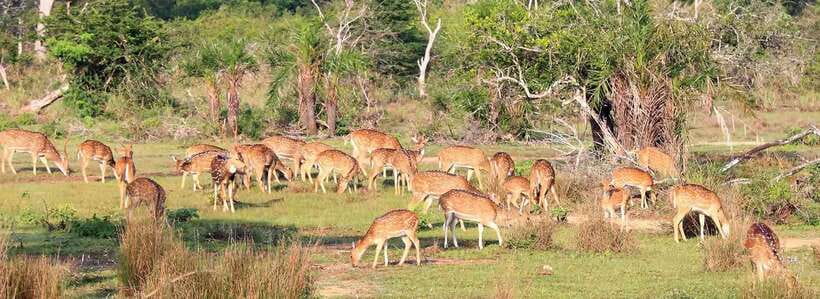
Wilpattu is known for mixing habitat types, and this tour’s route uses that. You’ll spend time going through dense jungle areas as well as more open grassland. That combo is useful because different animals tend to travel or feed in different cover.
The big storyline is the villus—those natural lakes. When you’re scanning wildlife, water sources are a shortcut. If animals are active, they often show up near water, especially during the times of day when animals are moving to drink or stay cool.
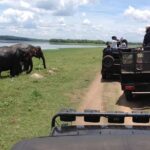
The open-top jeep also changes the viewing experience in a tangible way. You get a better view of branches and ground edges, and it’s usually easier to photograph quickly when an animal appears at a distance. You also get frequent chances for small photo stops, so you can frame shots without feeling like you’ll miss the moment entirely.
Wildlife you can hope for: leopards, elephants, sloth bears, water buffalo
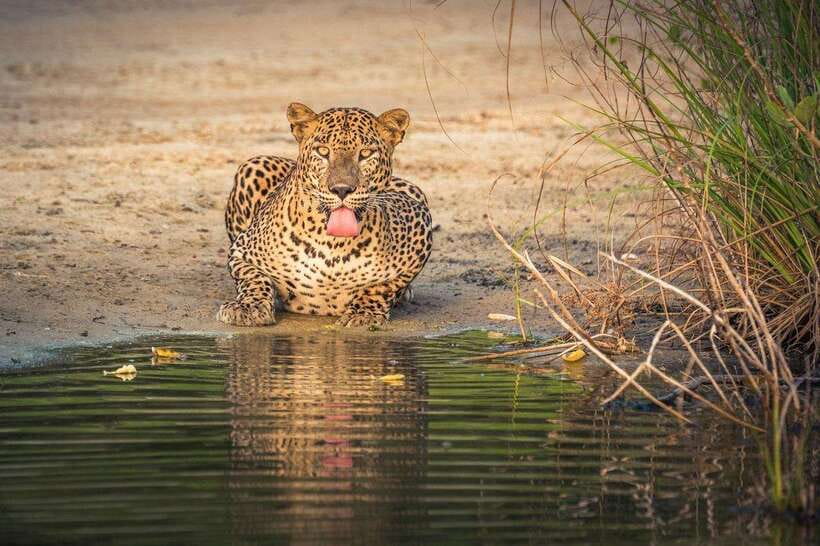
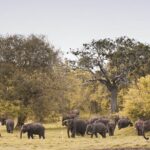
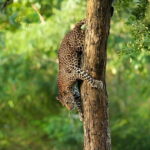
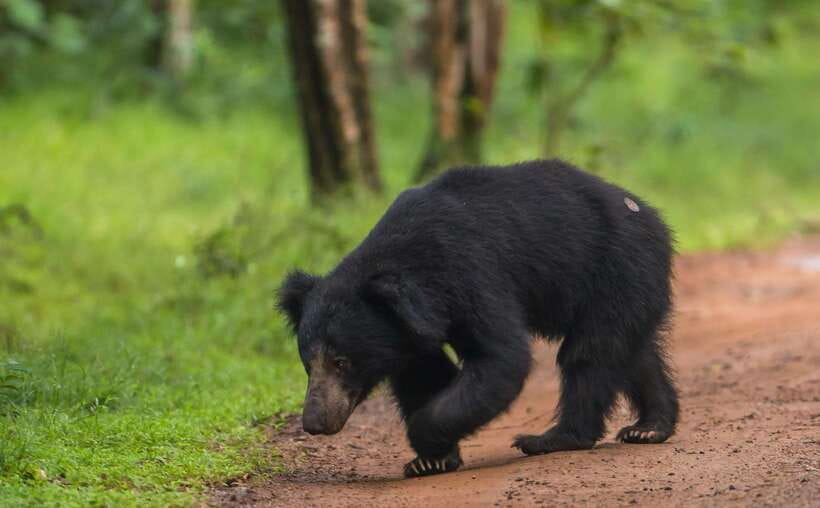
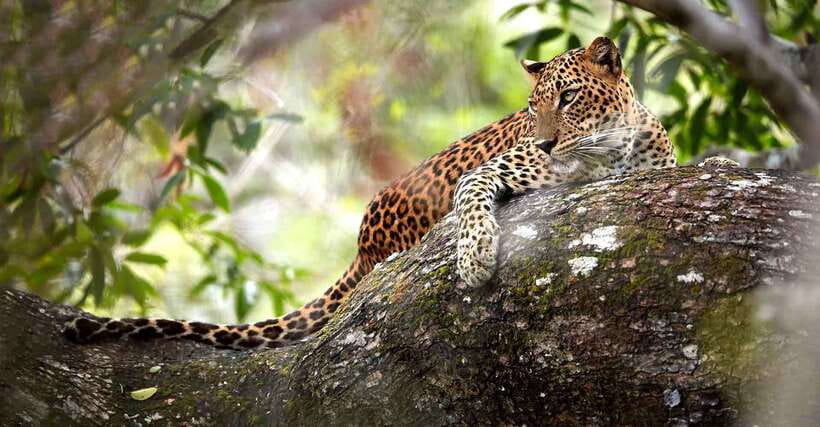
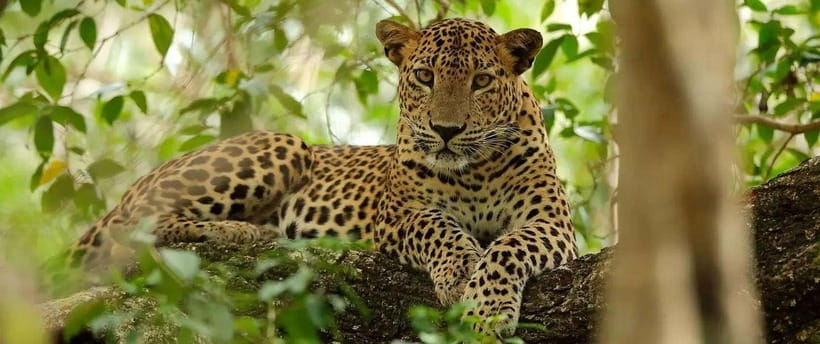
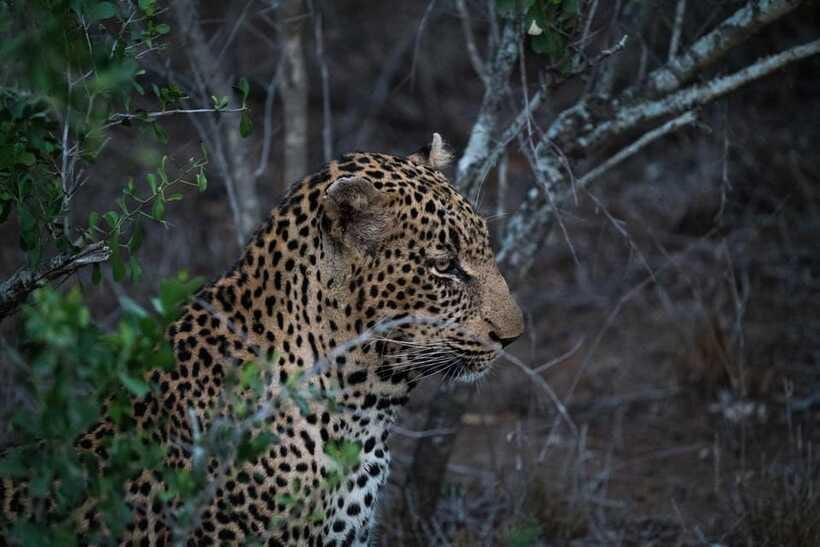
Let’s be honest: seeing specific animals is never guaranteed. What this tour gives you is a focused attempt—your route is oriented toward areas where sightings of leopards, elephants, sloth bears, and water buffalo have been known to happen.
Here’s how to set your expectations so the day stays fun even if sightings are slower than you hoped:
- Leopards often mean long patience and scanning. The open areas and forest edges matter, and movement can be subtle.
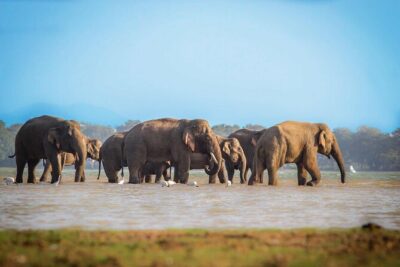
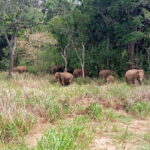
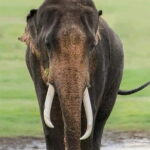
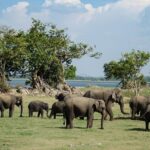
- Elephants are usually easiest to spot once you’re in the right habitat, but you might still need to wait for them to show up.
- Sloth bears can be tougher to read from far away. This is where your guide’s animal knowledge becomes more valuable than your own guessing.
- Water buffalo can be a bit more straightforward once you’re near water or in areas animals use for feeding and resting.
The most enjoyable safari mindset is to watch behavior, not just bodies. Look for signs like tracks, animal calls, and sudden changes in how other animals or birds are acting—those are clues that can help you understand what’s happening even when you can’t instantly identify the animal.
The guide’s role: reading behavior, birds, reptiles, and park ecology
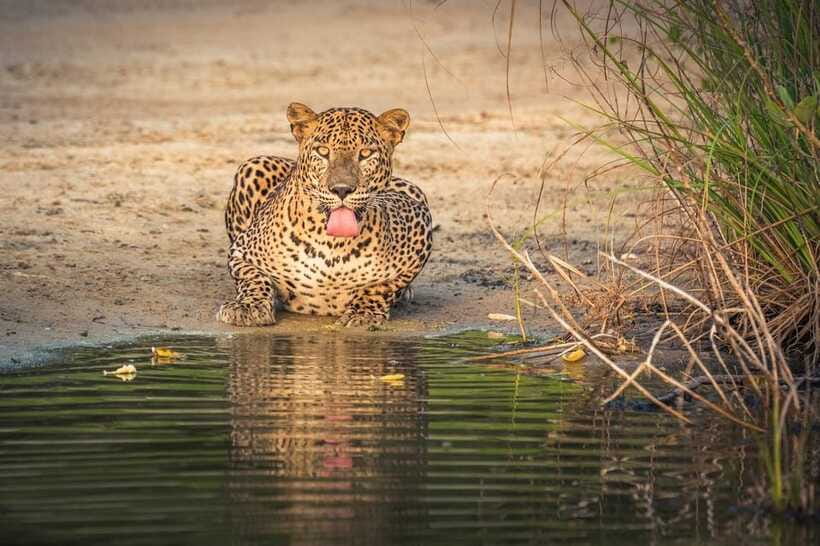
This trip includes an expert safari guide, and a key part of the value is not only spotting animals but understanding what you’re seeing. You’re meant to learn about the park’s ecology and the behaviors of animals, and your guide can help identify bird species and reptiles you might otherwise overlook.
That explanation can turn a plain sighting into something you remember. A quick note about why an animal is in that spot—or why it’s moving now—often helps you predict where the next look might come from. On safaris like this, that’s the difference between watching and learning.
Now, here’s the one caution I’d treat seriously: English is listed as the language for the live guide. Still, the quality of communication can vary in the real world. If park ecology talk and animal identification are a big reason you’re booking, it’s smart to ask what to expect about English support before you go, and come with the mindset that you’ll get the most out of the guide if you can clearly communicate your questions.
What those photography stops really help you do
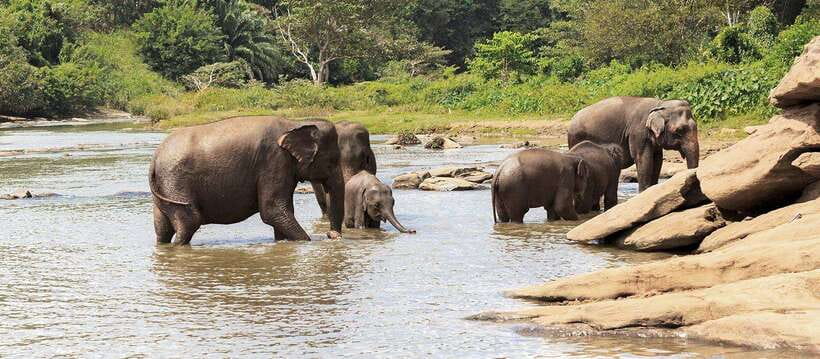
You’ll have occasional stops during the safari for photography and to admire the surroundings. That sounds simple, but on wildlife drives it’s actually a big deal.
When you’re in an open-top jeep, you’ll be rotating your attention constantly—eyes left, then right, then scanning the ground. Those photo pauses make it easier to do three things:
1) get a stable shot,
2) check your settings without feeling rushed,
3) look at the same scene long enough to notice details you’d miss while bouncing.
Bring a camera you’re comfortable with, and plan for the fact that wildlife sightings can be brief. If you’re the type who waits until you have the perfect composition, you’ll want to loosen up and aim for the shot that tells the story—even if it’s not perfectly framed.
You can also read our reviews of more tours and experiences in Anuradhapura
Timing, comfort, and the small extras like water
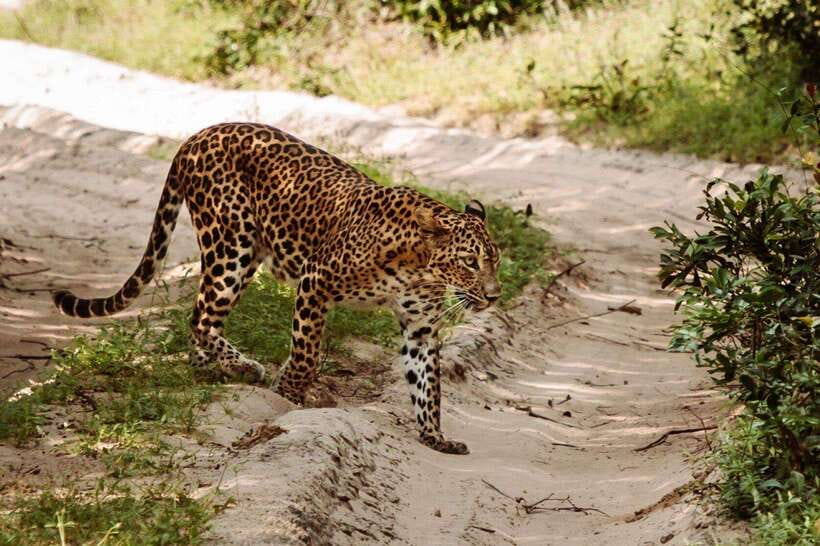
On paper, this is a 7-hour experience with hotel pickup and drop-off in Anuradhapura. The plan is a scenic drive out, time inside the park for viewing, then a return drive back to your hotel.
But there’s a real-world variable you should respect: safari timing can shift based on what you’re spotting and how the day runs. One common disappointment reported in similar situations is when the actual time feels shorter than expected.
Water is included as a bottle of water, and that’s exactly the kind of small comfort that makes a long jeep ride feel manageable—especially under Sri Lanka sun. If you’re sensitive to heat or you’ve got a long drive day ahead, don’t assume water will be enough. Bring your own small backup if you can.
Also, the day can involve some walking on the periphery of stops, so comfortable clothes and shoes matter. The tour asks you to bring a hat, sunscreen, and insect repellent for a reason: you’ll be exposed for long stretches.
Price and value: is $95 per person a fair deal?
At $95 per person, you’re paying for more than a ride. You’re paying for:
- hotel pickup and drop-off in Anuradhapura,
- an open-top jeep safari experience,
- a guide to help with wildlife viewing and interpretation,
- wildlife viewing time, photography stops, and bottle water.
Where value can swing is what happens on top of that base price.
Key add-ons you should budget for:
- Park entrance fee is not included
- Meals and drinks are not included
- Personal expenses are on you
If you get good sightings and your guide is strong in communication, this price can feel very reasonable for a focused wildlife half-day. But if sightings are quiet, you’ll rely even more on the guide’s ecology explanations to make the time worthwhile. And if timing runs shorter than you were told, you’ll feel that cost difference faster.
My practical advice: treat this as a “wildlife viewing attempt with expert help,” not as a guaranteed leopard-or-elephant day. If you want certainty, no safari in Sri Lanka offers it.
Who this half-day safari suits best (and who should skip it)
This tour is a good fit if you want:
- a half-day commitment (so you can still enjoy Anuradhapura afterward),
- an open-top jeep experience designed for wildlife viewing,
- a guide who helps you interpret what you see—birds, reptiles, and ecology.
It’s not suitable for pregnant women, people with back problems, or wheelchair users. The open-top jeep and the movement involved make those constraints understandable.
If you’re traveling with kids, the tour could work if they handle sun and outdoor time well, but the restriction list suggests you should think carefully about comfort for anyone with mobility issues.
Should you book this Wilpattu safari from Anuradhapura?
I’d book it if you’re excited by the search itself—scanning villus areas, watching how animals move through jungle and open land, and using your guide to turn sightings into understanding. This kind of trip is at its best when you can enjoy the process, not just the final checklist of big animals.
I’d hesitate if you need guaranteed sightings of specific animals or if strong guide communication is non-negotiable for your enjoyment. Also, plan for the fact that the park entrance fee and meals aren’t included, and you may want to bring extra water or snacks to avoid a “small comfort” letdown.
If you do book, send a quick message ahead of time asking the provider (Minneriya Safari Tours) to confirm your pickup/start time and what’s included for water. Then pack smart: hat, sunscreen, insect repellent, camera, and comfortable shoes. You’ll be in the best position to have a day that feels genuinely worth it—no matter what animals decide to appear.
FAQ
Where does pickup and drop-off happen?
Pickup and drop-off are free at hotels in Anuradhapura.
How long is the safari experience?
The duration listed is 7 hours.
What’s included in the price?
Included are hotel pickup and drop-off in Anuradhapura, an expert safari guide, an open-top safari jeep ride, wildlife viewing, photography stops, and bottle water.
Is the park entrance fee included?
No. The park entrance fee is not included.
Are meals included?
No. Meals and drinks are not included.
What animals might I see?
The tour highlights sightings of leopards, elephants, sloth bears, and water buffalo.
What language is the guide?
The live tour guide is listed as English.
What should I bring for the safari?
Bring a hat, camera, sunscreen, comfortable clothes, and insect repellent.
Are there any rules about touching animals?
Yes. Touching animals is not allowed.
Is this tour suitable for wheelchair users or people with back problems?
No. It’s not suitable for wheelchair users, pregnant women, or people with back problems.