REVIEW · GALLE
Galle Unawatuna Cooking Class
Book on Viator →Operated by Galle Unawatuna Traditional Cooking Class · Bookable on Viator
Curries start with a kitchen story. This Galle Unawatuna cooking class is a small-group food lesson in the old way, guided in the host’s home kitchen by Madhu. I loved the hands-on cooking (you’re not stuck watching) and the fact you get lunch and dinner, so you actually taste what you made. One possible drawback: it runs about 3 hours 30 minutes, and it’s held in a private home, so it’s not ideal if you want a very formal, big-venue experience.
The class is designed around Sri Lankan healthy curries, with multiple dishes planned and strong emphasis on ingredients, spices, and practical technique. With a max group size of 10, it stays personal enough that you can ask questions while you cook.
If you want a real flavor crash-course for Sri Lanka, this is a straightforward way to do it without guessing your way through restaurants.
In This Review
- Key things you’ll notice
- Galle Unawatuna cooking class: a home-kitchen lesson, not a show
- Price check: you’re paying for lunch, dinner, and instruction time
- Getting there: pickup and a realistic time commitment
- Market stop: how spices and produce become your cooking vocabulary
- Old traditional Sri Lankan cooking: where technique matters
- The dish lineup: six curries, plus rice and sweets
- The seafood curry factor: why it’s a smart inclusion
- Lunch and dinner: you eat what you cook
- Group size, pace, and comfort in a real home setting
- Who should book this class
- Should you book the Galle Unawatuna Cooking Class?
- FAQ
- How long is the Galle Unawatuna cooking class?
- What meals are included?
- Is pickup offered?
- Is there a limit on group size?
- What will I learn to cook?
- Is free cancellation available?
Key things you’ll notice
- A small group capped at 10 means more time with the cook and fewer people blocking the spice station
- Market-to-kitchen flow sets you up with ingredients you can name and use later
- Old traditional cooking style focuses on process, not shortcuts
- Lunch and dinner included so the class turns into an actual meal plan
- Six curries planned, including seafood which is rarer than you might expect in typical cooking demos
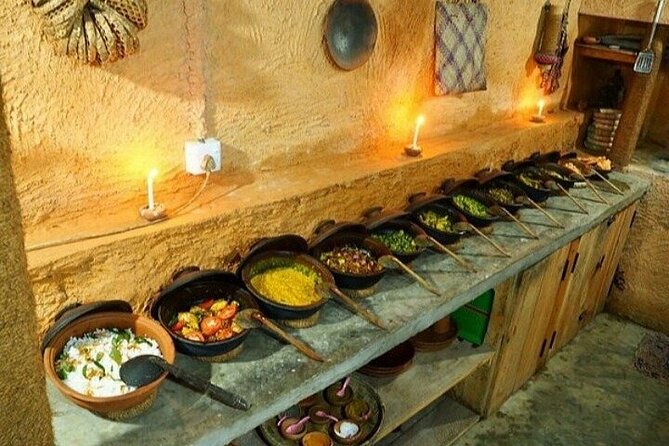
- A family home setting that feels local and relaxed rather than staged
Galle Unawatuna cooking class: a home-kitchen lesson, not a show
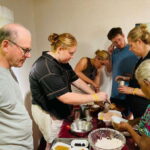
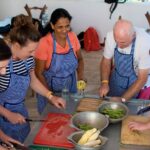
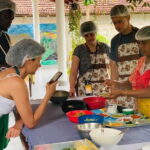
This class feels like you’re being invited into a real Sri Lankan kitchen day, with cooking that matches what people actually eat at home. You’ll be working with local chefs, and the vibe stays practical: ingredients, heat control, spice balance, and how curry changes depending on what you’re cooking.
A big reason I like this format for Galle and Unawatuna is that it connects two things tourists often miss. First, you taste Sri Lanka beyond the usual rice-and-curry order in restaurants. Second, you learn how cooks think, so later you can recognize what makes one curry feel different from another.
You’ll likely meet your guide figure as Madhu (you may see the name spelled Madha in some descriptions). Either way, the teaching style comes through in the reviews as friendly, organized, and clear.
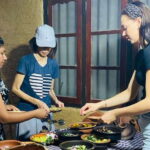
The class is also intentionally small. With a max of 10 people, you don’t spend the whole time inching around for a photo. You get to cook.
You can also read our reviews of more cooking classes in Galle
Price check: you’re paying for lunch, dinner, and instruction time
At about $30 for roughly 3 hours 30 minutes, this is a bargain if you treat it like a food experience, not like a quick activity. You get both lunch and dinner included. That matters because meals in Sri Lanka are usually good value already, and this class effectively gives you two meals plus the cooking lesson attached.
Also, the dish plan isn’t limited to one curry. You’re set up for multiple curries and sweets, and you’ll have a chance to learn how they’re put together. In other words, you’re paying for time with the kitchen process, not just a plated tasting.
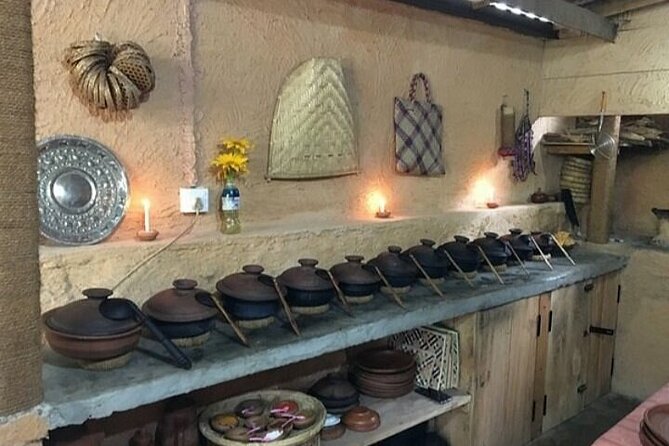
One more value factor: the kitchen setup is traditional and local. Multiple reviews mention how beautiful and authentic the kitchen feels, and how the experience runs smoothly from prep to cooking to eating. That’s the kind of consistency you want at this price.
Getting there: pickup and a realistic time commitment
Pickup is offered, which is helpful in Galle/Unawatuna where you don’t want to waste time figuring out last-mile directions. Plan for a 3.5-hour block. That’s long enough to cook several dishes and sit down for lunch and dinner, but not so long that it eats your entire day.
The class is near public transportation, so if you end up arranging your own way, it’s not stranded. Just remember it’s in a private home, so you should expect a casual, residential setting rather than a restaurant kitchen with big industrial equipment.
If you’re the type who hates waiting, you’ll probably still be fine. The reviews repeatedly point to good organization and a clear flow.
Market stop: how spices and produce become your cooking vocabulary
A standout part of this experience is that the day can start with a move through a market area. In at least one account, you’re picked up from your hotel, then taken to a market where you’re shown different fruits, vegetables, and spices before cooking starts.
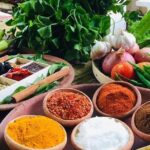
This is more than sightseeing. It’s how you build confidence. When someone later tells you to use a particular ingredient, you’ll know what it looks like and what role it plays. You also get a feel for which items are core to curry bases and which are used for finishing flavor or balancing sweetness and heat.
What I’d do before you go: come hungry, and go with a flexible attitude. Markets move quickly, and you won’t get a textbook lecture on every spice. But you will get enough to connect ingredients to the dishes you’ll cook later.
Old traditional Sri Lankan cooking: where technique matters
Back at the home kitchen, the class focuses on Sri Lankan healthy curries using an older, traditional method. That emphasis matters because many curry problems for home cooks come from technique rather than from spice variety.
You’ll be working with ingredients and learning how cooking changes in real time: when spices toast, how sauces thicken, and how curries balance richness with acidity and heat. You’re also learning with guidance, so you can ask questions while you’re mid-recipe rather than hoping you remember later.
Multiple reviews mention the class runs from preparation to cooking to eating in a traditional way. You can feel the difference between a demo and a lesson. The group isn’t just watching the chef move; you’re learning why the steps come in order.
Also, being in a private home means you get a more intimate feel. One review specifically notes the class took place at the chef’s home, where participants met family members. That adds comfort and context, especially if you’re curious about what daily cooking looks like.
You can also read our reviews of more tours and experiences in Galle




The dish lineup: six curries, plus rice and sweets
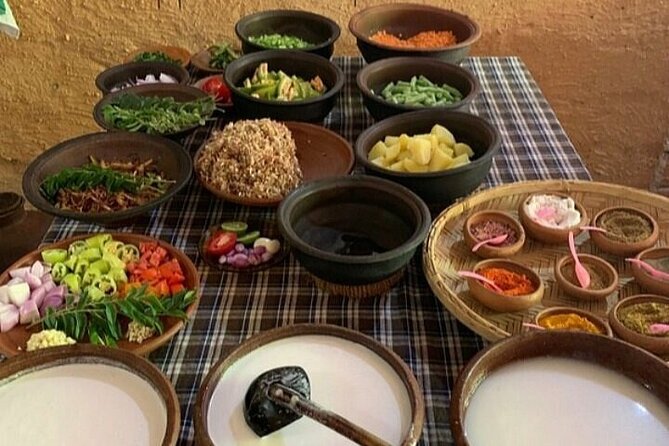
The core plan is six different curries, including one seafood dish. Alongside that, you’ll learn about additional Sri Lankan favorites such as spicy sweets, rice, and curry with vegetables, fish, and meat.
That sounds like a lot for one afternoon, and it is. One account mentions ending up with 13 dishes, which suggests the class may expand beyond the headline number of curries depending on how the cooking schedule works that day. Either way, expect more than you can cook on your own at home in a single evening.
Here’s what this dish mix does for you as a traveler. Instead of learning one “signature curry,” you learn a range:
- vegetable curry structure, so you understand how curry base and texture behave
- fish and seafood approach, so you see how timing and seasoning need adjustment
- meat curry logic, which often means a richer and slower-building sauce
- sweets and rice elements, so your meal feels like a full Sri Lankan plate instead of curry alone
If you like food that changes in layers, you’ll appreciate it. Sri Lankan meals often aren’t just spicy; they’re balanced. That’s the goal of a good curry lesson.
The seafood curry factor: why it’s a smart inclusion
Many cooking classes skip seafood or treat it as a small garnish. This one includes a seafood dish in the planned curries, so you get a more complete Sri Lankan cooking picture.
The practical benefit for you: when you eat seafood later in Sri Lanka, you’ll recognize the differences between a curry made for fish and one made for other proteins. You’ll also have a better idea of why certain seasoning choices show up in seaside cooking.
And from a value standpoint, adding seafood to the curriculum makes the $30 feel more reasonable. It’s additional skill you’re being taught, not just an extra taste sample.
Lunch and dinner: you eat what you cook
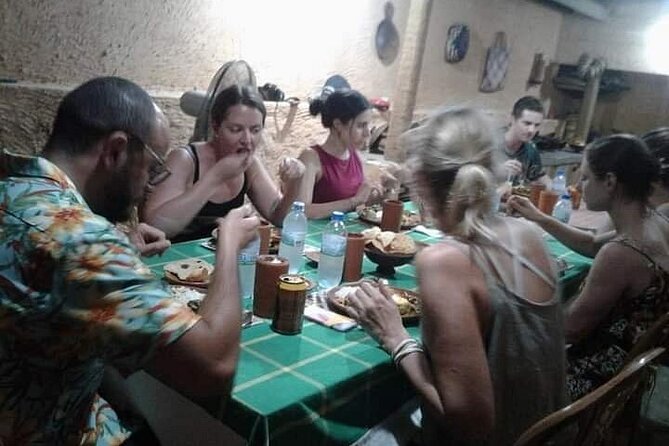
Lunch and dinner are included, which is a big deal. It turns the class into a true meal plan. Instead of leaving after cooking and hoping you’ll find a good dinner, you’re fed as part of the experience.
This also helps learning. You cook a dish, then you taste it later the same day while the flavor process is still fresh in your head. That’s how you start understanding what “good” looks like: thickness, aroma, spice level, and how the curry works with rice.
One review calls it the best food they had in Sri Lanka, and another says there was sooo much food. Take those as enthusiastic reactions, but the underlying point is real: the class aims to produce enough dishes that you can eat comfortably.
If you’re watching your spice tolerance, you can likely manage how much you add to your own plate during tasting, since you’re right there cooking. The class is about teaching, but it’s also about eating.
Group size, pace, and comfort in a real home setting
With a maximum of 10 people, the pace stays manageable. That size usually works well for hands-on cooking because you’re not stuck waiting for a turn every time you touch a pan.
Comfort-wise, remember this is a private home kitchen. That can be an advantage for authenticity, but it’s also a practical consideration. If you’re expecting a glossy, commercial setup, you may find the environment more personal and residential.
The upside is that you get that family-kitchen context many travelers want but rarely get. You’re not just learning curry; you’re seeing how a Sri Lankan household hosts food-centered visitors.
Who should book this class
I think this cooking class is a strong match if you:
- want a practical way to learn Sri Lankan flavors for your next days of eating
- like hands-on cooking more than passive demonstrations
- enjoy curries, rice, and sweets and want the balance explained through action
- prefer small groups and a home-kitchen feel over a big, impersonal venue
You might skip it if:
- you want a short activity that doesn’t take most of your afternoon or evening
- you dislike home-kitchen environments and prefer large institutional settings
Should you book the Galle Unawatuna Cooking Class?
If you’re deciding between another meal out and a hands-on class, I’d lean toward booking this. The value is clear: $30 buys you instruction plus lunch and dinner, and you get exposure to multiple curries, including a seafood dish, along with rice and sweets.
The big deciding factor for me is the teaching approach. Reviews highlight that the experience is organized, traditional, and friendly, with Madhu guiding the process. That combination matters because curry cooking is detail work. You’ll get better results at home if someone shows you the steps clearly.
My final tip: go with an open mind and a notebook or notes app ready. After you taste and cook, write down the ingredients you remember and the order you cooked them in. Even if you don’t recreate everything at home, you’ll carry the flavor logic with you through the rest of your Sri Lanka trip.
FAQ
How long is the Galle Unawatuna cooking class?
It lasts about 3 hours 30 minutes.
What meals are included?
Lunch and dinner are included. Breakfast is not included.
Is pickup offered?
Yes, pickup is offered.
Is there a limit on group size?
Yes. The tour has a maximum of 10 travelers.
What will I learn to cook?
You’ll learn to make traditional Sri Lankan healthy curries and other foods such as rice, vegetables curry, fish and meat curry, and spicy sweets. The class includes six different curries, including one seafood dish.
Is free cancellation available?
Yes. You can cancel up to 24 hours in advance for a full refund. If you cancel less than 24 hours before the start time, no refund is given.