REVIEW · GALLE
Galle: Traditional Gems & Jewellery Workshop with Transfers
Book on GetYourGuide →Operated by chandralal jewelry works · Bookable on GetYourGuide
Silver turns into jewelry fast.
In a family workshop in Kotapola near Galle, you learn traditional old-school techniques and get your hands working through the steps, from heating metal to the final polish. I especially like how the session mixes craft with a real gemstone identification lesson, not just a quick demo. The other big plus is the small group feel, capped at 10 people, so the process stays personal.
My main reason to recommend it is the transparent pricing for the finished piece: they explain what affects cost before you commit to your design. One drawback to plan for: your workshop fee covers the lesson and starter materials, but if you want to keep the jewelry you make, you pay extra for the silver and gemstones. Also, the workshop can run longer than you expect, so don’t schedule a tight connection right after.
In This Review
- Key things that make this workshop worth your time
- What You’ll Do in This Galle Jewelry Workshop (More Than a Demo)
- Getting There: Tuk Tuk Pickup and a Calm Start in Kotapola
- Gemstone Time: Handling Moonstones, Garnets, and the Real-vs-Fake Lesson
- Choosing Your Piece: Design Options, Budget Talk, and No Surprises
- The Silver Steps: Melting, Gauging, Soldering, Hammering, Embedding
- Smoothing and Polishing: The Moment It Looks Finished
- Meals and Timing: What a 4-Hour Session Really Feels Like
- Price and Value: How the $13 Workshop Fee Fits With the Final Jewelry Cost
- Who Should Book This Workshop (And Who Might Skip It)
- Should You Book Chandralal Jewelry Works in Galle?
- FAQ
- FAQ
- How long is the jewelry-making workshop?
- What is included in the price?
- Do I get to keep the jewelry I make?
- Are there options for gemstones and designs?
- What kind of transportation is included?
- Is the class taught in English?
- Is it suitable for wheelchair users?
- Is there a group limit?
Key things that make this workshop worth your time
- Hands-on silver work: melting, gauging, soldering, hammering, embedding, smoothing, and polishing
- Gemstone ID practice: learn how to recognize real gemstones from artificial ones and handle many types
- Design guidance that fits your budget: you can say what you want to spend and they help steer you
- Small group limits (10 people): more attention as you work at your own pace
- Included meals and refreshments: snacks, tea/coffee, plus lunch or dinner with the family
- Starter stones provided: rough moonstones and garnets, with raw gemstones added at the end
What You’ll Do in This Galle Jewelry Workshop (More Than a Demo)
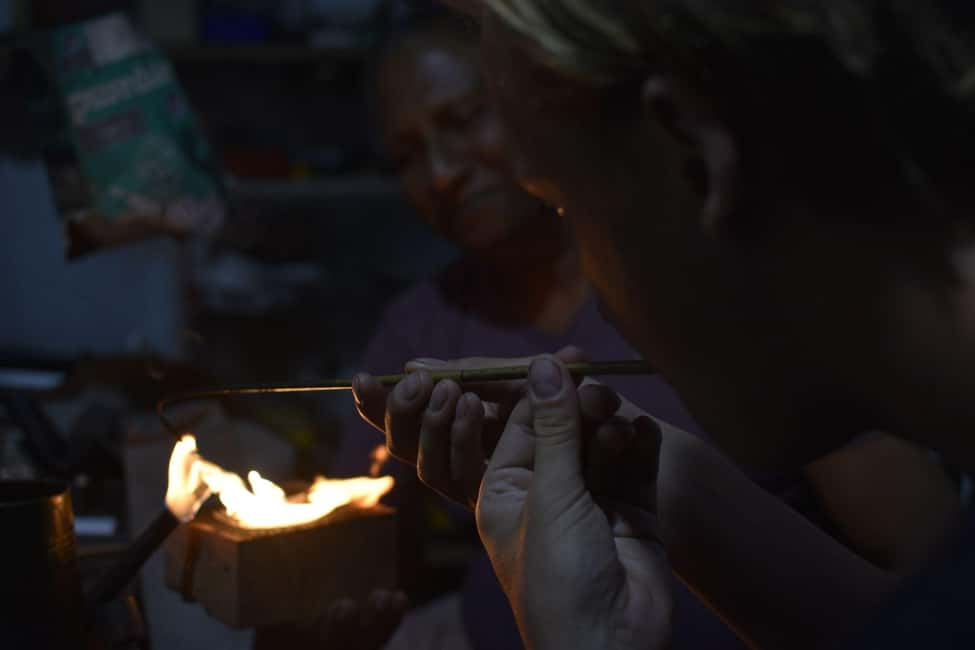
This is not a sit-and-watch class. You’ll be working with your hands through a sequence of steps that create a finished silver piece, usually a ring (and in some cases you may be choosing among designs like earrings or a pendant, depending on what’s being offered that day). The point is simple: you should leave knowing how the work is done, not just owning a souvenir.
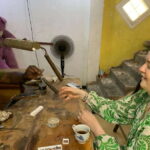
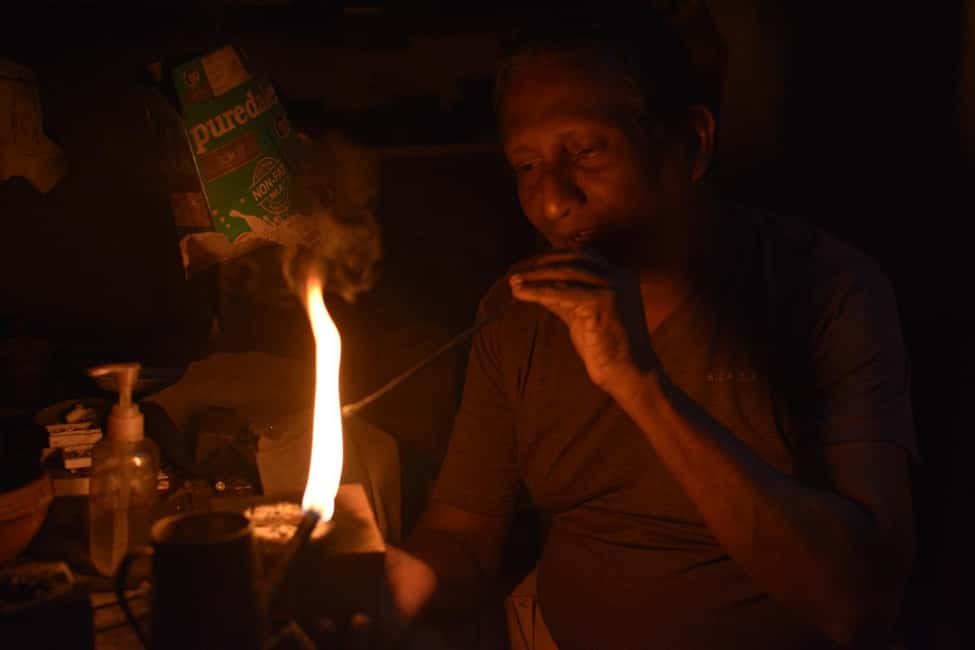
What makes it satisfying is the mix of skill and feedback. You try the techniques yourself while the host and artisans guide you on the tricky parts, like heating metal and getting proper fit and shape. Multiple guides are mentioned by name in customer notes—people like Chandralal, Hasara, Ashan, and Sarah—which fits the feel of a family-run workshop where someone is always near by to help.
The best way to approach it: treat the 4 hours as a craft session. You’re learning a process that takes time to master, so you’ll do a lot, but not every exact micro-step end-to-end by yourself.
You can also read our reviews of more tours and experiences in Galle

Getting There: Tuk Tuk Pickup and a Calm Start in Kotapola
The experience includes pickup and drop-off by tuk tuk within a 12 km radius inside Galle, Galle Fort, Unawatuna, and Boossa. In other words, you don’t have to fight tuk tuk logistics or figure out local lanes on your first day in the area.
Timing matters here. They may communicate details close to departure, and instructions note they only respond about 24 hours before the activity, so wait patiently if you’re coordinating from a hotel. If you’re outside the free pickup zone—or you’re unsure where you’ll be staying—you’ll want to update the pickup point to Galle Fort (or make alternate arrangements mentioned for nearby pick-up points).
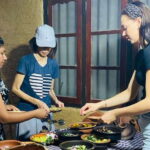
Once you arrive, the tone is friendly and home-style. Many notes mention tea, snacks, and a relaxed setting at the family property, which is exactly what you want from an activity like this: less “tourist factory,” more “come work with us for half a day.”
Gemstone Time: Handling Moonstones, Garnets, and the Real-vs-Fake Lesson
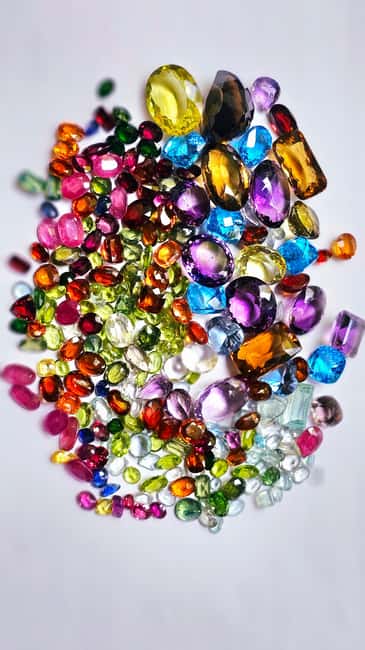
A major part of the value is what happens before you touch the metal. You get time to see and handle gemstones, including rough moonstones and garnets that are included with the workshop. You’ll also get practice with what to look for when separating real gemstones from artificial ones, which turns the experience into something more than a crafting class.
This is the kind of skill that travels well—pun intended. Even if you don’t buy, you’ll walk away with better instincts for what you’re seeing when you browse jewelry stalls later in Sri Lanka. And because you can touch the stones and examine them up close, the lesson has more weight than a slideshow ever could.
If you’re hoping for a specific stone, think ahead. Some customer notes mention selecting designs and then matching the gemstone, while others mention choices like amethyst and topaz among the options shown. You’ll have lots of possibilities to consider during the session, but it helps to decide whether you want something flashy, something subtle, or something tied to a personal meaning.
Choosing Your Piece: Design Options, Budget Talk, and No Surprises
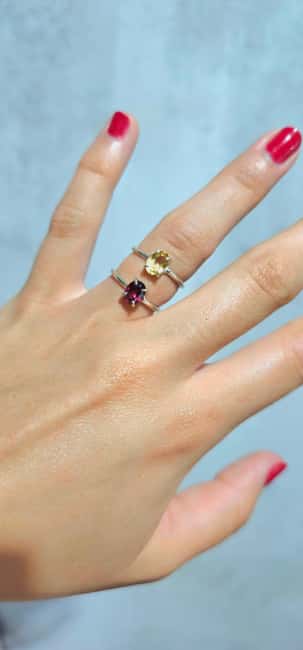
You don’t just show up and accept whatever is on the bench. The workshop time includes a design selection phase where you can choose the style you want and the gemstone you want to embed. That’s part of why people rate it so highly: you can make it feel personal.
The other reason this works for first-timers is how pricing is handled. Notes repeatedly point out that they go over costs clearly from the start and explain what drives price up or down—usually gemstone choice and how the final design is constructed. That matters because jewelry pricing can get confusing fast when you’re comparing different stones, different sizes, and different metal requirements.
A practical tip: set a rough budget before you arrive and be ready to adjust your design to fit it. If you tell them your target price range, the workshop can steer you toward options that still look special without blowing your plan.
And yes, one small but meaningful detail shows up in multiple accounts: they even give away raw gemstones at the end of the experience. It’s a nice bonus that makes the workshop feel generous, not transactional.
The Silver Steps: Melting, Gauging, Soldering, Hammering, Embedding
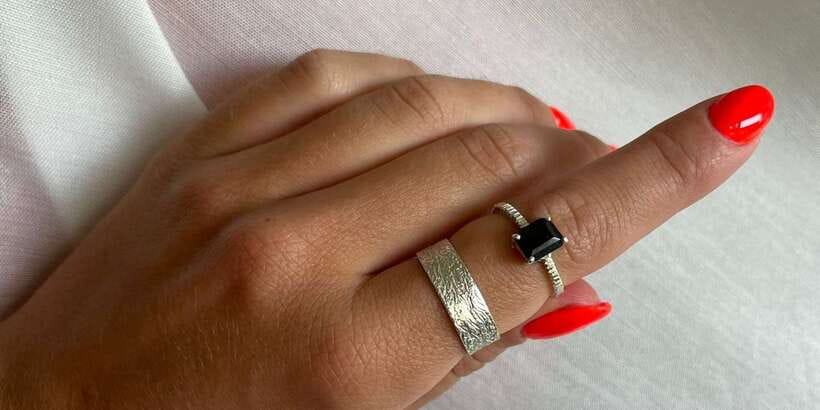
This is the core of the craft. Over the session, you’ll participate in a traditional sequence of techniques, and you’ll see the logic behind each step.
Here’s what you should expect in plain terms:
- Melting and preparing silver: You’ll work alongside the artisans during the metal-heating stage.
- Gauging and sizing: You learn how measurement and fit are handled so a ring actually sits right.
- Soldering and joining: This is where pieces become structurally sound.
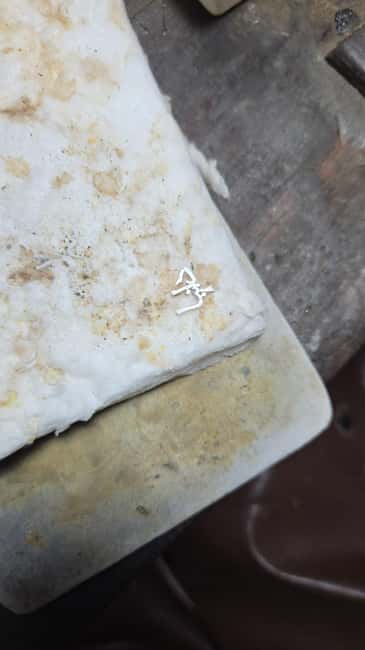
- Hammering and shaping: You’ll take part in forming texture and shape, not just holding tools.
- Embedding the gemstone: You’ll learn how stones are set into the design so they sit securely.
Polishing and smoothing are the final “make it look like jewelry” steps. Many notes mention getting to try multiple techniques yourself, and the staff does a point of guiding each stage so you’re not stuck doing one repetitive action.
One more helpful angle: the workshop is described as a working demonstration where they handle the difficult steps and you do considerable portions under guidance. That’s ideal for most visitors. You get real participation without the expectation that you can master metalwork to professional level in one afternoon.




Smoothing and Polishing: The Moment It Looks Finished
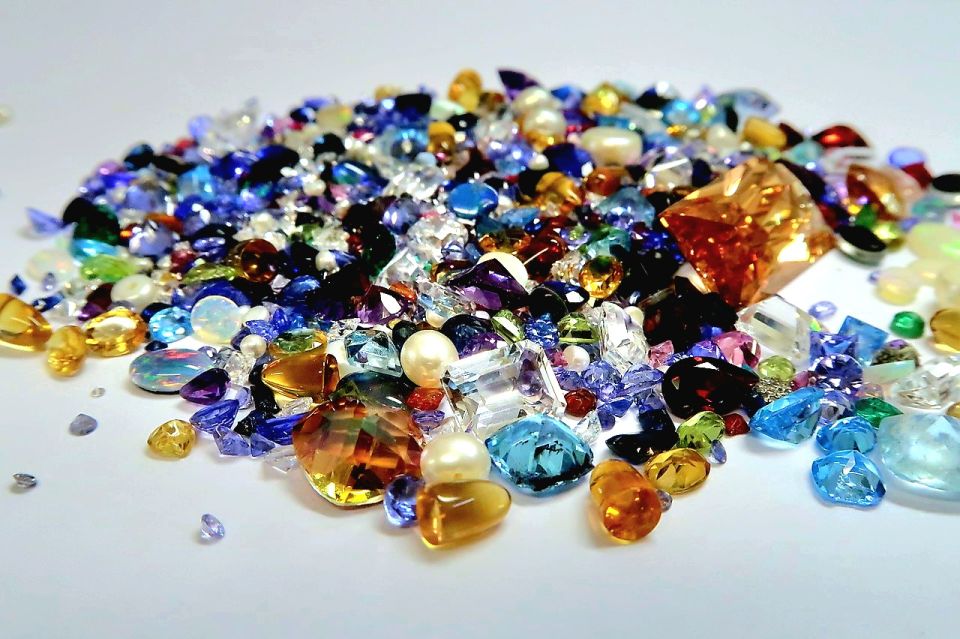
If you’ve ever seen a craft piece transform, you know it’s not the first step that makes you smile—it’s the last one. This workshop includes smoothing and polishing, which turns raw work into something you’d actually wear.
From a visitor perspective, polishing is where you can see progress fast. You can also understand why traditional jewelry makers care about finish quality. A ring that looks right at the start can still feel rough at the end. Polishing is what makes the piece comfortable and visually clean.
You also get a clear view of “quality checks” in process form. Even without being an engineer, you can spot when a band looks uneven or when a stone needs better alignment. That feedback loop is part of what makes the class stick in your memory.
When you leave, the item you made (or the version you chose to complete) becomes a wearable reminder of the work, not just a paper certificate.
Meals and Timing: What a 4-Hour Session Really Feels Like
Meals are built into the experience. Snacks and tea/coffee are included during the workshop, and lunch or dinner is part of the day depending on your time slot. Many notes describe a family home meal, not a quick restaurant stop, which is a big part of the “Sri Lanka at ground level” feeling.
Plan for warmth and a steady pace rather than a strict factory timetable. Notes mention the experience may take longer than the simple schedule, depending on how long you take per step and what you’re shaping or designing. For me, that’s a common sign of a craft class done right: they don’t rush the learning part.
If you’re sensitive to heat, consider the time slot you choose. Some accounts mention evening starts can feel cooler, which could matter in the Galle area during hotter months. Either way, bring patience, and treat it like your “half-day hobby” rather than a rushed tour stop.
Price and Value: How the $13 Workshop Fee Fits With the Final Jewelry Cost

The workshop price is low—around $13 per person—and that’s for the lesson plus included items. What’s included: the jewelry-making lesson, pickup/drop-off within the zone, snacks and drinks, lunch or dinner, and starter rough gemstones like moonstones and garnets. The jewelry-making experience also includes the working participation in techniques and the chance to take home raw gemstones at the end.
What’s not included: the cost of the finished jewelry materials—gemstones and silver—needed to keep what you make. That’s the key detail, and it’s the part you should budget for upfront.
So is it good value? Usually yes, because you’re paying for:
1) guided instruction in real techniques,
2) access to gemstone handling and identification tips, and
3) a finished souvenir you helped create (if you choose to purchase your piece).
This is also why the pricing transparency matters. If they help you stay within budget by adjusting your design or gemstone choice, you can walk out with something meaningful without the usual tourist-jewelry chaos.
Who Should Book This Workshop (And Who Might Skip It)
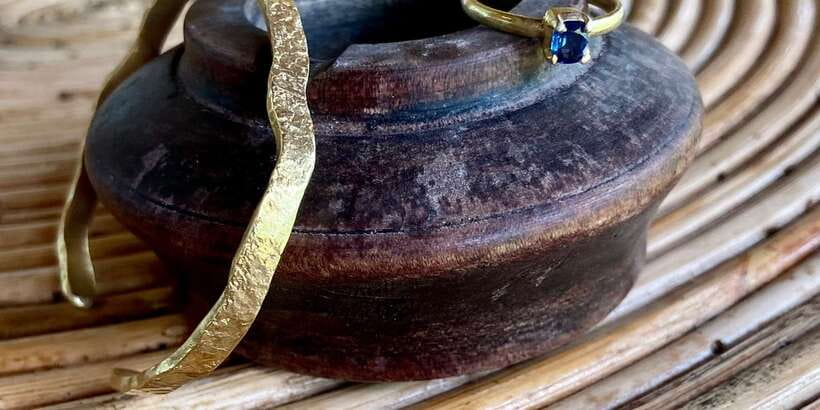
This workshop is a great fit if you want a hands-on activity that mixes craft with a real skill you can use later—like spotting differences between real and artificial gemstones. It’s also ideal if you want a personal souvenir made with your own effort, not just something you buy off a counter.
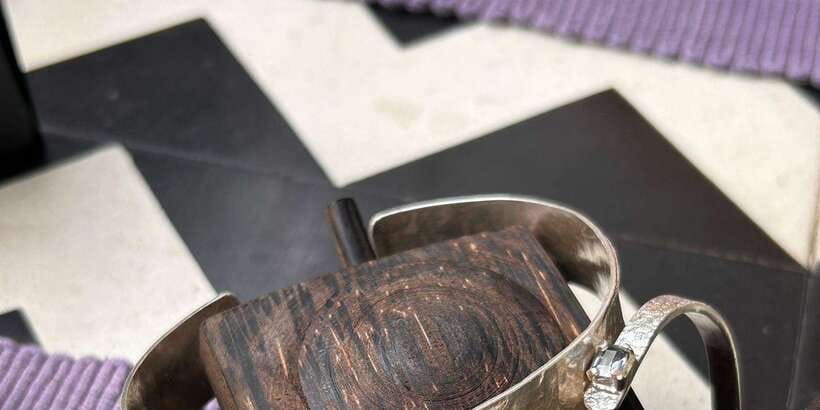
It works especially well for couples and small groups because everyone gets involved and the pace stays manageable with a maximum group size of 10. Notes mention people making multiple rings or choosing different styles, with staff ensuring they’re involved in key steps.
You might consider skipping (or at least lowering expectations) if you hate any extra purchase decisions. Since keeping the finished jewelry costs extra, you’ll need to decide your comfort level with spending on silver and gemstones. If you only want an educational look and don’t want to buy, you can still learn, but you should be ready for the workshop’s model: they teach you the process and then provide the option to complete a piece.
Should You Book Chandralal Jewelry Works in Galle?
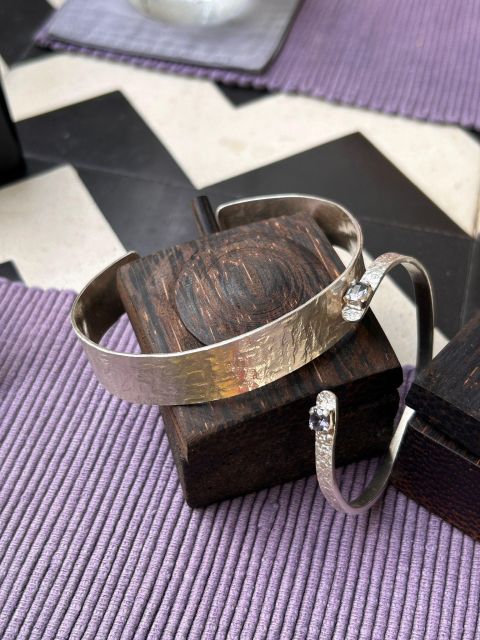
If your ideal Galle day includes making something with your hands, learning gemstone basics beyond “pretty stone,” and sharing lunch with a local family workshop, then yes, book it. The blend of hands-on silver techniques, structured guidance, and clear pricing is the formula that keeps it from feeling like a rushed sales pitch.
Just plan smart: give yourself enough time for the process, set a budget for the final jewelry materials, and don’t schedule a hard departure right after. Do those three things, and you’ll get a memorable craft experience that feels genuinely tied to Galle—not imported.
FAQ
FAQ
How long is the jewelry-making workshop?
The duration is listed as 4 hours, but the experience can take longer depending on how you spend time on each step.
What is included in the price?
Pickup and drop-off within 12 km of specific Galle-area areas, snacks and water, tea or coffee, and lunch or dinner are included. The jewelry-making lesson is included too, along with rough moonstones and garnets.
Do I get to keep the jewelry I make?
To keep the jewelry, you need to pay extra for the gemstones and silver included in the piece. The workshop fee covers the lesson and hands-on participation, not the full cost of your finished item.
Are there options for gemstones and designs?
Yes. You can touch and examine different gemstones, learn identification tips, and choose from multiple design options they provide during the session.
What kind of transportation is included?
Tuk tuk pickup and drop-off is included within the free pickup zone inside Galle, Galle Fort, Unawatuna, and Boossa.
Is the class taught in English?
An English host or greeter is listed for the experience.
Is it suitable for wheelchair users?
Wheelchair access is listed as available.
Is there a group limit?
Yes, it’s a small group limited to 10 participants.