REVIEW · GALLE
Galle day tour
Book on Viator →Operated by Magam Tours / W.S.A Prasad Suranjeewa · Bookable on Viator
Galle hits hardest with a guide; Galle Dutch Fort comes alive with Portuguese-Dutch-British details, and Jungle Beach gives you room to swim. The main drawback: the day is busy, and a couple of stops are only about 30 minutes.
I like that this tour is built around government-qualified guiding, not just a van ride with a map. Guides connected to Magam Tours, including W.S.A Prasad Suranjeewa, can explain the big picture of Sri Lanka right where you’re standing.
Price-wise, it’s positioned as a solid group value: $90 per group (up to 3) for a 6 to 10 hour day, with pickup and WiFi onboard. Still, it’s a private tour, so if you’re traveling solo and don’t want to share, you may feel the cost more.
In This Review
- Key things to know before you go
- Entering Galle Dutch Fort: where Portuguese, Dutch, and British meet
- Rumassala (Buona Vista): the quick viewpoint that gives perspective
- Koggala sea turtle conservation: what the work actually focuses on
- Stilt fishermen and the petta: see tradition without a script
- Handunugoda Tea Estate: the colonial origin story, explained from the fields
- Jungle Beach: real swim time, plus a beach-bar payoff
- Price and what $90 per group actually covers
- Timing, pacing, and practical tips for a 6 to 10 hour day
- Who this Galle day tour suits best
- Should you book this Galle day tour?
- FAQ
- What’s the tour price and group size?
- How long is the tour?
- What time does the tour start?
- Does the tour include pickup and private transport?
- What’s included in the tour price?
- Are entrance fees included for all stops?
- Is the tour private?
- What’s the cancellation policy?
- Where does the tour end?
Key things to know before you go
- Galle Dutch Fort with layered history from Portuguese, Dutch, and later British expansions
- Rumassala’s big bay views from a viewpoint area called Buona Vista in earlier times
- A non-profit sea turtle program in Koggala focused on survival and rehabilitation
- Stilt fishing explained clearly including how the petta setup works offshore
- Handunugoda Tea Estate context from James Taylor’s 1865 tea introduction to today’s elevation-based tea regions
- Jungle Beach break time for swimming and a relaxed beach-bar/seafood stop
Entering Galle Dutch Fort: where Portuguese, Dutch, and British meet
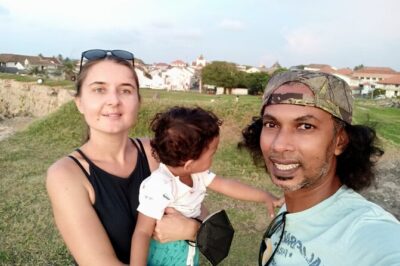
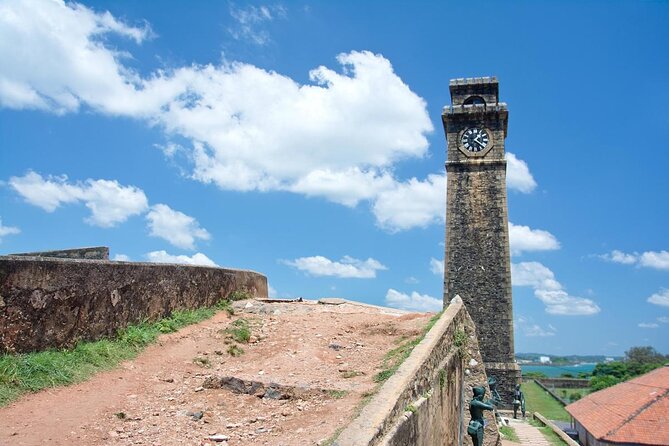
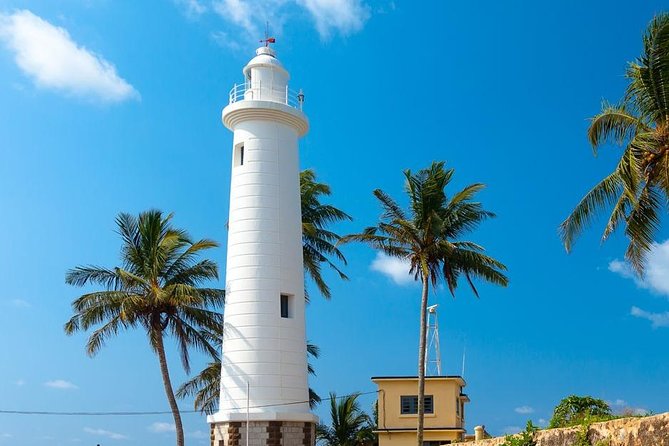
The day kicks off at Galle Dutch Fort, positioned along the bay on Sri Lanka’s southwest coast. This is UNESCO territory, but what I love is that you’re not just looking at walls—you’re learning how the fort changed over time.
You’ll hear the origin story: first built by the Portuguese in 1588, then heavily fortified by the Dutch in 1668, and later expanded again by the British in 1796. That sequence matters. It turns the fort from scenery into a timeline you can see—shape, fortification style, and the overall feel of the place.
Practical tip: plan to slow down here. Fort areas can feel small on a map, but once you’re walking and listening, an easy stroll turns into real orientation. Also note that the fort admission for this tour is listed as free, so you’re not hit with extra gate costs at the start.
If you’re the type who likes travel with a “why” behind it—how and why a place looks the way it does—this stop is doing a lot of heavy lifting for the whole day.
You can also read our reviews of more tours and experiences in Galle.

Rumassala (Buona Vista): the quick viewpoint that gives perspective
Next is Rumassala, a viewpoint area with panoramic views over the bay of Galle and the surrounding coast. You’ll also hear its older name, Buona Vista, which you can take as a clue: people have long come here for the view.
This stop is short—about 30 minutes—but that’s not automatically bad. For many days in Sri Lanka, a quick viewpoint halt is the right move because it refreshes your sense of place. You’re looking out from higher ground toward the water, which helps everything else you see later (fort, beaches, fishing sites) connect in your mind.
Possible drawback: because it’s brief, don’t count on a long wander. If you want deep hiking time, you might feel a little rushed. But if your priority is to see key spots efficiently, it fits nicely.
Admission is listed as free here, so again you’re spending more time on the experience and less on logistics.
Koggala sea turtle conservation: what the work actually focuses on
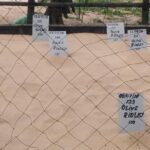
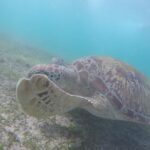
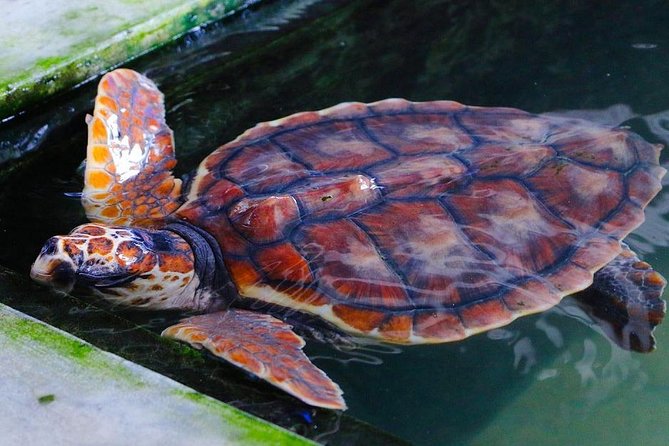
One of the most meaningful stops is the Sea Turtle Conservation Project in Koggala. This is described as a non-profitable organization, and it focuses on the survival of sea turtles for the next generation. The key detail I’d encourage you to hold onto: they’ve released more than 100,000 turtles to the sea, and injured turtles often get a second chance.
This is the kind of visit that can quietly change how you see a beach destination. Instead of treating wildlife as scenery, you’re looking at recovery work—rehabilitation and release—that depends on long-term care.
Entrance for this stop is not included, so budget for an on-site fee. The exact amount isn’t provided in your tour details, so the safest move is to bring a little extra cash or be ready for any payment method they accept.
Time check: this is also about 30 minutes. That’s enough time to understand the mission, but if you’re a super fan of conservation projects and want a longer chat, you may wish it lasted longer. Still, as part of a full Galle day, it lands well because it shifts the day’s energy from sightseeing to purpose.
Stilt fishermen and the petta: see tradition without a script
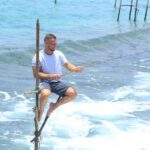
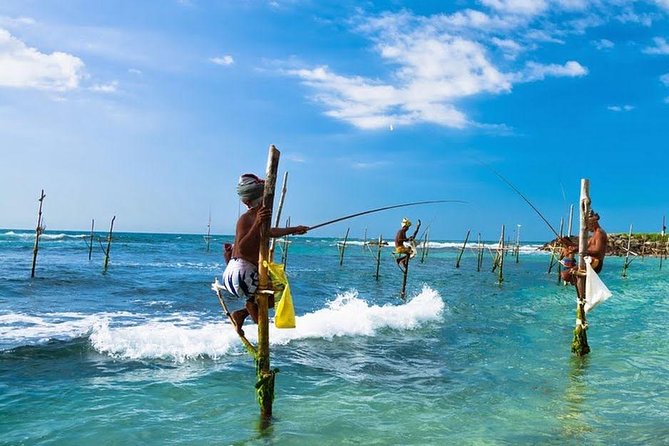
Then you’ll head to stilt fishermen—one of those Sri Lanka traditions that looks instantly interesting even if you don’t know the name for it yet. The method is described as one of the most interesting traditional fishing styles: fishermen sit on a cross bar called a petta, tied to a vertical pole fixed into the sand a few meters offshore.
Seeing it in person is different from watching it in photos. You’ll understand it as a system: the pole stays anchored, the cross bar gives a stable work platform, and the fishing happens right out where the water and shoreline meet.
This stop is about 30 minutes, and admission isn’t included. That doesn’t mean it’s expensive in practice—it just means you should expect a local fee if required. I’d also plan to watch respectfully and give people space. This is working practice, not a staged show.
What I like here is that the guide can explain how the setup works. Once you understand the petta and the offshore anchoring, the scene stops being “random cool photos” and becomes knowledge you can keep.
Handunugoda Tea Estate: the colonial origin story, explained from the fields
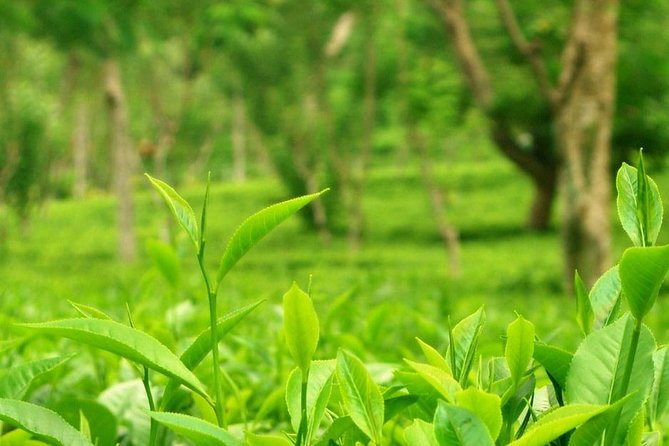
Tea is often a stop tourists rush through. This one tends to work better because you get the background behind the cup. At Handunugoda Tea Estate, you’ll hear how tea cultivation was introduced to Sri Lanka in 1865 by James Taylor during the British colonial era.
You’ll also learn that tea in Sri Lanka is divided into regions by elevation—low country, mid country, and up country. That matters because it explains why tea styles differ. Even without tasting here, the “why” gives you better context for when you do buy or drink tea later.
Admission is listed as free for this stop, which is a strong value point. It also helps that this is the longest stop after the fort—about 2 hours. That extra time gives you room to slow down, look at the plants, and let the guide’s explanation land.
Potential consideration: if you’re not a tea person, you might feel this stop depends heavily on your guide’s storytelling. Still, even if you’re not buying tea, it helps you understand how a major export shaped the country and the landscape.


Jungle Beach: real swim time, plus a beach-bar payoff
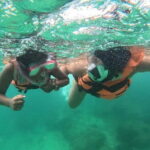
After the inland and work-focused stops, the day turns to sand at Jungle Beach. It’s described as a great sand beach, popular for swimming and sunbathing, with a beach bar/seafood spot.
The reason I like this stop is simple: you get a release valve. Up to this point, the day has a lot of culture and conservation learning. Jungle Beach is where you reset, stretch your legs, and do something physical—swim if conditions allow and you’re comfortable in the water.
Time: about 30 minutes. That’s not a full beach day, so it’s smart to treat it like a short beach session, not a lazy all-afternoon hang. Bring swimwear if you can, and if you’ve got sun protection, use it. Even a short stop can mean a lot of sun exposure.
Admission is free. So you’re not paying entry to enjoy the water and beach atmosphere. And because there’s a beach bar/seafood spot, you can usually grab a casual bite rather than forcing a “dinner plans later” scramble—though dinner itself is listed as not included in the tour.
Price and what $90 per group actually covers
At $90 per group (up to 3), this tour is priced for small-group travelers who want a guided day without going full private-car-with-no-explanation. If you’re traveling with even one friend, the math gets friendlier fast.
Here’s what you are getting, based on the included list:
- Bottled water
- An air-conditioned vehicle
- Private transportation
- WiFi on board
- Pickup offered
- Mobile ticket
And this matters because it reduces friction. In a place where you’d otherwise coordinate transport across several different areas, having private, air-conditioned transit smooths the day. WiFi is also handy for maps, messages home, or just staying sane between quick stops.
What you don’t get:
- Dinner
- Admission tickets are specifically noted as not included for the Sea Turtle Conservation Project and for the stilt fishermen stop
So the value comes from the guided routing and transportation, plus free admission at several key stops (fort, Rumassala, and Handunugoda, plus Jungle Beach). The only likely paid extras are the two stops where admission isn’t included.
One more planning detail: this is commonly booked around 17 days in advance on average. If your trip dates are fixed, I’d book ahead so you get the guide/slot that fits your schedule.
Timing, pacing, and practical tips for a 6 to 10 hour day
The start time is 8:30 am, and the tour ends back at the meeting point. Duration is listed as about 6 to 10 hours, which signals that your exact pacing may shift a bit based on day conditions and how long you spend at each stop.
The structure is a classic “high-quality coverage” format:
- One bigger landmark time block (Galle Dutch Fort)
- Two viewpoint/scene stops (Rumassala and Jungle Beach)
- Two hands-on cultural/nature stops (turtle project and stilt fishing)
- One longer learning stop (Handunugoda Tea Estate)
That mix is why it works. You get variety without spending the entire day in one place. The downside is that the shorter stops are short by design. If you hate feeling rushed, you’ll need to mentally accept that 30 minutes is your window for Rumassala, turtle work, stilt fishing, and Jungle Beach.
Practical “make it easier” tips:
- Wear comfortable walking shoes. Fort areas and viewpoints mean uneven ground.
- Bring sun protection—this is Sri Lanka, and even quick stops can mean strong rays.
- Plan for a swim if you want it, and have a light change of clothes.
- For stops where admission isn’t included, keep some budget ready so you’re not caught deciding on the spot.
Who this Galle day tour suits best
I think this tour is best for people who want:
- A guided day that explains what you’re seeing, not just where to stand for photos
- A mix of UNESCO fort culture, wildlife conservation, and everyday coastal traditions
- Small-group comfort (private group up to 3) with air-conditioned transport and bottled water
You’ll probably enjoy it even more if you like asking questions. The strongest feedback from guide experience highlights how much explanation and history context you get, and how friendly and adaptable the guiding can be.
If you’re the type who wants a relaxed beach-first itinerary or a slower pace with long stays at each place, you may find the schedule a bit tight. In that case, you might prefer an option with fewer stops and more time at the coast.
Should you book this Galle day tour?
Book it if you want a smart, guided way to connect Galle’s fortress past, coastal viewpoints, conservation work in Koggala, traditional stilt fishing, and tea-country context—all in one day. The value is strongest for small groups because transportation, water, and private routing are baked into the price, while several major sights have free admission.
Don’t book it if your ideal day is slow, beach-only, or you strongly prefer long time at each location. This tour is designed for variety and efficient coverage, so the trade-off is short stop times at a few highlights.
If you’re going to Galle and want the day to feel meaningful—not just scenic—this is a strong match.
FAQ
What’s the tour price and group size?
The price is $90.00 per group (up to 3 people).
How long is the tour?
It runs about 6 to 10 hours.
What time does the tour start?
The start time is 8:30 am.
Does the tour include pickup and private transport?
Yes. Pickup is offered, and you’ll travel by private transportation in an air-conditioned vehicle.
What’s included in the tour price?
Included items are bottled water, air-conditioned vehicle, private transportation, and WiFi on board. Mobile ticket is also provided.
Are entrance fees included for all stops?
Not for every stop. Galle Dutch Fort, Rumassala, Handunugoda Tea Estate, and Jungle Beach are listed as free. The Sea Turtle Conservation Project and stilt fishermen have admission tickets not included. Dinner is also not included.
Is the tour private?
Yes. It’s a private tour/activity, and only your group will participate.
What’s the cancellation policy?
You can cancel for a full refund up to 24 hours before the experience starts.
Where does the tour end?
This activity ends back at the meeting point.