A train ride in Sri Lanka can be simple or chaotic. This reserved-seat option for the Kandy to Colombo Fort run is interesting because your seat number is listed on your e-ticket, so you’re not gambling once you board. It’s also a budget-friendly way to connect the hill-country city of Kandy with Colombo’s big-city rail hub.
I like two things right away: the reserved comfort (especially compared with crowded unreserved cars) and the fact that you don’t have to hunt for tickets at the last minute. Many people receive confirmation when they book, and in practice the e-ticket is handled professionally, including PDF delivery and even same-day hotel delivery in some cases.
One thing to consider: this kind of rail travel can involve lateness and spotty station information, and booking through an agent adds one more step. If your schedule is tight, build in a buffer.
In This Review
- Quick hits before you book
- Your Kandy to Colombo plan, in one clean train ticket
- Reserved seating vs the real-world unreserved chaos
- Paper ticket in hand, seat number in your e-ticket
- Kandy departure: small steps that prevent big delays
- The ride from Kandy: why the views matter more than you think
- Arriving at Colombo Fort: your transfer starts here
- Price and value: why $9.90 can be a smart deal
- Choosing the right class for your comfort
- Service from Mahaweli Tours and Holidays: responsive, but not magic
- Timing and station information: the only real friction
- Who should book this reserved seat ticket
- Should you book this Kandy–Colombo reserved seat train?
- FAQ
- How long is the train ride from Kandy to Colombo?
- Where does the train trip end?
- Do I get admission for the train ride included?
- Do I receive a paper ticket?
- How do I know which seat I’m getting?
- Is there free cancellation?
Quick hits before you book
- Numbered seat on your e-ticket: you know where you’re going before you step on board
- Paper ticket + e-ticket support: you get a tangible ticket while still having seat details digitally
- About 3 hours end-to-end: a realistic half-day transfer between Kandy and Colombo
- Reserved beats crowded: unreserved compartments are often packed and seating can be hard to find
- Class choice matters: some people say lower-class reservations may behave differently than expected
- Mahaweli Tours and Holidays communicates: confirmation is received at booking, and e-tickets may arrive by WhatsApp
Your Kandy to Colombo plan, in one clean train ticket
This experience is straightforward: you’re buying a train ticket from Kandy Railway Station to Colombo Fort Railway Station, with a reserved seat. The ride is listed at about 3 hours, which is exactly why this works as a “get from A to B” day. You keep moving without spending time bouncing between multiple options.
The value here is that you’re paying for the part of train travel that usually causes stress: the seating. Sri Lanka’s intercity trains can be comfortable when you’re in the right car. They can also be painfully crowded when you’re not. With a reserved seat, you’re aiming to show up already sorted.
One more practical detail: the ticket is described as paper, but the seat number is referenced on your e-ticket. That combo matters because station reality can be messy—being able to show both the paper ticket and the seat info helps you get through boarding with fewer headaches.
You can also read our reviews of more tours and experiences in Colombo



Reserved seating vs the real-world unreserved chaos
Here’s the deal: the ticket is specifically for a reserved seat. The reason that’s a big deal is simple. Unreserved compartments are typically crowded, and the chance of getting a seat is unlikely—especially if you board when the train is already full.
If you’ve ever tried to “make it work” on a packed train, you know how quickly the trip turns into a standing endurance test. This is why I think reserved seating is worth prioritizing on this route. You’re buying fewer unknowns, not just buying a ticket.
Also, one piece of nuance: not every class behaves the same in practice. One past passenger shared that “3rd class reserved” didn’t feel like a true reservation in the way they expected—more like first-come-first-served with people not moving. That doesn’t mean your reserved seat won’t work, but it does mean you should choose your seating level carefully when you book.
My practical advice: if you really care about having your own space, pick the class that gives the smoothest reserved experience for your comfort needs. If air-conditioning is important to you, look at what you’re selecting—because a review specifically noted aircon comfort when they had a numbered reserved seat.
Paper ticket in hand, seat number in your e-ticket
This is a classic “don’t overthink it” setup—paper ticket plus digital proof.
- Your seat number is mentioned on your e-ticket.
- You receive a paper ticket, described as part of the experience.
- Confirmation is provided at the time of booking.
In real life, I find this combination useful because it reduces friction at the station. Staff and procedures can be inconsistent from place to place, and even when everything is fine, it’s easier to sort yourself quickly when you have a printed document and a clear digital seat reference.
There’s also a communication angle. One person said the e-ticket was sent as a PDF via WhatsApp, and another said tickets were delivered to their hotel on the day of travel. Whether your experience looks like that or not, it’s a strong sign that the operator understands the main pain point: getting you your documents in time.
Kandy departure: small steps that prevent big delays
The itinerary is basically one long segment, so your success comes down to how you handle the start.
You’ll depart from Kandy Railway Station. Since the ride is about 3 hours, your main job before boarding is getting there with enough time to:
- locate your platform or carriage area,
- confirm your reserved seat number,
- and settle before the train fills up.
Because the route can be late and station info can be unclear, you’ll want a calm plan. If you’re heading straight to another stop in Colombo (like a hotel check-in), give yourself time for small disruptions. Rail travel rarely feels like a Swiss clock.
One more practical point: since your reservation is managed through an operator, keep your booking details accessible. The seat number is listed on your e-ticket, so have that ready on your phone alongside your paper ticket.
The ride from Kandy: why the views matter more than you think
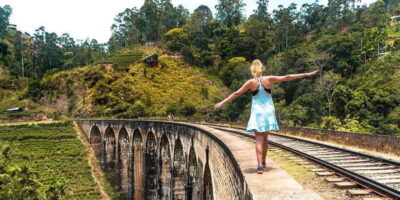
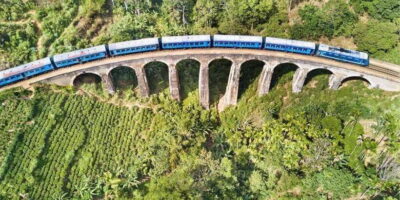
You’re on a train between two major points, so the ride is doing two jobs: transportation and scenery. While you’re not promised a specific view in the details, there’s a clear hint that the journey passes through scenic parts of the country. That’s exactly what makes this route popular.
When a trip like this works, you stop treating it like a chore. You start treating it like the day’s main event for a few hours. And because you have a reserved seat, you can actually enjoy that instead of bargaining for position in a doorway crowd.
That said, temper expectations on timing. One experience described lateness and uneven information at stations. In plain terms: stay flexible. If the train runs late, you don’t want your whole day to collapse because you booked a tight connection.
My tip: plan your Colombo arrival with an easy first hour. Don’t schedule something critical the minute you land at Colombo Fort.




Arriving at Colombo Fort: your transfer starts here
Your endpoint is Colombo Fort Railway Station. That’s a good place to finish a train ride because it’s one of the major rail stops in the city.
From here, your next move is on you. The key is to have your transfer sorted before you step into Colombo’s traffic and options. Since the experience notes the area is near public transportation, you should be able to find onward connections without too much trouble—but you’ll still want a plan.
Also, remember: this experience is only the train portion. Once you arrive at Colombo Fort, you’re no longer in the “reserved-seat bubble.” So keep your ticket details handy until you’re fully done with the rail segment.
Price and value: why $9.90 can be a smart deal
The price is listed at $9.90 per person, with reserved seating for a ride of around 3 hours. That’s strong value on paper because it’s paying for the seat you’d otherwise struggle to secure on an unreserved ride.
What makes the price feel even better is the structure:
- you’re going between two big rail points,
- your seat number is part of the documentation,
- and you’re not paying for a guide, a vehicle, or extra transfers.
One detail that matters for budgeting: the average booking time is listed at 22 days in advance. That suggests you can often find a reasonable window to lock in your seat. If you wait until the last minute, seats (especially in better classes) can get harder to secure.
Choosing the right class for your comfort
A review mentioned 1st class reserved seats and described a pleasant ride from Kandy to Colombo. Another review contrasted that with a situation where someone stood cheek-to-jowl on a later segment and lacked a seat and air-conditioning, then felt much more relieved when they had a numbered seat and aircon.
So if comfort is your priority, this is where you spend your money wisely: pick the class that matches the comfort level you want. And if you’re aiming for “true reservation reliability,” be extra careful with the class you select, since one person reported a mismatch between expectation and how seating felt in 3rd class reserved.
Service from Mahaweli Tours and Holidays: responsive, but not magic
The provider is Mahaweli Tours and Holidays. Based on the experience description, you should get:
- confirmation at booking time
- support for the ticket info (seat number on e-ticket)
- and a paper ticket as part of the experience.
In practice, you can expect a professional communication style. One person said everything went perfectly and that e-tickets were sent as a PDF via WhatsApp. Another said tickets were delivered to their hotel on the day of the trip, which is the kind of small service upgrade that really helps when you’re juggling plans.
Now, be fair: one review criticized the company and said it was difficult and unhelpful, and complained about reserved seating in lower class. That doesn’t mean your booking will go badly. It does mean you should treat ticket details as important information, not as a vague promise. Double-check your seat number and your seating class.
Timing and station information: the only real friction
If you do this route expecting it to be friction-free, you’ll get surprised. The details include a warning vibe without overexplaining: train travel can have lateness, station information gaps, and the booking process can involve an agent step.
So here’s how I’d handle it as a smart, low-stress traveler:
- leave extra time at the start of your day in Kandy,
- avoid booking a critical appointment immediately after arrival in Colombo Fort,
- and keep your ticket details available even if someone waves you toward a carriage.
Rail travel is never 100% predictable. Reserved seating helps you with comfort, but it can’t eliminate schedule drift or station confusion.
Who should book this reserved seat ticket
This is a strong fit if you want:
- a budget-friendly train ride,
- fewer seating worries than unreserved compartments,
- and a simple point-to-point transfer.
It also makes sense for people who don’t want to manage complicated logistics while moving between Kandy and Colombo. The experience is described as something most people can participate in, and it’s built around a basic goal: get you onto the train with a seat number.
It’s also a good option for solo travelers who don’t want to play the “where can I stand” game. And it’s ideal for couples who want to sit together without negotiating crowd physics.
One caution: if you’re the kind of person who hates dealing with an operator at all, the agent step may feel annoying. But the upside is that the operator is handling your seat reservation and documentation.
Should you book this Kandy–Colombo reserved seat train?
I’d book it if you value assigned seating and want a simple, economical way to get between Kandy and Colombo Fort. The $9.90 price makes sense because it’s tied to the part of the trip that usually goes wrong: you don’t arrive hoping for a miracle seat.
Book with extra care if:
- you’re very sensitive to timing and need guaranteed punctuality,
- or you’re choosing a lower class where reservation behavior might not match expectations.
My final advice is simple. When you book, verify the seat number on your e-ticket, pick the class that matches your comfort goals, and give yourself a buffer for the station reality. Do that, and this train ride can be one of the most pleasant “just go and sit down” ways to connect Sri Lanka’s rail corridor.
FAQ
How long is the train ride from Kandy to Colombo?
The journey duration is listed at approximately 3 hours.
Where does the train trip end?
The ticket is for travel to Colombo Fort Railway Station.
Do I get admission for the train ride included?
Yes. The admission ticket for the train trip is included.
Do I receive a paper ticket?
Yes. The experience includes a paper ticket.
How do I know which seat I’m getting?
Your reserved seat number is mentioned on your e-ticket.
Is there free cancellation?
Yes. You can cancel for a full refund up to 24 hours before the experience’s start time.