REVIEW · COLOMBO
Authentic Sinhalese Cooking Class in Colombo with a Local Family
Book on Viator →Operated by Traveling Spoon · Bookable on Viator
A Colombo food lesson in a real home beats any cooking studio. You’ll cook three Sinhalese favorites with Shasikala in her family kitchen, and (if you choose it) you’ll shop at Kirulapone Market for the ingredients that end up on your plate. It’s practical, hands-on, and very tied to everyday Sri Lankan life, not a performance for tourists.
Two things I really like: the private, home-based format (you’re not sharing a tiny station with strangers), and the menu flexibility, including vegetarian, vegan, and halal options when you ask ahead. One thing to consider: there’s no hotel pickup, so you’ll need to get yourself to the meeting point in Dehiwala-Mount Lavinia.
In This Review
- Key highlights you’ll feel from the start
- A family kitchen in Bellanthara, Dehiwala (not a cooking showroom)
- Kirulapone Market shopping: picking the flavors before you cook
- The 3-dish game plan: seasonal veg, coconut sambol, and curry
- How the timing works in 3 hours (and why it feels manageable)
- Price and value: what $148 per person really buys you
- Meeting at Mayura Mawatha: logistics that can make or break your day
- Who should book this Sinhalese cooking class (and who might skip)
- Should you book? My straight answer
- FAQ
- FAQ
- How long is the cooking class?
- Where do I meet the host?
- Is hotel pickup or drop-off included?
- Do I choose lunch or dinner?
- What dishes will I learn to cook?
- Can the class accommodate dietary needs?
- Is there a market stop option?
Key highlights you’ll feel from the start
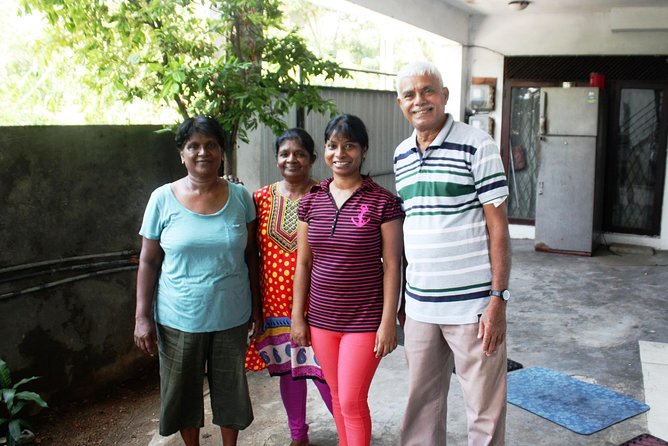
- Private class in Shasikala’s home kitchen in Bellanthara, Dehiwala, including time with her family
- Kirulapone Market visit by tuk-tuk (optional) to pick fruits, spices, and seafood or meat
- Cook 3 dishes from scratch: a seasonal vegetable, coconut sambol, and fish or chicken curry
- Choose lunch or dinner timing, based on what fits your day in Colombo
- Non-alcoholic beverages included, plus you eat the meal you help make
- A warm, low-stress experience with help from Shasikala and her mum, including support for getting back safely if needed
A family kitchen in Bellanthara, Dehiwala (not a cooking showroom)
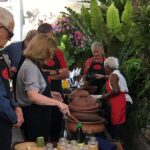
What makes this class special is the setting. You meet Shasikala at her family home in Bellanthara, Dehiwala, and the experience starts like a visit. You’ll likely be offered a drink (milk tea or fresh juice) while you get introduced to the family, which matters more than it sounds. It gives the food context fast: where ingredients come from, what’s typical for Sri Lankan home cooking, and how meals fit into daily life.
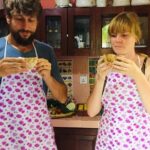
Then you move into the kitchen. This is an older, traditional-style space, not a polished demo room. You’re there to learn by doing—chopping, mixing, seasoning, tasting—while Shasikala explains the why behind the steps. The best part is that her family doesn’t just teach recipes; they share cooking styles and local produce knowledge, so you come away with instincts you can use later when you cook at home.
The other detail that helps: it’s a private class, meaning the pacing works for your group. If you want to slow down for a question, you can. If you’re faster, you won’t be stuck waiting for a crowd.
You can also read our reviews of more cooking classes in Colombo
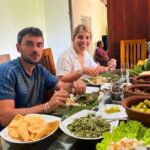
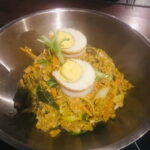
Kirulapone Market shopping: picking the flavors before you cook
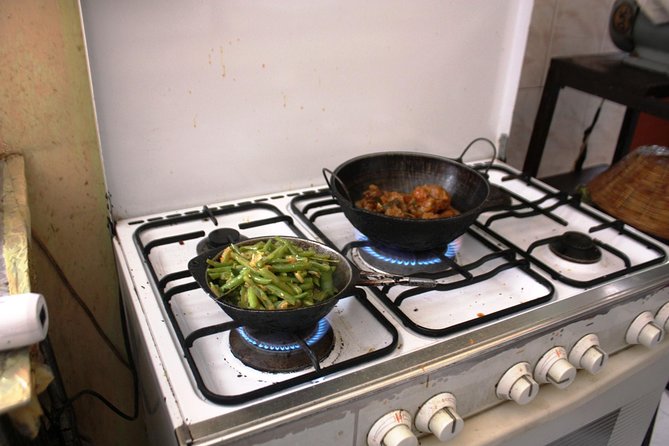
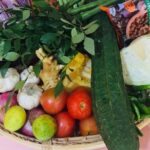
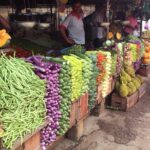
If you choose the market option, the day starts with a tuk-tuk ride to a nearby neighborhood market. This is where locals pick up fruits, vegetables, spices, seafood, and meat. You walk through the stalls with Shasikala, taking in the sights and smells—and yes, you may taste a few locally grown fruits as you go.
This part is more than sightseeing. You’re gathering clues for your meal. You’ll purchase a seasonal vegetable that you later cook as part of your class. That’s a smart way to understand Sri Lankan cooking, because so much of the flavor is tied to what’s fresh right now, not what’s available year-round in a supermarket.
A practical tip: go into the market portion with a light appetite. You’ll taste fruit, and you’ll also see spices and ingredients up close. If you plan to buy spices to take home, keep in mind you’ll have to carry them—so decide what you can comfortably transport before you start loading up.
Also, because the market is optional, you can still book the experience even if you’d rather keep your schedule simple. If you’re short on time in Colombo, skipping the market can make the cooking portion feel more relaxed.
The 3-dish game plan: seasonal veg, coconut sambol, and curry
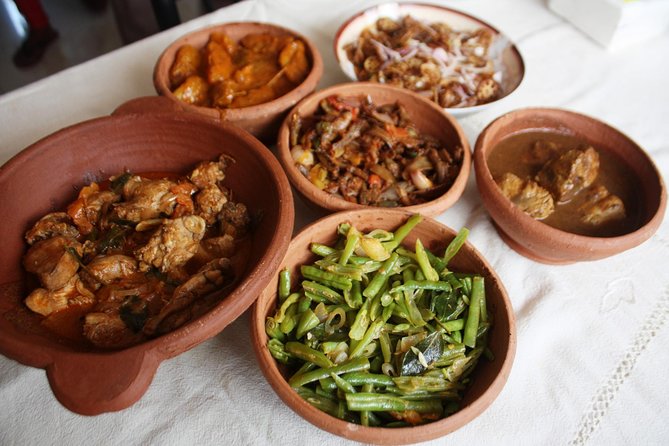
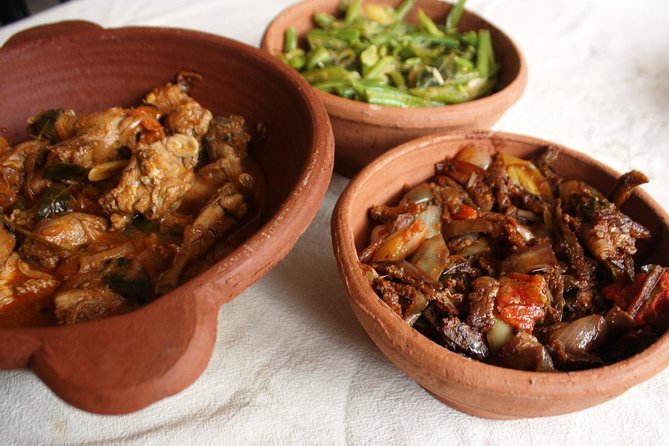
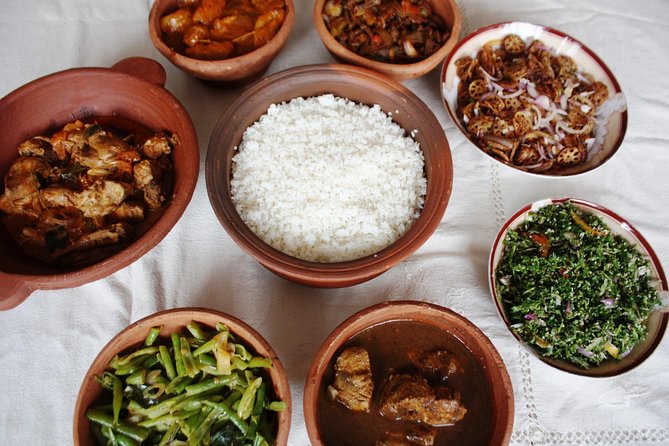
The class centers on making three Sinhalese dishes from scratch. The exact choices can shift with the season, but the structure stays the same: you’ll learn a seasonal vegetable dish, coconut sambol, and fish or chicken curry. You can also customize your menu based on what you want to cook.
Here’s why this trio is such a good learning set:
- Seasonal vegetable teaches Sri Lankan home cooking in its most practical form. It shows how freshness drives taste, and how seasoning brings simple produce to life.
- Coconut sambol is the flavor anchor on many Sri Lankan plates. Even if you think you know coconut-based sauces, sambol has its own personality—texture, heat, and aroma balanced in a way that makes it addictive.
- Fish or chicken curry gives you the backbone skills—how to build depth with spices, how to control thickness, and how to taste as you go rather than only at the end.
You’ll cook these during the hands-on portion in Shasikala’s kitchen, and when you’re done, you eat. That’s key: you don’t just learn techniques; you taste the result right away, so adjustments make sense. If something tastes too strong or needs more balance, you’re already in the moment to correct it.
Dietary flexibility is built in too. Shasikala can offer vegetarian, vegan, and halal meals on request, so you’re not limited to a one-size-fits-all menu. If you have allergies or specific restrictions, advise at booking so the kitchen can plan properly.
How the timing works in 3 hours (and why it feels manageable)
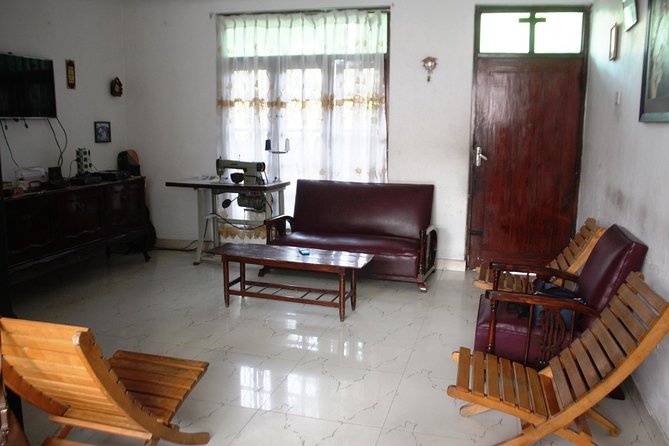
The class is listed at about 3 hours total, and in the home kitchen it’s hands-on for roughly 1 hour. If you include the market option, you’ll add time for walking, shopping, and that tuk-tuk hop to the market area.
What I like about this schedule: it’s long enough to teach real cooking steps, but not so long that you feel stuck. You’ll start with a welcome and drink, get oriented, then move into cooking. After that, the meal lands at the end while the dishes are still fresh and the smells are still in the air.
Also, the experience includes non-alcoholic beverages. That helps keep the vibe relaxed, especially if you’re visiting as a couple or as a solo traveler who wants the class to feel social without pressure.
If you’re deciding between lunch and dinner timing, think about your energy level. Cooking can be active—chopping and stirring—and lunch timing may feel easier if you prefer to eat earlier in the day. Dinner timing can be great if you want a food-centered anchor for your evening plans in Colombo.
Price and value: what $148 per person really buys you
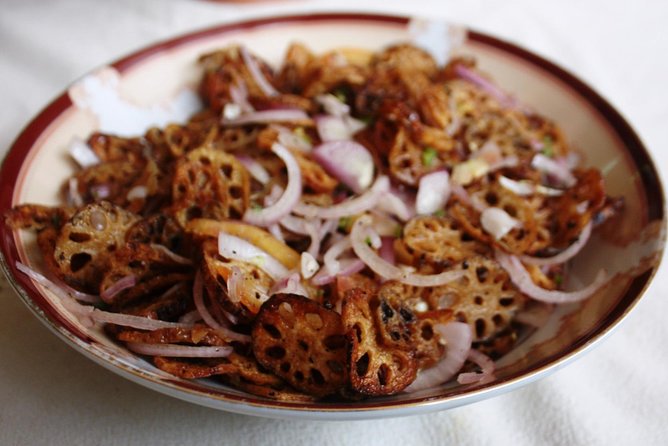
At $148 per person, this isn’t the cheapest option in Colombo. But it also isn’t a generic cooking workshop. You’re paying for a private, home-hosted experience with a meal included, plus the work of buying ingredients and teaching in a real household kitchen.
Here’s what’s included that adds real value:
- Private cooking class and meal with host Shasikala
- Non-alcoholic beverages
- All taxes, fees, and handling charges
- Gratuities
- Optional local neighborhood market visit if you choose that add-on
And one detail that can matter more than people expect: the experience isn’t described as a commercial class. It’s a visit into a local’s home to meet a real expert cook. That’s why the tone is usually more personal, and why people come away feeling like they ate something they could never easily replicate from a standard cookbook.
A second value point: Shasikala’s family approach tends to make the class feel welcoming, even if you’re solo. That can turn a paid activity into a genuinely memorable experience—especially in a city where it’s easy to bounce between sights without going deeper.
If you’re traveling with a group, check whether group discounts apply. Since the class is private, any discount can make a meaningful difference.
One consideration on cost: there’s no hotel pickup or drop-off, so you’ll spend a little on getting to and from the meeting point. Still, it’s manageable because the meeting area is described as near public transportation.
You can also read our reviews of more tours and experiences in Colombo
Meeting at Mayura Mawatha: logistics that can make or break your day
The meeting point is on Mayura Mawatha, Dehiwala-Mount Lavinia, Sri Lanka, and the activity ends back at the meeting point. That loop is helpful: you aren’t stuck figuring out where your host disappears into the city.
Because there’s no hotel pickup, plan your route ahead. If you’re using rideshare or taxis, confirm the exact meeting spot details with the provider once you book (you’ll receive confirmation within 48 hours, subject to availability). If you’re using public transportation, the note about being near transit is reassuring.
Once you’re at the home and, if you chose it, after the market visit, expect at least some tuk-tuk movement during the day. And if you need help getting back quickly and safely, Shasikala has been known to arrange a tuk-tuk for a smoother finish.
That kind of practical care is worth its weight in gold after cooking and eating—when you’re full, a little tired, and don’t want to fight with directions.
Who should book this Sinhalese cooking class (and who might skip)
Book it if you want:
- A private class that feels like learning inside a family kitchen
- To cook three core dishes you can actually name and repeat later
- A market-and-cook experience that teaches the connection between ingredients and flavor
- Options for vegetarian, vegan, or halal meals by request
- A calmer alternative to crowded, performance-style cooking tours
You might skip it if:
- You strongly prefer big production, branded setups, and lots of standardized tourist scripting
- You don’t want to handle your own transport to Dehiwala-Mount Lavinia
- You need a long, multi-dish cooking marathon rather than a focused 3-hour session
This class works especially well for food lovers who like to ask questions, taste as they go, and leave with a sense of how locals cook at home—not just what they cook.
Should you book? My straight answer
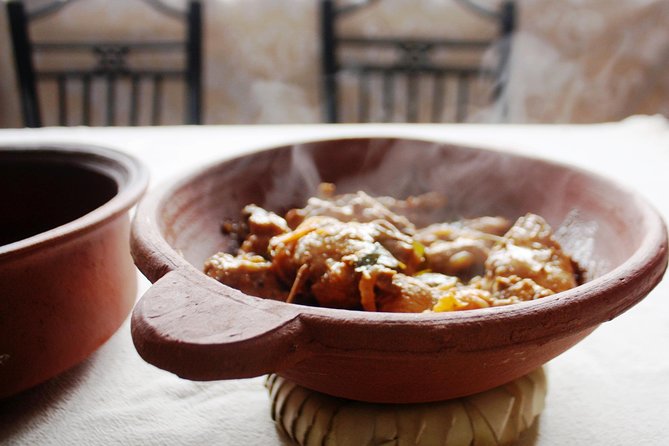
If you’re spending time in Colombo and you want one experience that connects you to Sri Lankan food in a way you can taste and remember, I think you should book this. The private home setting with Shasikala and her family, the option to shop at Kirulapone Market, and the chance to cook seasonal vegetable, coconut sambol, and fish or chicken curry make it feel like real learning, not just an activity.
Also, if you care about food quality, the fact that people have described this as some of the best Sinhalese food they had in Sri Lanka tells you something: the meal isn’t an afterthought. It’s the point.
FAQ
FAQ
How long is the cooking class?
The experience is about 3 hours total.
Where do I meet the host?
You start at Mayura Mawatha, Dehiwala-Mount Lavinia, Sri Lanka, and the activity ends back at the same meeting point.
Is hotel pickup or drop-off included?
No. Hotel pickup and drop-off are not included, so you’ll need to get to the meeting point yourself.
Do I choose lunch or dinner?
Yes. You can pick between lunch and dinner class times.
What dishes will I learn to cook?
You’ll learn to make three Sinhalese dishes from scratch: a seasonal vegetable, coconut sambol, and fish or chicken curry. The menu can vary depending on the season.
Can the class accommodate dietary needs?
Yes. Shasikala can offer vegetarian, vegan, and halal meals on request. If anyone has allergies or dietary restrictions, you should advise at booking.
Is there a market stop option?
Yes. If you choose the market tour option, you’ll take a tuk-tuk to Kirulapone Market, shop for ingredients, and purchase a seasonal vegetable to cook during the class.