REVIEW · COLOMBO
3 hour cooking experience
Book on Viator →Operated by Cooking By Colour - Sri Lankan Cuisine with Mohara Dole in Colombo · Bookable on Viator
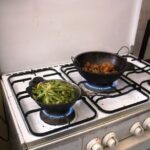
Sri Lanka on a stove in three hours. This private cooking session with Chef Mohara Dole is built like a small cultural adventure, with you working right at the stove as you learn a full Sri Lankan meal.
I love two things most: the hands-on format (you’re cooking, not just watching), and the fact that you get recipes so you can recreate what you make at home. You’re also taught to recognize flavors through the ingredients themselves, with a cooking-by-color vibe that makes the dishes feel easier to remember.
One drawback to plan for: alcohol isn’t included, so if you want drinks with dinner, you’ll need to make other arrangements. Also, this is very much a learn-by-doing class, so it helps if you’re okay getting your hands involved for a full three hours.
In This Review
- Key highlights to know before you go
- A private Colombo cooking class with a home-kitchen feel
- What you actually cook: curries, rice, and sambols
- Curries: many ingredients, one method mindset
- Rice: basmati, red raw rice, and samba
- Sambols: the finishing touch that changes everything
- A step-by-step flow at the stove (and what it teaches you)
- Welcome and orientation in Chef Mohara’s kitchen space
- Cooking rounds: vegetables, proteins, and sauces
- Rice making as its own skill
- Sambols near the end so you can taste the whole meal
- What you receive at the end: recipes you can actually use
- Price and value: what $60 buys you
- Meeting point, timing, and how to make it easy
- Who this is best for (and who might not love it)
- Should you book Cooking by Colour with Mohara Dole?
- FAQ
- How long is the cooking experience?
- Where does the class start and where does it end?
- Is this a private experience?
- What foods will I learn to make?
- Are recipes included?
- What’s included in the price?
- Is alcohol included?
- What is the cancellation policy?
Key highlights to know before you go
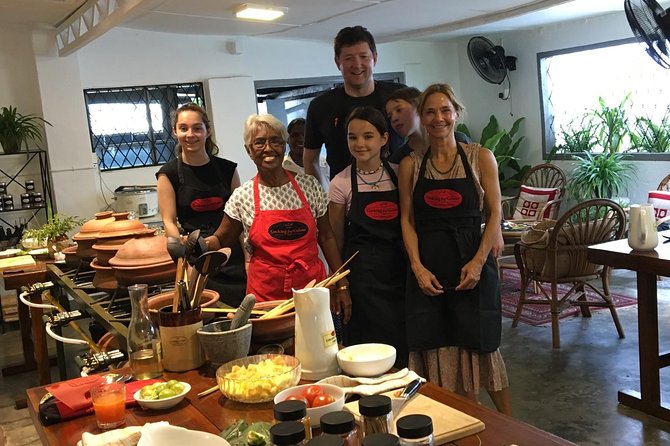
- Chef Mohara Dole runs it from her home and cooking studio, with a warm, encouraging teaching style
- You’ll cook a spread that can include meat, fish, and vegetables, not just one single dish
- Curries, rices, and sambols are all on the menu, so you leave with a complete Sri Lankan meal plan
- You’ll receive recipes for what you cook, which matters more than one good dinner
- Dinner is included with the ingredients, plus bottled water and soda/pop
A private Colombo cooking class with a home-kitchen feel
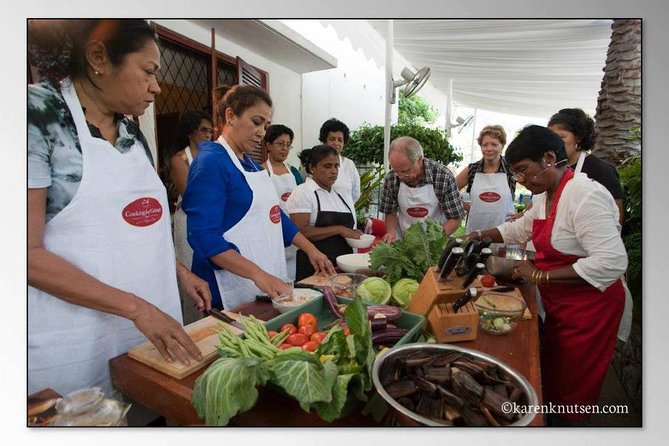
This isn’t a big, impersonal cooking demonstration. You’re in a private tour/activity, so your group stays together, and the attention stays on your questions. That difference matters when you’re learning techniques like balancing a curry or getting the texture of rice right.
The experience runs about 3 hours, with set operating hours between 10:30 AM and 2:00 PM. That makes it a practical midday plan if you’re basing yourself around Colombo and nearby areas.
You’ll meet at 49 Park Ln, Sri Jayawardenepura Kotte, and the activity ends back at the meeting point. It’s also noted as being near public transportation, which helps if you don’t want to depend on a rideshare every time you move.
You can also read our reviews of more cooking classes in Colombo
What you actually cook: curries, rice, and sambols
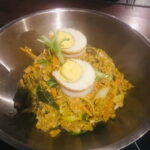
The best way to think about this class is: you’re not learning one recipe. You’re building a menu. You’ll work on traditional Sri Lankan foods across curries, rice types, and sambols, with ingredients like loofah, eggplant, lotus root, chicken, seafood, and beetroot showing up as part of the lesson plan.
Curries: many ingredients, one method mindset
You’ll learn curries that cover both vegetable-forward options and protein curries. Common ones mentioned include loofah, eggplant, lotus root, chicken, seafood, and beetroot. That range is useful because it teaches you how curry-making adapts to different ingredients, not just one “default” flavor.
Even if you’ve cooked before, this is the kind of lesson that helps you understand how Sri Lankan curries can shift when the main ingredient changes. Vegetables like eggplant and lotus root behave differently, and the cooking approach should reflect that.
Rice: basmati, red raw rice, and samba
You’ll also learn rice—specifically basmati, red raw rice, and samba. Rice is usually the part that gets ignored in cooking classes because it feels simple. Here, it’s treated as its own skill.
Learning more than one rice type is a smart choice because you’ll stop assuming they all cook the same way. If you try cooking one rice at home and it doesn’t match what you expected, that’s often why. This class gives you a clearer starting point.
Sambols: the finishing touch that changes everything
Sambols are where Sri Lankan meals often get their personality—spicy, tangy, and designed to wake up the plate. You’ll learn how to make them as part of the experience, not as an afterthought. Getting this part right at home is how you turn a rice-and-curry dinner into a meal that tastes complete.
You can also read our reviews of more tours and experiences in Colombo
A step-by-step flow at the stove (and what it teaches you)
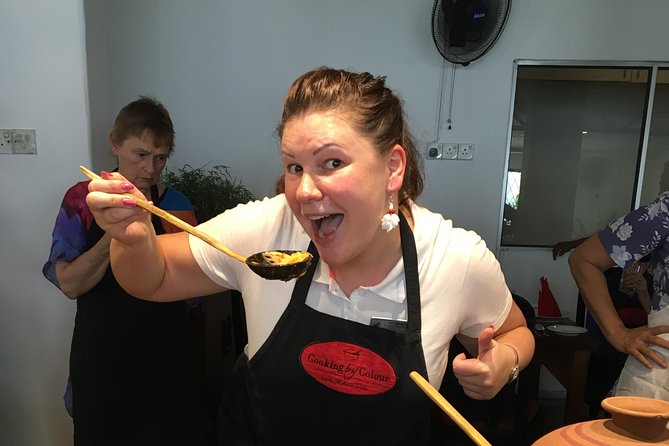
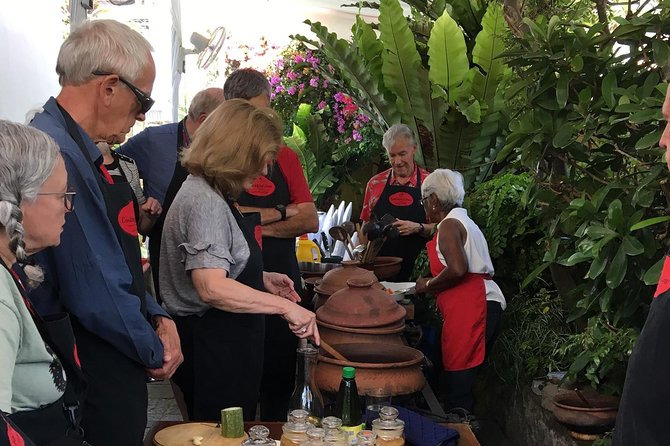
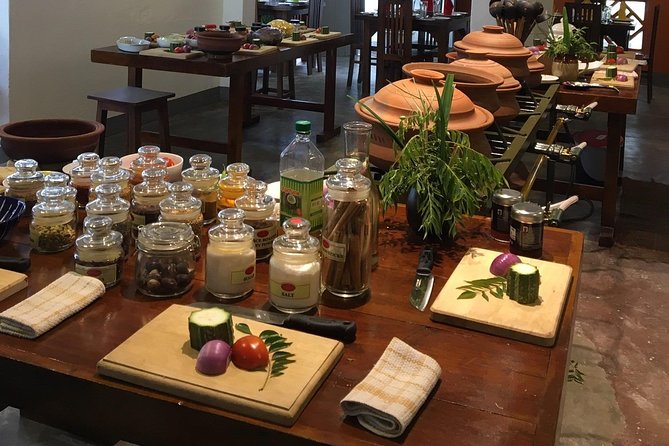
The class is structured as a hands-on session, designed around you joining Chef Mohara at the stove. While the exact timing of each dish isn’t listed, the overall progression is clear: prep, cooking multiple items, tasting as you go, then recipe take-home so you can repeat it later.
Here’s the practical way to picture the flow.
Welcome and orientation in Chef Mohara’s kitchen space
You start by meeting the chef in a home-and-studio style setting. One review highlighted how Chef Mohara welcomed participants into her home and cooking studio, and her enthusiasm was infectious—exactly what you want in a class where you’ll be moving from curry to rice to sambols. When teaching feels personal, you learn faster because you feel comfortable asking the next question.
Cooking rounds: vegetables, proteins, and sauces
As the session progresses, you’ll cook multiple dishes. The menu can include meat, fish, and vegetables, which keeps things varied and stops the experience from feeling like one long repeat.
This is also where you’ll pick up small technique details that are hard to get from a recipe card alone: how to manage timing, how to adjust the balance of the curry as it cooks, and how to handle different ingredients without overcomplicating them.
Rice making as its own skill
After curries, you’ll shift to rice types. Learning basmati, red raw rice, and samba in one class is a big help because it forces you to pay attention to water-to-rice logic and timing, rather than treating rice like background work.
Sambols near the end so you can taste the whole meal
Sambols are typically best when they’re fresh and punchy. That’s why they work well as a later part of the session. When you finish cooking the major dishes, sambols can act like the final seasoning layer, giving you that full Sri Lankan plate in one sitting.
What you receive at the end: recipes you can actually use
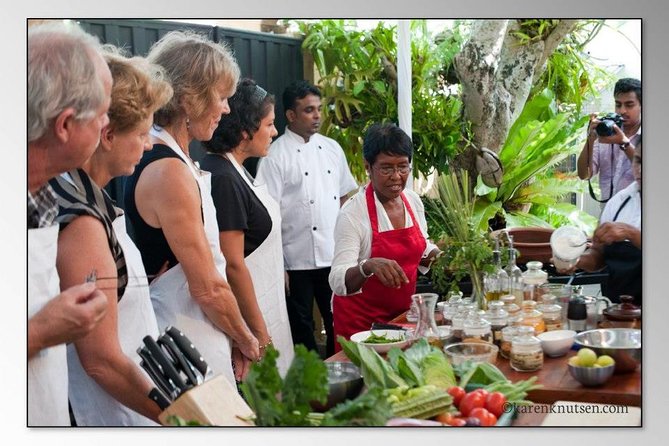
The biggest “future value” point here is that you get the recipes for the dishes you cook. That’s more useful than a souvenir because it turns your three hours into a repeatable skill set.
In a place like Sri Lanka, recipes aren’t just instructions; they’re also a record of how someone cooks in a home setting. That means you’ll have a realistic way to recreate the meal without guessing.
And since Chef Mohara is actively involved in teaching, the class focus tends to stay on how to reproduce—not just how to watch.
Price and value: what $60 buys you
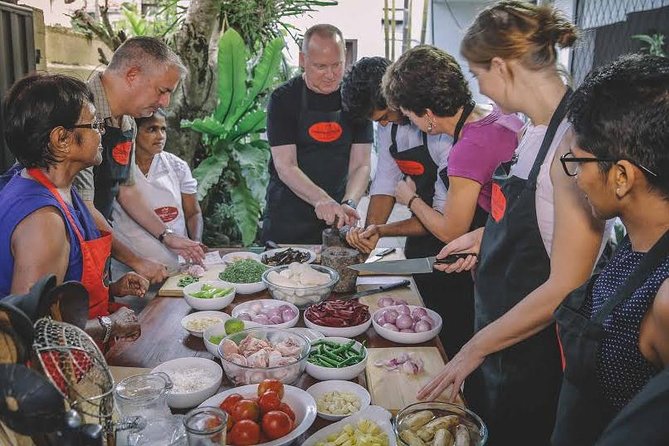
At $60 for about three hours, the value comes from what’s included and what you walk away with.
You’re getting:
- All ingredients for the lunch/dinner meal you cook
- Bottled water and soda/pop
- The chance to make multiple dishes (curries, rice, sambols)
- Recipes for what you cook
- A private group format
That combination is the key. If the class were only a single curry and a plate of rice, $60 might feel harder to justify. But when you’re learning how to put together a full Sri Lankan meal—then taking the recipes with you—the price starts to make sense.
One note: alcoholic beverages aren’t included, so this is not an “eat with drinks” experience. If you’re hoping for that vibe, plan around it.
Meeting point, timing, and how to make it easy
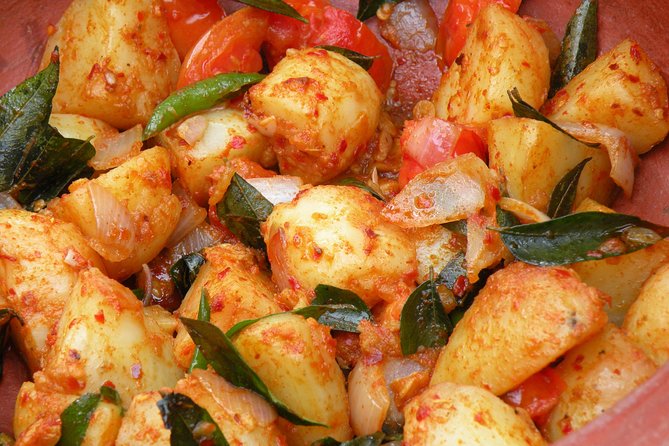
The meeting point is 49 Park Ln, Sri Jayawardenepura Kotte, and the class runs inside 10:30 AM to 2:00 PM. Since the activity ends back at the meeting point, you don’t need to stitch together transportation afterward.
Because it’s described as near public transportation, I’d treat it as walk/short-ride friendly depending on where you’re staying. And since you get a mobile ticket, you can keep things simple—no paper ticket hunt.
The session is about three hours, so plan for a full meal time. If you schedule something right after, keep it flexible. Cooking classes build momentum, and you’ll want time to settle afterward.
Who this is best for (and who might not love it)
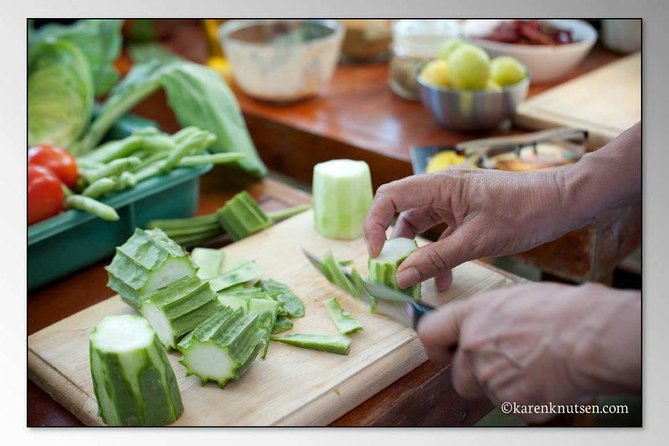
This class is a strong match for you if:
- You want more than one dish and a full meal plan
- You like learning techniques you can repeat at home
- You enjoy a personal teaching style at a home kitchen setup
- You care about recipes, not just the tasting
It may be less ideal if you only want a quick photo stop or you strongly dislike hands-on cooking. The point here is learning through doing, and that takes energy.
Should you book Cooking by Colour with Mohara Dole?
If you want a practical, skills-focused way to learn Sri Lankan cooking in Colombo, I’d book this. The value is in the mix of curries + multiple rice types + sambols, plus the fact that you leave with recipes you can use again.
I’d also consider booking if you’re the kind of person who likes understanding food choices—why certain ingredients show up and how they fit together on a plate. It’s one of those experiences that turns a meal into something you can reproduce, not just something you ate.
If you’re expecting a long sit-down dinner with unlimited drinks, this probably won’t match your idea. Bring your appetite for cooking.
FAQ
How long is the cooking experience?
It runs for about 3 hours.
Where does the class start and where does it end?
It starts at 49 Park Ln, Sri Jayawardenepura Kotte, Sri Lanka and ends back at the same meeting point.
Is this a private experience?
Yes. It’s private, meaning only your group participates.
What foods will I learn to make?
You’ll learn traditional Sri Lankan foods such as curries (including options like loofah, eggplant, lotus root, chicken, seafood, and beetroot), rices (including basmati, red raw rice, and samba), and sambols.
Are recipes included?
Yes. You receive the recipes of the foods you cook so you can recreate them at home.
What’s included in the price?
Included are dinner, all ingredients for the lunch/dinner meal, bottled water, and soda/pop.
Is alcohol included?
No. Alcoholic beverages are not included.
What is the cancellation policy?
You can cancel for a full refund up to 24 hours in advance of the experience’s start time. If you cancel less than 24 hours before, the amount paid is not refunded.