REVIEW · SRI LANKA
Kumana National Park : Morning or Afternoon Safari (6 h)
Book on GetYourGuide →Operated by Tiger Safaris · Bookable on GetYourGuide
Kumana National Park is built for people who love wildlife and quiet watching. A 6-hour safari in Yala East is interesting because it mixes classic big-animal country with serious bird territory, including mangroves where lots of species feed and rest. I like how the tour keeps the day simple and structured: pickup, then you go straight into the park with time for a guided route and photo stops. You’re also traveling in a spacious 4×4 safari jeep, so the experience feels practical, not cramped.
My second favorite part is the bird focus. Kumana is known for 200+ bird species, including rare and migratory birds, so even when big animals are quiet, you can still have an excellent day with spotting, listening, and photographing. The route is also built around places like the Kumana Villu (mangrove swamp) and Kumbukkan Oya (river). One consideration: food and drinks are not included, so plan for your energy before you go.
In This Review
- Key Points You’ll Care About
- Entering Kumana National Park from Arugam Bay, Pottuvil, or Panama
- The Jeep Ride: Why Timing and Seating Matter for Spotting
- Kumana Villu Mangrove Swamp: Your Birdwatching Payoff Zone
- Kumbukkan Oya River: A Scenic Break That Still Feeds the Search
- The Leopard and Elephant Chances: What the Guide Approach Really Means
- What 4 Hours in the Park Feels Like (Without Wasting Your Day)
- Morning vs Afternoon Safari: Choose Light, Choose Mood
- Price and Value: What $78 Per Person Includes
- Comfort, Camera Setup, and Rules That Affect the Day
- Who This Safari Is Best For (and Who Might Want Something Else)
- Should You Book Tiger Safaris for Kumana?
- FAQ
- How long is the Kumana National Park safari?
- Where does the pickup happen?
- What’s included in the price?
- Are food and drinks included?
- What languages are provided?
- Is there a photo stop during the safari?
- Is alcohol allowed?
Key Points You’ll Care About
- Birdwatching first, wildlife second: Kumana is a go-to place for rare and migratory birds.
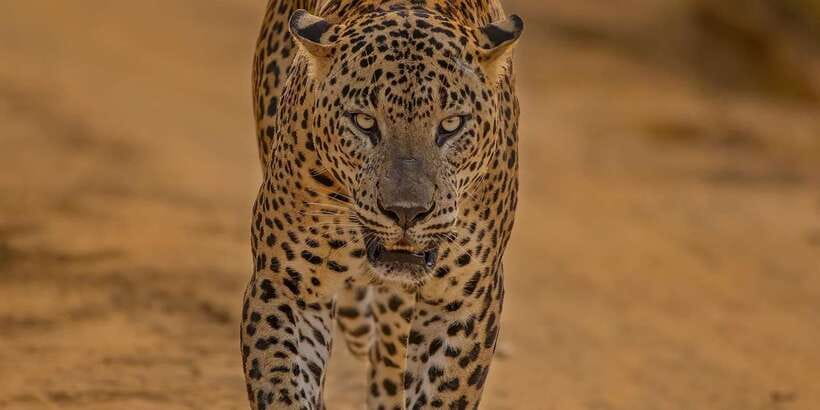
- Leopard and elephant opportunities: The safari route targets areas where these animals are known to appear.
- Kumana Villu and Kumbukkan Oya: Mangrove and river scenery help concentrate birdlife and keep the drive rewarding.
- Comfort in a 4×4 jeep: Spacious safari jeeps make uneven roads more tolerable.
- English live guide plus audio guide: You get active explanations and optional extra listening.
- 6 hours total, built from driving plus park time: Enough time to see the key areas without burning a whole day.
Entering Kumana National Park from Arugam Bay, Pottuvil, or Panama
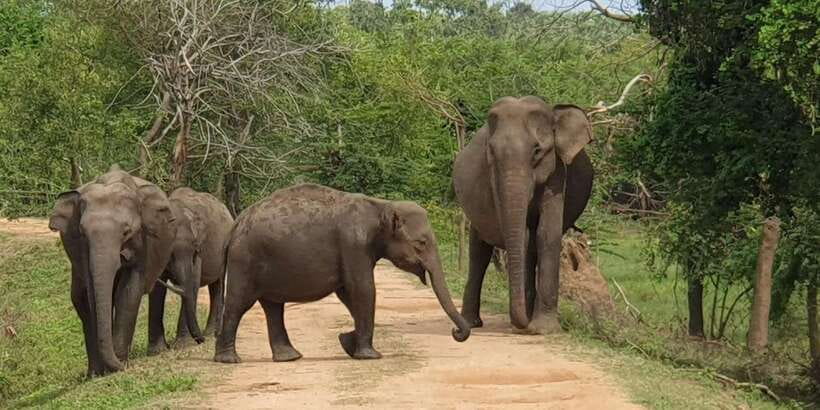
This safari is designed for the Eastern Province, and it starts the easy way: a complimentary pickup from your hotel area near Arugam Bay, Pottuvil, or Panama. You’ll ride in a 4*4 safari jeep, which matters because you’re not just sightseeing on a smooth road. Kumana’s roads can be bumpy and uneven, and a more stable safari vehicle helps you stay comfortable so you can actually watch.
The total experience is about 6 hours, including one hour of travel each way. That structure means you don’t waste your morning or afternoon bouncing around for long transfers. It also sets expectations: your time in the park is the main event, and the drive time is the connector.
You can also read our reviews of more tours and experiences in Sri Lanka
The Jeep Ride: Why Timing and Seating Matter for Spotting
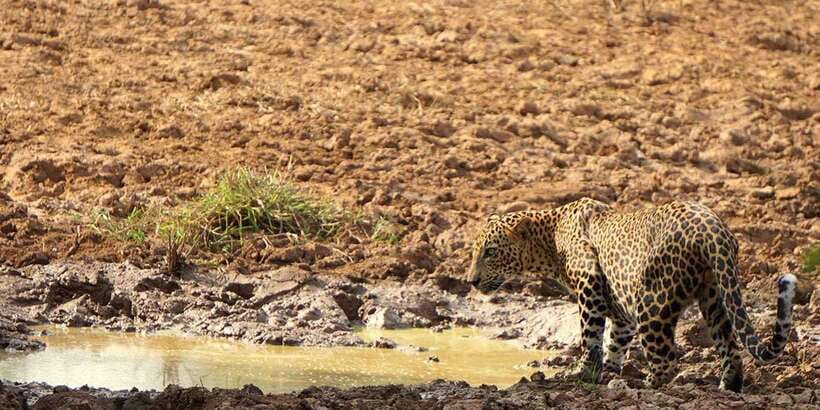
The vehicle component is more than “transport.” It’s your viewing platform. The tour uses a spacious jeep, and that’s a big deal for camera handling and for staying in a position where you can see when wildlife moves. In a safari setup, small comfort issues add up fast—bad seating or cramped angles can ruin your photos and your patience.
There’s also a practical rhythm to how these safaris tend to run: you’ll get moving, pause for the right moments, then keep scanning. Since the route includes photo stops and scenic views on the way, you’ll likely be asked to keep your eyes open even before the best wildlife areas. I like that the day isn’t only about one single “spot.” It spreads opportunities across the park time.
Kumana Villu Mangrove Swamp: Your Birdwatching Payoff Zone
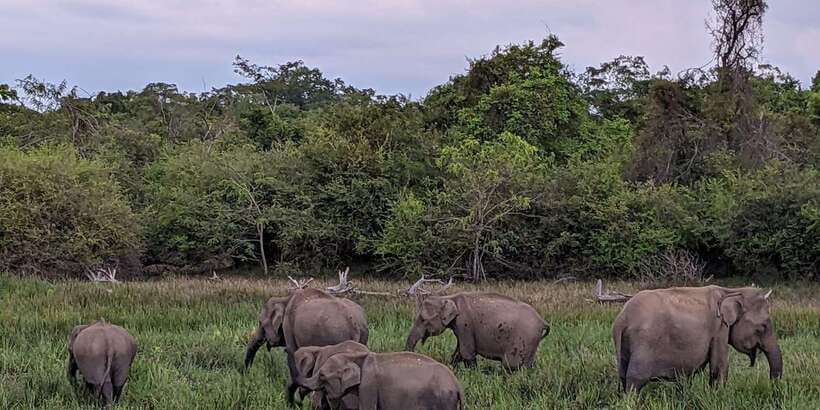
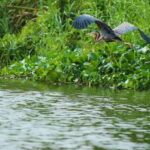
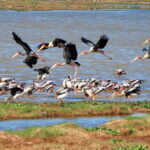
If your idea of an unforgettable safari includes birds—calls, colors, and the feeling of watching behavior up close—then Kumana Villu is a key reason to go. The tour specifically includes this large mangrove swamp area as a highlight. Mangroves work like nature’s meeting room: food sources and shelter bring in many birds, and the swamp attracts birdlife consistently enough to make a guided route meaningful.
You’re also going to be in a park that’s not just “bird-friendly,” but well-known for over 200 bird species. That’s the sort of number that can sound like a brochure claim until you realize what it means for your day. It means you can keep watching even if the big animals are distant. You can focus on birds’ movement patterns—feeding along edges, perching, flying in and out—while your guide helps you interpret what you’re seeing.
Photo-wise, a mangrove setting gives you something helpful: a mix of open viewing and shaded cover. That can improve your odds of getting shots that don’t look like you photographed through pure glare.
Kumbukkan Oya River: A Scenic Break That Still Feeds the Search
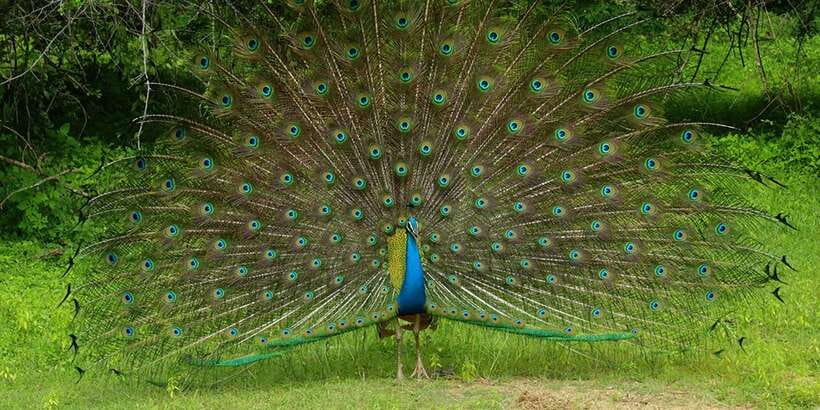
After the mangrove area, the safari includes Kumbukkan Oya, described as a scenic river flowing through the park. A river in a wildlife sanctuary does two things for your experience: it refreshes the scenery, and it tends to concentrate activity because animals come to drink, rest, and move along water.
For you as a visitor, the river stop is valuable because it keeps the day from feeling like a nonstop scan with no payoff. You get a change of pace, plus a different set of birdlife and animal activity possibilities. Even when the most famous sightings are quiet, river routes tend to support steady wildlife motion—birds skimming, insects near banks, and mammals traveling between cover and water.
The tour also includes guided sightseeing and passing scenic viewpoints, so you’re not just sitting still. That matters because wildlife watching is partly about being in the right position when something crosses your line of sight.
The Leopard and Elephant Chances: What the Guide Approach Really Means
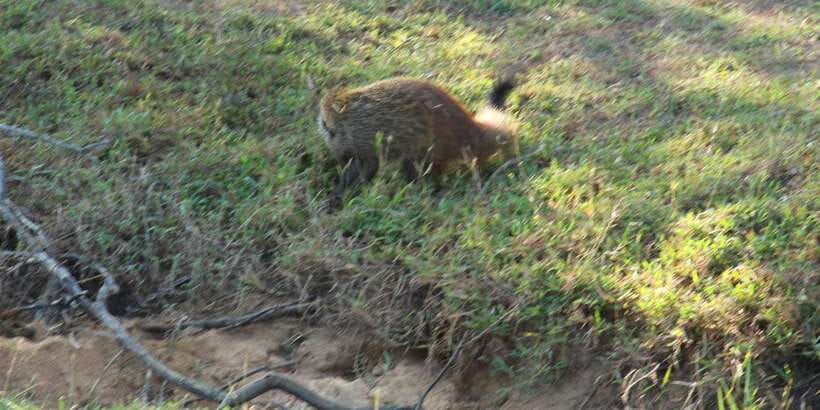
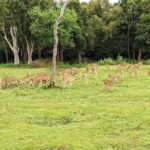
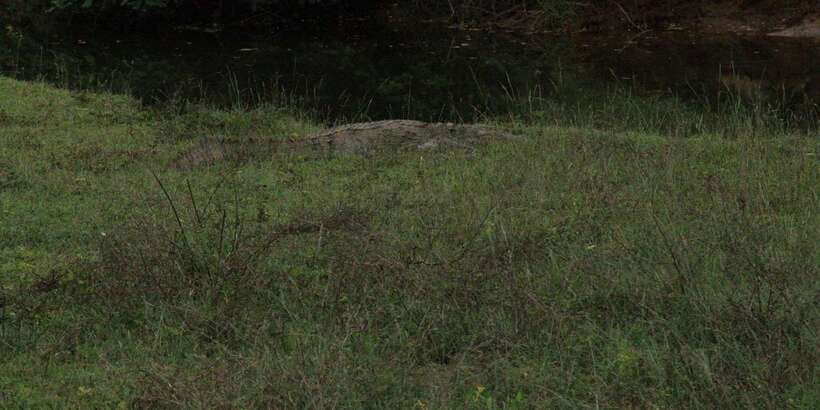
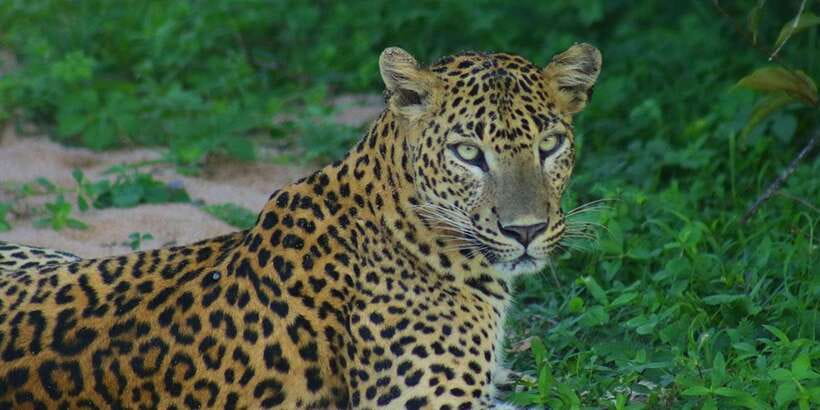
This safari’s promise is built around wildlife, including leopards, elephants, deer, crocodiles, and birds. In Kumana, those animals don’t operate on your schedule, so the real value is how the guide works the area. The tour emphasizes that you’ll have an experienced guide showing you the wild side of the park and helping you spot wildlife during the safari.
Here’s the practical angle: a good safari guide doesn’t just say what exists in the park. They help you understand where to look next and when. That’s why a guided tour makes more sense than a self-drive for many visitors—especially if you want both birds and mammals in one day.
You’ll also get chances for photography during the drive. That doesn’t guarantee a leopard photo, but it does mean you aren’t treated like a passenger who only “arrives, looks, leaves.” Instead, you’re moving through the park with guidance that supports spotting and timing.
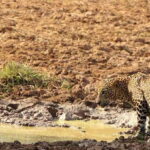
And yes, leopard luck happens here. One standout safari outcome includes sightings of multiple leopards in a single outing, which tells you the park can deliver dramatic results when conditions line up.
What 4 Hours in the Park Feels Like (Without Wasting Your Day)
Your in-park time is about 4 hours, and the tour includes a mix of:
- Photo stop and sightseeing moments
- A guided tour with stops designed for wildlife viewing
- Pass-by scenic viewpoints to keep the route engaging
Four hours sounds short until you remember the combination of scanning time and animal movement. Wildlife doesn’t show up like a train schedule. But four hours is long enough to do meaningful searching in different habitats: mangroves, a river zone, and general park areas that feed bird activity.
Also, this structure makes it easier to choose what slot works best for you.
Morning vs Afternoon Safari: Choose Light, Choose Mood
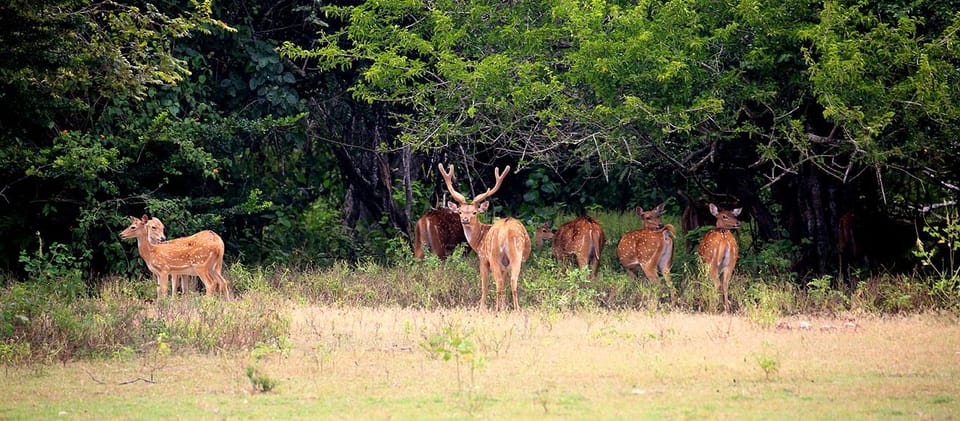
The experience is offered as a morning or afternoon safari with a total duration of 6 hours. The biggest reason to choose morning is light. Morning tends to produce better viewing conditions for photographing birds, and it’s also when animal activity can feel more alive. One guest experience highlights the sunrise over Kumana as breathtaking, which fits the idea that early starts can pay off visually, not just for animal odds.
Afternoon can still work well, especially if you prefer a slower pace and want softer light for some wildlife shots. But you’ll likely want to be more disciplined about scanning because the park can feel quieter than it does earlier in the day.
If you’re the type who loves birding, I’d lean morning for the combination of bird movement and photographic light.
Price and Value: What $78 Per Person Includes
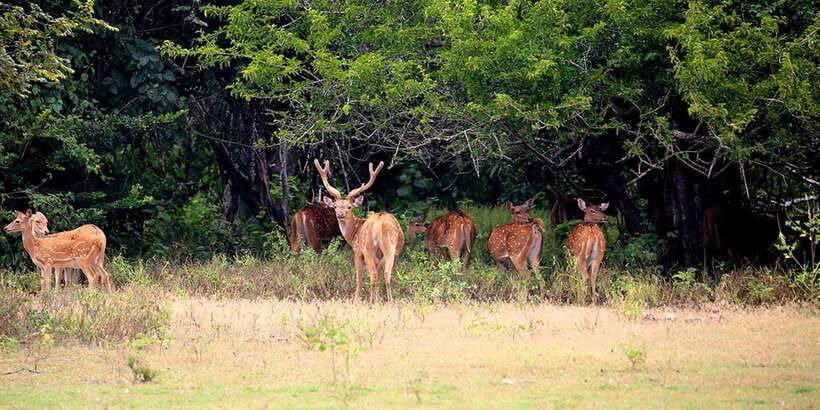
At $78 per person for a 6-hour safari, the value depends on what’s included. In this case, the tour covers a lot of the “hidden costs” that can quietly raise the price elsewhere:
- National Park entry fees
- All taxes and charges
- Complimentary pickup and drop-off near Arugam Bay, Pottuvil, and Panama/Kumana area
- A comfortable 4×4 safari jeep
- An experienced English live guide
- English audio guide
What’s not included is important: food and drinks. This is the main gap in the value equation. If you go hungry, you’ll rush your attention and lose patience. If you bring something simple to eat and drink before pickup, the tour feels like a clean, efficient use of your time.
One more value point: both a live guide and an audio guide are included (English). Even if you tune out parts of the audio, having both options reflects an emphasis on information—not just “ride around and hope.”
Comfort, Camera Setup, and Rules That Affect the Day
The safari is built for comfort in the vehicle and for practical wildlife viewing. Still, there are rules you should know ahead of time:
- Bring your passport or ID card
- Alcohol and drugs are not allowed
- The safari is not suitable for pregnant women and people with back problems
That last item isn’t a judgment call on your health—it’s a logistics call. Safari vehicles and park roads can be bumpy, and the day’s viewing style depends on moving and scanning. If your body needs a very smooth, low-impact routine, this is something to consider carefully.
Camera-wise, think like a safari photographer. Keep lenses ready, but also keep your breathing steady. Wildlife days reward patience. The tour includes photo opportunities, so it’s not a “sit and watch” situation where cameras stay idle.
Who This Safari Is Best For (and Who Might Want Something Else)
This is a strong fit if you:
- Want birds and mammals in one half-day
- Prefer guided interpretation while still getting time to photograph
- Are basing yourself around Arugam Bay, Pottuvil, or Panama
- Like the idea of a focused route that includes key habitat areas like mangroves and a river
It’s also a good “first safari” option because the day is structured. You’re not piecing together entry fees, vehicle arrangements, and guide timing on your own.
It might not be the best choice if you:
- Absolutely need a meal included during the tour (because food and drinks aren’t provided)
- Have mobility or back issues that make bumpy transport hard
- Want a strictly private experience (the provided data doesn’t promise private arrangements)
Should You Book Tiger Safaris for Kumana?
I’d book this safari if your goal is a well-paced half-day that targets Kumana’s best-known viewing style: bird hotspots like Kumana Villu, plus river country at Kumbukkan Oya, with a serious focus on wildlife including leopards and elephants. The inclusion list is what sells it—entry fees, guide, jeep, and pickup all handled—so you’re paying for a complete field day, not just a vehicle.
Before you hit reserve, make your decision on two practical points:
- Plan food and water yourself, since the tour doesn’t include it.
- Pick morning if you care about light and dramatic natural moments, since sunrise is a standout in guest experiences.
If those two fit your travel style, then this 6-hour Kumana National Park safari is a smart use of time—and a very real chance to see Sri Lanka’s Eastern wild side, up close.
FAQ
How long is the Kumana National Park safari?
It lasts 6 hours total.
Where does the pickup happen?
Pickup is available from Panama, Arugam Bay, and Pottuvil (near the Kumana area as well for the broader pickup/drop-off coverage).
What’s included in the price?
National Park entry fees, all taxes and charges, complimentary pickup and drop-off, a comfortable 4×4 safari jeep, an experienced English live guide, and an English audio guide.
Are food and drinks included?
No. Food and drinks are not included.
What languages are provided?
The live tour guide is English, and the audio guide is also in English.
Is there a photo stop during the safari?
Yes. The experience includes a photo stop and time for guided sightseeing.
Is alcohol allowed?
No. Alcohol and drugs are not allowed.