REVIEW · ANURADHAPURA
Minneriya National Park : Safari Jeep with Tickets
Book on GetYourGuide →Operated by Trav Ceylon Leisure · Bookable on GetYourGuide
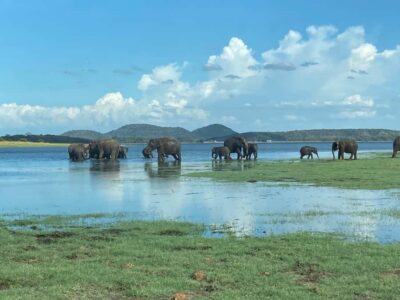
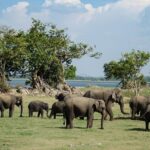
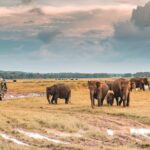
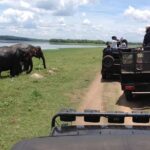
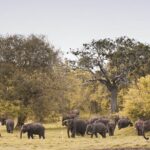
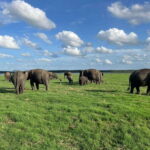
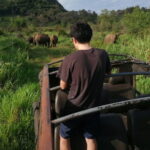
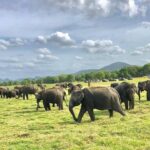
Hundreds of elephants gather at dusk. A Minneriya jeep safari is built around the famous Minneriya tank during Sri Lanka’s dry season, when elephants come in large numbers to feed and bathe—then you spend 3 hours quietly watching the action from a safari vehicle. I especially love how the timing supports the day’s “wildlife rhythm,” and how your guide works to put you in the best viewing spot, not just anywhere on the road.
Private safari jeeps keep the experience calmer and more flexible, and in my opinion that matters when you’re trying to track moving herds. The other thing I like is the small human touches: water ready for you, and a king coconut drink after the safari, which is a very practical way to cool down and reset. One consideration: elephant sightings can shift by day and herd location, and your guide may adjust the plan to chase the best chance.
In This Review
- Key points to know before you go
- Minneriya Tank in the Dry Season: Why This Safari Has a Real Pull
- Evening Safari Timing (2:30 pm to 5:30 pm): The Best Part of the Day
- Your 3-Hour Jeep Drive: What the Route Feels Like
- Where You Meet Up: Habarana vs. Minneriya, and the 5 km Pickup Radius
- Elephant Spotting: What You’re Really Trying to See
- Nature Lessons You’ll Pick Up Without a Lecture
- Guide Quality: The Difference Between Good and Great Viewing
- What’s Included (and Why That Impacts Your Real Cost)
- Comfort and What to Bring for a Smooth Safari
- When This Safari Is the Best Fit for You
- Should You Book This Minneriya Jeep Safari?
- FAQ
- What time does the evening safari start and end?
- Does the price include Minneriya National Park entrance tickets?
- Is hotel pickup included?
- What type of vehicle is used?
- What animals might I see besides elephants?
- What should I bring?
Key points to know before you go
- Dry-season elephant congregation: Minneriya tank can draw up to 700 elephants at peak times.
- Evening safari focus: The 2:30–5:30 window is ideal for bathing behavior and late-day bird activity.
- A guide who actively scans: Strong animal-spotting and smart positioning improve your odds.
- Private jeep comfort: You’re not squeezed into a crowd, so watching is easier.
- Park tickets and basics included: Entrance fees, water, and a king coconut drink are part of the package.
- Expect variety beyond elephants: Wetlands, forest edges, rocky patches, and agricultural land bring different wildlife chances.
Minneriya Tank in the Dry Season: Why This Safari Has a Real Pull
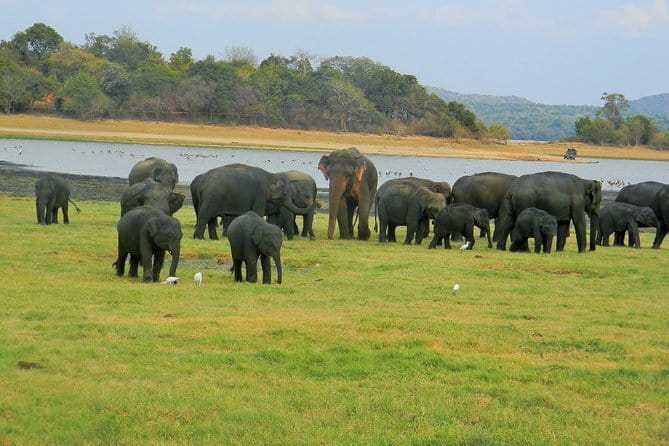
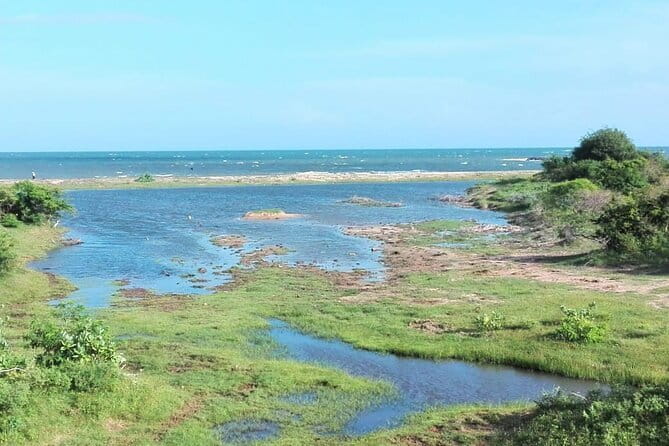
Minneriya National Park is famous for one thing: the Minneriya tank. During the dry months, water and food become harder to find, and that’s when elephants concentrate around reliable feeding and shelter areas. If you’re coming for elephants, this is the kind of place where the setting is part of the show. You’re not just looking at animals; you’re watching how they use a landscape that supports them.
On the ground, that landscape isn’t uniform. The park mixes wetlands with agricultural land and rocky outcrops, while forests and scrublands overlap. That matters because elephants aren’t the only story. You might spot other wildlife that moves between habitats, plus birds that use edges and open stretches. Even if elephants are your main reason for coming, the varied scenery helps keep the safari feeling alive.
You can also read our reviews of more tours and experiences in Anuradhapura

Evening Safari Timing (2:30 pm to 5:30 pm): The Best Part of the Day
If you can choose, the evening option is the one I’d lean toward here. Your safari starts at 2:30 pm, and you’re back by about 5:30 pm after 3 hours inside the park. That timing isn’t random. As the heat cools, elephants become more active in ways you’ll actually notice—especially bathing behavior at the end of the day. It’s also a calmer time for wildlife viewing in general, and it often aligns with bird routines as they head toward nests.
There’s also a practical advantage to ending around 5:30: you’re not stuck in “all-day tour” mode. You get the core safari experience, then you can still return to your hotel and eat whenever you like. Since food and beverages aren’t included, you’ll appreciate having that flexibility.
Your 3-Hour Jeep Drive: What the Route Feels Like
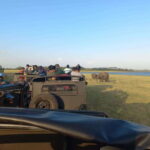
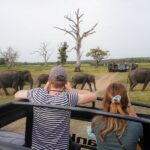
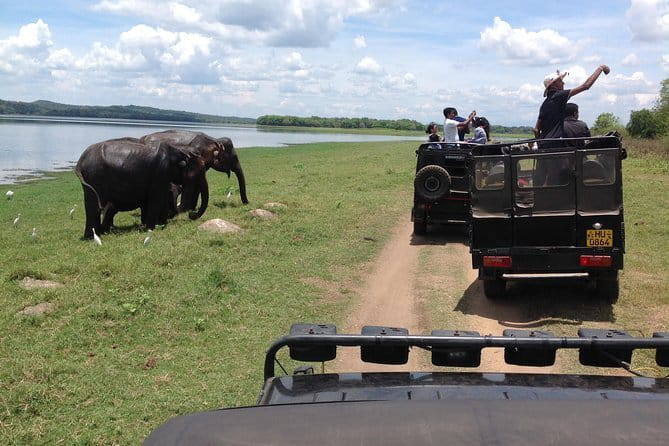
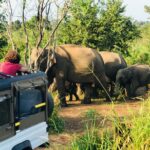
This isn’t a long marathon. You get one focused window—3 hours of game drive and wildlife viewing inside Minneriya National Park. The vehicle is a jeep or SUV, and it’s private for your group, which typically makes a huge difference in how you experience a safari. Instead of competing for sight lines, you can settle into a position and concentrate on what the guide is spotting.
Where you sit matters on any jeep safari because elephants are big, but they’re also mobile. From a good guide, you’ll learn fast that the “best place” is usually the place that balances visibility with safety and vehicle access. In reviews, guides who actively search for animals and reposition for better viewing are specifically praised—and that lines up with what you’ll want once you’ve paid for a safari focused on elephant sightings.
If you’re trying to photograph, bring patience. The roads can be uneven, and animals may appear quickly before moving again. Treat it like watching nature, not like a photo shoot.
Where You Meet Up: Habarana vs. Minneriya, and the 5 km Pickup Radius
This tour is set up around two pickup zones: Habarana and Minneriya. If your hotel sits within a 5 km radius of the park gate, you get complimentary pickup and later drop-off directly to your hotel. That’s one of the best “value” items in the package because it removes the hassle of finding the exact gate area on your own.
If you’re farther than that 5 km radius, you’ll meet your guide at the entrance guide at your chosen departure time. In practice, that means you should confirm your meeting point clearly in advance so you don’t lose safari time wondering where the vehicle will stop.
One more practical note: the pickup driver arrives a few minutes before the scheduled time. The easiest way to avoid delays is to be visible and ready where you said you’d meet.
Elephant Spotting: What You’re Really Trying to See
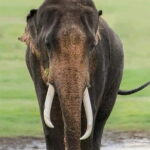
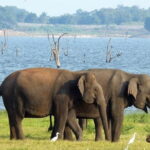
The headline is elephant scale. During peak dry season, Minneriya tank can attract up to around 700 elephants. That’s the famous pull. You may also catch the so-called Elephant Gathering—especially during August, September, and October—when the congregation is said to reach over 150 elephants in one place and elephants arrive from nearby areas.
But here’s the real-world way to think about it: elephant safaris reward the combination of timing and patience. Your guide doesn’t just drive into a random spot and hope. In one review example, the guide adjusted the plan after elephant movement, switching the national park to match where the elephants actually were. That’s a big deal. It’s not only about where you go—it’s about whether someone is tracking the herd in real time.
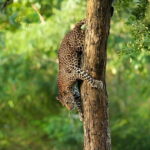
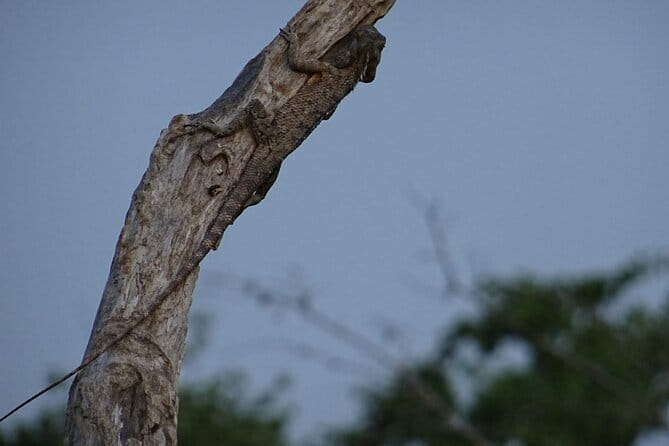
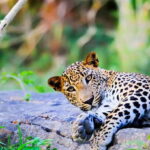
What might you see besides the main herd? You could get lucky with a crocodile, and there’s a mention of the rare grey slender loris if conditions align. A small deer herd might visit the Minneriya reservoir area in the early day context too. Those are “bonus” possibilities, not guaranteed promises, but they help you stay engaged even if the elephant action shifts.
You can also read our reviews of more tours and experiences in Anuradhapura
Nature Lessons You’ll Pick Up Without a Lecture
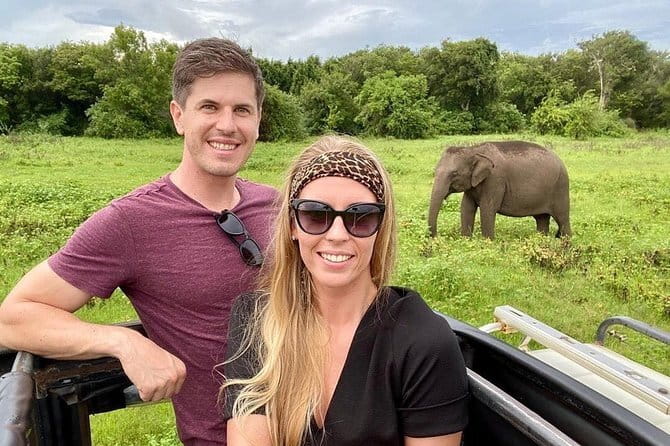
You don’t need a science degree for this park to teach you something. The key is that Minneriya is a living system built around water. When water concentrates at the tank, elephants concentrate there too. That single change—dry-season scarcity—creates an entire chain reaction for feeding, sheltering, and daily routines.
As you watch elephants graze and interact, you’re also seeing social behavior that’s shaped by environment. Elephants aren’t just walking around randomly; they’re making choices about where to feed and when to rest. When they trumpet and move in groups, it’s often part of that daily rhythm.
And yes, you’ll likely hear the “symphony” side of nature: the soundscape that elephants create as they move through the habitat, coupled with birds and other animals. The park’s variety of habitats also means you’re not only looking at one kind of scene. You’re switching between open and sheltered edges, which can change what wildlife appears and how quickly you notice it.
Guide Quality: The Difference Between Good and Great Viewing
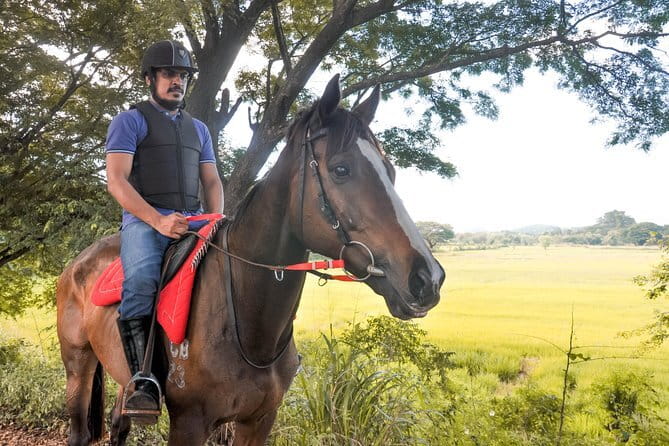
For a safari, your guide can make or break the experience. This one includes an English-speaking driver, and the best versions of this tour are led by people who scan constantly and adjust quickly when animals change positions.
Two specific things stand out from the review feedback. First, guides who arrive early can help you catch elephants when the park feels less crowded—meaning more road access and less competition for good angles. Second, guides who actively place you for viewing matter. In one case, the driver positioned the group so you had the best place to observe, even moving ahead of other jeeps so you weren’t stuck with blocked views.
Then there are the practical details that signal care, like having water ready and offering fresh king coconut after the safari. One review specifically praised Dhanushka for clear communications about pick up timing and for adjusting the park when elephants moved. That kind of flexibility is exactly what you want in wildlife viewing, where nature doesn’t follow your schedule.
What’s Included (and Why That Impacts Your Real Cost)
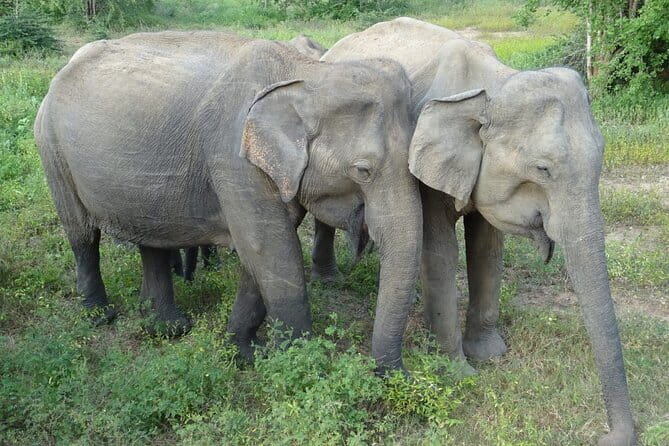
At about $78 per person, this safari’s value is strongest when you look at what you don’t have to pay for separately. Included in the package are:
- Private transport by safari jeep/suv
- Minneriya National Park entrance tickets
- Water bottle per person
- King coconut drink after the safari
- Free pickup/drop-off within 5 km of the park gate
- An English-speaking driver
Not included: food and beverages (other than the king coconut drink).
So the tradeoff is simple. You’re paying for a focused wildlife window plus the core necessities, not for meals. If you eat before you go and plan a real meal after you return, you’ll feel the cost match the experience. If you hoped food would be part of the package, you’ll want to adjust your expectations.
Also, the “private” part matters. In many safari settings, you end up paying more to avoid crowding and to improve viewing control. Here, that control is built into the format.
Comfort and What to Bring for a Smooth Safari
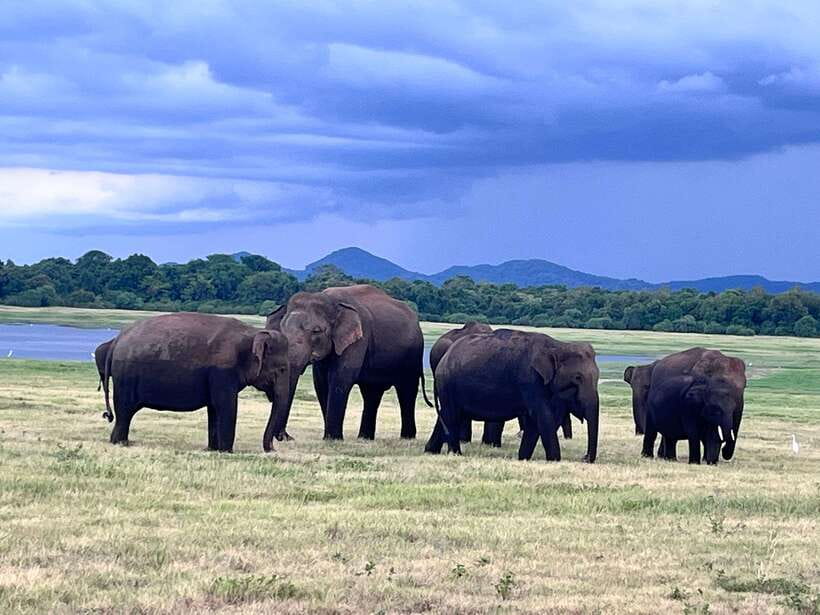
This tour is only a few hours, but you’ll still feel it if you’re not prepared. Wear comfortable shoes and comfortable clothes. The jeep ride can involve uneven ground, and the seating isn’t a theater chair. Breathable layers are smart because you’re moving between morning warmth and late-day cooling.
Bring a small mindset shift too: you’re there for wildlife behavior, not a checklist. If the elephants are calm and clustered, you’ll get long moments to watch them interact. If they move, you’ll need to ride with that reality and trust your driver’s scanning.
When This Safari Is the Best Fit for You
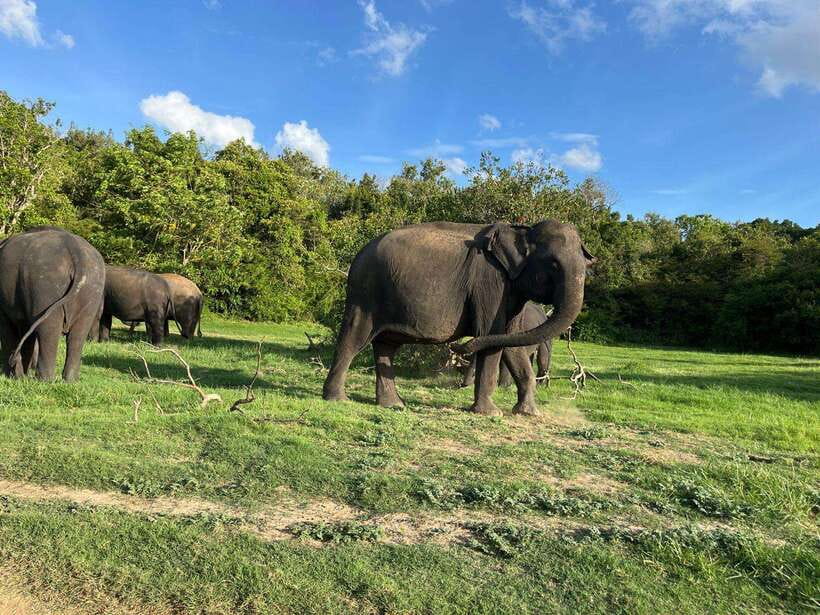
This is a strong choice if:
- You want an elephant-centered experience without spending a full day on the road.
- You prefer private, English-speaking guiding for better communication and quicker adjustments.
- You’re staying around Habarana or Minneriya and want an easy, end-in-the-evening plan.
- You like the idea of evening bathing behavior and late-day bird movement.
It’s also a good match for couples and small groups who want the safari to feel personal rather than crowded.
If you’re the type who hates uncertainty, keep in mind elephant distribution can change. Still, the fact that the guide can adapt—like switching parks when elephants move—is exactly how you reduce disappointment risk.
Should You Book This Minneriya Jeep Safari?
Yes, I’d book it if you’re prioritizing elephants and want a clean, focused package. The combination of park tickets included, private jeep time, and a guide who can adjust for animal movement makes this feel like real value rather than just paying for a name.
Here’s how to make the decision with confidence:
- If you’re visiting in August–October, you’ll have a better shot at the Elephant Gathering timing.
- Choose the evening safari if you can. Bathing and late-day bird activity add meaning to the 3-hour window.
- Pack comfortable clothes and plan to eat on your own after 5:30.
If your trip is short and you want a high-impact elephant safari without turning the day into a travel slog, this is one of the more sensible ways to do it.
FAQ
What time does the evening safari start and end?
The evening safari starts at 2:30 pm and finishes around 5:30 pm, with 3 hours spent on the safari inside the park.
Does the price include Minneriya National Park entrance tickets?
Yes. Entrance tickets are included in the package price.
Is hotel pickup included?
Pickup is complimentary if your hotel is within a 5 km radius of the park gate. If you’re outside that area, you’ll meet your guide at the entrance guide at the selected departure time.
What type of vehicle is used?
You travel in a private safari jeep or SUV for the game drive.
What animals might I see besides elephants?
You may see wildlife such as a crocodile, the rare grey slender loris (if you’re lucky), and deer around the reservoir area. Bird sightings are also possible, especially later in the day.
What should I bring?
Bring comfortable shoes and comfortable clothes. The tour also provides a water bottle per person and includes a king coconut drink after the safari.