REVIEW · GALLE
Surf Camp in Weligama Beach Sri Lanka
Book on Viator →Operated by Surfers Paradise · Bookable on Viator
Surf in Weligama is made for fast learning. This Surfers Paradise surf camp pairs time in the Weligama Bay with real instruction, then keeps you comfortable between sessions with beach lounging and extra touches like free king coconuts. I like that the lessons are structured around progress (not just letting you paddle out and hope), and I also like the relaxed community feel on the sand.
One thing to consider: the name surf camp can cover different package sizes, so check which lesson bundle you’re actually booking and how many sessions you’ll do in your day plan.
If you’re learning (or coming back after a break), this kind of setup in Weligama can help you get your turns going without feeling rushed.
In This Review
- Key highlights you’ll care about
- Weligama Bay: Why this surf spot helps you progress
- Inside the surf lessons: 75 minutes, plus the board progression
- What’s included that actually saves you money
- Your day plan: where surfing meets sightseeing
- Stop-by-stop: what each named location gives you
- Sunset session and the beach vibe that keeps you learning
- Accommodation choices: dorm vs private, AC and hot water
- Price and value: what $153 buys you (and what to watch)
- Getting there smoothly: meeting point and pickup options
- Who this surf camp fits best
- Should you book Surfers Paradise in Weligama?
- FAQ
- What is the duration of the surf camp experience?
- Where does the experience start and end?
- What’s included in the surf camp?
- Are meals included if I don’t choose accommodation?
- Do you offer pickup, and how much does it cost?
- What accommodation options are available if I extend the stay?
- Can I cancel for a refund?
Key highlights you’ll care about

- 75-minute coaching blocks keep the learning focused and paced
- Board and rashguard included, with unlimited board use when you choose accommodation packages
- Instructors named in feedback like Pragee and Tuti who explain what you’re doing and why
- Consistent white and green wave practice that suits beginners and improving surfers
- Free king coconuts + chill music after surf, with sun beds for downtime
- Small groups up to 15 for more personal attention
Weligama Bay: Why this surf spot helps you progress
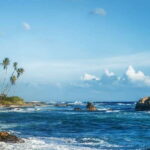
Weligama is one of those places where the ocean layout does a lot of the work for you. The bay setup is known for waves that are easier to read, so you spend more time riding and less time getting tossed around. That matters when you’re learning: you want enough repetitions to build confidence, then you want the coach to fine-tune your timing and technique.
The surf camp is built around this idea. It’s not just “surf and disappear.” You’re meant to get morning improvement, then keep working on skill by yourself afterward, and then go back for a sunset session. That full-day rhythm is ideal if you’re trying to move beyond standing up once and hoping your next attempt is better.
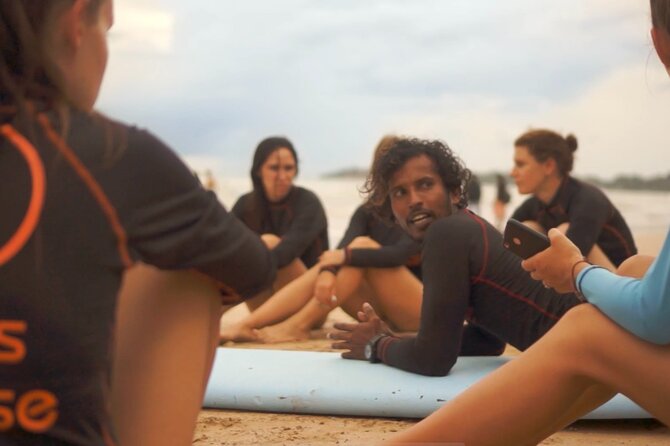
You’ll also get a vibe change from the moment you step out onto the sand. The camp keeps things chill: sun beds, chill music, and a simple routine that helps you stay relaxed between sessions. When you’re tense, your paddling gets sloppy. When you’re relaxed, you learn faster.
You can also read our reviews of more tours and experiences in Galle.

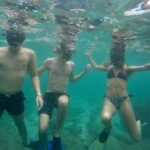
Inside the surf lessons: 75 minutes, plus the board progression
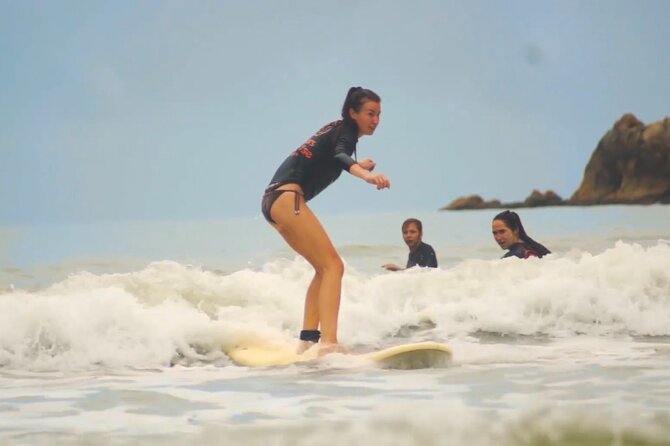
Each lesson runs 75 minutes, which is long enough for a coach to correct your basics and still give you usable practice time. A lot of surf schools do short sessions that feel like a warm-up. Here, the timing suggests they want you to leave each session feeling more capable than when you arrived.
What makes this camp especially practical is the way the instruction is described across levels. If you start as a beginner, you’re not locked into only one board type. Feedback mentions learning across softboard and hardboard, plus work across wave types like white and green waves. The goal is to help you progress step-by-step: start on something stable, then move to boards and conditions as you improve.
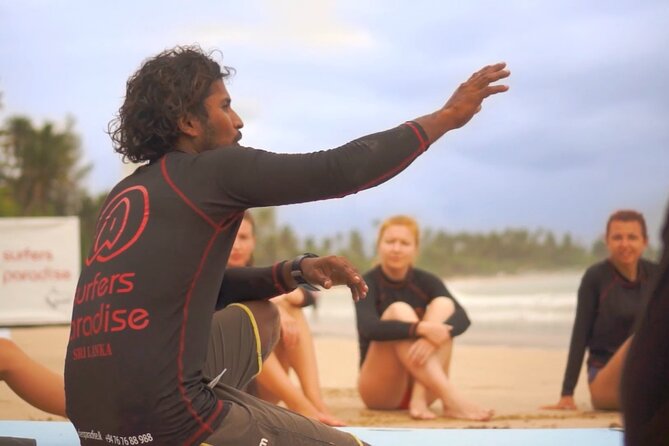
Two instructor names come up clearly: Pragee and Tuti. In feedback, Pragee is described as teaching surf theory and explaining the why behind movements, not just showing the next step. Tuti gets called out for a lesson that both felt structured and helped people feel like they improved during the time together. That’s a big deal. Surf is frustrating when you only get instructions like do this, because it turns into guessing. Coaching that explains the cause helps you correct faster.
What’s included that actually saves you money
Let’s talk value in real terms. The camp setup includes the gear you usually have to figure out on your own: a surfboard and rashguard. That’s important because if you’ve ever tried to learn while wearing the wrong gear (or without enough board time), it slows everything down.
You’re also set up for energy management. Breakfast is included with packages that include accommodation. If you don’t choose accommodation, breakfast can be added on the beach for an extra fee. Either way, it’s built into the day plan so you’re not hunting for food between lessons and losing daylight.
Then there are the small perks that make the day easier. After surf, you can use beach sun beds, drink a free fresh king coconut, and listen to chill music. It sounds simple, but it supports the real goal: keep you comfortable so you can go back in the water again.
Your day plan: where surfing meets sightseeing
Your experience runs about 1 day and 3 hours (approx.), and there’s also an option for longer stays through lesson bundles and potential accommodation nights. Your route can include several stops around the Galle area—so think of this as a day with a surf focus plus a short sightseeing sweep.
The listed route includes:
- Galle Dutch Fort
- Deniyaya
- Coconut Tree Hill
- Turtle Point
- Hiriketiya Beach
- Visit Sinharaja Rainforest
Here’s how to interpret this if you’re booking: don’t expect each stop to be a full-day exploration. With a short overall duration, you’ll likely get time to see the place, take photos, and soak up the change of scenery rather than do deep research on every location. The upside is that you won’t spend the whole day only thinking about the next set of waves—you’ll also get a sense of the coastline and the broader inland area you’re staying near.
If you want a calm, active day, this blend works well. You get surf skill building plus those “look how different the next place is” moments along the route.
Stop-by-stop: what each named location gives you
Because your time is limited, I’d treat these stops as “checkpoints” for perspective.
Galle Dutch Fort is the cultural anchor of the route. You’ll have a chance to step into a fort-area atmosphere and see how Galle’s coastal story shows up in the streets and fort zones.
Deniyaya is likely the inland contrast point. When a surf-focused day includes a place like Deniyaya, it helps break up the coast-only routine and gives you something greener and less beach-centered.
Coconut Tree Hill is the photo-and-view stop. Even if you don’t have hours to explore, these viewpoint-style stops are the ones that reset your brain between travel legs.
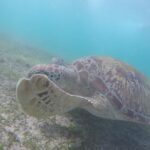
Turtle Point is a coastal stop where the setting matters more than long walks. You’ll be in the right area for that “ocean watching” feeling.
Hiriketiya Beach is another coastline highlight. It’s a chance to compare wave vibes and the general feel of one beach area versus another.
Finally, Sinharaja Rainforest is the big name on the list. With a short day program, you likely won’t cover it like a multi-day hike, but the stop itself signals that the region’s rainforest side is part of the broader experience theme.
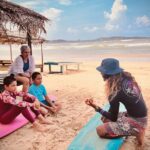

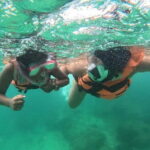
Sunset session and the beach vibe that keeps you learning
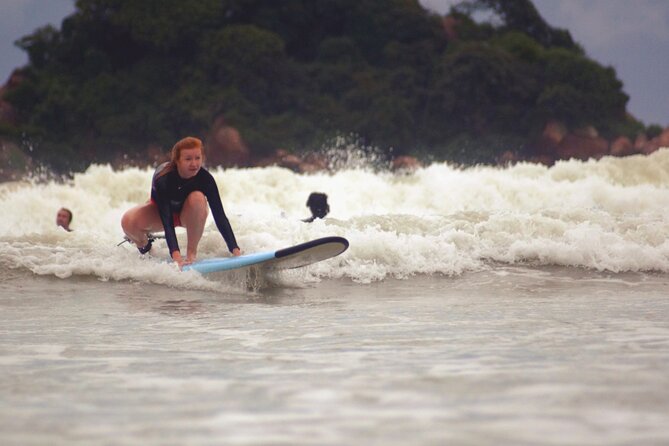
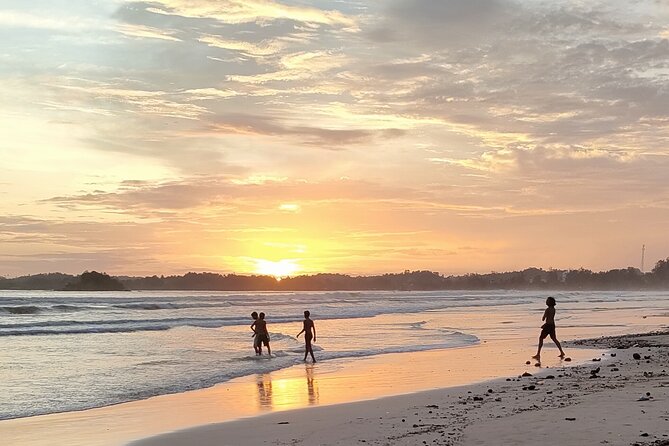
A key part of the camp rhythm is that you don’t just do one session and go home. You get a morning lesson, then time to work on your skills in the water on your own or with the help of the camp setup, and then a sunset lesson with that “sunset sesh” energy.
Sunset surf can be a sweet spot for improving because your body is looser after a morning of learning. You’ve also already had corrections from the instructor, so you can apply them to the next conditions. Plus, the visuals in the bay area can make the day feel like it has a proper arc: morning focus, afternoon practice, evening reward.
Between sessions, the camp keeps things easy. Sun beds, chill music, and free king coconut keep the hang-time from feeling awkward. If you want to add extras, you can also treat yourself to massages or yoga lessons, which are suggested as options nearby.
Accommodation choices: dorm vs private, AC and hot water
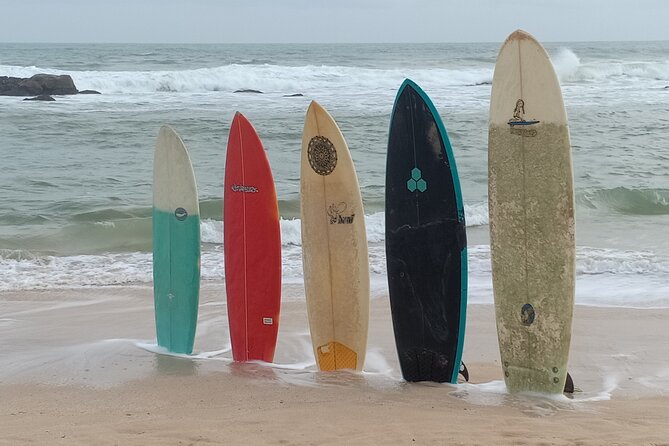
If you go beyond the one-day version, accommodation can change the value. Packages with accommodation include breakfast and can include unlimited surfboard use. That’s how you actually get more learning time without paying for extra gear or constantly organizing access to boards.
You have two accommodation options listed:
- Dorm with AC / hot water: $13 per night (stated as per person per night)
- Private room with AC / hot water: $24 per night (stated as per person per night)
If you’re traveling light and want to meet people fast, the dorm option usually makes sense. If you want quieter sleep between surf sessions, the private room option is the one to pick. Either way, AC and hot water matter in Sri Lanka, especially after a salt-heavy day.
Price and value: what $153 buys you (and what to watch)
The price shown is $153, and the camp is positioned as a “fair price” surf coaching option all year. The best way to judge value here is to look at what’s included versus what you’d pay separately.
From what’s provided:
- Board and rashguard are included
- Breakfast is included with accommodation packages
- Free king coconuts and beach sun beds are included as part of the after-surf setup
- Coaching is organized into 75-minute lessons, with lesson bundles available (3, 5, 8, 10, 15+)
What’s not included:
- Airport pickup is $50 for a private car
- Pickup from bus/train station is 300 rupees
- Beach breakfast can be added if you’re not on an accommodation package
- Optional accommodation nights are priced separately if you choose to extend
So the value question becomes: are you buying a true coaching package with repeated water time, or are you picking a smaller bundle that won’t create much practice? If you want skill growth, you’ll usually be happier choosing more lesson hours rather than a minimum starter day—because surf rewards repetition.
Also consider logistics. If you’re landing at the airport and you don’t want to sort transport, the $50 airport pickup can be a time-saver. If you’re already near a station, the 300 rupees station pickup is cheaper and simpler.
Getting there smoothly: meeting point and pickup options
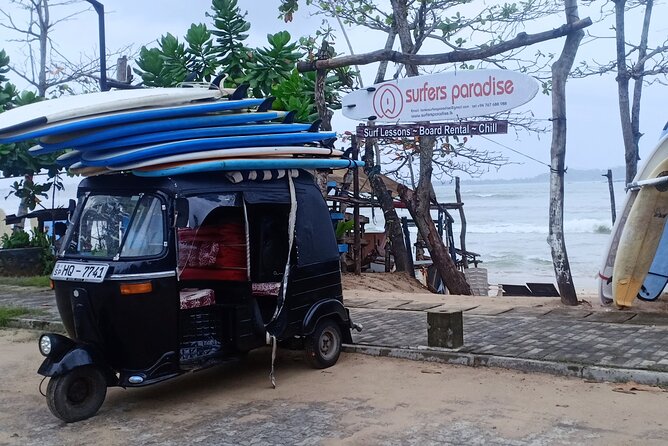
You meet at Surfers Paradise Surfcamp Sri Lanka at Weligama By Pass Rd, Weligama 81700. The activity ends back at the meeting point, which keeps the day easier to manage when you’re not traveling with your own car.
Pickup is offered, with options you can plan around:
- Airport private car pickup: $50
- Bus or train station pickup: 300 rupees
The camp is also described as near public transportation, so you’re not locked into one transport method.
Who this surf camp fits best
This camp is designed for beginners and intermediate surfers. It’s also described as most travelers can participate, and the small max group size of 15 supports that it’s not a giant crowd scene.
One detail I’d take seriously: the camp format includes individual lessons or lessons with two people of the same group, which can be helpful if you want attention without feeling like you’re competing for the coach’s time. Also, feedback includes a family scenario with children aged 8 and 11, which suggests they can work with younger learners who want structured instruction and a friendly learning pace.
If you want a surf camp that feels like a community (not a production line), this one’s set up for that. If you want total control of every minute with a strict schedule, you might find the chill beach downtime too relaxed. But if your goal is learning plus fun, the balance is the point.
Should you book Surfers Paradise in Weligama?
Book it if you want surf lessons with coaching you can understand, plus a day plan that includes enough time to actually practice. The combination of 75-minute lessons, included board and rashguard, and the in-between comfort (sun beds, coconut, chill music) adds up to a learning environment that doesn’t feel stressful.
Consider booking a longer package (or accommodation) if you want more repetitions. Surf progress comes from water time. And the camp explicitly supports more practice by offering options for multiple lesson bundles, plus unlimited board use when you stay with accommodation packages.
If you’re trying to do just one short taste, you can still have a good time, but manage expectations. A short day can introduce you to the sport. If your goal is turning skill into consistency, plan for more sessions rather than only one.
FAQ
What is the duration of the surf camp experience?
The experience is listed as about 1 day and 3 hours (approx.).
Where does the experience start and end?
It starts at Surfers Paradise Surfcamp Sri Lanka on Weligama By Pass Rd in Weligama and ends back at the same meeting point.
What’s included in the surf camp?
Surfboard and rashguard are provided. Breakfast is included if you choose accommodation, and free king coconuts and beach sun beds are part of the camp setup.
Are meals included if I don’t choose accommodation?
Breakfast is included with accommodation packages. If you don’t choose accommodation, breakfast can be added on the beach for the listed rupies prices.
Do you offer pickup, and how much does it cost?
Airport pickup by private car is listed at $50. Pickup from bus or train station is listed at 300 rupies.
What accommodation options are available if I extend the stay?
Dorm with AC and hot water is listed at $13 per night per person, and a private room with AC and hot water is listed at $24 per night per person.
Can I cancel for a refund?
Yes. Free cancellation is available. You can cancel up to 24 hours in advance for a full refund, and cancellations within 24 hours are not refundable.