REVIEW · GALLE
Private Udawalawa Safari Plus Elephant Transit Home Day Trip
Book on Viator →Operated by Gihan Tours Sri Lanka · Bookable on Viator
A good day starts with baby elephants. Then you hop into a Jeep for Udawalawe National Park and hope for wild sightings. This is a private, 8-to-10-hour day trip from the Galle area built around the Udawalawe elephant transit home’s feeding schedule.
What I like most is the tight link between the elephant milk-feeding and a real park safari the same day. I also really value that your pickup and drop-off are handled door-to-door in an air-conditioned car or mini van, and you’re not juggling tickets, park entry, or bottled water. One thing to consider: you’ll spend about 2 hours each way on the drive, and the trip doesn’t include food, so plan around a long day and a possible weather shift.
If you choose your session wisely, this feels like one of those Sri Lanka combinations that makes sense: animals close-up first, then broader wildlife search while you’re already in the right place. Just note that you’ll be in a jeep for the safari, so rough roads are part of the deal, even if the transport to the park is comfortable.
In This Review
- Key things to know before you go
- Getting From Galle to Udawalawe: The AC Drive That Sets the Pace
- Udawalawe National Park Safari by Jeep: What You’re Really Searching For
- Udawalawe Elephant Transit Home: The Milk-Feeding Stop That Anchors the Day
- Morning vs Afternoon Sessions: Picking the Right Rhythm
- Comfort, What’s Included, and What You Should Pack
- Price and Value: Is $185 Worth It for a Private Day?
- Weather, Road Conditions, and Managing Expectations
- Who This Trip Suits Best (and Who Might Want Something Else)
- Should You Book It? My Honest Recommendation
- FAQ
- What is the duration of the Private Udawalawa Safari Plus Elephant Transit Home Day Trip?
- Where do you get picked up in the Galle area?
- How long is the Udawalawe National Park safari?
- What time is the elephant milk-feeding for the morning session?
- What time is the elephant milk-feeding for the afternoon session?
- Is park admission included?
- Is food included in the tour price?
- What’s included in the transportation?
- What happens if weather is poor on the tour date?
Key things to know before you go
- Timing-focused route: milk feeding hits at 10:30am (morning) or 2:30pm (afternoon), with safari time right after.
- Private guide/vehicle for your group: you’re not sharing the car or the experience with strangers.
- Jeep safari + park admission included: you get the ticket and a proper wildlife search format.
- Elephant transfer home visit is short but meaningful: about 30 minutes at the facility.
- Water is included; food is not: plan snacks or a meal on your own.
- Weather can affect the date: the experience depends on good conditions.
Getting From Galle to Udawalawe: The AC Drive That Sets the Pace
This trip is built for one simple reason: Udawalawe is about two hours by road from the Galle/Weligama area. Your day starts with pickup offered around Weligama or somewhere between Galle and Tangalle, and you’ll return to the same area afterward. That “same place” pickup/drop-off matters, because it keeps your time focused instead of turning the day into a logistics puzzle.
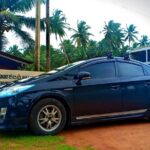
You ride in an air-conditioned comfortable car or mini van to the Udawalawe area, then switch to a Jeep for the park safari. That split is practical. The drive gets you there in comfort, and the jeep gets you into the right viewing style once you hit the park tracks.
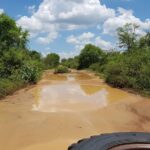
In the real world, road conditions can change. In one account I’m working from, there were issues with flooding on the roads, but the guide still got the timing to work so the group arrived for the feeding slot. That’s not something you can control, but it’s a nice sign that the operator thinks about timing rather than treating the day like a rigid checklist.
You can also read our reviews of more private tours in Galle

Udawalawe National Park Safari by Jeep: What You’re Really Searching For
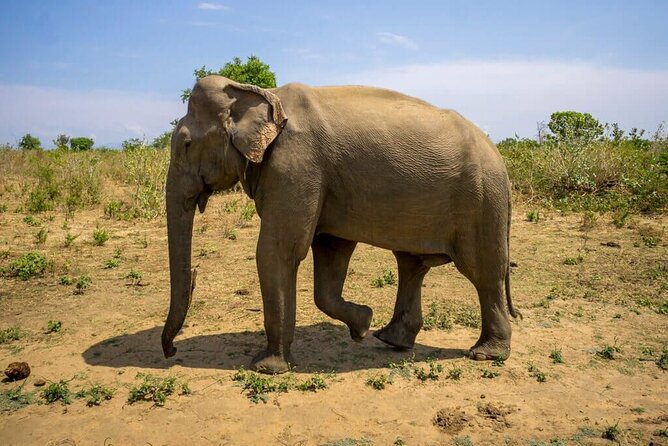
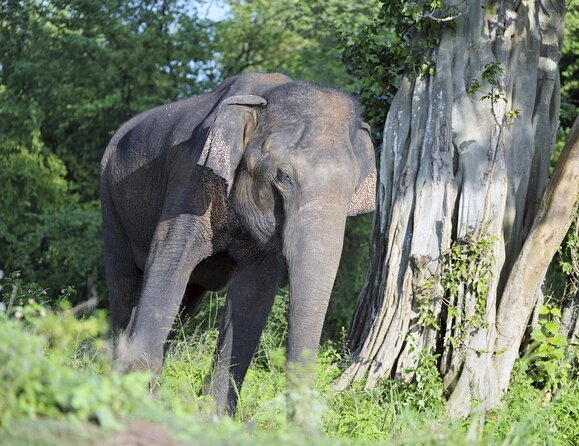
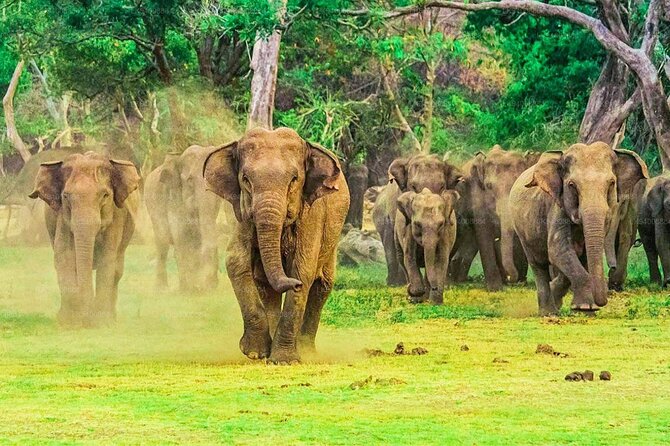
Udawalawe National Park is a sanctuary created to protect wildlife displaced by the Udawalawe Reservoir project. That background helps explain the wildlife “density” feeling people often get here—you’re not just sightseeing in random habitat. You’re visiting a protected area designed to support animals that rely on this landscape.
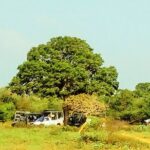
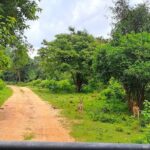
For your safari time, you’ll use a Jeep and you’ll have park entrance tickets included plus bottled water. The safari portion is listed as about 3 to 4 hours, and one part of the schedule frames it as a longer block (around 4 hours) once you’re inside the park system. Either way, the key point is you’re not doing a quick drive-by. This gives you enough time to actually react to what the driver spots.
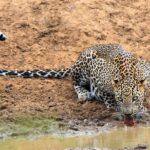
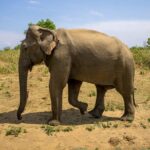
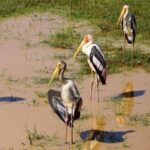
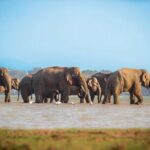
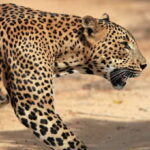
What should you look for? Udawalawe is known for large mammals and birdlife, and—when conditions line up—it can be the kind of place where you get lucky with harder-to-see animals. In the experiences I’m drawing from, the group reported highlights that included sightings like a leopard, along with a lot of other wildlife. You can’t guarantee that kind of luck, but you can count on the jeep safari format giving you repeated chances as the driver adjusts course.
A small practical note: jeep safaris mean dust and sun. You’ll likely spend time craning for views, shifting positions, and taking photos from an open or semi-open setup (varies by jeep). If you’re the type who hates sitting in a moving vehicle for hours, plan for patience. It’s worth it, but it’s not a “sit back and relax” day once you’re in the park.
Udawalawe Elephant Transit Home: The Milk-Feeding Stop That Anchors the Day
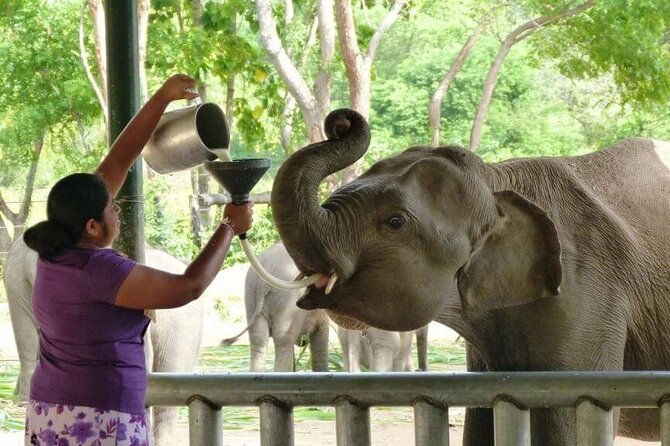
The star anchor is the Udawalawe elephant transit home, a facility established in 1995 to rehabilitate orphaned elephant calves for later release back into the wild. This isn’t a zoo-style spectacle designed purely for entertainment. It’s a working rehabilitation concept, and that changes how the visit feels.
Your visit is about 30 minutes at the facility, timed around the milk-feeding moments. In the morning session, you’re aimed to catch the feeding around 10:30am; in the afternoon session, you target around 2:30pm. That timing matters because it shapes how the calves respond and how the visit flows.
Why I think this stop is valuable even if you’ve seen elephants elsewhere: it’s close, it’s personal, and it’s tied to a clear mission. You’re not just looking at big animals behind a barrier. You’re seeing young elephants being cared for as part of a rehabilitation process.
Also, the transit home visit acts like a reset before the safari. After the drive, your brain has something concrete to focus on—then you shift gears to scanning for wild sightings in the national park.
Morning vs Afternoon Sessions: Picking the Right Rhythm
You essentially choose between two day rhythms, both built around the same feeding-and-safari pattern.
Morning session (approx. 8am pickup)
- Start from the Galle/Weligama area around 8:00am
- Drive about 2 hours toward Udawalawe
- Milk feeding targeted around 10:30am
- Safari runs roughly 11:00am to 2:00pm (about 3 to 4 hours)
Afternoon session (approx. 12pm pickup)
- Pickup around 12:00pm in the same general Galle/Weligama belt
- Milk feeding targeted around 2:30pm
- Safari runs roughly 3:00pm to 6:00pm
So which should you choose? If you like a full morning out first and then a quieter evening back in your base, the morning session is the straightforward pick. If you’d rather sleep in a bit or you have other plans early in Galle/Tangalle, the afternoon session is often easier to fit.
One more factor: animal activity can shift with light and heat. The data you have here is timing, not guarantees. Still, having an operator who schedules around set feeding times and then follows with safari blocks is smarter than building a self-drive plan on your own.
Comfort, What’s Included, and What You Should Pack
This is a private tour with air-conditioned transport, and the experience includes:
- Private transportation in the vehicle used for pickup and transfer
- All fees and taxes
- Bottled water
- Park admission tickets (for the safari portion)
What’s not included is also important: food and drinks are not part of the package. That means you should plan your own snacks or a meal strategy, especially if you pick the morning session and you’ll likely be in transit and safari mode through midday.
Here’s what I’d pack for a day like this:
- Sunscreen and a hat (you’ll be in the open viewing zone during the safari portion)
- Light layers (road and park conditions can change)
- Sunglasses and a lens cloth if you’re photo-heavy
- A refillable water bottle is smart, even though bottled water is provided
- Cash for snacks or drinks you buy along the way (since your tour won’t cover it)
And because there’s a note about moderate physical fitness, be realistic about jeep seating and movement. You don’t need to be an athlete, but you should be comfortable with bumpy rides and getting in/out for short moments.
You can also read our reviews of more tours and experiences in Galle
Price and Value: Is $185 Worth It for a Private Day?
At $185 per person, this isn’t the cheapest way to reach Udawalawe. But it is priced as a private, timing-driven day trip with a lot taken care of for you.
Here’s how the value adds up:
- You’re paying for door-to-door pickup and drop-off from the Galle area zone (with AC transport)
- You get park admission tickets included, so you aren’t figuring that out on the fly
- You get a jeep safari, which is the correct format for searching wildlife
- All fees and taxes are included, which reduces the “small extras” that can surprise you on the ground
- Bottled water is provided
The two real “costs” you personally cover are time (long drive day) and food (not included). If you show up hungry and unprepared, that can feel like a penalty. If you handle snacks and drinks yourself, the remaining structure is straightforward and easy.
When I weigh it, the $185 price makes more sense if you care about:
1) a private setup (not sharing with strangers), and
2) a schedule that hits milk-feeding at set times and still allows a meaningful safari window.
Weather, Road Conditions, and Managing Expectations
This experience depends on good weather. If conditions are poor, you’ll be offered a different date or a full refund. There’s also a note about a minimum number of travelers, meaning occasionally the operator might adjust plans if the tour doesn’t meet its required group level.
The practical takeaway: if you’re booking this during the shoulder of rainy season (or when storms are possible), keep your schedule flexible. This is one of those days where the “best plan” includes a Plan B.
And since road conditions can change, it helps to pick a session that gives you some cushion in your own schedule. In one experience I’m drawing from, the guide handled road flooding issues and still arrived for feeding timing, which suggests they monitor conditions rather than ignoring them.
Who This Trip Suits Best (and Who Might Want Something Else)
This is ideal if you want:
- A private day trip from Galle without negotiating local transport
- Elephant-focused programming first, then a safari search
- A guide who can help you enjoy the day with context and local knowledge (in the experiences I’m drawing from, Gihan was described as an excellent host and guide who offered local insight)
- A family-friendly activity built around animal viewing, with one account noting children really enjoyed it and wanted to go again the next day
This may be less ideal if:
- You hate long drives. Even with AC comfort, the schedule includes about 2 hours each way
- You expect meals to be included (they aren’t)
- You can’t handle the safari jeep experience in terms of movement
Should You Book It? My Honest Recommendation
I’d book this if you want a clean, well-timed Udawalawe day where the elephant transit home milk-feeding is the anchor, and the safari portion is built in as more than just a short detour. The private setup, park tickets, and jeep safari format are the big reasons the price can work.
I’d hesitate only if you’re traveling with an extremely tight schedule, you don’t want to handle food on your own, or you’re booking during a period where weather is a big uncertainty and you can’t shift plans.
If you do book, choose the session that matches your energy level: morning for a full day start, afternoon for a later rhythm. Then pack sun protection and a snack plan, and let the schedule carry you from elephants to the park.
FAQ
What is the duration of the Private Udawalawa Safari Plus Elephant Transit Home Day Trip?
The trip lasts about 8 to 10 hours.
Where do you get picked up in the Galle area?
Pickup is offered around Weligama or between Galle and Tangalle, and drop-off is at the same location or hotel.
How long is the Udawalawe National Park safari?
Safari time is approximately 3 to 4 hours.
What time is the elephant milk-feeding for the morning session?
For the morning session, you’re scheduled to catch the milk-feeding at the Udawalawe Elephant Transit Home around 10:30am, with safari afterward.
What time is the elephant milk-feeding for the afternoon session?
For the afternoon session, you’re scheduled to catch the milk-feeding around 2:30pm, with the safari afterward.
Is park admission included?
Yes. Park entrance tickets are included for the safari portion.
Is food included in the tour price?
No. Food and drinks are not included.
What’s included in the transportation?
You’ll travel in an air-conditioned car or mini van for pickup and transfer, and you’ll use a Jeep for the safari.
What happens if weather is poor on the tour date?
The experience requires good weather. If it’s canceled due to poor weather, you’ll be offered a different date or a full refund.