REVIEW · KANDY
Exclusive knuckles Camping Tour from kandy
Book on GetYourGuide →Operated by Nature Paradise Tours · Bookable on GetYourGuide
Two days, and Sri Lanka feels closer. This Knuckles camping trek is built around real nature time: tea-trail hiking, a silent forest with endemic plants, and waterfall stops that can include a quick swim. I particularly like how the guides (including Lakmal and Chan, praised for plant and wildlife spotting) turn muddy trail moments into actual learning, not just photo stops.
The main thing to consider is the effort level. This is listed as a hard-medium trek with muddy, wet conditions likely, so you’ll want solid shoes and a rain layer and you shouldn’t plan on staying clean.
In This Review
- Key highlights you’ll actually feel on the trail
- From Kandy pickup to the Knuckles foothills
- Day 1: Tea trail trekking, wooden bridges, and a silent forest vibe
- Your overnight at the exclusive base camp (and why it helps the second day)
- Day 2: Tea plantations, cloud-forest trees, waterfall crossings, and village life
- Difficulty level: who’ll enjoy it, and who might struggle
- What to bring (so you don’t feel miserable at mile 2)
- Price and value: what $195 per person really buys
- Who should book this Knuckles camping tour
- Should you book it?
- FAQ
- What time do you get picked up in Kandy?
- How hard is the trek?
- Is there swimming during the tour?
- What meals are included?
- What should I bring for the hike?
- What’s the cancellation and payment flexibility?
Key highlights you’ll actually feel on the trail

- Tea trail ascent into the silent forest with rocky paths, bush forest, and wooden bridge crossings
- Endemic flora and fauna spotting as the guide points out what you’re seeing, including lizards and birds
- Picnic lunch at a waterfall-area or scenic peak setting during the Day 1 trek
- Exclusive base camp overnight on the east slope with facilities after a downhill day
- Waterfall and natural pool crossings on Day 2, plus a chance to swim in cold-but-crystal water
- Traditional village culture time with vegetable and spice gardens, finished with an authentic lunch
From Kandy pickup to the Knuckles foothills
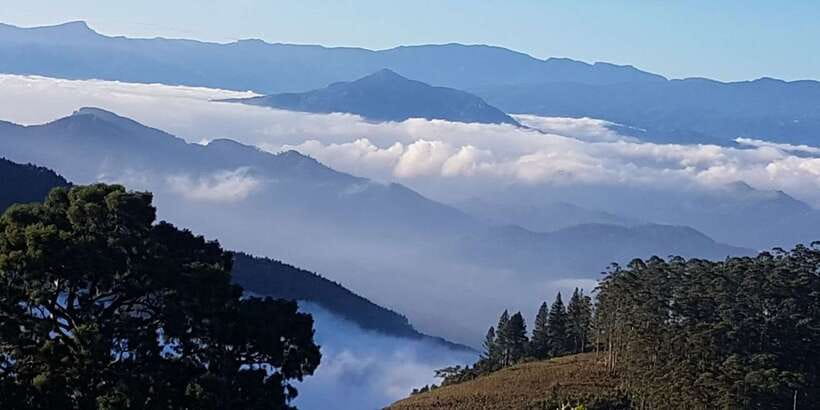
The experience starts with a hotel pickup in Kandy around 7:00 am to 7:30 am, depending on where your hotel is. It’s about 1.30 hours by vehicle to the Knuckles area, so you’re not wasting your morning. You’ll likely feel the day shift into “outdoor mode” quickly: early start, hill air, and the first taste of the tea-country feel.
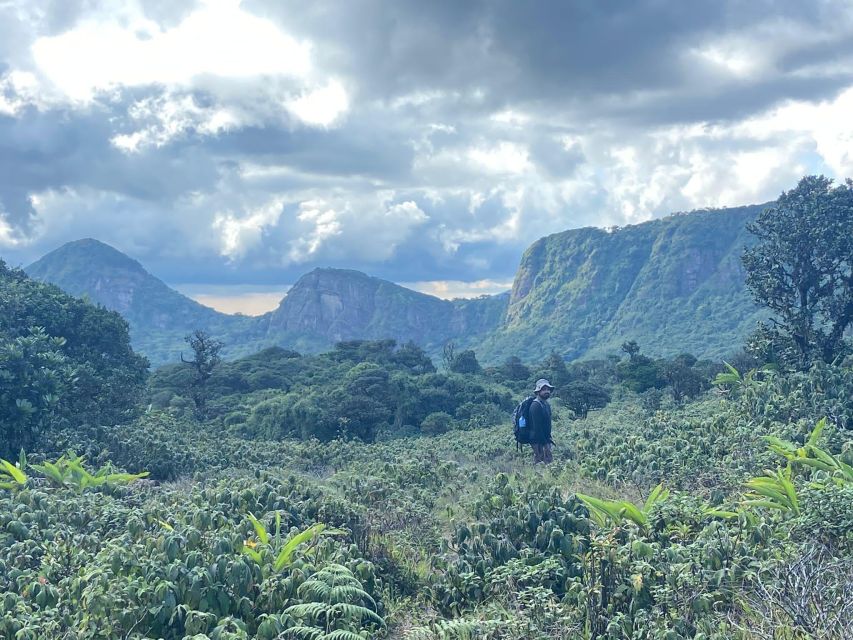
You’ll be hiking at altitudes listed from 500 to 1,900 meters, so expect temperature swings. Even if the valley feels warm, higher forest sections can feel cooler—especially once you hit cloud-tree areas on Day 2.
You can also read our reviews of more tours and experiences in Kandy.


Day 1: Tea trail trekking, wooden bridges, and a silent forest vibe
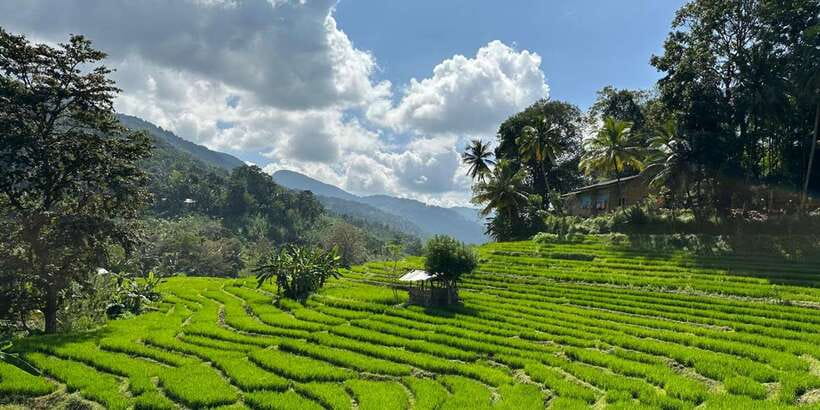
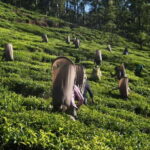
Day 1 is all about climbing into the Knuckles Mountain range with a guided route that mixes scenery with real forest walking. The trek starts with a tea trail ascent up the hill, and you’ll move over gravel and rocky sections. It’s not a paved walk, so your legs get a proper workout.
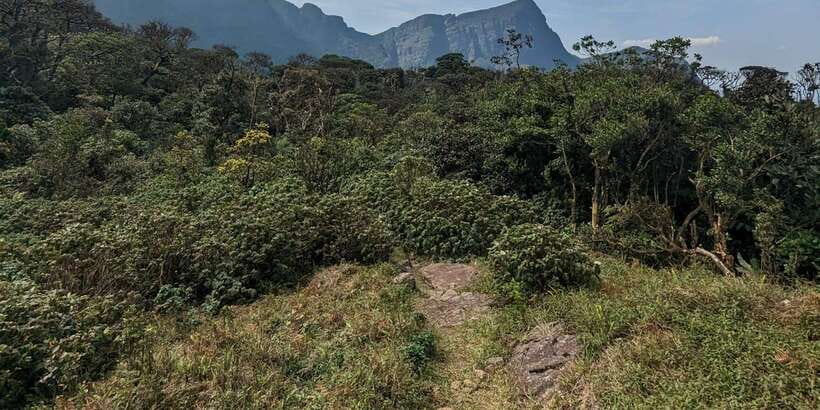
One of the smartest parts of this plan is the focus on “quiet forest” time. You pass through the silent forest area, where you can look for endemic plants and animals. The route includes crossings over wooden bridges, which means you’re frequently changing viewpoints and not just following a single straight line. It also helps break the mental load of a tough day.
The guide-led nature spotting is a big reason this ranks so high. Based on the feedback around guides like Lakmal and Chan, you can expect pointers on endemic flora and fauna, including sightings of native wildlife such as lizards and birds. If you’ve ever done a hike where everyone just says nice trees, this is the opposite: the trail becomes a living classroom.
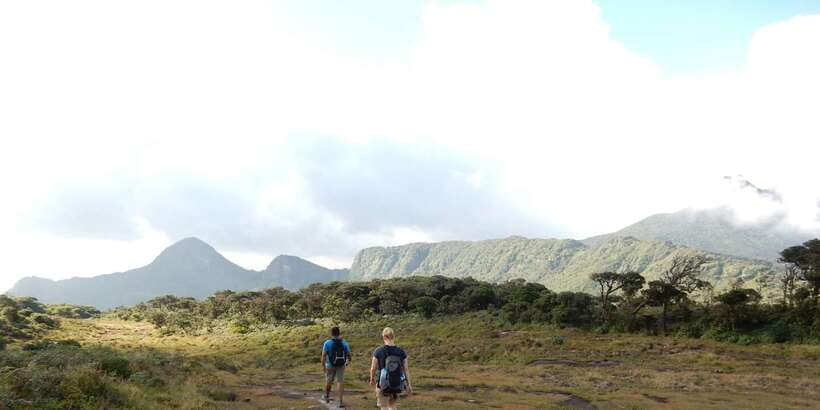
You’ll also reach a large rocky plateau and walk toward a peak view. That stop matters because it gives you a reward that feels earned, and it’s also a good reset point before the downhill work begins. After this turning-point area, your picnic lunch is served during the trek in a scenic setting—either near a waterfall with a natural pool or toward a Knuckles peak area.
From there, you shift from climbing to a proper downhill trek toward your overnight base. The route is described as circular, passing the rocky plateau, and then going down to the exclusive base camp on the east slope.
Your overnight at the exclusive base camp (and why it helps the second day)
After the long Day 1 trek, you overnight below the Knuckles footstep in an exclusive base camp with facilities. That matters more than you might think. After hours of uneven ground and changing weather, having an organized overnight stop keeps Day 2 from feeling like an instant restart.
It’s still camping-style trekking, but the key is that you’re not improvising. The plan is designed so breakfast on Day 2 happens after a real rest window, not after a sleepless night trying to stay warm in damp air.
Practical tip: on Day 1, treat footwear and clothing like gear, not fashion. You’ll be walking through conditions that can get muddy or wet, and you’ll feel it most at camp time. Bring a change of clothes (the tour specifically recommends it) and keep your warm items accessible.
Day 2: Tea plantations, cloud-forest trees, waterfall crossings, and village life
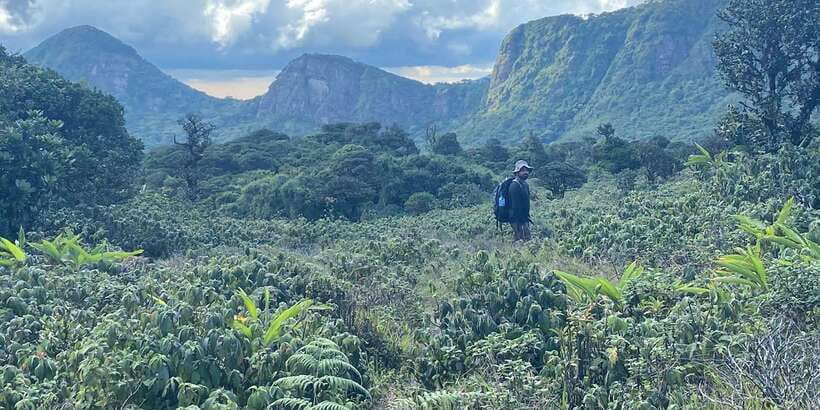
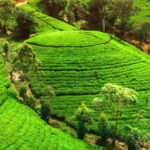
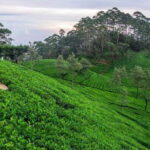
Day 2 starts with breakfast at the camping site, then a downhill trek that gives you a different feeling than Day 1. You’ll go through tea plantation areas and enjoy a panoramic viewpoint, which is a nice payoff after the earlier ascent.
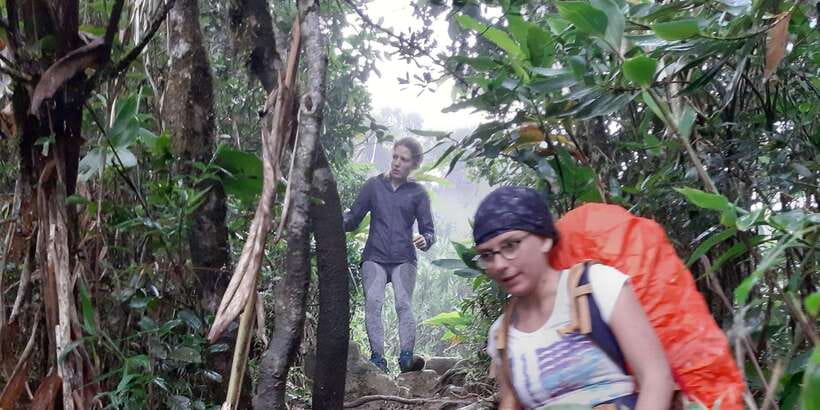
Then the forest turns cooler and thicker. You enter high forest described with cloud trees, plus pine, eucalyptus, and turpentine trees. This is the part where you’ll often slow down—not because the trail is suddenly easy, but because the air and sound change. You’ll have chances to spot birds, small animals, and butterflies along the way.
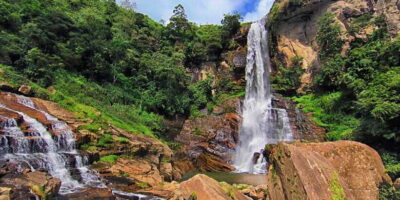
Water is a repeating theme on Day 2. You’ll cross a waterfall and natural pool, and there’s an opportunity to swim in the crystal-cold water. It’s described as slightly chilly, so don’t treat this like a sunny beach dip. If you bring your swimwear, you’ll have the option; if not, you can still enjoy the crossing area as a refreshing stop.
After the forest water moment, the route moves toward agriculture scenes. You walk through terrace rice fields, and then you enter a traditional village area.
This village section is more than a photo break. The trek includes time to see vegetable gardens and spice gardens, and you can meet local village people to learn about village culture. The day ends with an authentic lunch there, which helps you recover energy before returning toward Kandy.
Finally, you’re back at the hotel in the evening. The exact return time depends on hotel location and traffic, which is normal in Sri Lanka’s hill-country roads.
Difficulty level: who’ll enjoy it, and who might struggle
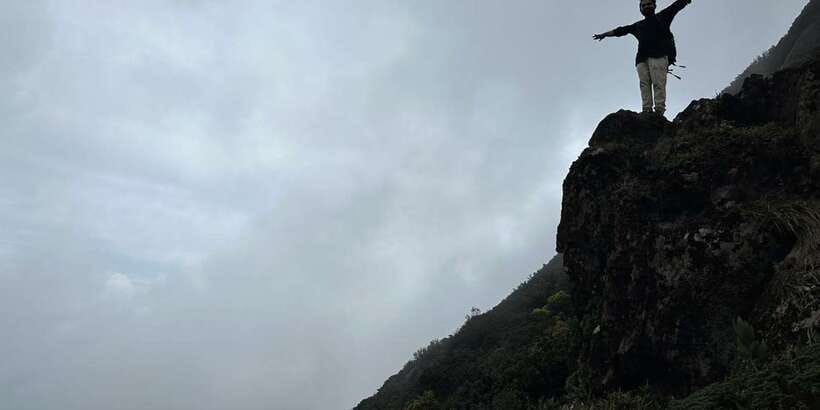
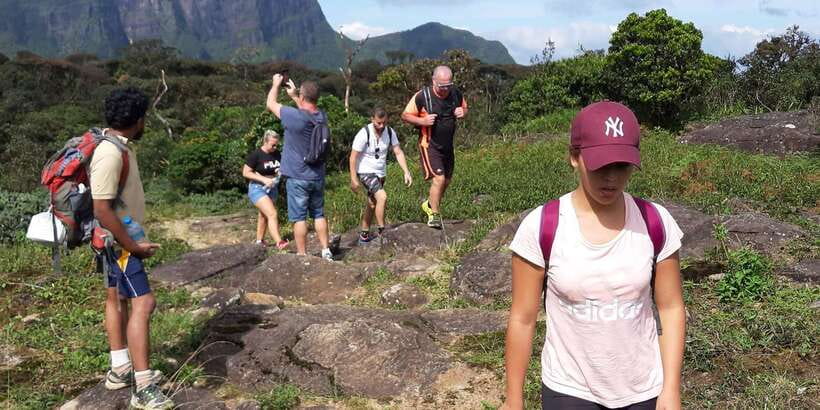
This trek is described as hard-medium overall, with a mix of smooth and medium grades. Add in uneven rocky and gravel paths, plus potential mud and wet conditions, and it’s clear this is for people who like a workout.
It’s also a distance run: listed at 26 to 36 km across two days. That’s not a casual weekend stroll, even if the sightseeing stops keep it interesting.
Altitude is part of the story too. Going up to 1,900 meters means you may feel cooler air and slightly different breathing, especially if you’re not used to hills. You don’t need to be an athlete, but you do need to be comfortable walking for hours at a steady effort.
What to bring (so you don’t feel miserable at mile 2)
The tour’s packing list is pretty clear, and I agree with it. If you follow it, you’ll enjoy the trek instead of fighting it.
Bring:
- Hiking shoes (non-negotiable for rocky, muddy sections)
- Rain jacket (treks like this often include wet patches)
- Small daypack/backpack for snacks, layers, and water bottle carry
- Swimwear if you want the Day 2 natural pool swim option
- Change of clothes (you’ll want this at camp)
- Sun cream (even in forest, sun still hits between canopy gaps)
- Warm cloths (forest and higher altitudes can feel cold)
Also think about how you’ll handle gear during crossings. If you can, pack items in a small bag or waterproof pouch so everything stays usable for the next segment.
Price and value: what $195 per person really buys
At $195 per person for a 2-day private trek, the value is mostly in the structure. You’re paying for a full guided experience with transport, entry, and all the key meals.
Included:
- Private transportation (pickup and dropoff from Kandy)
- Entry/admission for the Knuckles Mountain range
- Meals: dinner, lunch (including Day 1 picnic), and breakfast
- Water bottles
- All fees and taxes
Not included:
- Personal expenses
So what are you really getting for the money? Less hassle. A guided route through forest and village areas is not something you should wing solo. Plus, the meal plan matters because it removes the “find food later” stress when you’re muddy, tired, and hiking.
Private group also tends to mean you get a smoother pace for your legs and comfort level. If you like stopping for explanations (plants, animals, local context), a guide-forward trek like this is the kind you’ll remember.
Who should book this Knuckles camping tour
This works best if you:
- Want a nature trekking trip that also explains what you’re seeing
- Prefer active days with organized rest, rather than roughing it on your own
- Like the mix of forest, water, and village culture
- Are okay with getting muddy and changing clothes later
You might think twice if you:
- Have limited hiking stamina
- Hate cold water dips (you can skip the swim, but the natural pool crossings are part of the route)
- Need “light walking” only, because this is described as hard-medium
The good news is that it’s guided by English-speaking support, and the pacing includes built-in stops for views, wildlife/plant spotting, and meals.
Should you book it?
If you’re choosing between a scenery-only tour and an actual trekking plan, this is the one I’d lean toward. The strongest factor here is the combination of guided nature spotting (including endemic flora and wildlife) plus waterfall-and-swim potential plus a real traditional village day.
Book it if you want your Knuckles experience to feel like more than photos: you’ll come away with stories about tea trails, forest plants, birds and lizards, and how village gardens and spices fit into daily life.
FAQ
What time do you get picked up in Kandy?
Pickup is scheduled between 7:00 am and 7:30 am from your Kandy hotel, depending on your location.
How hard is the trek?
The tour lists a hard-medium grade with smooth medium grade sections. You should expect uneven, rocky paths and potentially muddy or wet conditions.
Is there swimming during the tour?
Yes. On Day 2 you’ll reach a waterfall and natural pool area and may swim in the crystal-clear water, described as slightly chilly.
What meals are included?
Breakfast is included on Day 2. Lunch is included (including an outdoor picnic on Day 1), and dinner is included on Day 1. Water bottles are also provided.
What should I bring for the hike?
You’ll want trekking/hiking shoes, a daypack, rain jacket, sun cream, warm clothes, swimwear, a small backpack/daypack, and a change of clothes.
What’s the cancellation and payment flexibility?
You can cancel up to 24 hours in advance for a full refund. You can also reserve now and pay later for flexibility.