REVIEW · KANDY
Kandy: Village Cooking Class 12 Dishes with Market Tour
Book on GetYourGuide →Operated by TRAVRI.com · Bookable on GetYourGuide
Spice class in the jungle near Kandy is a small-bet, big-flavor plan. You start with a local market tour where you pick vegetables, then you learn to cook 12 Sri Lankan dishes with a village family. I love how ingredient choices are part of the lesson, not just a nice extra.
I also like the teaching style. The class takes place in a warm village house setting, and the instruction is patient and practical, delivered in English by the family running the kitchen.
One thing to consider: there’s no hotel pickup. You’ll need to get yourself to the meeting point at no.38 Pilawala, Kandy (20196), and the whole experience is only 3 hours, so you’ll want to arrive ready to cook.
In This Review
- Key Highlights You’ll Actually Feel
- Why 12 Dishes and a Market Tour Make This Worth Your Time in Kandy
- Getting Started at the Village House Kitchen Near Kandy
- The Market Tour: Where Your Vegetables Actually Change the Meal
- Cooking 12 Sri Lankan Dishes Hands-On (and What You’ll Learn)
- The Cultural Flavor Mix: India, Indonesia, and Dutch Influences
- Lunch or Dinner: Eating What You Made (and Why It Matters)
- Price and Value: Is $48 for 3 Hours Fair?
- Practical Tips Before You Go to Pilawala
- Who Should Book This Cooking Class (and Who Might Not)
- Should You Book the Kandy Village Cooking Class?
- FAQ
- How long is the Kandy Village Cooking Class?
- What’s included in the price?
- Does the class include lunch or dinner?
- Is the class taught in English?
- Is a vegetarian option available?
- Is hotel pickup and drop-off included?
- Where do I meet the group?
- Is this activity wheelchair accessible?
- Can I cancel and get a refund?
- Is it a private group?
Key Highlights You’ll Actually Feel
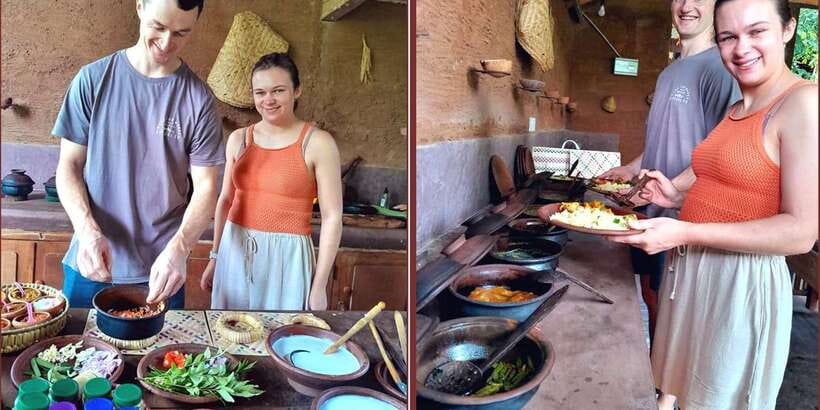
- Market-first shopping: pick fresh vegetables that match what’s available and what you want to cook
- Hands-on, not watch-only: you actively make dishes as you go through the lesson
- 12-dish menu: a lot of food learning for the time you’re there
- English instruction: easier to follow spice and technique explanations without guessing
- Village home setting: warm, family-run atmosphere in an outdoor cooking setup near Kandy
- Lunch or dinner + recipe booklet: you eat what you cook and take notes home
Why 12 Dishes and a Market Tour Make This Worth Your Time in Kandy
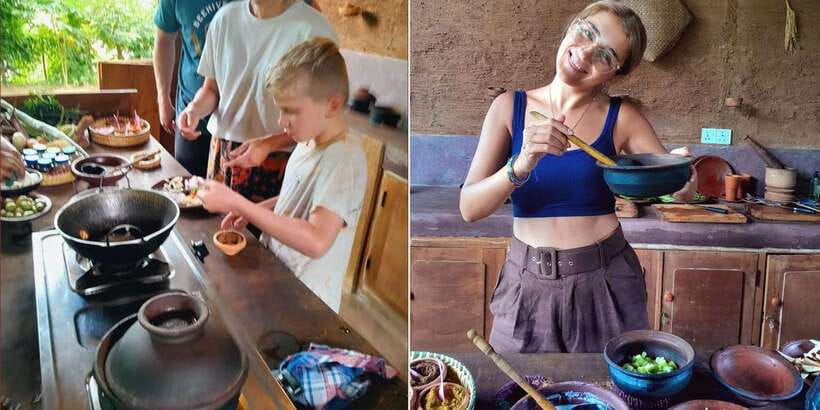
A cooking class can be hit or miss. Some are mostly performances; others are too basic to be useful later. This one is different because it’s built around two things that matter for real results: choosing ingredients and learning method.
The market tour isn’t just for photos. You’re selecting vegetables yourself, which affects what you cook and how your dishes come together. That’s the kind of lesson that helps you recreate flavors back home, because you understand why certain ingredients work together.
Then you move into the kitchen and work through a menu of 12 dishes. In just 3 hours, you’re not going to master every technique like a chef school course. But you will build a working understanding of spice blends, coconut-based flavor foundations, rice and curry structures, and the rhythm of Sri Lankan home cooking.
The best part? You’re doing it in a family-run village house setting, with the food taught as something lived-in, not staged.
You can also read our reviews of more tours and experiences in Kandy.



Getting Started at the Village House Kitchen Near Kandy
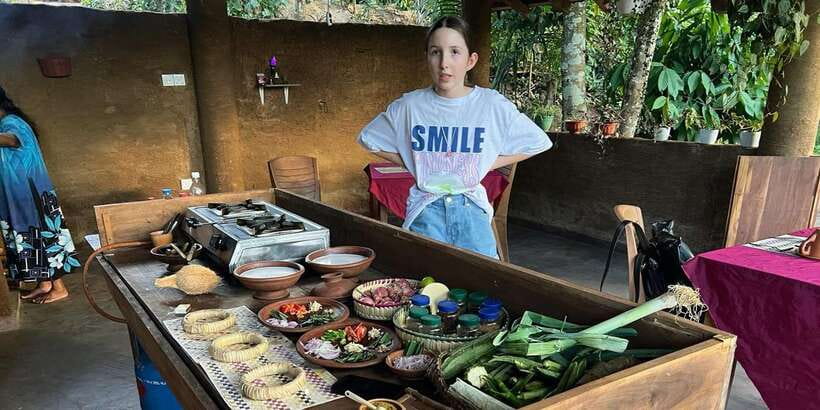
You’ll meet at the Kandy Village Cooking Class at no.38 Pilawala, Kandy (20196). From there, the day moves at a home-cooking pace: practical, friendly, and focused on getting you hands-on.
The experience is listed as a private group, which usually means less waiting and more attention than you’d get in a big bus group. It also makes questions easier. If something about spice level, texture, or timing is confusing, you can ask and get a straight answer.
You should plan to wear clothes and shoes that can handle cooking. You may be walking outdoors during the market portion and working near hot cooking surfaces after. Comfortable footwear is not optional here—you’ll be glad you brought the kind you can stand and move in.
Also note the class runs in English, so you don’t need to decode ingredients or steps on your own. If you’re traveling as a couple or small group, this is a nice way to get “together time” that still gives you a skill at the end.
The Market Tour: Where Your Vegetables Actually Change the Meal
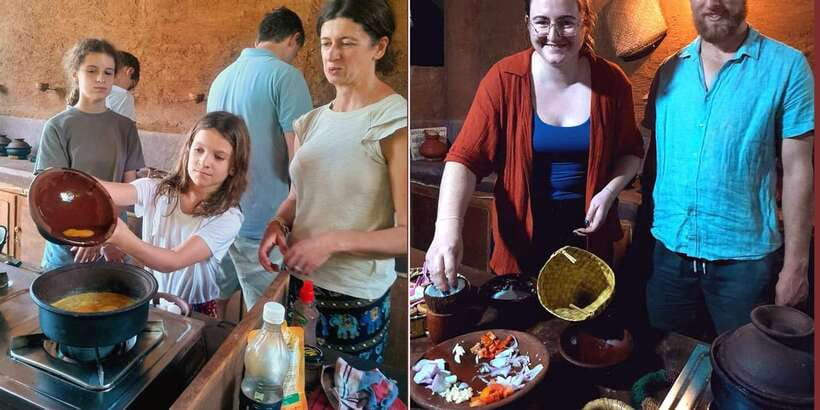
This class starts with a local market tour, and that part is genuinely practical. Sri Lankan cooking is ingredient-driven. Coconut, rice, and spices matter, sure—but the vegetables you bring shape the texture, color, and even how curry thickens and feels on the tongue.
When you choose your vegetables, you’re also choosing your own preferences. Want more crunch? You’ll likely select options that hold texture better. Want something milder? You can aim for vegetables that blend smoothly instead of dominating.
Expect to spend time picking ingredients, not rushing through stalls. The idea is simple: you’re learning what locals look for when they cook. If you’ve ever bought vegetables for a recipe and wondered why your dish didn’t taste right, this part helps you connect the dots.
One more benefit: shopping in the market gives you context for the spice side of things. Vendors and the atmosphere remind you that Sri Lankan flavors aren’t built around one magic ingredient. They’re built around combinations—ground spices, aromatics, coconut, and heat layered in the right order.
Cooking 12 Sri Lankan Dishes Hands-On (and What You’ll Learn)
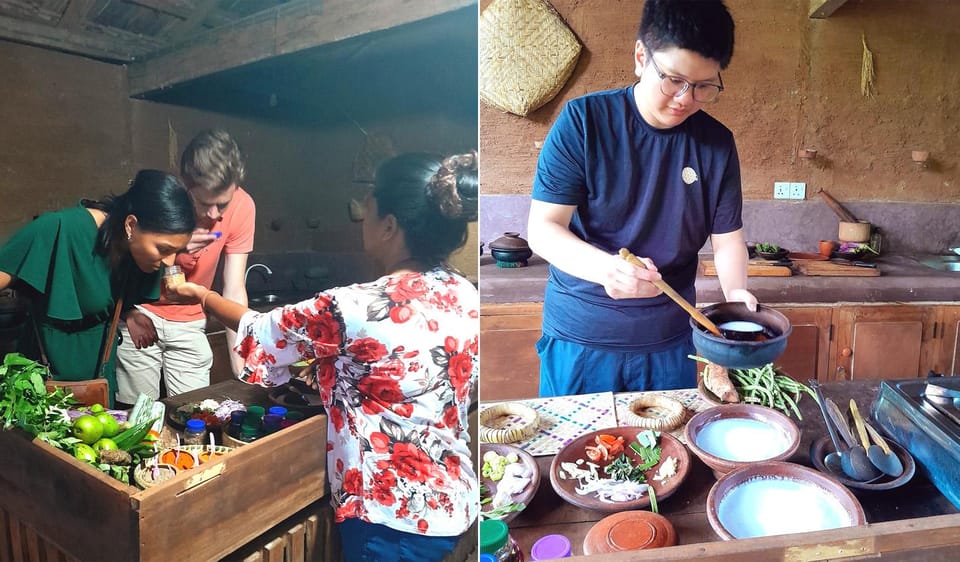
The main event is hands-on cooking of 12 dishes. The menu itself isn’t itemized in the details you provided, so I can’t promise exact names of every dish. But I can tell you what the lesson is designed to teach: how Sri Lankan home cooking uses staples and spice method.
At a high level, you’ll be working with the core building blocks that show up across the island:
- rice as a central base
- coconut as a flavor foundation (especially in curries and sauces)
- spices as both aroma and structure
- a mix of techniques that keep dishes balanced, not just hot
Because the class is hands-on, you won’t just hear about these elements—you’ll touch them. That’s what makes it valuable. Even if your first attempts at spice grinding or mixing aren’t perfect, you’ll leave with muscle memory for what to do next time.
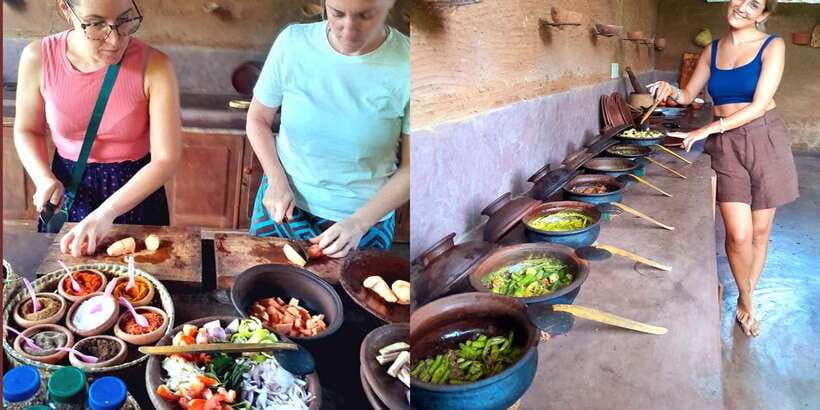
Also, the class is designed for real people in real kitchens: you’re guided through the process by a welcoming village housewife and her family. The tone stays homely and friendly. In the experience I’m describing, that matters because spice cooking can feel intimidating if you’re rushed or talked over. Here, the teaching is described as patient, and that usually means you actually understand what you’re doing as you do it.
One practical upside: all cooking ingredients are included. That keeps the class focused on skills, not shopping lists. You don’t have to scramble for supplies in Kandy before the lesson—just show up, cook, and eat.
The Cultural Flavor Mix: India, Indonesia, and Dutch Influences
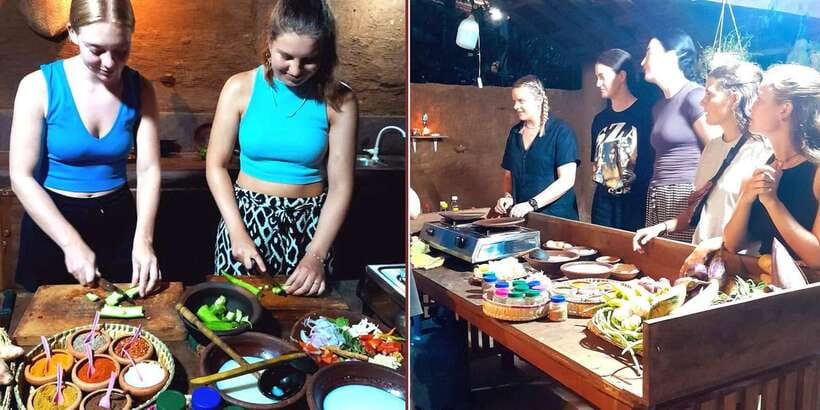
Sri Lankan cooking has a story baked into it. The flavors reflect cross-cultural influences from India, Indonesia, and Dutch culinary traditions. You’ll feel this in the way spices and aromatics are used, and in the way certain dishes share technique ideas with cuisines you may recognize—even if the final taste is unmistakably Sri Lankan.
This cultural mix is useful context for you. If you understand that the cuisine developed through layered influences, it becomes less like a closed “mystery food” and more like a flexible, logical system. You can taste connections and understand why certain flavor combinations show up again and again.
It also helps you appreciate why staples like rice and coconut keep showing up. Those are consistent anchors across the island. Then the influences come through in spice approach, cooking methods, and how sweetness, heat, and aroma balance within a dish.
This isn’t a history lecture. It’s flavor education. And in a cooking class setting, that kind of knowledge helps you cook with confidence, not guesswork.



Lunch or Dinner: Eating What You Made (and Why It Matters)

You’ll enjoy lunch or dinner—the class includes the meal made from the dishes you prepare. Eating your own cooking right away is more than a nice perk. It locks in learning.
When you taste at the end, you can connect what you did during cooking to how the dish should feel. Did the curry thicken the way it was supposed to? Was the spice level what you expected? Did the coconut balance the heat? This feedback loop is what turns instructions into long-term memory.
You’ll also get a recipe booklet. For me, recipe booklets are only useful if the class has taught you enough context to use them. Here, since you’re actively cooking and choosing vegetables, the booklet becomes a reference you can actually follow later instead of a sheet of measurements that don’t make sense.
If you’re traveling with food curiosity (and not just for a souvenir), this meal-and-notes combination is a big part of the value.
Price and Value: Is $48 for 3 Hours Fair?
$48 per person for a 3-hour class is not the cheapest thing in Kandy, but it’s also not priced like a fancy restaurant experience. You’re paying for a full setup: market time, hands-on instruction, ingredients, cooking effort, and the included meal plus a recipe booklet.
Here’s what you get for that money:
- a market tour plus ingredient selection
- a hands-on cooking experience
- all ingredients provided
- lunch or dinner included
- a 12-dish menu
- an English-speaking instructor
- a private group format
That’s a lot wrapped into one session. The value gets even better when you consider that you’d normally spend time (and travel) to shop for ingredients and then pay separately for a meal. This class packages both into one guided experience.
The main “cost” you should consider is time: it’s only 3 hours. If you like to linger over learning, you might want a second food experience later in your trip. If you want a concentrated, practical skill lesson, this length works well.
Practical Tips Before You Go to Pilawala
A few small things can make the day go smoother.
Wear comfortable clothing and shoes. You’ll be walking and cooking. Choose fabrics you don’t mind getting a little warm or fragrant.
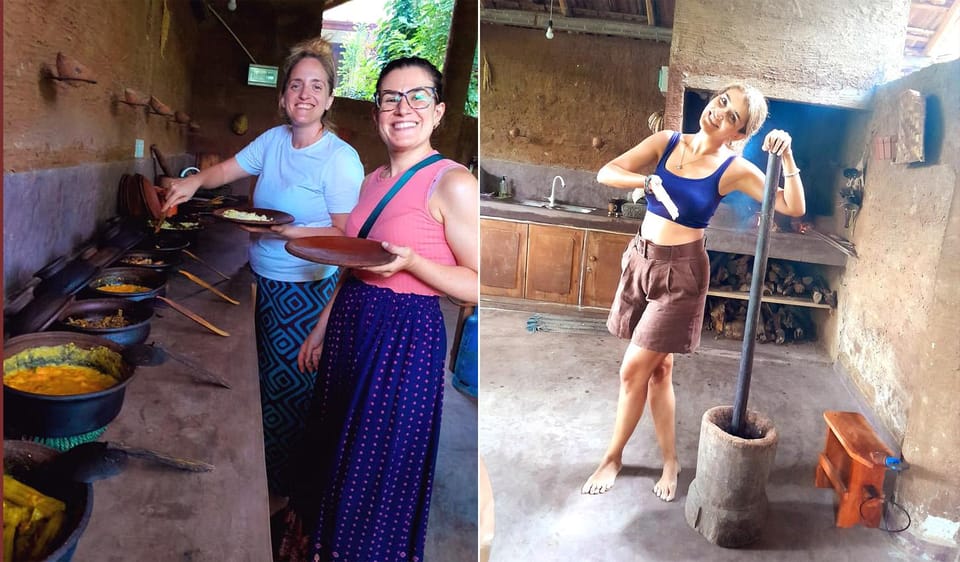
Expect outdoor kitchen work. The cooking environment is described as outside near Kandy in a jungle-like setting. That can be wonderful for atmosphere, but it also means you’ll be close to kitchen heat and outdoor conditions.
Ask about vegetarian preferences early. Vegetarian options are available, but you should inform the provider in advance if needed so the dishes match your dietary needs.
Plan for English instruction. The class is conducted in English, which is a comfort if your travel language skills are limited.
Arrive ready for cooking. Since everything needed is included, there’s no list of things to buy. Still, you’ll get more out of the class if you come with curiosity and a willingness to taste, adjust, and ask questions.
If you’re doing this on a packed Kandy day, build in buffer time. There’s no hotel pickup, so you’ll want to know how you’re reaching Pilawala before you commit.
Who Should Book This Cooking Class (and Who Might Not)
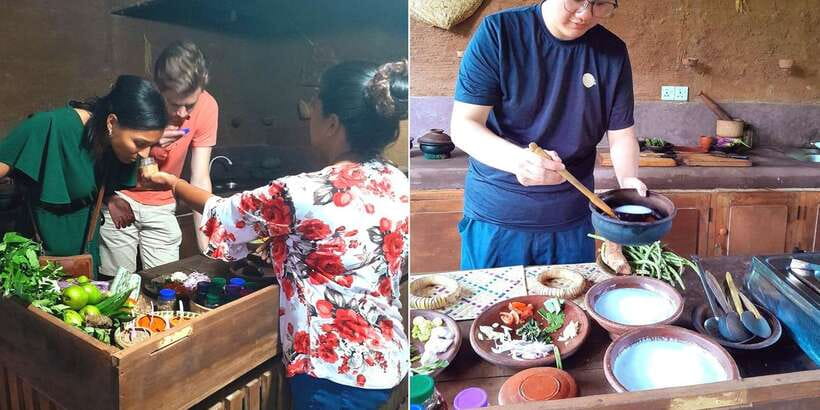
You’ll likely love this class if:
- you want a real cooking skill, not just a meal
- you enjoy spices and want to understand how they’re used in Sri Lankan home cooking
- you like the idea of choosing vegetables yourself
- you want a warm, family-style cultural experience in and around Kandy
It may be less ideal if:
- you hate getting your hands involved in cooking
- you need a more structured, step-by-step written itinerary with exact dish names listed in advance
- you rely on hotel pickup and don’t want to manage getting to the meeting point
For honeymooners and couples, it can also work beautifully because the setting and teaching style are described as caring and respectful, and the whole experience ends with a shared meal and a recipe booklet you can take home.
Should You Book the Kandy Village Cooking Class?
If you’re choosing between a generic dinner show and a class that teaches you how to cook, this one makes a strong case. You get ingredient selection at a local market, hands-on work through a 12-dish menu, and a shared lunch or dinner you can actually evaluate and remember. The atmosphere is family-run and patient, not hurried.
My call: book it if you want practical Sri Lankan cooking skills and you don’t mind showing up at the Pilawala meeting point on your own. Bring comfortable shoes, tell them if you need vegetarian options, and go in hungry for learning. If you do that, you’ll leave with both full stomach and useful new methods—exactly what a good class should deliver.
FAQ
How long is the Kandy Village Cooking Class?
The experience lasts about 3 hours.
What’s included in the price?
It includes a hands-on cooking experience, a local market tour, 12-dish menu, all cooking ingredients, lunch or dinner, and a recipe booklet.
Does the class include lunch or dinner?
Yes. You’ll be served lunch or dinner made from the dishes you prepare.
Is the class taught in English?
Yes. The instructor teaches in English.
Is a vegetarian option available?
Yes. Vegetarian options are available, and you should inform the provider in advance if you need them.
Is hotel pickup and drop-off included?
No. Hotel pickup and drop-off are not included.
Where do I meet the group?
The meeting point is Kandy Village Cooking Class, no.38 Pilawala, Kandy, 20196, Sri Lanka.
Is this activity wheelchair accessible?
Yes, it is listed as wheelchair accessible.
Can I cancel and get a refund?
Yes. Free cancellation is available up to 24 hours in advance for a full refund.
Is it a private group?
Yes. It’s a private group experience.