REVIEW · KANDY
Kandy, Pinnawala Private Day Trip From The West Coast Beach
Book on GetYourGuide →Operated by Serendipity tours (private) Limited · Bookable on GetYourGuide
Elephants and sacred temples in one long day. This private Kandy-area circuit strings together Pinnawala Elephant Orphanage plus the Temple of the Tooth Relic, then finishes with the calm, plant-heavy Royal Botanical Gardens. Starting from west-coast beach hotels like Bentota and Kalutara, you get an air-conditioned ride inland (about 2 hours to Pinnawala) with a live English-speaking guide.
I particularly like the way the day builds from animal wonder to spiritual centerpiece: the elephant orphanage is all about seeing one of the biggest herds in the world, with elephants of different ages. Then the Tooth Relic Temple delivers big-time cultural payoff, including the palace-like setting and the golden figurines you’ll see in the shrine.
One possible drawback: the day also includes a few stops where prices can feel steep—especially if you’re the type who hates feeling upsold—plus lunch depends on the restaurant selected that day. Keep your budget flexible for snacks, lunch, and those extra entrance fees.
In This Review
- Key things to know before you go
- One-day route from west coast beaches to Kandy-area highlights
- Pinnawala Elephant Orphanage: what you’ll really see
- Temple of the Tooth Relic: sacred, architectural, and not a quick photo stop
- Spices and the herbal garden: cardamom to cinnamon, with price awareness
- Craft time, gem museum, and tea factory: where culture meets the shopping reality
- Royal Botanical Gardens of Peradeniya: why the second half feels like a reset
- The lunch stop: plan for flexibility, not perfection
- Price and value: what $199 covers, and what you still pay
- Who should book this private day trip, and who should skip
- Should you book this one-day Kandy and Pinnawala trip?
- FAQ
- How long is the trip?
- What’s included in the price?
- Which entrance fees are not included?
- Where do you get picked up and returned?
- Is lunch included?
- Is there a dress code for the temple?
Key things to know before you go
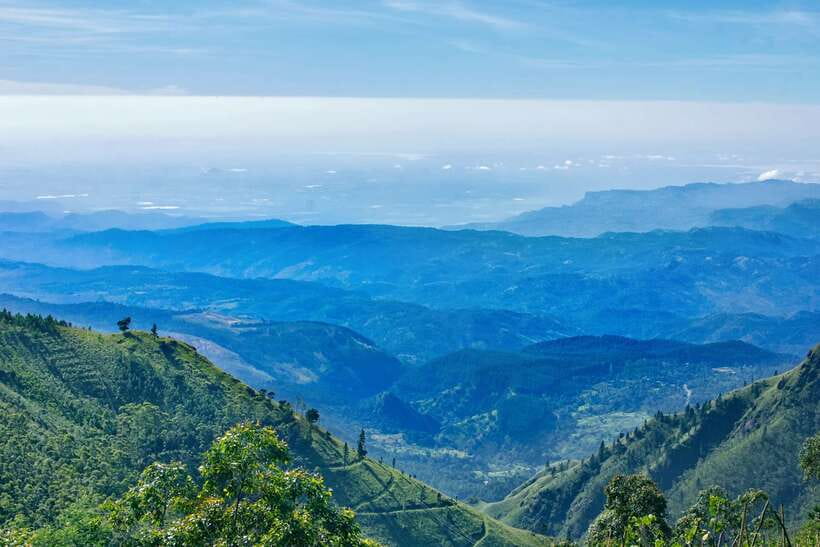
- A real full-day drive: west coast beach pickups, then roughly 2 hours inland to reach Pinnawala.
- Pinnawala is the centerpiece: you’re going for the herd, and it includes elephants of different ages.
- Dress matters for the Tooth Relic Temple: plan on conservative clothing since it’s a Buddhist temple visit.
- Peradeniya gardens are huge on plant variety: 147 acres with 4,000+ plant species, including orchids and medicinal plants.
- Spices and crafts come with shopping pressure: cardamom, nutmeg, vanilla, cocoa, cinnamon plus gem/wood/batik demos—bring a “compare prices” mindset.
One-day route from west coast beaches to Kandy-area highlights
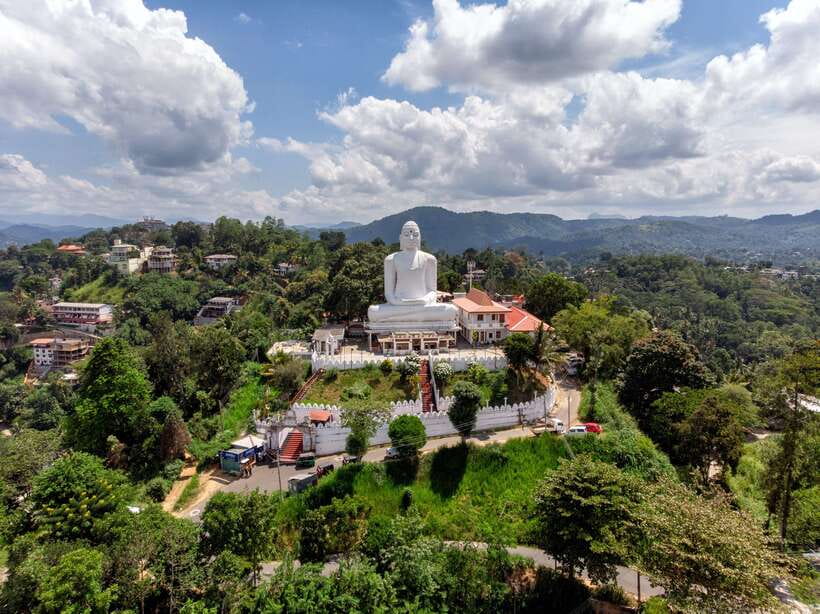
This is built as an efficient inland day trip. You start from Western Province beach hotels (the typical examples are Bentota and Kalutara), hop into an air-conditioned private vehicle, and head inland to the elephant orphanage area. The ride is about 2 hours to reach Pinnawala, and the rest of the day moves between a few key stops that most first-time visitors to Sri Lanka look for in the Kandy region.
Because it’s private, you’re not stuck waiting for a big group to shuffle through each attraction. That matters on a packed day, especially when you’re balancing sacred sites and timed entrances like temple and garden visits. You’ll also get a water bottle, which sounds small, but after hours on the road it feels like a thoughtful touch.
Two practical notes before you go:
- No large bags: the tour says luggage or large bags aren’t allowed, so pack light.
- Back comfort: it’s not suitable for people with back problems, likely due to long stretches in the vehicle and walking.
You can also read our reviews of more private tours in Kandy
Pinnawala Elephant Orphanage: what you’ll really see
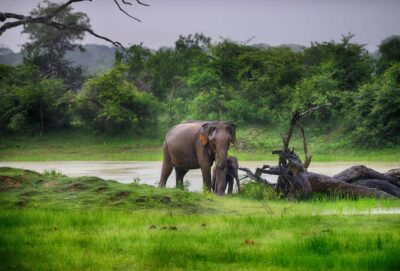
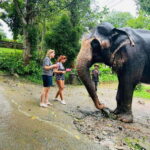
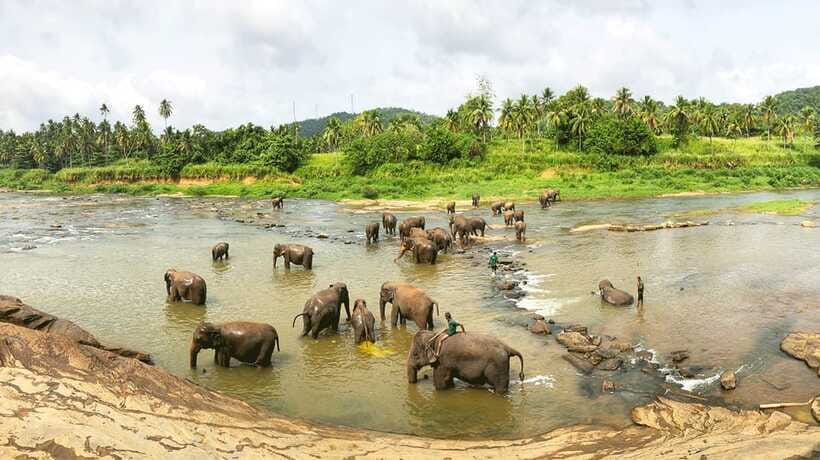
Pinnawala Elephant Orphanage is the star stop. The promise here is simple: see one of the biggest elephant herds in the world, and you’ll view elephants in different ages. That age mix is important. It’s not just “pretty elephants”—it’s a living ecosystem of calves and older elephants, so your viewing experience feels more complete than a quick photo stop.
Expect the day to revolve around this. The orphanage entry fee is listed separately (US$15), so plan on paying that directly even though everything else is handled through the tour. Also, it’s easy to burn time if you get caught up watching from the wrong spot—so I’d go in with a flexible approach: arrive, take in the herd, then change your angle if you want different viewpoints.
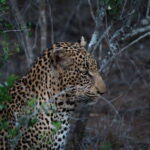
One reason this stop gets strong marks is that it’s the kind of place where your luck can add a little extra joy. There’s at least one report tied to wildlife spotting beyond elephants, which is exactly the sort of bonus that makes a day like this feel special. Even without “bonus sightings,” the herd scale is the main event.
Temple of the Tooth Relic: sacred, architectural, and not a quick photo stop
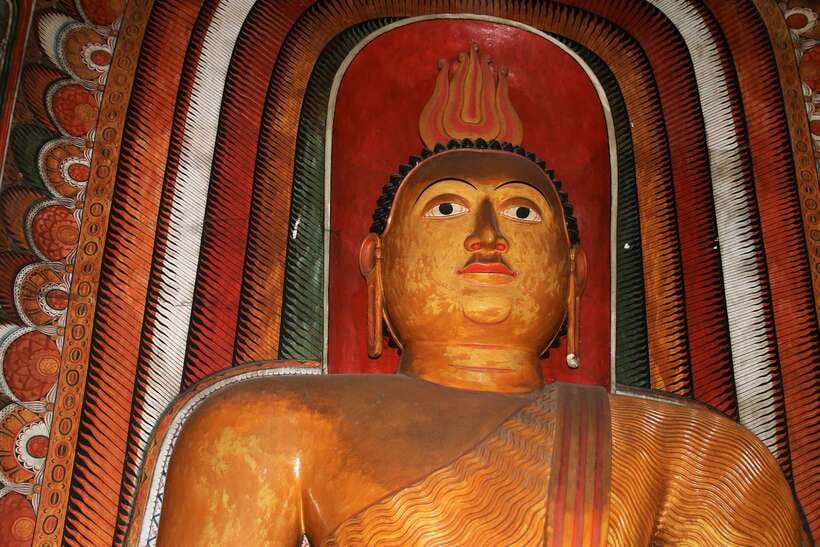
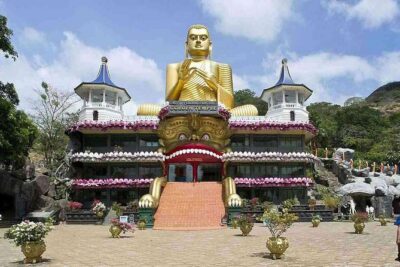
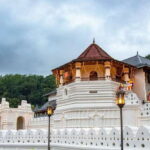
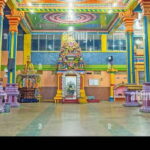
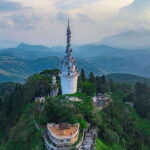
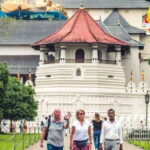
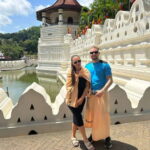
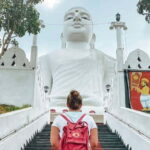
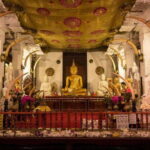
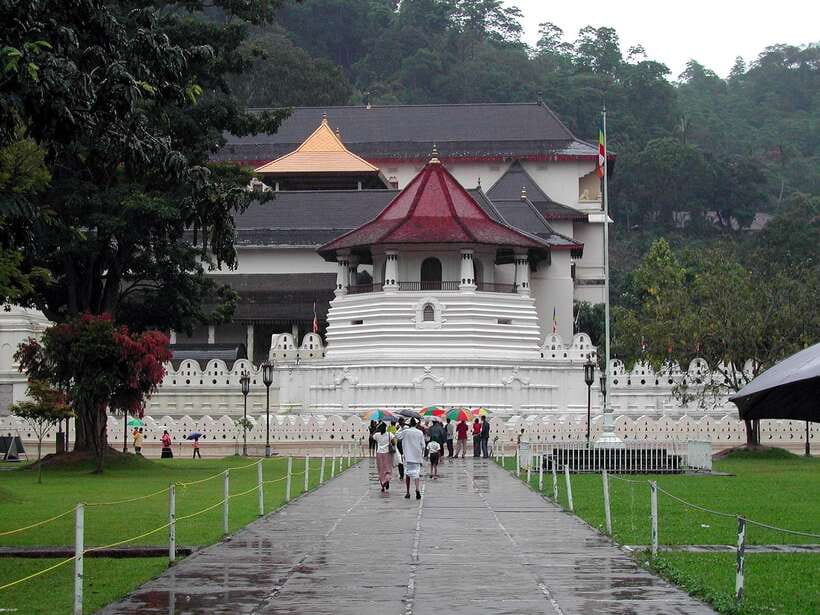
After the elephant-focused morning, the tour heads to the Temple of the Tooth Relic. This is the most sacred Buddhist temple in Sri Lanka, and it’s not just about what you see—it’s about what it represents. The tooth relic is described as a symbol of status tied to the ancient kings of Sri Lanka, so you’re walking into a place with real historical weight.
What you’ll notice once you’re there:
- the beautiful architecture of the temple area and palace-like feel
- the golden figurines in the shrine
- the significance of the tooth relic itself
There’s a separate temple entrance fee (US$6), so like Pinnawala, you should expect to pay an add-on at the site. Also, take the dress code seriously. The tour notes that because it’s a Buddhist temple, you should wear suitable clothing. In practice, that means clothing that covers appropriately so you don’t feel rushed fixing things on arrival.
If you’re hoping for a temple visit that feels like a deep religious lesson, this tour won’t pretend to be hours-long study. But it is well-suited for a respectful “see it, understand it, then move on” experience—especially when paired with the gardens afterward.
Spices and the herbal garden: cardamom to cinnamon, with price awareness
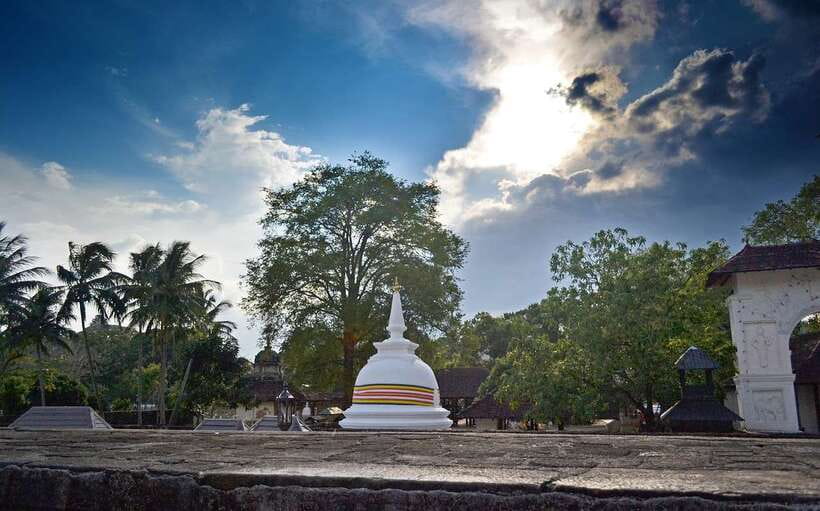
Next is the spice/herbal garden stop on an indigenous plantation. This is one of those Sri Lanka experiences that can either feel fascinating or frustrating, depending on your expectations and your patience for sales.
Here’s what you’re set up to learn and see:
- spices like cardamom, nutmeg, vanilla, cocoa, and cinnamon
- plus many other herbs and spices grown on-site
- an explanation of how spices connect to everyday life and regional history
However, the garden stop comes with a word of caution. Some feedback points out that spice-garden pricing can feel high, and another comment warns to be careful here because prices are elevated. That doesn’t mean you should avoid it—it means you should go in ready to:
- compare any purchases against what you might pay elsewhere
- treat demonstrations as informative rather than required to buy
If you genuinely like plant-based travel (or you’ve had cinnamon/vanilla/cocoa in your kitchen and want the origin story), this stop is worth it. If you’re only in it for photos and don’t plan to shop, just enjoy the sensory side and keep spending controlled.
Craft time, gem museum, and tea factory: where culture meets the shopping reality
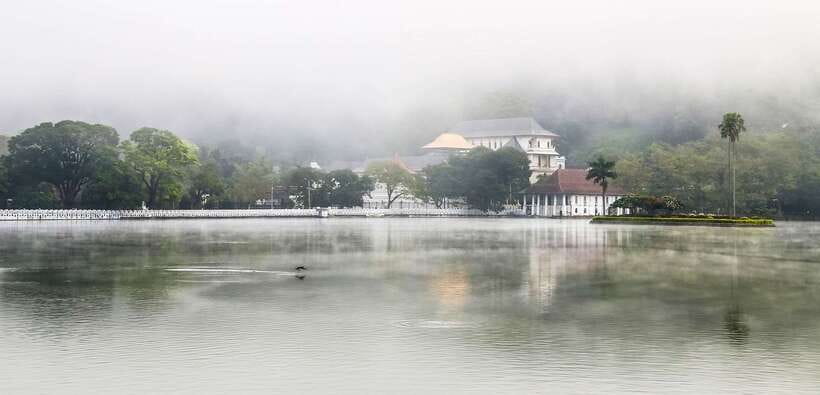
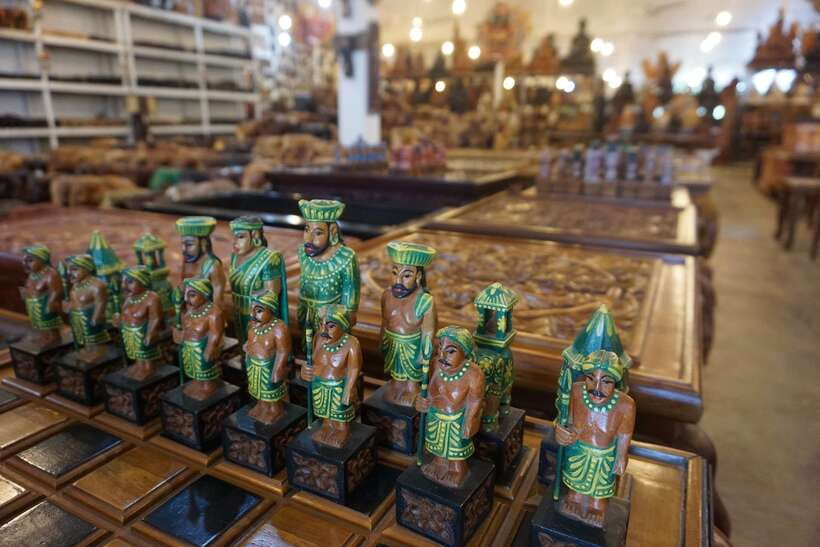
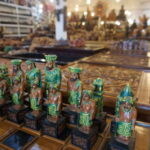
This day isn’t only about elephants and temples. It also includes a cultural “makers” stretch: arts and craft, demonstrations, and shopping options that include a local gem museum. Depending on the exact flow, you may see traditional artisans working in areas like:
- gems
- wood carving
- batik
The point is to show how local crafts are made and how they connect to Sri Lanka’s materials and skills. Watching demonstrations can be genuinely interesting, especially if you’re curious about technique—how patterns are built, how materials are handled, and how finished pieces are assembled.
You’ll also have time to buy souvenirs if you want. That part is optional, but it’s part of the overall structure of the day.
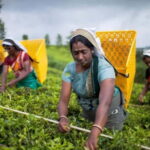
One additional inclusion in the tour overview is a tea factory stop where Ceylon tea is produced. Tea is such a big Sri Lankan identity that it deserves its own viewing moment, even on a fast schedule. This is where you can connect what you taste later in Colombo or on your return home with how it’s made in the hill country context.
A balanced takeaway: I like that these stops give you more than “one attraction, then leave.” But I also keep my expectations realistic. Craft and gem stops are often where the sales energy turns up. If you don’t want that, enjoy the demonstrations and make your purchases only if something feels fairly priced and meaningful.
You can also read our reviews of more tours and experiences in Kandy
Royal Botanical Gardens of Peradeniya: why the second half feels like a reset
After the temple and indoor/outdoor craft stops, you’ll head to the Royal Botanical Gardens of Peradeniya, one of Sri Lanka’s best-known nature attractions. This is a 147-acre stroll through an enormous collection: over 4,000 different plant species, including orchids, spices, and medicinal plants.
The tour specifically calls out a few standout plants you’ll want to look for:
- the cannonball tree
- the giant fig tree
- Burma bamboo that’s listed as reaching 40 meters tall
Why I like this part of the itinerary for most people: it slows the day down. Elephants are active, temples are structured and formal, and craft shops can be intense. The gardens give you space to walk at your own pace, absorb smells and textures, and actually rest your brain for a bit before heading back toward the west coast.
Just like the other “big ticket” stops, the Royal Botanical Garden entrance fee is US$6, and you’ll pay that separately. If you’re the kind of traveler who enjoys learning about how places work—what a garden used to be, what plant collections mean—it helps a lot that the tour mentions the gardens’ history and that the gardens include medicinal plants.
The lunch stop: plan for flexibility, not perfection
Lunch is not included in the tour price. The itinerary includes lunch at a local restaurant at your own expense.
This is the one place where expectations really matter. There’s at least one report praising the lunch as tasty, and at least one report calling the restaurant visit poor. That spread tells me the quality can vary depending on timing and what the restaurant serves that day.
My practical advice: treat lunch as a convenience stop. Don’t treat it as a “must-remember meal,” and keep a small buffer in your budget for additional drinks or snacks if you’re hungry later than expected.
Price and value: what $199 covers, and what you still pay
The price listed is $199 per person for a 1-day private trip. You’re paying for four main things:
- hotel pickup and drop-off from the west-coast beach area
- air-conditioned private transportation
- a live English guide
- organization of multiple major sites in one day
Entrance fees and meals are separate. Based on the listed add-ons, you’re likely looking at:
- Temple of the Tooth entrance: US$6
- Royal Botanical Gardens entrance: US$6
- Pinnawala Elephant Orphanage: US$15
That’s US$27 in listed entry fees, plus lunch and drinks.
So is it good value? I think it is—if you want the big hits with minimal planning. This isn’t just one attraction. It’s elephants, a major religious site, a large botanical collection, and cultural craft/tea/spice elements, all stitched together with private transport.
If you’d rather only do one or two “signature” stops and take your time, you might find cheaper options. But if your goal is to maximize your one day in the hill-country area, the structure makes sense.
Who should book this private day trip, and who should skip
I’d point this trip toward travelers who:
- want a first-time-friendly Kandy-area overview
- like pairing wildlife, sacred culture, and nature in one schedule
- appreciate the convenience of private pickup from west coast beaches
- don’t mind a long day with multiple stops
I’d skip it if:
- you have back problems, since the tour is not suitable
- you hate shopping pressure and want zero “optional buying” moments
- you need a specific language besides English—because the tour is listed as English, and one report included a guide named Viray who spoke only English even when a different expectation was set
If you have strong language needs, message ahead and confirm clearly. With private tours, small clarifications can save a lot of frustration.
Should you book this one-day Kandy and Pinnawala trip?
Yes, if your priority is a well-rounded day that covers elephants, Sri Lanka’s most sacred tooth-relic temple stop, and the Peradeniya gardens—without you having to coordinate between sites. The best reason to book is the combination: Pinnawala’s herd scale plus the Tooth Temple’s symbolism and architecture, followed by a calmer botanical walk.
Before you go, do three simple things:
- Budget for add-ons: Tooth (US$6), Botanical (US$6), Pinnawala (US$15), plus lunch.
- Pack light since large bags aren’t allowed.
- Dress for the temple so you can participate without stress.
If you’re sensitive about pricing at spice or craft stops—or if you want consistently excellent lunch—go in flexible and decide where you’ll spend and where you’ll pass.
FAQ
How long is the trip?
The duration is listed as 1 day.
What’s included in the price?
Hotel pickup and drop-off, transportation by air-conditioned vehicle, a tour guide, and a water bottle are included.
Which entrance fees are not included?
Temple of the Tooth entrance fee (US$6), Royal Botanical Garden entrance fee (US$6), and Pinnawala Elephant Orphanage (US$15) are not included.
Where do you get picked up and returned?
Pickup is from locations in the Western Province, and you’re returned to the Western Province.
Is lunch included?
No. Food and drinks, including lunch, are not included.
Is there a dress code for the temple?
Yes. Since the tour includes a Buddhist temple visit, you should wear suitable dress.