REVIEW · KANDY
Knuckles Leopard trail Trek from Kandy
Book on GetYourGuide →Operated by Nature Paradise Tours · Bookable on GetYourGuide
Knuckles is a quiet mountain workout with surprises. This Knuckles Leopard Trail trek turns Kandy into tea-country hiking, then shifts into a silent forest where endemic plants and animals are the point. You also get big views from rocky high ground, plus a waterfall stop that feels like a reward, not an extra chore.
What I like most is the combination of forest walking and real conservation-forest time with a live guide who actually knows what you’re looking at. In particular, guides such as Ashoke have a way of spotting wildlife signs like leopard tracks and sharing plant and herb insights while you walk. The main drawback: you should expect a muddy, wet day—your shoes and clothes will take a hit.
In This Review
- Key points before you book
- Getting to the trailhead from Kandy: early pickup, mountain rhythm
- Trekking the tea trail uphill: gravel paths and bridge crossings
- The silent forest section: evergreen dwarf forest and what to watch for
- Knuckles peak and rocky plateau views: why the climb feels worth it
- Waterfall picnic with a natural pool: lunch that doubles as recovery
- Downhill on the eastern slope: what changes late in the day
- Your guide experience: English explanations, plant care, and a calm pace
- Gear checklist that actually matches the trail
- Price and value: what $108 covers on a guided Knuckles trek
- Who should skip this trek (and who will love it)
- Should you book the Knuckles Leopard Trail from Kandy?
- FAQ
- What time does pickup happen in Kandy?
- When do you start trekking?
- What time does trekking end?
- How long is the trekking, and how far do you walk?
- What altitude will you reach?
- Is this trek beginner-friendly?
- Are there waterfalls and a place to swim?
- What’s included in the price?
- What should I bring?
- Is free cancellation available?
Key points before you book
- Private transfer from Kandy with a roughly 1.30-hour drive into the Knuckles range
- Tea trail uphill with gravel paths, wooden bridges, and chances to spot endemic flora and fauna
- Silent forest section through evergreen dwarf forest with endemic creepers and cane bamboo
- Peak and rocky plateau views from around 1000–1900 meters
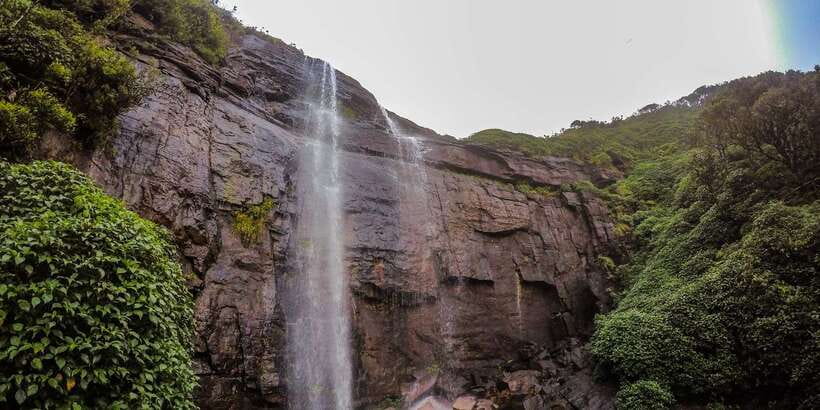
- Waterfall picnic with a natural pool where swimwear actually makes sense
- Hard-medium trekking day: about 6–7 hours walking over roughly 16–21 km
Getting to the trailhead from Kandy: early pickup, mountain rhythm

This is a full-day trek, and the day starts early from Kandy. You’ll be picked up from the hotel lobby between 7:00 am and 7:30 am. Then you’ll ride about 1.30 hours to the Knuckles range, with an early start that helps you beat heat and crowds.
Trekking itself kicks off later, around 9:30 am to 10:00 am. That gap between pickup and walking is useful. You’re not just getting transported; you’re also building time for the guide to set expectations, orient you, and help you settle in before the climb begins.
Plan your morning with one idea in mind: you’re dressing for hiking from the start. If you rely on bringing a change of clothes, you’ll still end the day muddy. The trek includes sections that can be wet and slippery, so your shoes should be ready for that reality.
You can also read our reviews of more hiking tours in Kandy
Trekking the tea trail uphill: gravel paths and bridge crossings
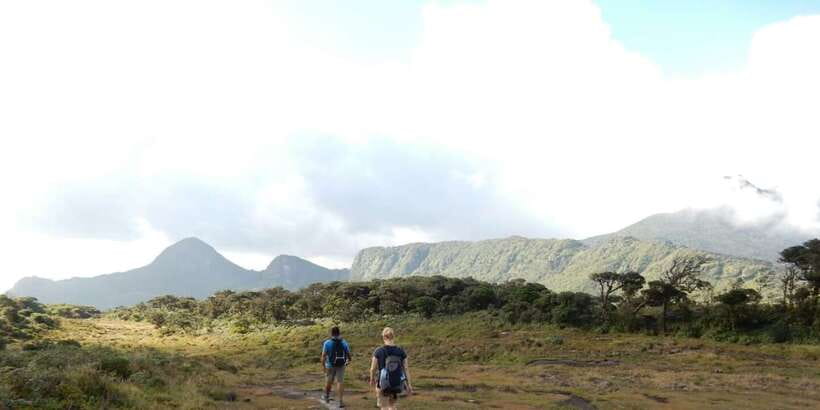
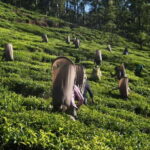
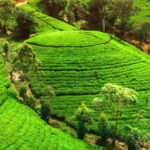
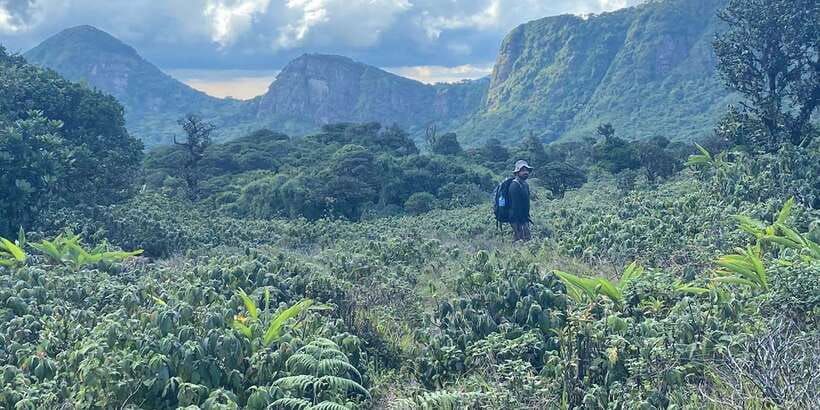
The first phase of the hike heads uphill into the Knuckles Mountain range, starting along the Tea Trail approach. Expect gravel, rocky paths, and an overall feel of active terrain rather than a gentle stroll.
As you move through this early stretch, you’ll cross wooden bridges. That’s not just scenery. Those crossings create rhythm on the trail and break up long lines of walking, while also giving you a few natural moments to look down for streams, water channels, and signs of forest life.
Your guide’s role becomes very practical here. Since the route is focused on Knuckles conservation areas, your guide will point out endemic flora and fauna you might otherwise miss at walking speed. In one day, that guidance turns the “just trees” feeling into a checklist of living details—leaf types, creepers, and plant habits you can actually notice as you pass.
The silent forest section: evergreen dwarf forest and what to watch for
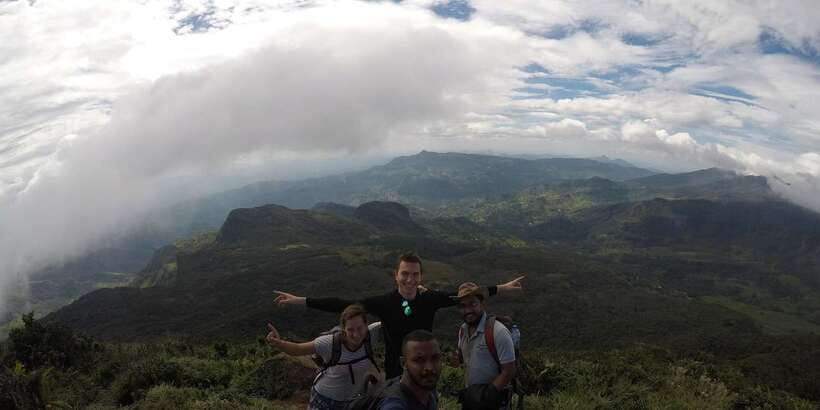
After the initial uphill effort, the route shifts into the silent forest area. This is where the hike changes tone. You trade open trail edges for a quieter, more sheltered environment.
You’ll walk through an evergreen dwarf cloud forest-style zone (the trek description calls it evergreen dwarf could forest), where the vegetation stays low and dense. You might notice how light behaves differently here. It filters, softens, and makes the forest feel close—great for spotting smaller plants.
The description also highlights endemic creepers and cane bamboo, and this is where those words matter. On a guided trek, that detail isn’t trivia. It’s what helps you understand why this forest feels different from a typical rainforest walk.
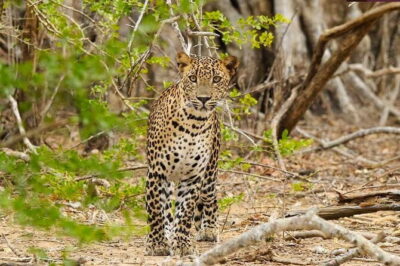
Also, this is a route designed for animal awareness. Even if you don’t spot a large animal clearly, you can still pick up evidence—movement patterns, calls, or the kind of sign your guide looks for. One guide experience shared that they even found leopard tracks on the route, which tells you the focus is real and not just marketing language.
Knuckles peak and rocky plateau views: why the climb feels worth it
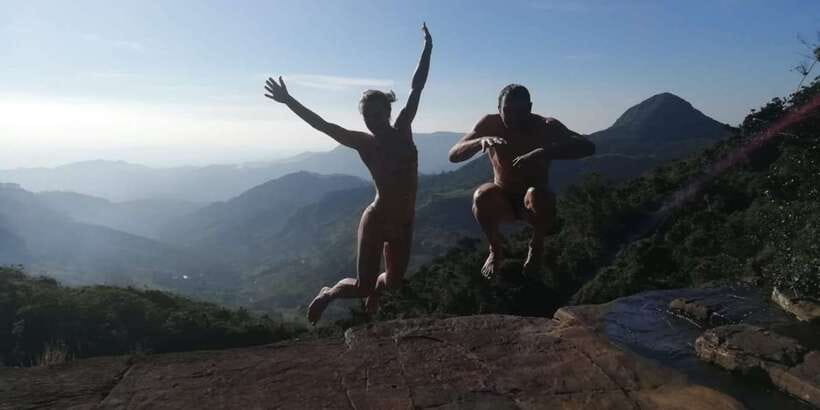
At some point, the trail opens toward a silent large rocky plateau and a peak view moment. This is the section most people remember because it changes what your eyes can do.
Instead of watching the ground for grip, you lift your head and suddenly the whole day makes sense: you’re earning the view. The route runs up to about 1900 meters (with an overall altitude range of 1000 to 1900 meters), so even when the hike stays “hard-medium” rather than extreme, the air and angles start to feel like altitude country.
If you like photography, this is your chance. Even a short pause on a plateau can turn a day into something visual and dramatic. If you’re not into photos, it’s still a good reset point. Take the break, hydrate, and let your body settle before the day moves into the later turning point.
And yes, some guides aim to reach Knuckles peak as part of the route plan. If that peak moment is a priority for you, this trek’s structure is built around that payoff.
Waterfall picnic with a natural pool: lunch that doubles as recovery
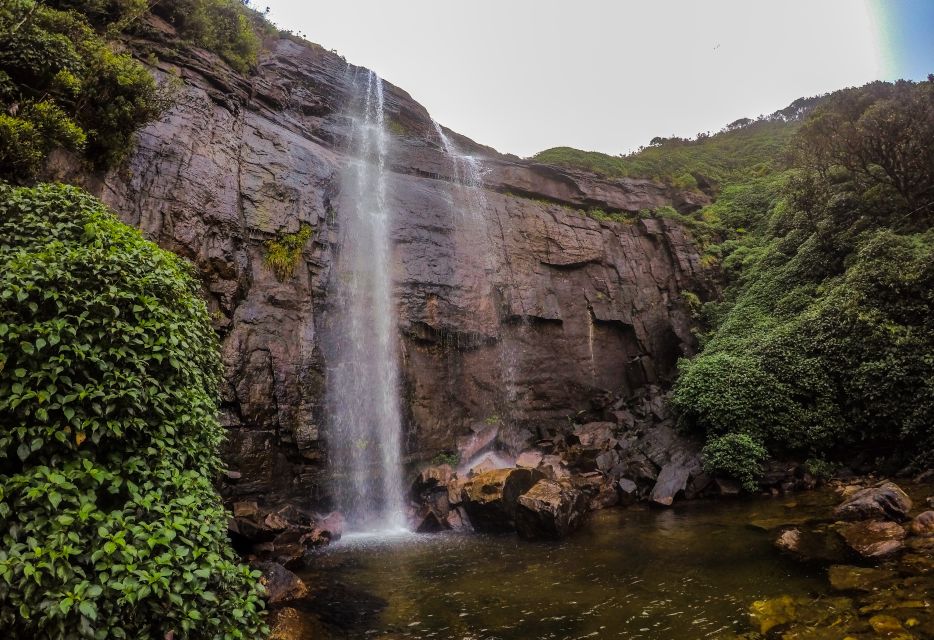
This trek isn’t only about walking. You’ll stop for picnic lunch during the trek, and the location is either at a waterfall with a natural pool or at/near the Knuckles peak area, depending on conditions and timing.
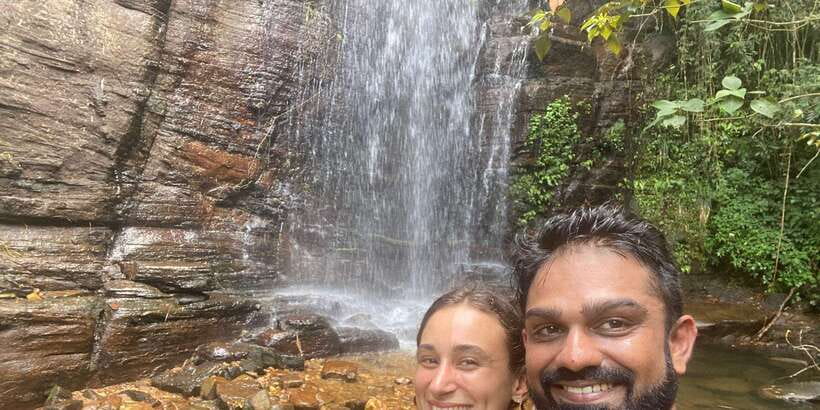
When lunch happens at a waterfall, it’s more than food. It becomes recovery time. You’re walking for hours, so a cool-water pause can feel like someone turned the heat down on your legs.
Because the plan includes a natural pool, bring swimwear. The trek description lists it in what to take with you, which is your cue that you should plan for the possibility of a swim, not just a wet rock photo.
A small practical note: if conditions are rainy or the ground is slick, you’ll want to dry off and protect your feet as you continue. The trek ends later in the afternoon, so don’t assume you’ll be dry forever once you start feeling soaked.
Downhill on the eastern slope: what changes late in the day
After a turning point, the trek starts downhill toward the eastern slope. Downhill can be deceptively tough. Your legs may feel it in a different way than the climb—more knee and shin stress than calf burn.
The route is graded hard medium, and your time on the trail is long: about 6 to 7 hours of trekking. That long duration is why the day needs pacing. A good guide will hold a pace that keeps you moving without turning the last hour into survival mode.
Expect more mud and wet patches as you descend. The trek description straight up warns you: you’ll be dirty, muddy, and wet afterward. That means your footwear should grip, and you should not plan on keeping your clothes pristine. It’s better to treat this like a proper hike day than a sightseeing day with a hiking option.
You’ll wrap up trekking around 4:30 pm to 5:00 pm, then head back to Kandy. Evening arrival time depends on hotel location and traffic.
Your guide experience: English explanations, plant care, and a calm pace
This is a live guided trek in English, and the guide isn’t just for route direction. The best part is how they translate the forest into something you can actually see and understand while you’re walking.
People who did the trek highlight how guides share details about fauna and flora, and one experience mentions extra attention to herbs and spices. That matters because Knuckles can feel like a green blur if you’re left alone. With a guide, the trek becomes a story you can track step by step.
Guides also seem to manage pace well. One shared experience noted that the hike was medium intensity and doable with normal condition, and that the guide adjusted speed to the group. Another experience mentioned the guide handling language barriers gently, still delivering lots of information even with limited English on one side.
There may also be a short moment of reflection involved with the guide’s approach. One shared account described a brief prayer at the start and another at the end. Even if that isn’t your thing, it’s usually brief, calm, and part of the local style of leading a hike.
The practical takeaway: choose this trek if you want a guide who talks in plain language while you’re moving.
Gear checklist that actually matches the trail
This trek gives you a clear list of what to bring, and it lines up with what the day does to you.
Bring:
- Trekking shoes (your main decision)
- Rain jackets (the forest doesn’t care about your schedule)
- Swimming cloths/swimwear (for the natural pool lunch stop)
- Small back pack/daypack
- Sun cream (you’ll still get sun breaks, especially on open areas)
Dress for mess. The trek description warns you’ll be dirty, muddy, and wet afterward. That’s not a scare tactic—it’s a forecast. If you treat this like a casual walk, you’ll feel annoyed. If you treat it like a hike, you’ll feel satisfied when you’re done.
Price and value: what $108 covers on a guided Knuckles trek
The price is listed at $108 per person for a 1-day outing. That’s not a budget price, but it’s also not just a “walk and hope” situation.
What you get for that cost:
- Picnic lunch
- Bottled water
- Coffee and/or tea
- All fees and taxes
- Private transportation from Kandy
- Entry/admission to Knuckles Conservation Forest
That mix matters. Entrance and conservation-forest access can be a real cost, and the day’s distance means transport isn’t optional. Add in a guided day with an English-speaking live guide, and you’re paying for logistics plus interpretation.
If you were to do this independently, you’d still need a way to reach the range, pay access fees, and find a guide or safe route knowledge. At $108, the price looks like you’re buying a complete, guided day rather than a single activity.
Who should skip this trek (and who will love it)
This is labeled as hard medium, with trekking distance 16 to 21 km over 6–7 hours, plus altitude up to 1900 meters. It’s not built for total beginners.
It is not suitable for:
- Children under 5 years
- People with altitude sickness
- People with low level of fitness
- Babies under 1 year
So who is it for? People who like walking days, who don’t mind getting muddy, and who want a guided focus on endemic flora and fauna rather than only scenic photos. If you’re active enough to handle a long hike and you’re curious about forest plants and wildlife signs, this fits well.
If you prefer flat easy hikes, or if wet trails make you miserable, you’ll likely feel frustrated by the terrain and mess level.
Should you book the Knuckles Leopard Trail from Kandy?
Book it if your idea of a great day is: morning start, guided nature focus, a peak view payoff, and a waterfall lunch break where swimwear is useful. This trek also seems to be strong on guide quality—English explanations, attention to herbs and wildlife signs, and careful pacing are repeatedly emphasized.
Skip it or choose a gentler option if you:
- get uncomfortable with long hikes and muddy conditions
- have any reason you can’t handle altitude (it goes up to around 1900 meters)
- don’t want a day that runs roughly from early pickup through late afternoon return
One last practical check: look at your footwear condition and your willingness to get dirty. If you’re good with that, this trek has the kind of nature day that stays in your memory.
FAQ
What time does pickup happen in Kandy?
Pickup is included from the hotel lobby between 7:00 am and 7:30 am.
When do you start trekking?
Trekking starts between 9:30 am and 10:00 am.
What time does trekking end?
Trekking ends around 4:30 pm to 5:00 pm.
How long is the trekking, and how far do you walk?
Trekking lasts about 6 to 7 hours, and the distance is listed as roughly 16 to 21 km.
What altitude will you reach?
The altitude range is listed as 1000 to 1900 meters.
Is this trek beginner-friendly?
It’s graded as hard medium. It is listed as not suitable for people with low level of fitness.
Are there waterfalls and a place to swim?
Yes. The picnic lunch can be at a waterfall with a natural pool, and swimming is part of the planned experience, so swimwear is recommended.
What’s included in the price?
Included are picnic lunch, bottled water, coffee and/or tea, all fees and taxes, private transportation, and entry/admission to Knuckles Conservation Forest.
What should I bring?
You should bring trekking shoes, rain jackets, swimwear/swimming cloths, a small backpack/daypack, and sun cream.
Is free cancellation available?
Yes. The activity offers free cancellation up to 24 hours in advance for a full refund. Reserve now and pay later is also listed.
If you want, tell me your fitness level and whether you hate muddy trails. I can suggest whether this one is a good match, or help you pick a more forgiving Knuckles option.