REVIEW · KANDY
Private Traditional Sri Lankan Cooking Class in Kandy
Book on GetYourGuide →Operated by yummy kandy cooking · Bookable on GetYourGuide
A good meal is one thing. Cooking it your way is better—and in Kandy, this class stays hands-on with small-group attention and clear Sri Lankan technique. You’ll learn dishes like lentils and jackfruit curry, then sit down to eat what you made, which is a big part of the fun. I also like that you’re not stuck with a one-size-fits-all menu: you can choose vegan/vegetarian or gluten-free options and still cook the real deal.
The only catch is time: 3 hours passes fast, so you won’t get the slow, step-by-step pace of a multi-day course.
In This Review
- Key highlights at a glance
- Kandy cooking for real: what makes this class worth $40
- Meet Chitra and the Kandy kitchen team in English
- What you’ll cook: lentils, jackfruit curry, and classic Sri Lankan sides
- The hands-on flow: from ingredients to a full table meal
- Lunch that feels local: eating what you cooked (and why it’s satisfying)
- Vegan and gluten-free without turning it into a compromise
- Logistics in Kandy: easy pickup, short duration, real time in the kitchen
- Who this class fits best (and who should think twice)
- Should you book it? My practical take
- FAQ
- How long is the Private Traditional Sri Lankan Cooking Class in Kandy?
- What’s the price per person?
- Is lunch included?
- Can I choose vegan or gluten-free options?
- What dishes will we learn to cook?
- Is pickup from my hotel included?
- Is the class taught in English?
- What’s the group size?
- FAQ
- What’s the cancellation policy?
- What does Reserve now & pay later mean?
Key highlights at a glance
- Chitra-led instruction in English, with a supportive feel even if you’re new to cooking
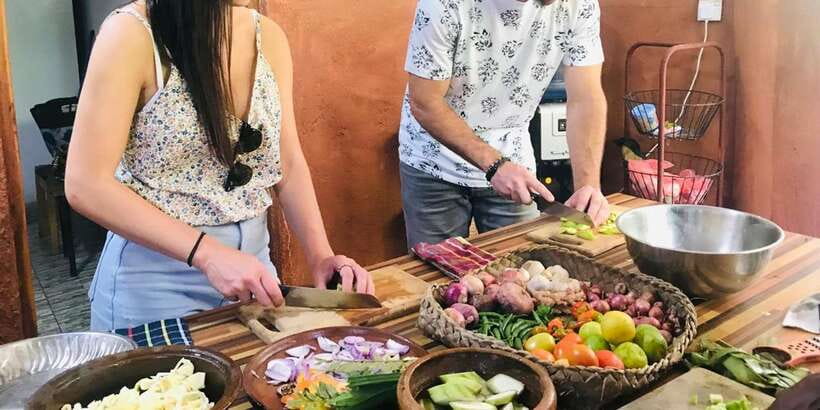
- Small group max of 4, so you get real attention at the stove
- Make-from-scratch meals, then enjoy a full sit-down lunch with your classmates
- Lentils and jackfruit curry are headline dishes, with spice blends and cooking methods explained
- Diet-friendly options for vegan and gluten-free eating
- Hotel pickup by tuk tuk or van, making Kandy logistics easy
Kandy cooking for real: what makes this class worth $40
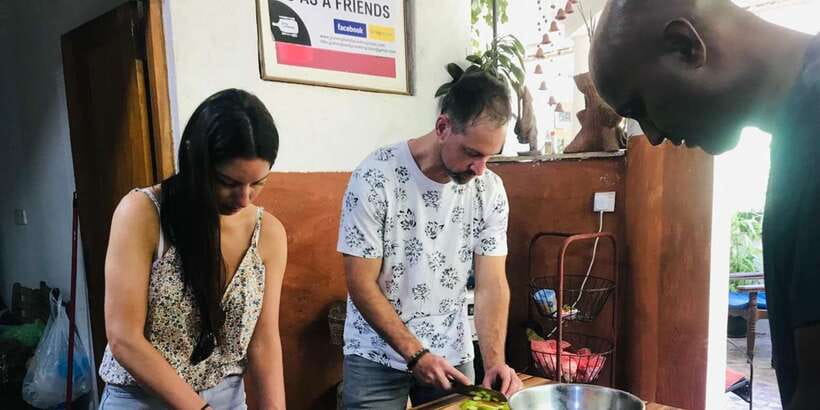
At $40 per person for a 3-hour, small-group experience, this is the kind of activity that works because it gives you value in two ways: skill and food. You’re not just tasting. You’re cooking dishes that match Sri Lankan home-style cooking, including spice work and the way curries build flavor while they simmer.
This matters in Kandy. If you stay focused only on temples and tea breaks, food can feel like something you buy. Here, you connect it to process: how you season, how you balance heat, and how ingredients come together. That’s why the class reads as a repeatable highlight for many people—when you leave, you can recreate dishes later using what you were given.
Small-group size is the quiet hero. With only 4 participants, you’re less likely to spend the whole time watching. You can ask questions while you’re actively cooking, and the instructor can correct small technique issues before they become bigger ones—like spice ratios or how long to let onions or aromatics cook.
You can also read our reviews of more private tours in Kandy



Meet Chitra and the Kandy kitchen team in English
The class is led by Chitra, and instruction is in English. That’s a practical detail worth caring about: cooking lessons get much more useful when you understand why each step exists, not just what to do. You should expect a supportive environment where beginners aren’t punished for not knowing the difference between a curry that needs more simmer time and one that’s already done.
Recent experience also highlights the hands-on warmth of the host kitchen team (often described by the name Ranees and his wife). In other words, you’re cooking with people who actually run food businesses, not just teaching for a hobby. That shows in how smoothly the class moves and how comfortable you feel standing over your station.
One more practical point: pickup and drop-off are included. You meet at your hotel concierge desk, then get taken to the class and returned afterward. Transport is either a tuk tuk or a van depending on group size, which is a fun bonus when you’re based a bit outside the most central areas.
What you’ll cook: lentils, jackfruit curry, and classic Sri Lankan sides
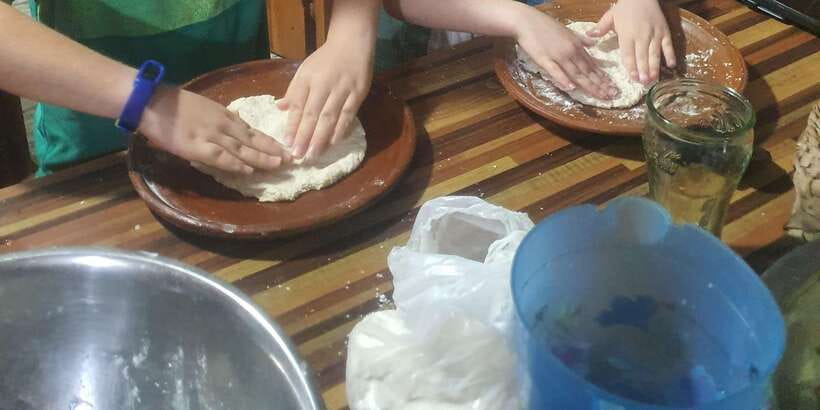
This isn’t a lesson where you make one simple dish and call it a day. The menu is built to show range. You learn a sequence of dishes, including lentils and jackfruit curry. Those are both great choices for understanding Sri Lankan flavor because they reward correct spice blending and patient cooking.
Lentils also teach you texture control. If you undercook them, they taste dull. If you overcook, they can turn heavy. You’ll learn the method side—how ingredients behave during simmering—so you can adapt the idea to other legume recipes later.
Jackfruit curry is where you see Sri Lankan cooking’s flexible take on ingredients. Jackfruit is meaty when cooked well, and it’s especially interesting when you’re cooking vegan. The curry format helps you understand how spice and sauce become the core of the dish, not just the fruit itself.
Depending on the session and dietary choice, you may also cook things like mango chutney, chicken curry, and a selection of vegetable dishes. The key is that you’ll experience a mix of curry style and complementary sides, so the lunch you eat later feels like a real plate from Sri Lanka, not a training sampler.
The hands-on flow: from ingredients to a full table meal
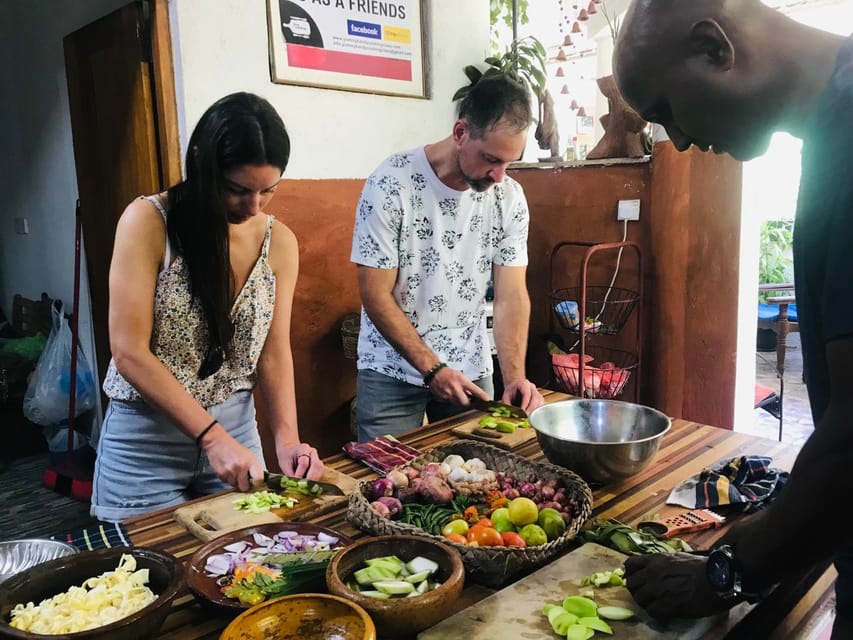
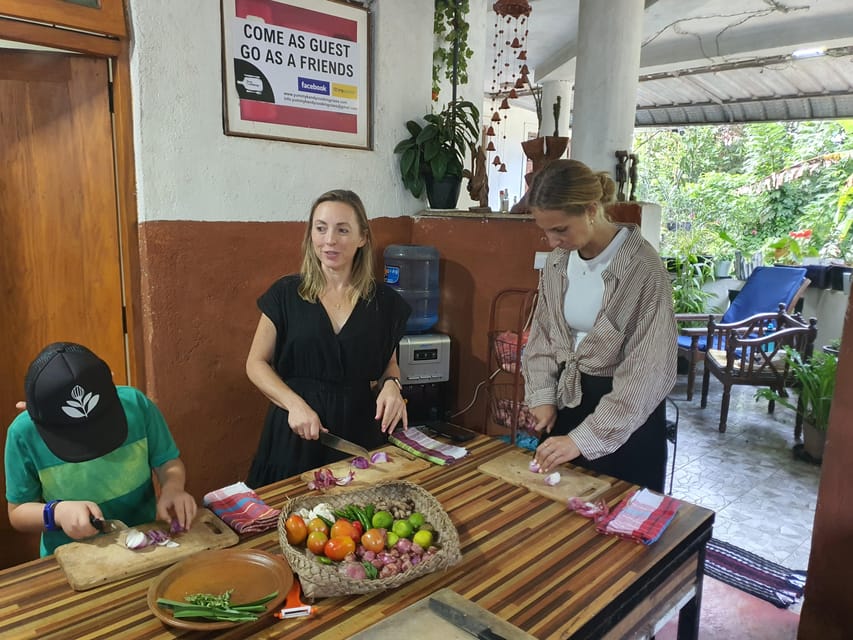
A big reason this class earns such strong praise is how it’s structured. You’re guided through the full cooking process rather than being handed a half-finished dish and told to reheat it. In practical terms, that means you get to practice each stage: prep, seasoning, simmering, and finishing.
Some classes include a market-style stop to pick produce for what you’ll cook. That’s not just sightseeing. It helps you connect ingredients to flavor, and it gives the cooking more meaning because you’ve selected what’s going into the pot. Even if your session doesn’t include a market stop, the class still leans toward real ingredient use and start-to-finish cooking.
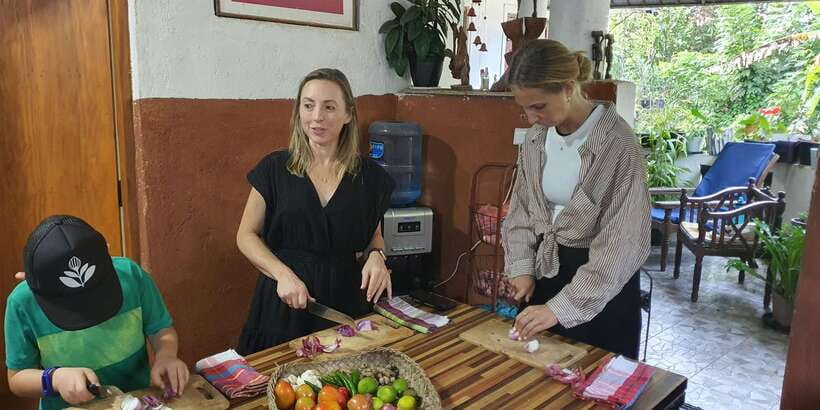
There’s also a useful teaching rhythm: the instructor explains spice blends and methods in a way that makes sense while you’re doing the work. When you’re chopping, you’re learning. When you’re stirring and simmering, you’re understanding how heat and timing change the outcome. It’s faster than home cooking, but it’s not confusing.
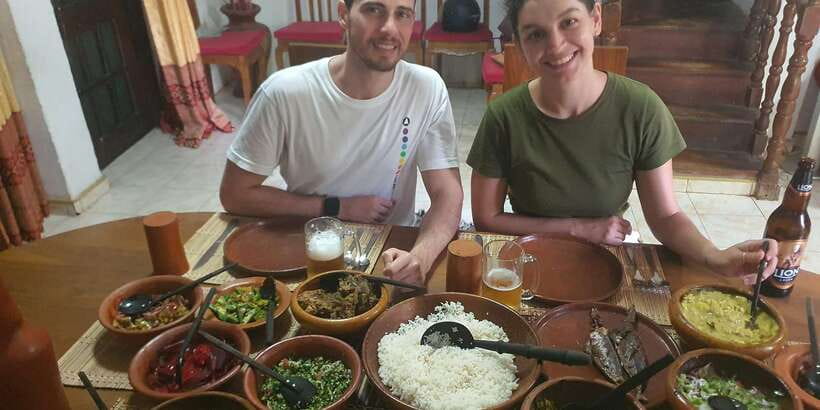
After the kitchen session, you gather around the table and eat the dishes you made. That meal is included in the price, along with coffee and/or tea. For many food lovers, that sit-down part is the moment it clicks: you finally taste everything as a complete set, not as separate experiments.
Lunch that feels local: eating what you cooked (and why it’s satisfying)
I like classes where the meal isn’t treated like an afterthought. Here, lunch is part of the experience, and that changes how seriously you approach each dish while cooking. You’re aiming for flavor and texture because you’ll eat it in a real sitting.
You also get bottled water, which helps keep things comfortable during a hot, active few hours. This matters more than it sounds when you’re handling spice and using the stove.
Another detail to notice: the food often comes out better than you’d expect from a cooking class. You’re not just tasting things. You’re learning flavors that match what you’d get in good local cooking—then experiencing how those flavors come from technique. That’s why people describe the results as some of the best meals they’ve had in Sri Lanka.
You can also read our reviews of more cooking classes in Kandy

Vegan and gluten-free without turning it into a compromise
Sri Lankan cooking can be either meat-forward or plant-based depending on the dish, and this class handles that well. You can choose meals that match your dietary preferences, including vegan/vegetarian and gluten-free.
That’s important because some cooking classes quietly assume you’ll take a normal menu and just eat around it. Here, dietary needs are built into the plan. If you request vegan, the kitchen works with vegan versions of curries and sides so you still get the full class arc.
Gluten-free matters too. Curries and spice-based dishes can be gluten-friendly by nature, but cross-contamination and hidden ingredients are where problems happen in many places. Since the class explicitly includes gluten-free options, you can plan your eating without guessing.
If you’re traveling with a dietary requirement, this is the kind of activity where you’ll feel included while cooking, not stuck waiting for an adjusted plate at the end.
Logistics in Kandy: easy pickup, short duration, real time in the kitchen
The class lasts 3 hours. That’s a sweet spot for an active morning or early afternoon: long enough to cook several dishes, short enough to keep your day open for temples and parks.
Pickup is included. You meet at your hotel concierge desk and return there after the experience. For transport, it’s either a tuk tuk or van depending on the number of guests. If you like small, local transport moments, a tuk tuk ride adds a bit of charm to the start and end of your cooking session.
Because the group is limited to 4 people, the timing usually feels tighter and more efficient. You’re not waiting around for a large group to gather. That’s a practical quality when you’re in Kandy and you’re trying to manage heat, traffic, and your schedule.
One more note: the class is wheelchair accessible. If you use a mobility device, it’s worth keeping this in mind and asking the provider what the kitchen access looks like, but the activity is listed as wheelchair accessible.
Who this class fits best (and who should think twice)
This suits you if:
- you want a hands-on cooking lesson instead of a simple food tour
- you like small groups where questions are easy
- you enjoy learning spice technique and curry methods, not just following steps
- you need vegan or gluten-free options that are actually part of the menu
It might not suit you if:
- you want a slow, ultra-detailed lesson. With 3 hours, the pace is focused.
- you’re traveling with very young babies. The activity isn’t suitable for babies under 1 year.
Should you book it? My practical take
If your goal is to leave Kandy with something you can recreate, book this. The best part isn’t only the food—it’s the combination of clear cooking instruction, a small group with personal attention, and the chance to eat what you made right away. Add in the dietary options, and it’s a strong pick for many different eating styles.
The price is also reasonable for what you get. You’re paying for a professional cooking teacher, kitchen equipment, lunch, coffee and/or tea, bottled water, and ingredient-based learning. For $40, that’s a solid value compared with paying for multiple restaurant meals plus a cooking workshop with smaller portions.
Before you book, just be honest about your time. If you only have a half day and you want maximum sightseeing, the 3-hour block might feel like it steals time. But if you care about food and technique, this is one of the more practical ways to spend your hours in Kandy.
FAQ
How long is the Private Traditional Sri Lankan Cooking Class in Kandy?
The class runs for 3 hours.
What’s the price per person?
It costs $40 per person.
Is lunch included?
Yes. Lunch is included, along with coffee and/or tea.
Can I choose vegan or gluten-free options?
Yes. Meals can be arranged according to dietary preferences, including vegan/vegetarian or gluten-free.
What dishes will we learn to cook?
The class includes dishes like lentils and jackfruit curry, with a menu that may include additional Sri Lankan dishes depending on the session.
Is pickup from my hotel included?
Yes. Pickup is included from your hotel concierge desk, and you’re dropped back at the end of the experience. Transport is by tuk tuk or van based on the number of guests.
Is the class taught in English?
Yes. The instructor speaks English.
What’s the group size?
The class is a small group limited to 4 participants.
FAQ
What’s the cancellation policy?
You can cancel up to 24 hours in advance for a full refund.
What does Reserve now & pay later mean?
It means you can reserve your spot and pay later, so you don’t pay anything today.