REVIEW · BENTOTA
Madu River Safari at Balapitiya
Book on Viator →Operated by Look Lank Tours · Bookable on Viator
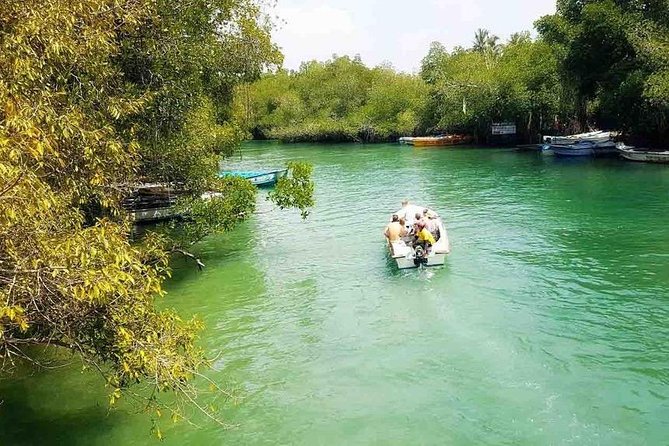
One trip can feel like two worlds: river wildness and Sri Lankan calm. A Madu River boat safari in Balapitiya takes you through mangrove channels, past wildlife habitat, then adds cultural stops like Kothduwa Temple and Cinnamon Island. I love the way the boat pace lets you actually look closely, not just rush through photos.
My other favorite part is the cinnamon segment. You get a live look at how cinnamon is handled and processed, and the stop can include cinnamon tea and hands-on moments like peeling. The main consideration for me is that this experience depends on conditions on the water, so if weather is rough the tour can shift or be refunded.
In This Review
- Key highlights you’ll feel right away
- Madu Ganga boat safari: what 1.5 hours on the water is really like
- Wildlife spotting: crocodiles, snakes, birds, and the surprises you’ll remember
- Cinnamon Island: how the smell, demo, and tea fit together
- Kothduwa Temple on an island: the calm cultural counterpoint
- Logistics and value: where $23.40 makes sense
- What to wear and bring for a comfortable mangrove safari
- Who this Madu River safari fits best (and who might find it so-so)
- My take: should you book this Madu River Safari from Balapitiya?
- FAQ
- Where does the Madu River safari start and end?
- How long is the experience?
- What’s included in the price?
- Is pickup offered?
- What do you see during the boat safari?
- What happens at Cinnamon Island?
- Which temple is visited?
- Is the tour private?
- What should I wear?
- What if the weather is bad?
Key highlights you’ll feel right away
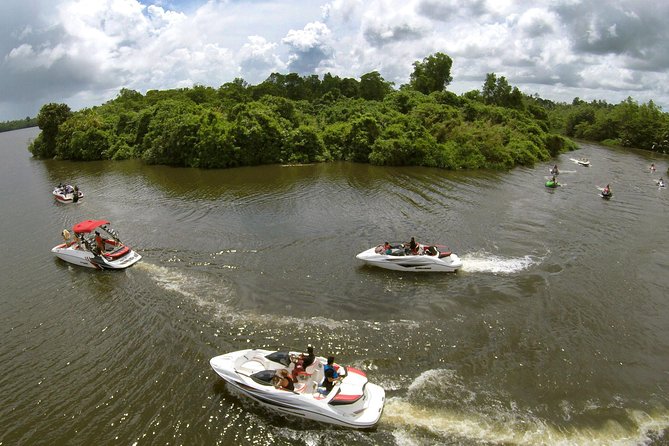
- Mangrove boat time on Madu Ganga: a slow, close-up cruise through marshy waterways and mangrove tunnels
- Cinnamon Island demo: see how cinnamon is made, with sampling possible (including cinnamon tea)
- Kothduwa Temple visit: a quiet Buddhist stop on an island setting
- Wildlife chances: crocodiles, snakes, water monitor lizards, and lots of birdlife where they live
- Small, private-group feel: it’s listed as private, so your group stays together
Madu Ganga boat safari: what 1.5 hours on the water is really like
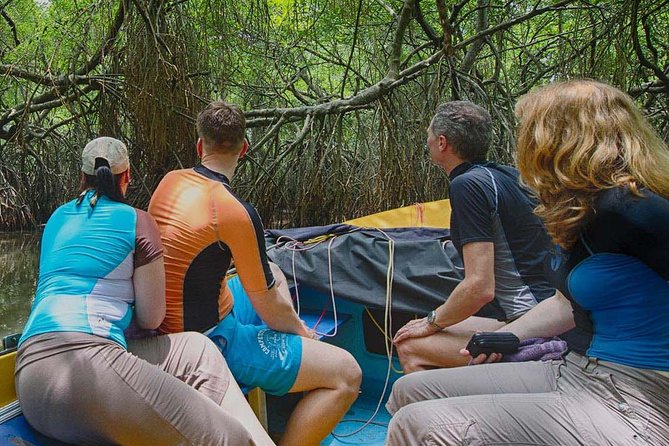
This safari centers on the Madu River itself, with a boat ride that runs about 1 to 1.5 hours during the experience window. You start at Madu Ganga and end back there, so you’re not dealing with long transfers or multiple drop-offs. The tone is practical: you’re there for the river, the ecosystem, and the wildlife patterns you can observe from the boat.
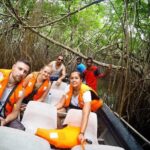
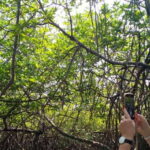
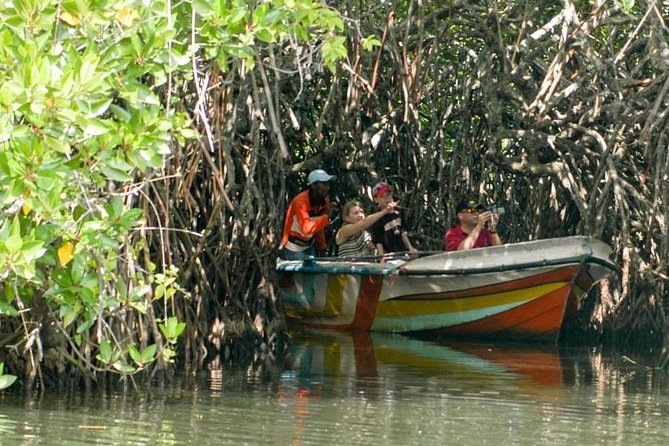
The route takes you through mangrove marshes and into darker, enclosed areas where thick roots and trees form natural corridors. The experience description mentions caverns formed by mangroves and alternating patches of open water. Translation: you get changing views every few minutes—shade, then sunlight; narrow channels, then a wider stretch where birds and movement stand out.
You’ll also learn what mangroves do for the local ecology. Even if you don’t get a long science lecture, you’ll understand the point quickly: mangroves are shelter, breeding grounds, and protection for river life. That matters because it helps you spot wildlife with less guesswork. Instead of scanning randomly, you know where the river’s “lived-in” zones tend to be.
The boat ride is led by an instructor, and that’s a big deal for value. Wildlife watching is never guaranteed, but a good guide helps you notice signs—movement, nesting behavior, or the areas where animals come to feed. It’s also more comfortable because you’re not steering or timing anything yourself.
You can also read our reviews of more tours and experiences in Bentota
Wildlife spotting: crocodiles, snakes, birds, and the surprises you’ll remember
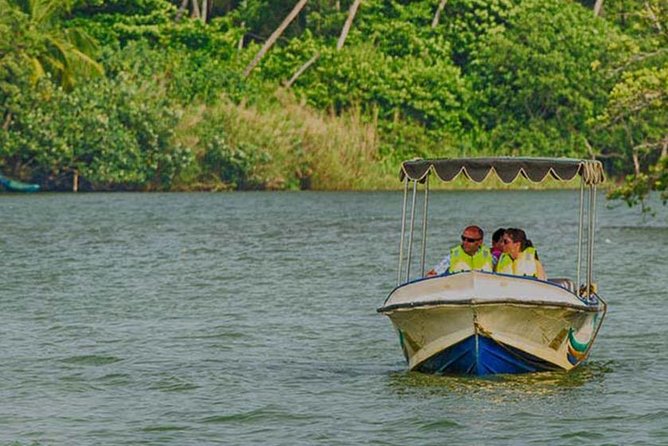
This is a wildlife-first trip, and it’s honest about what you might see. The experience info includes potential sightings such as crocodiles, water snakes, tree snakes, and wild boars. You also have a strong chance of birdlife: cormorants and storks are specifically mentioned, plus other birds hunting along the flow of the river.
What I like about this setup is that it doesn’t sell wildlife as a certainty. The river is alive, but it’s also natural habitat. When you go, you’re trying to catch moments: a head popping up, a quick glide through roots, a bird hunting in a clear stretch.
One of the best-real moments comes from the type of animals people report. In the provided review highlights, someone noted a water monitor lizard and black monkeys during the overall experience. That’s the kind of payoff that tells you the boat and island stops aren’t just scenery—they can line up with the animals using the area.
You’ll also pass details that hint at how people live with the river. The description mentions pots used for catching prawn and shrimp in shallower sections of the river. Those aren’t just decorative. They remind you this is a working ecosystem, not a theme park.
Practical tip: bring your eyes, not just your camera. If you fix on one animal too long, you’ll miss the next cue. In mangrove habitats, the action is often brief.
Cinnamon Island: how the smell, demo, and tea fit together
After the main safari section, the trip shifts to Cinnamon Island, where you’ll see how cinnamon is made. This part is valuable for a simple reason: cinnamon is one of those products people buy back home without understanding what they’re actually tasting.
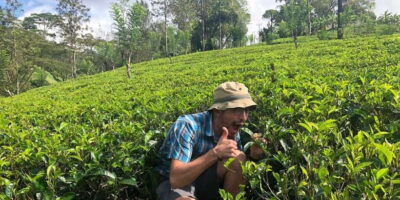
The review highlights point to a standout experience here: a cinnamon demo plus cinnamon tea, which made the stop memorable. Even if you’re not a spice-nerd, the sensory side helps. Cinnamon’s scent shows up early, and once it’s in the air, the whole demonstration feels more real.
You may also get hands-on elements such as cinnamon peeling. That’s the kind of activity that turns “seeing” into “doing,” and it doesn’t require special skills. You’re guided through what to watch for and what cinnamon looks like as it’s processed.
From a traveler’s perspective, cinnamon island is also a nice pacing break. If you’ve been staring at water movement and birds, your brain welcomes a different kind of attention—textures, tools, and a product that connects Sri Lanka’s agriculture to the world.
Value note: the experience includes admission and the listed stops (Cinnamon Island). You’re not paying extra just to get the demo. Bottled water is also included, which helps during a hands-on segment.
Kothduwa Temple on an island: the calm cultural counterpoint
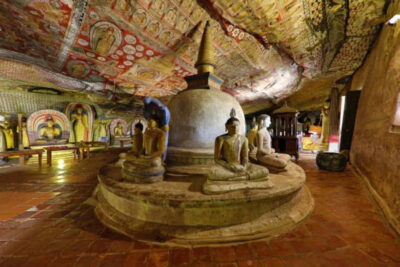
Next up is a visit to a temple island. The overview calls it Kothduwa Temple, while the included list labels an Island Temple. Either way, you’re stepping into a sacred space set beside the river environment you just explored.
This stop works because it changes the tempo. The boat part is all about movement and wildlife. The temple part is more about stillness and observation. Even a short temple visit can help you understand that mangroves and waterways are not just “nature”—they’re tied into local life and spiritual geography.
You’ll be there with an instructor, which matters again. Sacred sites can feel confusing if you don’t know what you’re looking at. A guide can point out key elements and keep you from turning a respectful visit into a rushed photo sprint.
Dress code is listed as smart casual, so you’ll want to dress appropriately for a temple setting. Keep it simple: modest top, comfortable bottoms, and avoid anything too flashy or revealing. If you’re unsure, err on the conservative side.
Logistics and value: where $23.40 makes sense
At $23.40 per person, this safari lands in the budget-friendly category for a full river experience with multiple stops. What makes it feel like good value is the package structure: you get the boat tour (about 1 to 1.5 hours), an instructor, bottled water, and the included stops for Cinnamon Island and the island temple.
Transport is a partial wildcard. The info says pickup is offered, but it also notes transport to the boat safari place is not included. In practice, that can mean you should confirm the pickup details at booking or be ready to get to the meeting point area on your own if needed. Your best move is to treat pickup as “possibly included,” not as guaranteed door-to-door service.
The tour also mentions group discounts and that it’s a private tour/activity, meaning only your group participates. If you’re traveling with friends or family, private can make the math even better, because you’re less stuck with a random group’s energy level.
Duration is listed as 1 to 2 hours (approx.), so this fits cleanly into a day that might also include the beach and coastal viewpoints around Bentota. It’s long enough to feel substantial, but short enough that you’re not losing a full day.
One more value point: you can use a mobile ticket, and confirmation comes at booking. That reduces stress when you arrive.

What to wear and bring for a comfortable mangrove safari
This tour is labeled smart casual, but the river setting usually calls for practical choices. You’ll be on a boat, likely in humid air, and you may be in shaded mangrove areas where cool, damp wind can pop up. So dress in breathable layers.
What I recommend:
- Wear comfortable shoes you don’t mind getting a little muddy or damp.
- Bring a light layer if you get cool on shaded water.
- If you wear sunglasses, pick ones with decent coverage; mangrove light can change fast.
Bottled water is included, so you don’t need to carry drinks just for this segment. Still, I’d keep a small snack in your bag only if your day before or after stretches long—meals and drinks aren’t listed as included.
There’s also a note about weather: this experience requires good weather. If rain or rough conditions hit, you might be offered another date or a full refund. If you’re planning tightly, build in buffer time.
Who this Madu River safari fits best (and who might find it so-so)
This is a strong match if you like:
- Wildlife viewing that’s tied to habitat, not just a quick roadside stop
- Short excursions that don’t eat the whole day
- Cultural moments paired with nature, like a cinnamon demo and a temple visit
It’s also ideal if you’re curious about Sri Lankan spice processing and want more than a generic souvenir story.
I’d think twice if you’re the type who needs guaranteed animal sightings. Wildlife in mangroves is never controlled. You’ll improve your chances by staying alert and letting your guide direct your attention, but nature still sets the terms.
It’s also a good fit for most travelers. The listing says most people can participate, and it’s near public transportation. Still, as with any boat experience, you’ll want to be comfortable with being on the water for up to about an hour and a half.
My take: should you book this Madu River Safari from Balapitiya?
If you want a nature-and-culture sampler that doesn’t require a full-day commitment, I think this tour is worth booking. The combo of mangrove boat safari, Cinnamon Island, and a temple visit gives you multiple angles in a short time, and the reported highlights like cinnamon tea and sightings such as a water monitor lizard make it feel like more than just a scenic ride.
Before you lock it in, do one simple check: confirm how pickup works for your exact location, since transport to the boat safari place isn’t fully included. After that, go with the mindset of habitat viewing. When you do, the river usually pays you back—sometimes with wildlife, and often with the kind of quiet, natural focus you can’t get from a quick bus tour.
FAQ
Where does the Madu River safari start and end?
The tour starts and ends at Madu Ganga, Sri Lanka.
How long is the experience?
The experience is listed as 1 to 2 hours (approx.), with a 1 and 1/2 hour boat tour included.
What’s included in the price?
Included items are bottled water, the boat tour, an instructor, the island temple, and Cinnamon Island.
Is pickup offered?
Pickup is offered, but transport to your place to the boat safari location is listed as not included. It’s best to confirm the exact pickup plan when booking.
What do you see during the boat safari?
You cruise through mangrove marshes and may see crocodiles, water snakes, tree snakes, wild boars, and birdlife such as cormorants and storks. The route also includes river details like pots used for catching prawns and shrimp in shallower areas.
What happens at Cinnamon Island?
Cinnamon Island is part of the tour and focuses on how cinnamon is made. Hands-on elements like cinnamon peeling may be included, and the experience may feature cinnamon tea.
Which temple is visited?
The tour includes a visit to Kothduwa Temple (listed as an Island Temple).
Is the tour private?
It’s listed as a private tour/activity, meaning only your group participates.
What should I wear?
The dress code is smart casual.
What if the weather is bad?
This experience requires good weather. If it’s canceled due to poor weather, you’ll be offered a different date or a full refund. Free cancellation is available up to 24 hours in advance for a full refund.