REVIEW · COLOMBO
Cooking Class Sri Lanka with Locals
Book on Viator →Operated by Hellow Travel · Bookable on Viator
Coconut, spices, and real household meals in Colombo. What makes this class special is that it starts with market shopping and ends with a full lunch and dinner in a local home, taught by the family team. I like that you learn why ingredients matter, not just how to follow a recipe, and that the approach is practical and rooted in everyday cooking.
A second big plus: you get personal attention from Danuka and Anu, guided by his wife and mother, plus time to pick produce and understand Sri Lankan flavor logic. One thing to consider is that drop-off isn’t included, so you’ll likely need a short taxi or ride-share after the class, and the experience depends on good weather.
In This Review
- Key Highlights You’ll Actually Use
- A Colombo Home Cooking Class That Starts With Real Ingredients
- Market Time With Danuka and Anu: Learning the Buying Part
- What You’ll Cook: Sri Lankan Dishes Built From Local Spices
- Inside the Home Kitchen: Why This Feels More Like Culture Than a Workshop
- Lunch and Dinner Included: Eating What You Make
- How the Timing Works in Colombo (And Why It Matters)
- Getting There: Pickup Included, Drop-Off Not
- Price and Value: What $40 Buys You in Real Learning
- Who Should Book This Cooking Class
- When to Worry: Weather and the Real-Home Setup
- Should You Book Cooking Class Sri Lanka With Locals?
- FAQ
- Where does the cooking class take place?
- How long is the experience?
- What meals are included?
- Is pickup included?
- Is drop-off included after the class?
- Can I choose the timing for the activity?
- Is this a private tour?
- When will I get confirmation?
- What is the cancellation policy?
- Is good weather required?
Key Highlights You’ll Actually Use
- Market-first start in Colombo: you choose ingredients at a local market before cooking.
- Family-led instruction: Danuka and Anu work with family members to guide you step by step.
- Natural spice focus: recipes use local spices with no artificial additives.
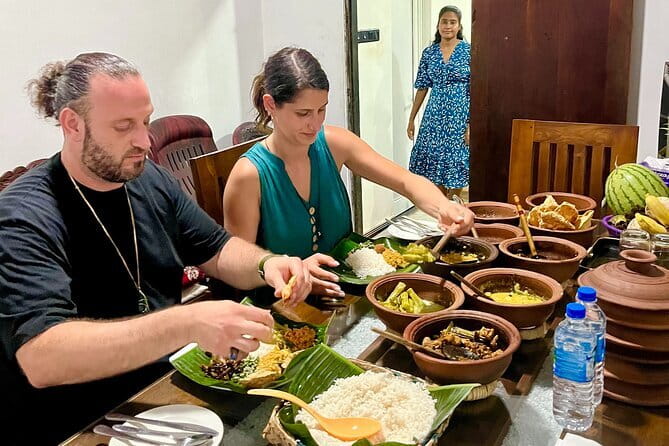
- Hands-on cooking in a real home: it’s not a staged demo kitchen.
- Lunch and dinner included: you eat what you make, not just sample bites.
- Private group format: only your group participates, so questions are easier.
A Colombo Home Cooking Class That Starts With Real Ingredients
This is one of those experiences where the shopping matters as much as the cooking. The class meets you for a quick pickup in an air-conditioned vehicle, then you head out to a local market where you can select produce and key pantry items. It sets the tone fast: Sri Lankan food isn’t about fancy equipment. It’s about knowing what to buy and how to use it.
You’ll also get some fruit time along the way. That matters because Sri Lankan cuisine leans into freshness—sweet, sour, and aromatic ingredients show up in many dishes. The better you understand what’s in season and what looks right, the easier it is to appreciate why the final plates taste the way they do.
And then you move into the family home where the lesson shifts from choosing to cooking. The home is described as clean and hygienic, which helps you relax and focus on the process instead of wondering if this is a comfortable place to learn.
You can also read our reviews of more cooking classes in Colombo
Market Time With Danuka and Anu: Learning the Buying Part
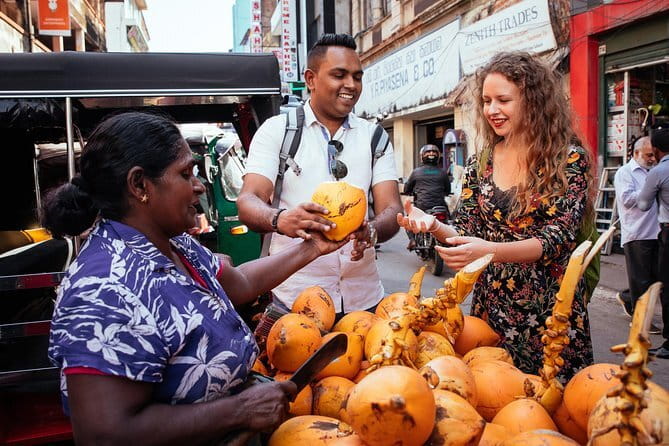
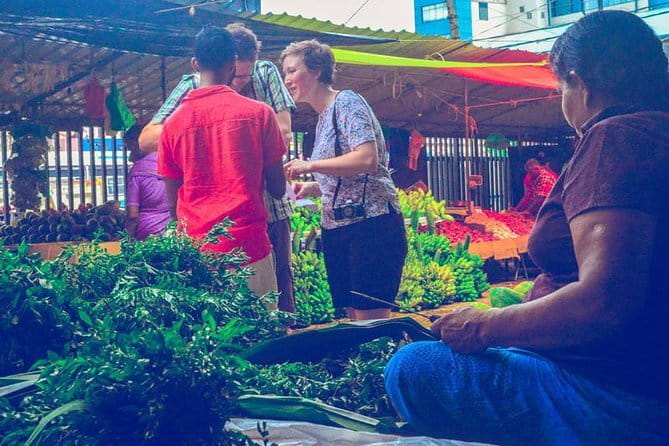
The most praised part of the experience is the market visit. It’s not just a walk and a photo stop. You’re meant to actively choose ingredients, ask questions, and learn how the family thinks about quality.
In the spirit of how local cooking works, you’ll likely pay attention to things like:
- how ingredients look when they are fresh and ready
- how fruit and vegetables fit into flavor building
- how spices and staples drive the taste of whole dishes
The standout lesson from the family’s explanations is that it’s not always about using more. In one moment of guidance, the idea shows up as less can be better—especially when a key ingredient like coconut is treated as something to respect, not overpower. That small shift in thinking changes how you season and balance dishes.
Also, you’re not just listening. You’re learning through doing. Even if you’ve cooked before, the market-first approach makes this feel different from a standard cooking class where everything is pre-measured and the ingredient choices are predetermined.
What You’ll Cook: Sri Lankan Dishes Built From Local Spices
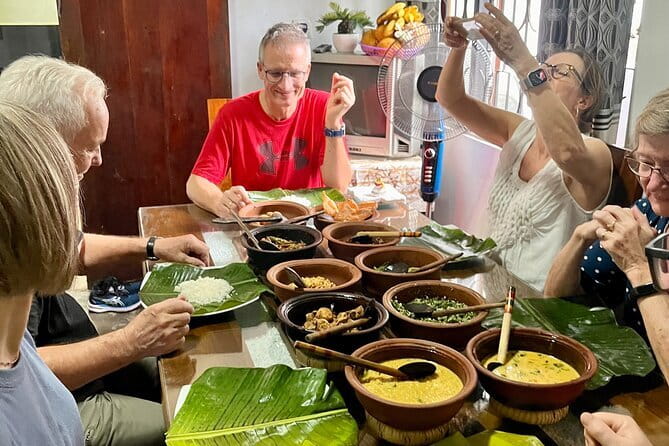
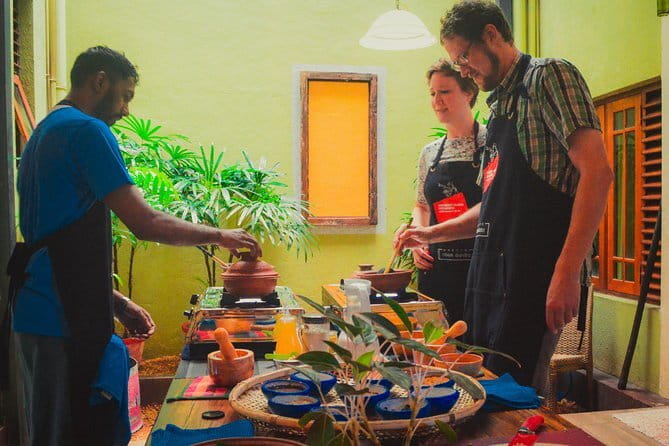
Once you’re back at the home kitchen, the cooking part focuses on traditional Sri Lankan methods. The class teaches using natural, local spices, and the experience description specifically notes no artificial additives. That’s a big deal if you care about the difference between spice blends that are meant for real cooking versus flavor powders that are meant for convenience.
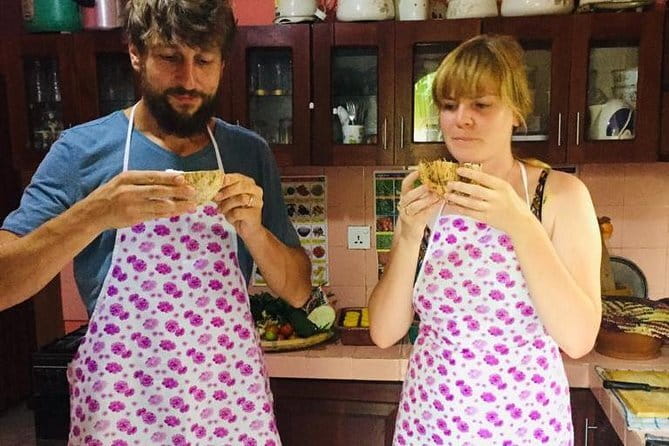
You can expect a hands-on flow where you participate in the cooking process. That likely includes tasting, adjusting, and learning how flavors should come together. The family instruction style is clearly part of why people rate it so highly: it’s patient, direct, and tied to culture rather than just technique.
A useful angle to keep in mind: Sri Lankan cooking is often about balance. Coconut, aromatics, heat, and acidity can all play roles in the same dish. If you go in expecting one-note spice intensity, you’ll probably be surprised by how thoughtfully the flavors work together.
And since lunch and dinner are included, you’ll have enough time to see more than one style of dish. That helps you connect the dots between ingredients, seasoning choices, and how a plate comes together.
Inside the Home Kitchen: Why This Feels More Like Culture Than a Workshop
In Colombo, a lot of cooking experiences are staged. This one is framed as a real home experience, with the teaching led by Danuka and Anu and supported by their wife and mother. That family setup is more than a feel-good detail. It changes the pacing and the questions you can ask.
You’re not just receiving instruction; you’re stepping into household rhythms:
- The meal isn’t separated into rigid classroom timing.
- You get to watch how people actually work with ingredients.
- The cooking feels connected to daily life, not just entertainment.
The experience also emphasizes that the home is clean and hygienic. That’s practical. Cooking classes can get messy, and you want the learning to feel safe and comfortable.
If you care about “why” as much as “how,” this is the right format. The class includes insights into culinary traditions, and the story side shows up in the market and the cooking. People leave talking about the deeper meaning behind what they cooked, not just the final taste.
Lunch and Dinner Included: Eating What You Make
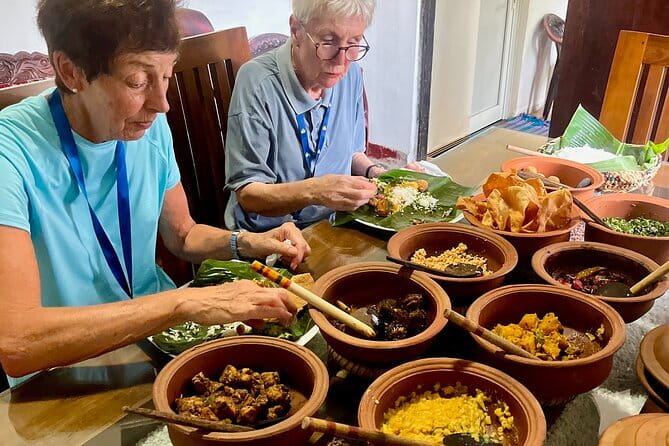
Most cooking classes give you a snack, a tasting plate, or a small portion. Here, lunch and dinner are included. That makes the value clearer. You’re paying for ingredient guidance, active cooking time, and two meals, not a short taste-and-go session.
It also changes your learning. When you eat the food you helped make, you can connect seasoning and method to flavor right away. You’re not trying to remember a cooking step hours later. You taste, reflect, and understand.
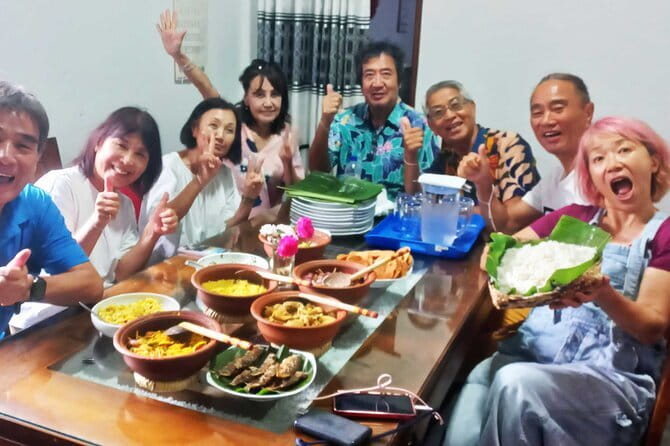
The dinner aspect is also helpful if you want variety. Sri Lankan menus often have more than one flavor category—some dishes lean creamy, some lean spicy, some lean bright and tangy. With two meals included, you get a fuller picture of what the cuisine feels like across the day.
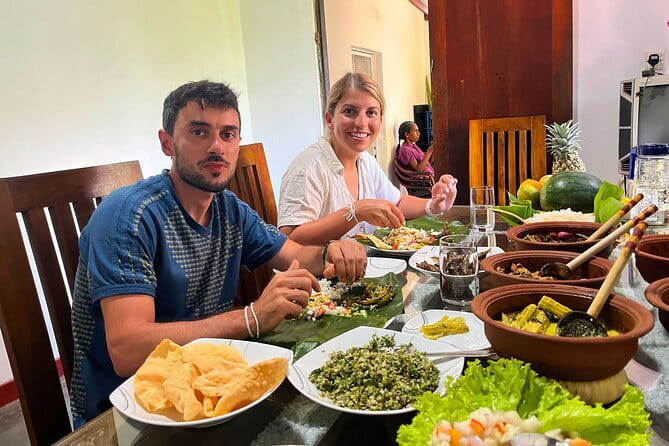
And yes, you’ll eat well. One of the review themes you’ll see repeated is the progression from something rustic to something banquet-like. That’s the feeling the format creates: home ingredients and spice knowledge turn into a proper meal you’d be happy to serve guests.
You can also read our reviews of more tours and experiences in Colombo


How the Timing Works in Colombo (And Why It Matters)
The class lasts about 4 hours and offers pickup included in an air-conditioned vehicle. You also get flexibility to select your preferred timing for the activity. That’s helpful in Colombo because traffic and day rhythms can be real factors.
If you’re planning a food-focused day, the market-first structure tends to work best when you’re not rushed. You’ll want enough time for picking ingredients and not feeling like you’re sprinting through the cooking steps.
Also, the experience is private for your group. That’s a quiet advantage. You’re less likely to feel like you’re competing for attention or translation time, and you can ask more specific questions about ingredients and cooking decisions.
Getting There: Pickup Included, Drop-Off Not
You’ll get pickup included, and the ride is in an air-conditioned vehicle. That’s great for comfort and for reducing hassle in a city where you may not know the easiest routes.
The only catch is that drop-off is not included. The good news is that it’s easy to grab a taxi or use Uber or PickMe from the location, and the host is happy to help you arrange it. So you’re not stuck—you just shouldn’t expect the same door-to-door service to return you directly to your exact hotel.
If you’re staying outside the most convenient areas, plan a little buffer and decide in advance how you want to get back. For many people, that’s the trade-off for a more local, home-based experience.
Price and Value: What $40 Buys You in Real Learning
At $40 per person for about 4 hours, this is priced like a low-cost cooking class. The value comes from what’s included:
- pickup in an air-conditioned vehicle
- market shopping as part of the lesson
- lunch and dinner included
- hands-on cooking with family instruction
- private group format
When you compare that to the cost of eating a proper Sri Lankan meal in Colombo plus paying for a market visit or a guided food experience, the math starts to make sense. You’re paying for the full experience chain: sourcing ingredients, learning the method, and then eating the results.
Group discounts are also mentioned. So if you’re traveling with friends or family, it’s worth checking whether the price adjusts for your group size. That can make it even easier to justify compared with similar activities that only include a tasting.
Who Should Book This Cooking Class
This is a strong match if you:
- want an authentic Sri Lankan cooking experience rather than a generic recipe workshop
- enjoy learning from local families and not just from a scripted instructor
- like food experiences that start with buying ingredients
- want to eat well, with lunch and dinner included
- prefer private, question-friendly formats
It’s also a good choice if you’re curious about coconut and spices as part of Sri Lankan flavor thinking. The family’s explanations are clearly part of the appeal, especially the lesson that sometimes less is better when a main ingredient is treated with respect.
If you’re in Colombo for a short time and want one meaningful food activity, this delivers a lot of value per hour.
When to Worry: Weather and the Real-Home Setup
One consideration is weather. The experience requires good weather, and if it’s canceled due to poor conditions, you’ll be offered a different date or a full refund. Since the market portion is part of the experience, that matters.
Another small practical point: because it’s in a local home, you should expect a home-kitchen setup rather than a commercial cooking venue. The good news is that the experience description emphasizes cleanliness and hygiene, so you’re not walking into something questionable. It just won’t feel like a sleek restaurant kitchen.
Finally, remember the drop-off detail. If you’re the kind of traveler who hates last-mile planning, decide how you’ll get back after the class. Taxi and ride-share options are easy from the area.
Should You Book Cooking Class Sri Lanka With Locals?
Yes—if your priority is learning Sri Lankan flavors in a way that feels real. The biggest reason to book is the combination of market-first ingredient picking and family-guided cooking that leads to lunch and dinner you actually sit down to enjoy. It’s the kind of experience that teaches you something you can use later, like how to think about ingredients and seasoning balance.
Skip it or think twice only if weather is shaky during your dates or if you really need drop-off included. Otherwise, this is a smart, value-forward way to spend a half-day in Colombo eating well and understanding why Sri Lankan cuisine tastes the way it does.
FAQ
Where does the cooking class take place?
It’s in Colombo, Sri Lanka.
How long is the experience?
It lasts about 4 hours.
What meals are included?
Lunch and dinner are included.
Is pickup included?
Yes. Pickup is included by air-conditioned vehicle.
Is drop-off included after the class?
No, drop-off is not included, but it’s easy to arrange a taxi, or use Uber or PickMe from the location.
Can I choose the timing for the activity?
Yes. You can select your preferred timing for the designated activity.
Is this a private tour?
Yes. It’s a private tour/activity, and only your group participates.
When will I get confirmation?
Confirmation is received at the time of booking.
What is the cancellation policy?
You can cancel for free up to 24 hours in advance for a full refund. If it’s canceled due to poor weather, you’ll be offered a different date or a full refund.
Is good weather required?
Yes, the experience requires good weather. If it’s canceled due to poor weather, you’ll have options for rescheduling or refund.