REVIEW · COLOMBO
Cooking class in Srilanka
Book on Viator →Operated by Colombo Cooking Class · Bookable on Viator
Clay pots make dinner feel like a lesson. I love the hands-on setup where you cook everything yourself, and I love the authentic, home-style approach that focuses on Sri Lankan technique and spices instead of fancy restaurant tricks; the only consideration is it’s a 3-hour active class, so come ready to stand, stir, and taste.
You’ll start in Colombo, meet your chef at the address in Angoda, and spend the afternoon working through a full menu—10 different dishes plus traditional desserts—with your chef teaching as you go. It’s also a private class, so you’re not squeezed into a big group where questions disappear.
One practical perk: you get a mobile ticket, and the meeting point is near public transportation, which makes this easier to plug into a Colombo day than a half-day tour that starts far out of town.
In This Review
- Key things you’ll remember
- Clay pots and home-style cooking in Colombo
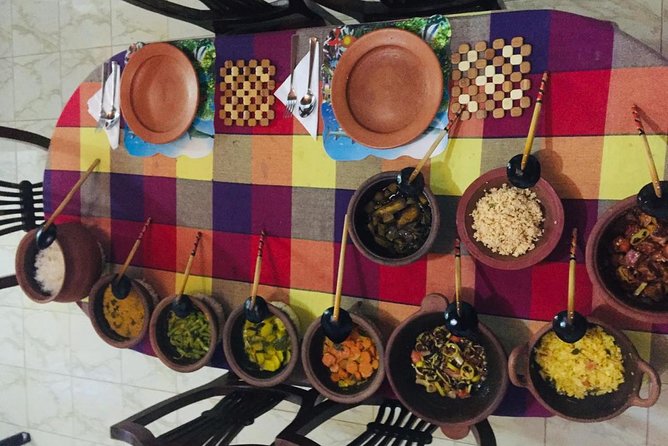
- What you’ll cook: 10 dishes plus traditional desserts
- Hands-on class flow: how the chef guides you
- Why the spice education is the real payoff
- Menu, timing, and what to expect in a 3-hour session
- Getting there in Colombo: Angoda start point and easy access
- Private class energy: why small groups change the experience
- Price and value: is $50 per person worth it?
- Who should book this cooking class
- Weather, schedule changes, and keeping it flexible
- Should you book the Colombo Cooking Class?
- FAQ
- How long is the cooking class in Colombo?
- How much does the cooking class cost per person?
- What will I cook during the class?
- Is this a private class?
- Where does the class start in Colombo?
- What happens if weather is bad or I need to cancel?
Key things you’ll remember
- Clay pots only: You’ll cook in traditional-style vessels that change how food handles and how flavors build.
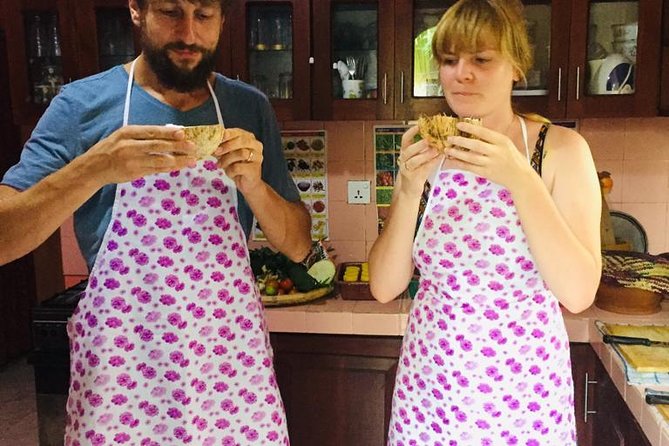
- You cook, not watch: The class is built so you make the dishes yourself while the chef coaches.
- 10 dishes plus desserts: You get a full-menu experience instead of one curry and a few tastes.
- Chef-led Sri Lankan method: You’ll learn authentic cooking style and how spices are used, not just what goes in.
- Private group feel: Only your group participates, so the teaching stays personal.
- Menu provided: You’ll have a clear plan for what you’re making during the 3-hour session.
Clay pots and home-style cooking in Colombo
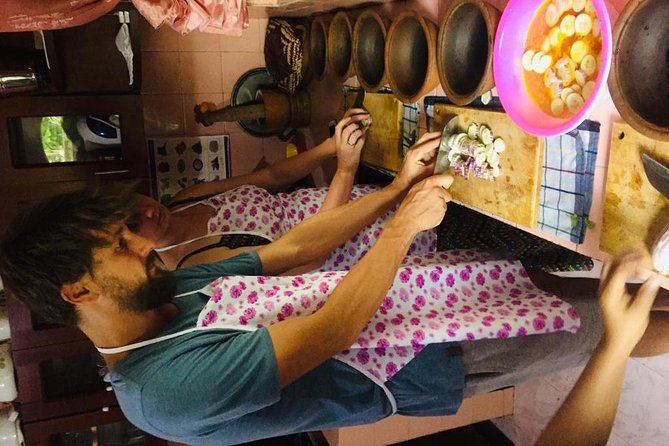
If you’ve ever taken a cooking class and felt like you were just hopping between stations, this one feels different. The big draw is the commitment to traditional cooking with clay pots. You’re not just sampling recipes that look good on a brochure—you’re learning how Sri Lankan home cooking behaves when it’s made with the tools people actually use.
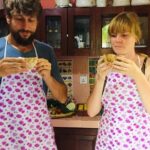
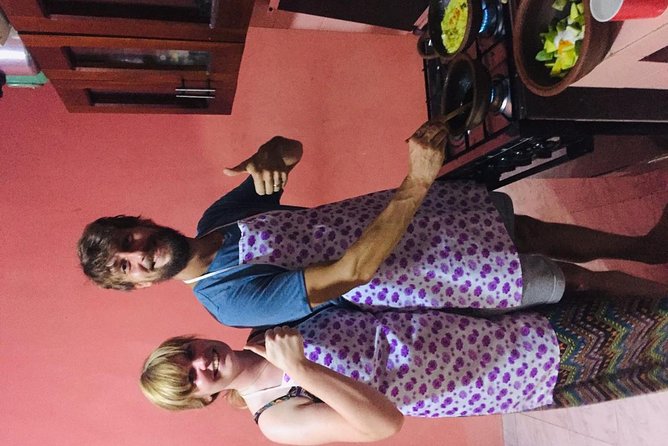
I also like how the class is framed as real cooking. The chef doesn’t talk at you from a distance; you cook alongside the instruction. That matches the vibe from the experiences people described: it’s closer to being in a real kitchen with a real family than an imitation show kitchen.
The setting is in Colombo, with the start point in Angoda (No 275/1, B231, Angoda 10600, Sri Lanka). You’ll cook for about 3 hours, and you’ll finish back at the meeting point—simple and direct.
One more practical note: it’s designed as a private tour/activity. That means fewer delays, fewer translation problems caused by hearing others talk, and more time to ask why something is handled a certain way.
You can also read our reviews of more cooking classes in Colombo
What you’ll cook: 10 dishes plus traditional desserts
The class menu is the heart of the experience. You’ll make 10 different dishes and also prepare traditional desserts. That’s an important difference from many cooking classes that promise “a variety” but mostly deliver a single main dish plus side bites.
Here’s how that helps you as a participant:
- You’ll build real technique across dishes, not just copy one curry step-by-step.
- You’ll leave with a clearer mental map of Sri Lankan flavors—how spice, heat, and timing work across different preparations.
- You get variety in one session. Instead of spending one class on seafood or sweets only, you get both savory and dessert training.
And since you get a menu during the class, you won’t have to guess what’s coming next. That makes the pacing easier—especially because the session is only about 3 hours. You’ll want to show up mentally ready for active cooking. This is not a leisurely tasting tour.
Also, there’s a nice balance in what’s included: you’re not only taught how to cook; you’re taught Sri Lankan cooking style, plus the spice logic behind it. When spices are explained alongside cooking, you’re more likely to recreate the results later, not just remember ingredients.
Hands-on class flow: how the chef guides you
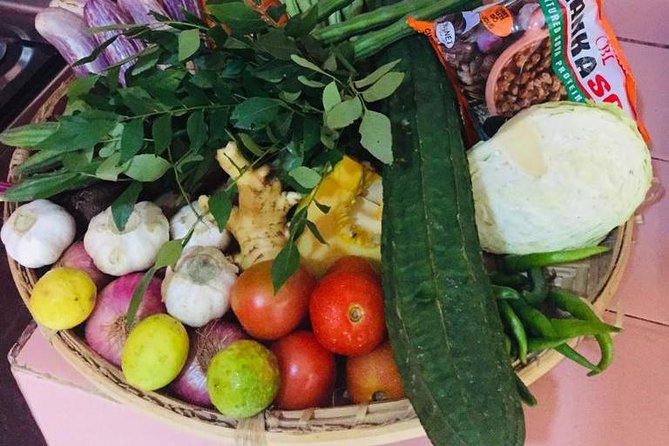
The structure is straightforward: clients make the dishes themselves while the chef explains everything and provides authentic guidance. That means you’re in motion most of the time—chopping, mixing, stirring, tasting, adjusting heat, and learning timing.
A key part of the value is that the chef doesn’t just provide a recipe card. The instruction includes:
- how Sri Lankan home cooks approach the dish,
- how spices are handled and used,
- and how the cooking process changes based on the step you’re at.
In practice, that coaching style matters because many cooking classes focus on outcomes—how the dish should look—and not on the moments that get you there. Here, the teaching is tied to what you’re doing in the pot right then, which is exactly where you can correct mistakes while they’re small.
You’ll also get a menu for the class, which helps you follow the sequence. You’ll know what you’re making as you move through it. That reduces the stress of being “behind” in a group class, which is common when cooking sessions run fast.
Since it’s private, your questions should actually land. If you want to know why the chef adds something at a certain time, you’re less likely to be ignored while everyone else catches up.
Why the spice education is the real payoff
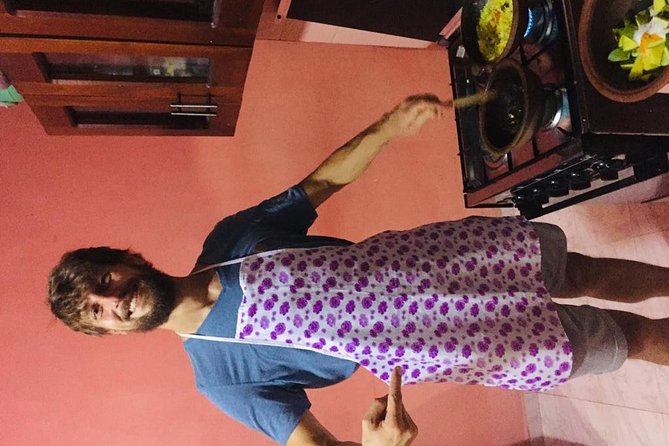
Yes, you’ll end up eating a meal you made yourself. But the better reason to book is the spice instruction. Sri Lankan cooking can look like “just curry powder” if you’re comparing it to other cuisines from far away. This class pushes you past that.
You’ll learn about authentic Sri Lankan cooking style and how spices fit into that style. That makes a huge difference when you try to cook later. If you only learn ingredients, your results can feel flat or off. When you understand how spices are used—how heat levels and timing affect them—you get more consistent flavor even when you’re adapting ingredients back home.
And because the class uses clay pots, you’ll feel the cooking process as well as hear it. Clay changes how food holds heat and how some textures develop, so it reinforces the lessons the chef is explaining.
This is also where the class earns its strong rating. The descriptions point to an experience that felt personal and family-based, including shared prep and cooking duties that went beyond a scripted demonstration. When instruction is hands-on, the spice lessons stick.
Menu, timing, and what to expect in a 3-hour session
The class runs for about 3 hours. That’s a sweet spot: long enough to make multiple dishes and desserts, but short enough to avoid the slow drag that happens in some half-day activities.
Because you’re making 10 dishes plus desserts, you’ll likely follow a pace where each step has a purpose. You won’t be waiting around for long blocks without a job. Instead, you’ll be cycling through tasks as the dishes progress.
Also, because the chef provides a menu, you can usually anticipate the structure—even if you don’t know the names of every dish in advance. This helps with timing and reduces the feeling of being tossed into a new system.
Here’s the basic flow you should expect:
- You’ll begin at the meeting point in Angoda and start cooking soon after.
- You’ll work through the savory dishes, with the chef explaining technique and spice use as you go.
- You’ll shift to traditional desserts to finish the menu.
- You’ll wrap up back at the meeting point.
No confusing end points. No “figure it out yourself” transition to somewhere else. That matters in Colombo, where moving around can turn into extra time and extra hassle.
You can also read our reviews of more tours and experiences in Colombo
Getting there in Colombo: Angoda start point and easy access
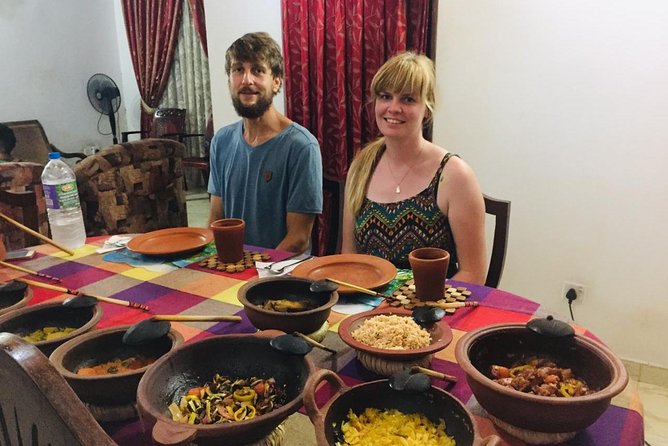
You start at No 275/1, B231, Angoda 10600, Sri Lanka. The good news is it’s near public transportation, so you’re not forced into a complicated route that depends entirely on private rides.
It’s also an activity that ends back at the same meeting point. That’s the kind of detail that keeps a day from unraveling. You don’t have to coordinate a second transfer after cooking and eating.
You’ll receive confirmation at booking time, and you’ll have a mobile ticket. In other words: you shouldn’t need paper prints or last-minute hunting for details.
Private class energy: why small groups change the experience
This is a private tour/activity, meaning only your group participates. That changes the whole feel of a cooking class, because your chef can spend time adjusting instruction to your pace.
In a larger group, you often get stuck with a default answer: do what the recipe says and hope it turns out. In a private class, you can ask, and the chef can correct technique while you’re still working.
The strongest feedback emphasizes exactly this kind of real-home atmosphere, where you share duties and meet the family environment. Even if you don’t know what to expect from a family-style cooking class, the private setup helps you connect faster, because you’re not competing for attention.
Also, private classes tend to be better for couples, friends, and solo travelers who want a meaningful experience without the noise.
Price and value: is $50 per person worth it?
At $50.00 per person, this class doesn’t feel overpriced for what’s included. You’re getting roughly 3 hours of guided cooking, plus a full menu of 10 dishes and traditional desserts, and you’re using clay pots for authentic-style cooking.
The value comes from three places:
- Hands-on production: you’re not just tasting, you’re making the food.
- Breadth: 10 dishes plus dessert is a lot for one session.
- Instruction quality focus: chef coaching includes authentic cooking style and spice education.
If you’re comparing it to classes that only cover one dish, the difference is obvious. And if you’re comparing it to private food experiences that are mostly eating with minimal participation, this gives you a skill outcome too.
Timing also matters. This tour is typically booked about 13 days in advance, which suggests it fills up at a reasonable pace. If you know you want it, I’d book ahead so your preferred date stays available.
Who should book this cooking class
This experience fits best if you want more than a quick taste.
I’d especially recommend it for:
- couples or small groups who like learning with their hands,
- travelers who want to understand spices and technique, not just eat,
- people who prefer private, lower-stress activities in Colombo,
- anyone who enjoys practical food skills you can repeat later.
If you’re the type who hates being active for hours, you might find the pace demanding since you’re cooking by yourself through a long menu. But if you’re excited to work in the kitchen, this is a great fit.
Weather, schedule changes, and keeping it flexible
The class requires good weather. If it gets canceled due to poor weather, you’ll be offered a different date or a full refund. That means you should avoid scheduling it as the one must-do activity on a day when you have no backup.
In Colombo, where weather can shift, having flexibility is useful. The good part: the plan isn’t left hanging with no options.
Should you book the Colombo Cooking Class?
If your goal is authentic cooking style with real instruction—especially spice education—and you want to actually cook 10 dishes plus traditional desserts in clay pots, I think it’s an easy yes. The private setup and home-style, hands-on feel are exactly what make the experience memorable, and the price lines up with the amount of work and guidance you receive.
If, however, you’re only interested in light tasting or you want a relaxed sit-and-watch format, you may prefer a different style of food tour. This one is built for people who like to roll up their sleeves.
FAQ
How long is the cooking class in Colombo?
It lasts about 3 hours.
How much does the cooking class cost per person?
The price is $50.00 per person.
What will I cook during the class?
You’ll help make 10 different dishes and traditional desserts.
Is this a private class?
Yes. Only your group participates.
Where does the class start in Colombo?
The meeting point is No 275/1, B231, Angoda 10600, Sri Lanka.
What happens if weather is bad or I need to cancel?
It requires good weather. If canceled due to poor weather, you’ll be offered a different date or a full refund. You can cancel for a full refund up to 24 hours in advance.