Galle Fort doesn’t feel like a quick stop; it feels like a whole story in stone and ocean light. I especially like that this day starts with Meetiyagoda moonstone work, where you can watch how moonstones are dug out and how the process is explained on-site. Then you carry that same attention to detail into Galle’s Portuguese-and-Dutch fort world.
What I like most is the mix: hard, hands-on craft at the start, then a meaningful pause at the tsunami memorials before you go back to history in the Galle Fort area. One small consideration: it’s a long, busy 8-hour day, and lunch (and breakfast/dinner) isn’t included, so plan food breaks around the schedule.
In This Review
- Quick hits: what makes this tour worth your time
- Bentota to Galle: how this 8-hour route stays interesting
- Meetiyagoda moonstone mine: what you’ll actually see
- Hikkaduwa tsunami museum and memorial: a respectful pause
- Galle Fort ramparts: Portuguese beginnings and Dutch fortification
- Galle National Museum: culture between the walls
- Churches and the Anglican stop: British-era architecture in real space
- Dutch Fort stop: more time in the same historical orbit
- Price and logistics: is $69 per group a good deal?
- Who this tour fits best (and who might want a lighter plan)
- What I’d watch for on the day itself
- Should you book the Galle Fort Tour from Bentota?
- FAQ
- What is the duration of the Galle Fort tour?
- How much does the tour cost?
- Is pickup included?
- What’s included in the tour price?
- Are admission tickets included?
- What food is included?
- How long do you spend at the moonstone mine and Gem Palace?
- What is special about Tsunami Honganji Vihara?
- Is there a cancellation deadline?
Quick hits: what makes this tour worth your time
- Meetiyagoda moonstone visit: See the digging process and get the chance to buy directly on-site.
- Hikkaduwa tsunami sites: Visit the tsunami museum and pay tribute at a memorial spot.
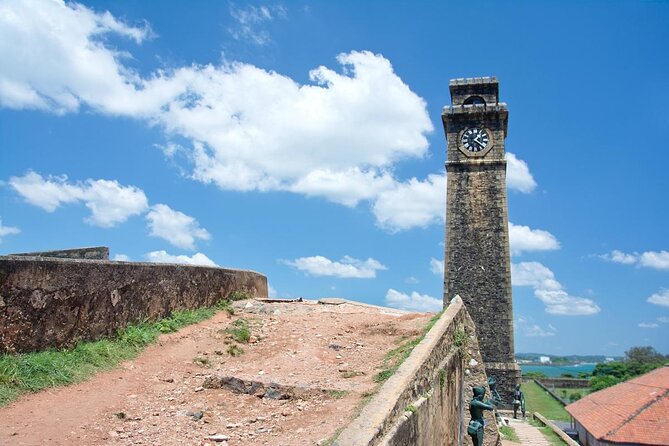
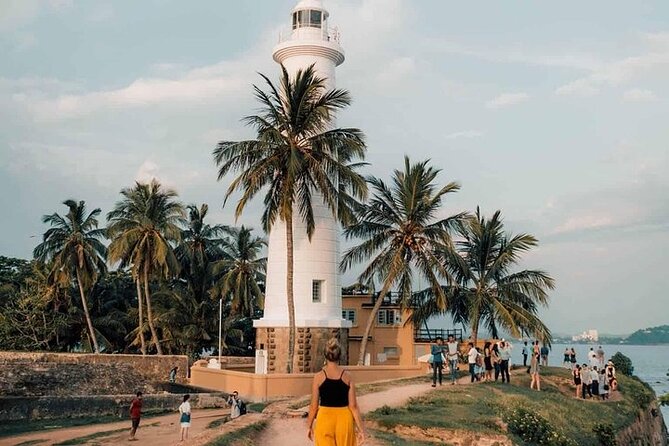
- Galle Fort focus: Spend a good stretch at the defenses built first by the Portuguese and later fortified by the Dutch.
- Church-and-museum stop: Mix architecture with a cultural museum visit.
- Private group setup: Your group stays together in an air-conditioned vehicle, up to 7 people.
Bentota to Galle: how this 8-hour route stays interesting
This is the kind of tour that makes sense if you’re staying around Bentota and want more than a beach day. You’re not just seeing one monument—you’re getting three different “modes” of travel in the same outing: industry (moonstones), reflection (2004 tsunami memorials), and architecture (Galle Fort and churches).
With an air-conditioned vehicle and pickup offered, the day is built for comfort and flow. And because it’s private for your group (up to 7), you’re not stuck in the usual shuffle of a big bus herd.
The pace will still feel full, because the plan stacks major stops across the southwest coast. If you prefer slow museum wandering with lots of downtime, you may want to think about whether you’ll enjoy a structured day. But if you like getting real value for your time, this one has it.
You can also read our reviews of more tours and experiences in Bentota.
Meetiyagoda moonstone mine: what you’ll actually see
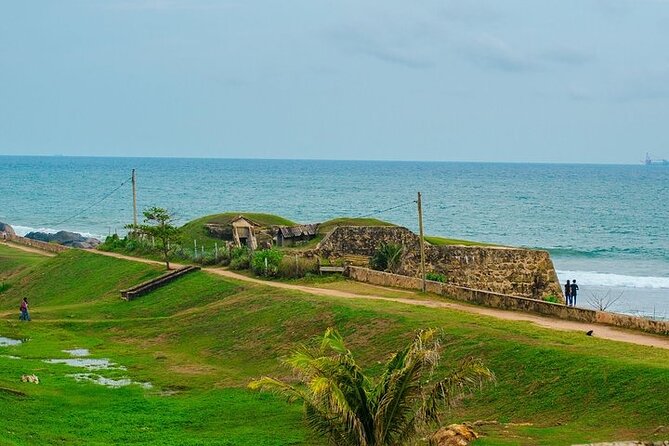
The day’s first anchor is the Meetiyagoda moonstone mine and gem manufacturing site. This isn’t a “look and leave” setup. You’ll see how raw material is taken from the earth, and you’ll be shown the process behind it—step by step—by the people working the site.
Here’s why this stop is more interesting than it sounds on paper: Sri Lanka is famous for moonstones, and the explanation you’ll hear includes the two deposit types. The site breaks deposits down into:
- Sedimentary deposits (more abundant), formed by weathering actions of wind and water
- Primary deposits (less common), found within the bedrock itself
That kind of explanation helps you understand what you’re looking at, and why certain stones are considered higher quality.
You’ll also have the option to buy moonstones on-site. I’d treat purchases like any craft-buying decision: look closely, ask questions about what you’re getting, and don’t feel pressured to decide immediately—your time at the site is about 30 minutes, so you’ll want your questions ready.
Hikkaduwa tsunami museum and memorial: a respectful pause
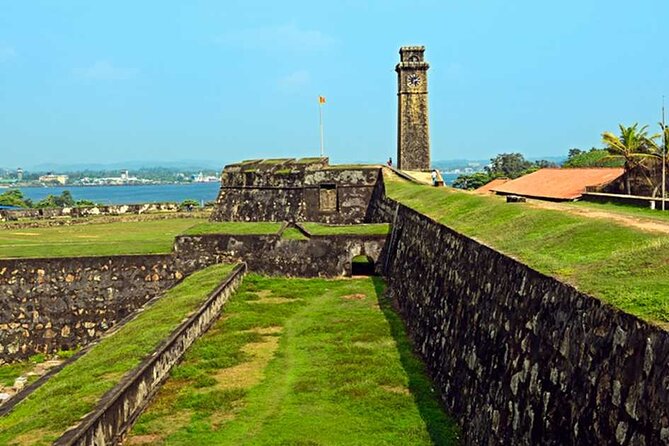
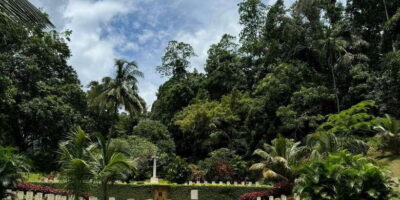
After the moonstone stop, the route heads to the Hikkaduwa tourist area for tsunami-related visits. You’ll go to the Hikkaduwa tsunami museum and then pay tribute at a tsunami memorial monument there.
The most concrete landmark comes next: Tsunami Honganji Vihara. The highlight is a 30 m (54 ft) Buddha statue facing the ocean, built to commemorate more than 2,000 victims from the 2004 tsunami. Even if you’ve read about the disaster before, seeing a dedicated memorial with such a prominent ocean-facing figure changes the tone. It’s not just history. It’s a moment of pause in the middle of an otherwise sightseeing-heavy day.
Practical note: this section is shorter—about 20 minutes listed for the site—so keep your pace calm. Bring a little patience for the emotional weight, even if you’re visiting with kids or friends who just want photos.
Galle Fort ramparts: Portuguese beginnings and Dutch fortification
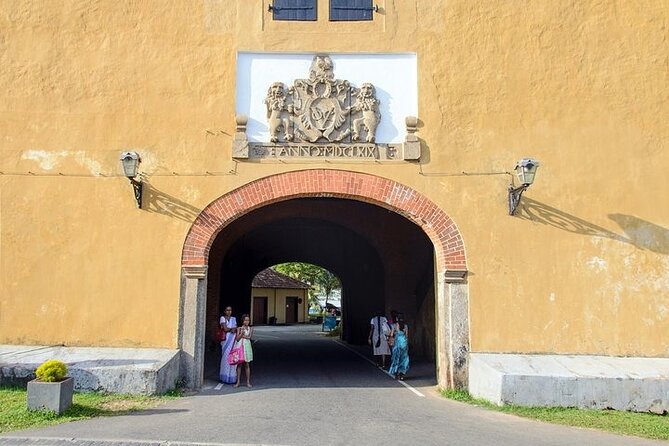
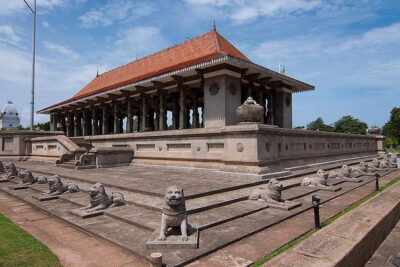
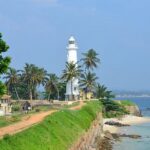
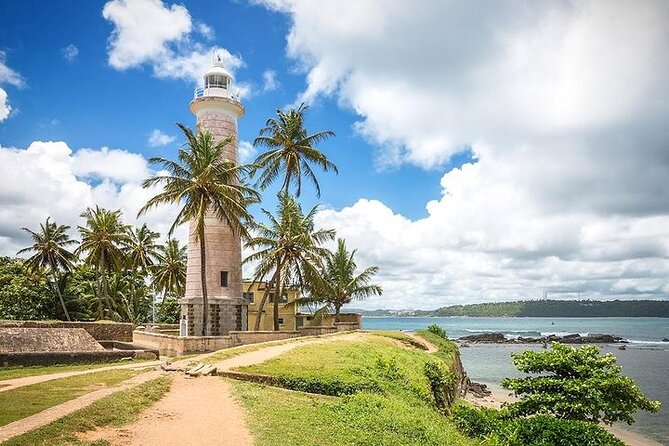
Next you move into Galle’s core area and the fort itself. The star here is Galle Fort, in the Bay of Galle. The timeline matters, because this place is literally layered:
- built first in 1588 by the Portuguese
- extensively fortified by the Dutch during the 17th century from 1649 onward
The tour gives you about 3 hours at the fort area, and the entry ticket for that stop is listed as free. That free entry time is a big value point: you’re getting a long walk and proper viewing time without an extra cost added for the fort itself.
What you’ll enjoy most at Galle Fort is how quickly your brain switches into “architectural reading mode.” Fort walls, angles, passageways, and sea views start to make sense as part of a defensive design—not just old stones.
Also, Galle is known for lace and for craft and antique treasures—like jewelry, ceramics, and Dutch-period furniture and brass work—so even when you’re not inside museums, the streets give you plenty of browsing opportunities.
One caution: fort walking can involve uneven surfaces and lots of sun exposure. If you’re sensitive to heat, plan to pace yourself and wear footwear that feels steady.
Galle National Museum: culture between the walls
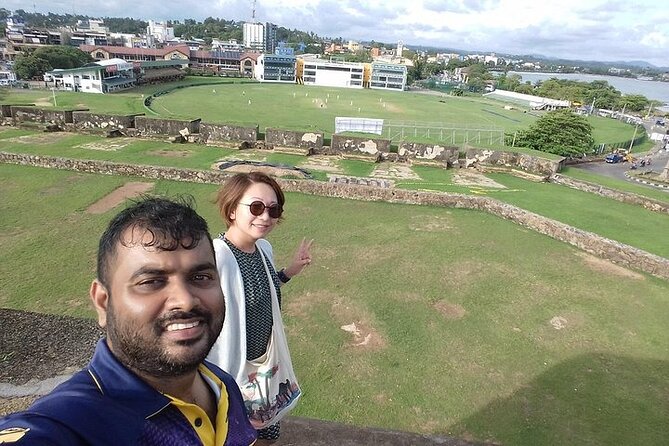
Inside the fort zone planning, the tour also includes Galle National Museum, with admission included. The museum helps you slow down and add context to what you’re seeing outdoors.
Why this stop works in the middle of the day: after you’ve walked ramparts and looked at churches, the museum gives you a chance to connect the dots. Instead of just seeing buildings, you get cultural background that makes the architecture feel less random.
I like that the museum is included, because it removes a common hassle—no scrambling for tickets or deciding on the fly. When your day is already packed, simple inclusion is a win.


Churches and the Anglican stop: British-era architecture in real space
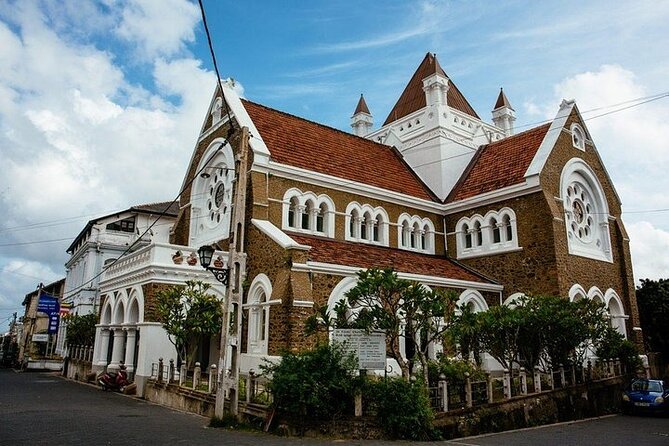
The tour also includes a church visit: Church of Ceylon – The Anglican Church in Sri Lanka, described as the British church, with admission included.
This matters because Galle’s European influence isn’t only in fortress walls. It shows up in places of worship too. When you visit the church as part of a single route—after forts and museums—you get a clearer sense of how different cultures marked their presence in the same coastal town.
If you’re the type who notices details like doors, layouts, and how buildings relate to street movement, you’ll get more out of this than just a quick exterior glance.
Dutch Fort stop: more time in the same historical orbit
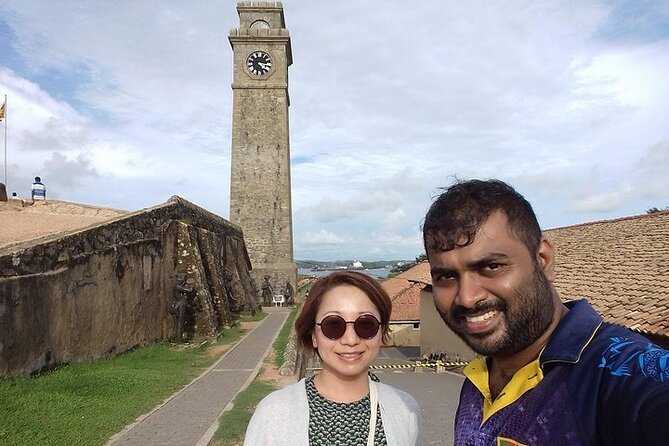
You’ll also have a separate Dutch Fort stop with admission included. Since the day already includes Galle Fort, this section is best understood as extra time within the broader fort-and-defense world—another angle, another set of viewpoints, and usually more chances to spot architectural continuity.
In practical terms, it means you’re not forced to rush through one “big moment” and then run to the next. Instead, you get repeated contact with the fort fabric of the area—useful when you’re trying to take photos or simply want time to compare details.
If you’re already a repeat fort visitor, this might feel like more of the same. But for first-time visitors to this corner of Sri Lanka, it’s what makes the day feel complete.
Price and logistics: is $69 per group a good deal?
At $69.00 per group (up to 7 people), this tour can be great value if you want concentration. In a single day you get:
- air-conditioned vehicle and pickup offered
- a moonstone mine visit with an explanation and sales option
- tsunami museum time plus a major memorial visit
- a cluster of Galle Fort-related stops, including museums and churches
The day’s “extra costs” are controlled. Some admissions are listed as free, and others are included. The only big omission is food: lunch (and breakfast/dinner) isn’t included.
So the real question for value is: can you handle a full day without paid meals on top? If yes, the price reads as fair—especially for a private group where you’re not splitting attention with strangers.
A small budgeting tip: because lunch isn’t included, either eat before pickup or plan to grab something nearby after the fort and church cluster. Don’t rely on the day finishing early enough for an easy meal without thought.
Who this tour fits best (and who might want a lighter plan)
This tour suits you best if you want a structured day that covers major Galle and Hikkaduwa highlights without stress. It’s also a good fit for people who like learning in context—moonstone explanations that make deposits clearer, and tsunami memorials that give the 2004 tragedy a place on your route.
It’s also likely to work well for most people, since participation is listed as broadly possible.
You might rethink booking if you:
- prefer slow travel with long breaks
- get worn out by back-to-back cultural stops
- dislike shopping opportunities (moonstone purchases can be part of the experience at the site)
What I’d watch for on the day itself
A few practical things help you get more from every stop.
1) Moonstone site time is short. You’ll have about 30 minutes, so if you’re curious about buying, questions should be ready.
2) Tsunami memorial time is short, too. At 20 minutes, you’ll want to slow your pace instead of sprinting for photos.
3) Wear shoes for walking. Fort areas typically mean lots of foot time, and uneven spots can happen.
4) Plan food. Lunch is not included, and the schedule is packed.
One more note from past experiences shared by customers: the driver-and-manager style really matters on a day like this. The most praised part of the service is how accommodating and organized the day feels, with an itinerary that’s managed well so you don’t feel lost.
Should you book the Galle Fort Tour from Bentota?
If you’re visiting Sri Lanka’s southwest coast and you want Galle Fort plus tsunami memorials plus a moonstone stop in one private day, I think this is a strong choice. The included admissions, private-group setup, and the mix of hands-on craft with meaningful remembrance make it feel like more than a checklist.
Book it if you want:
- a high-value day that stays organized
- a clear historical route in Galle
- a real memorial stop—not just a quick photo moment
Skip it (or consider splitting) if you want a slower, less scheduled day, or if you’d rather spend more time browsing on your own without a set structure.
FAQ
What is the duration of the Galle Fort tour?
The tour runs for about 8 hours.
How much does the tour cost?
It costs $69.00 per group, up to 7 people.
Is pickup included?
Pickup is offered.
What’s included in the tour price?
An air-conditioned vehicle is included.
Are admission tickets included?
Yes for some stops (Galle National Museum, Dutch Fort, and the Anglican/British church). Other stops are listed as free, including Galle Dutch Fort and Tsunami Honganji Vihara, and Moonstone Mines and Gem Palace.
What food is included?
Lunch, breakfast, and dinner are not included.
How long do you spend at the moonstone mine and Gem Palace?
The moonstone mine and Gem Palace stop is listed at about 30 minutes.
What is special about Tsunami Honganji Vihara?
It features a 30 m (54 ft) Buddha statue facing the ocean and commemorates more than 2,000 victims.
Is there a cancellation deadline?
You can cancel for a full refund up to 24 hours in advance of the experience start time. If you cancel less than 24 hours before, the amount paid is not refunded.