REVIEW · GALLE
Negombo: Turtle hatchery, River safari, moon stone & Galle
Book on GetYourGuide →Operated by Apple Vacations Sri Lanka · Bookable on GetYourGuide
Sea turtles and old forts in one day. This trip mixes conservation at a turtle hatchery with boat time on the Madu River, then finishes in Galle’s fortified coast city. I like how the day moves from nature to human history without feeling rushed.
If you pick a morning slot, you’ll spend a lot of time outside in tropical light, plus the costs add up a bit once you’re there. One consideration: entrance fees and the river boat aren’t included in the base price.
In This Review
- Key highlights worth your attention
- Planning Your Day: Negombo to Galle in 10 Hours
- Turtle Hatchery Near Negombo: Conservation You Can Actually See
- Bentota Beach Photo Stop and Water Sports Time
- Madu River Safari: The Boat Cruise That Makes the Day Click
- Lunch at a Local Restaurant: Plan for Your Own Order
- Moonstone Mine Visit: Seeing Extraction and Listening to the Story
- Tsunami Museum: Remembering the 2004 Disaster in Galle
- Galle Fort and Lighthouse: Portuguese, Dutch, and British Echoes
- Price and Value: What $85 Really Buys
- Tips to Make It Comfortable (and Not Exhausting)
- Who This Tour Fits Best
- Should You Book This One?
Key highlights worth your attention
- Sea turtle hatchlings up close at Kosgoda-style conservation, with hands-on learning time
- Madu River safari boat cruise (about 1.5 hours) through river water and mangrove-style scenery
- Moonstone mine visit to see how the gem is extracted and why it matters culturally
- Tsunami Museum stop focused on the 2004 disaster and local resilience
- Galle Fort and lighthouse walk with a self-guided feel, plus car-free streets inside the walls
Planning Your Day: Negombo to Galle in 10 Hours
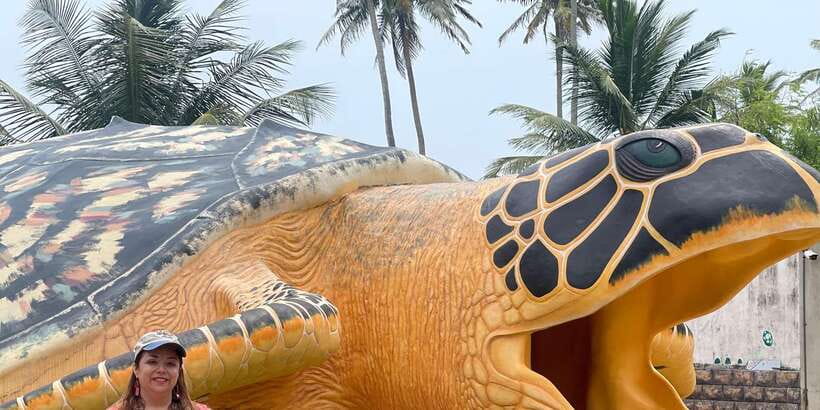
This is a full-day circuit built around one big idea: you can see several sides of Sri Lanka’s south-west coast in a single push. You start with pickup from your accommodation in Negombo (or Colombo, if you choose that option), then head south through coastal stops and historic Galle.
Expect about 10 hours total door-to-door, with transfer time around 8–10 hours depending on traffic. The pace is not frantic, but it’s not a sit-and-watch bus tour either. There’s some walking—most noticeably at Galle Fort—and you’ll be outdoors for long stretches.
Because it’s a shared transfer, you’ll need to plan around the exact pickup time you select. Early or late pickup isn’t available, so set your alarm like you’re catching a flight. Bring sunscreen, insect repellent, and comfortable shoes; the day can be sweaty and bright.
You can also read our reviews of more tours and experiences in Galle
Turtle Hatchery Near Negombo: Conservation You Can Actually See
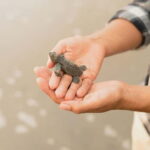
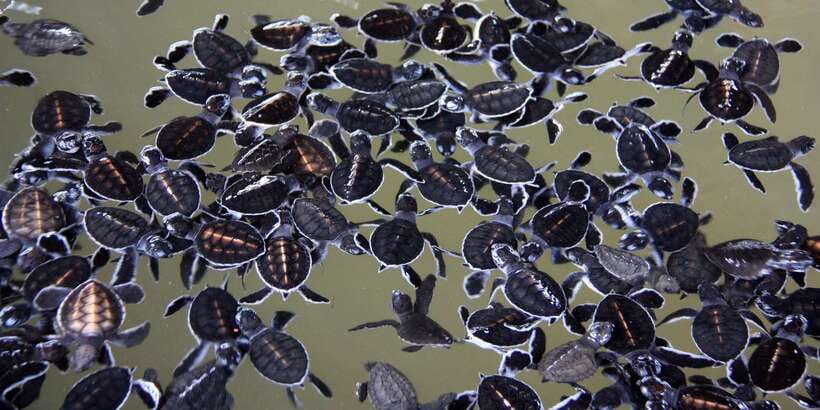
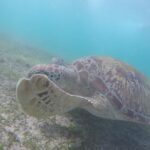
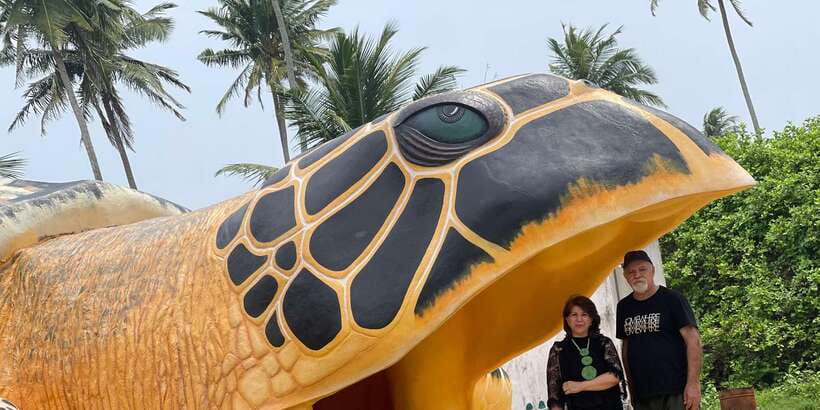
Your first real nature stop is the sea turtle hatchery and conservation area (listed as Kosgoda Sea Turtle Conservation). Here, the focus is practical: you get to see conservation work in action, then learn how hatchlings make their way toward the open sea.
What I like about this stop is that it’s not just a photo opportunity. You get time to observe the hatchlings and understand the conservation effort behind them. It makes the whole day feel grounded, because nature is doing the work, not just posing for pictures.
A few practical notes:
- Dress for being outside and bring water—bottled water is included, but you’ll still want your own comfort items.
- If you’re sensitive to insects, use repellent before you arrive, not halfway through the day.
- There’s a turtle ticket cost you should budget for (more on that in price/value below).
If you’re traveling with kids, this is often the easiest “yes” stop because it’s visual and emotional without needing a lot of context.
Bentota Beach Photo Stop and Water Sports Time
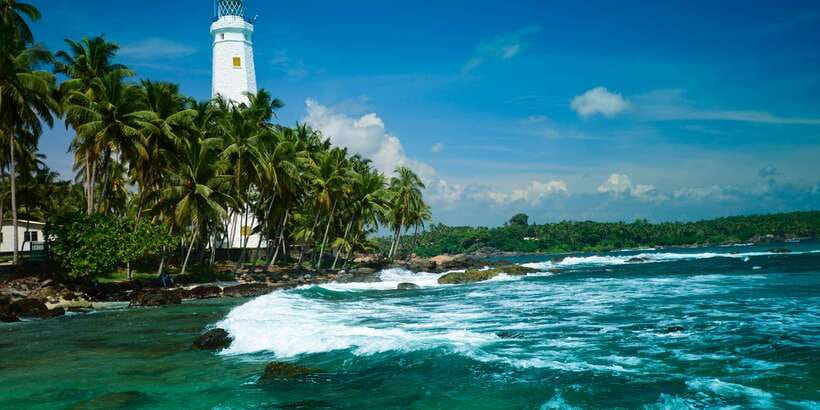
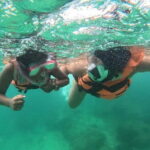
After the turtle area, the day includes a Bentota Beach stop. You’ll have a short photo stop (about 10 minutes), but the experience is described as a chance to enjoy water sports there.
Here’s the honest way to think about Bentota during this tour: you won’t have a full beach day. You may get time to do something active, but it’ll depend on timing and conditions. If water sports are a priority, I’d ask the driver early in the day how much time you actually have on the sand.
Even with limited time, this stop helps break up the heavier parts of the itinerary. It’s a mental reset: salt air, sun, and a chance to stretch your legs between boat and museum time.
Madu River Safari: The Boat Cruise That Makes the Day Click
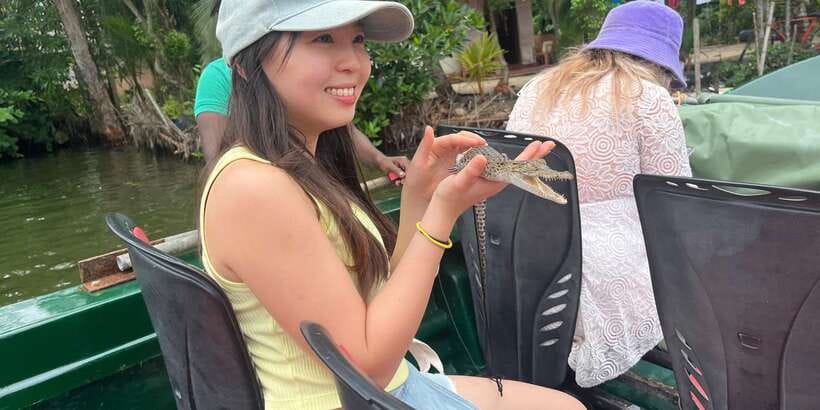
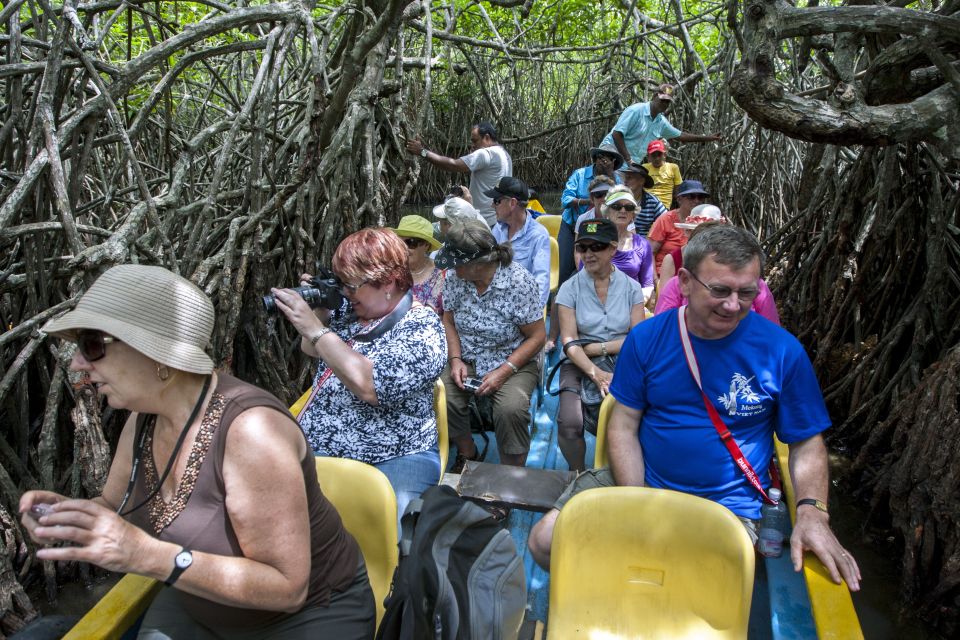
This is the heart of the nature side of the trip: a Madu River safari boat cruise lasting about 1.5 hours. The route is set up so you’ll experience the river as more than a scenic backdrop—you’re on the water, moving slowly enough to notice details.
This is also where guides tend to shine. I’ve seen this tour praised for having drivers who guide the route with small facts and clear, safe handling of the day. Names like Dhanesh and Raga come up for exactly that—good communication, extra pointers along the way, and a focus on making you feel comfortable during the cruise.
Cost matters here. The river boat portion has an extra fee if it’s not covered in your booking package:
- $30 for solo travelers
- $25 per person if you’re in a group of 2–3 passengers
If you’re debating whether to book, don’t treat the river safari as a “maybe.” In practice, it’s the part most people remember because it changes your perspective—you go from land views to moving river scenery.
Practical tips for the boat:
- Wear shoes that can handle damp decks.
- Bring sunglasses and sun protection; brightness on water can be intense.
- If you’re prone to motion sickness, take seriously the note that the tour may not be suitable for people with motion sickness.
Lunch at a Local Restaurant: Plan for Your Own Order
The itinerary includes a local restaurant stop for about 1 hour. Food itself isn’t included in the listed inclusions, so you’ll be paying from your own budget.
One thing that helps is that this isn’t a random pit stop. This meal break is part of the pacing. After turtle viewing and before Galle’s historic walking, you get a chance to sit, cool down, and eat something you choose.
A smart strategy: if you want seafood, this is the moment to order it. If you want something lighter, ask for simple options that won’t hit you hard in the heat.

Moonstone Mine Visit: Seeing Extraction and Listening to the Story
Next comes the moonstone mine visit. The point here isn’t hands-on gemstone mining for tourists—it’s seeing the extraction process and learning why moonstones matter in the local context.
This stop is valuable because it explains the gem world in human terms:
- You’ll see how extraction works on the ground.
- You’ll learn about the cultural significance of moonstones.
- You’ll connect the shine to real labor and local knowledge.
It’s also a good contrast stop between the natural river world and the coastal history in Galle. Gem extraction takes you from “what a place looks like” to “how people make a living and shape trade.”
If you tend to get impatient with shopping-style stops, you’ll still likely find this one worthwhile because it’s described as a process-and-context visit, not a hard sell.
Tsunami Museum: Remembering the 2004 Disaster in Galle
Then you reach the Tsunami Museum. This isn’t entertainment history. It’s a memorial focused on Galle’s experience during the 2004 tsunami, and it explains the impact on the community and why remembrance matters.
What I appreciate here is the tone. It’s set up to make you slow down. You’re not just checking off a landmark. You’re learning how a place rebuilds after disaster—through exhibits that emphasize resilience and community strength.
Time-wise, this stop gives your day emotional weight. It also helps the rest of the sightseeing land better in your mind, because Galle Fort and the coastline aren’t just views—they’re the setting for real human stories.
Bring a camera if you want photos, but also remember that museums often have rules about what’s allowed. The tour does list restrictions on noise and behavior, and it’s a good habit to keep your phone put away where signs seem strict.
Galle Fort and Lighthouse: Portuguese, Dutch, and British Echoes
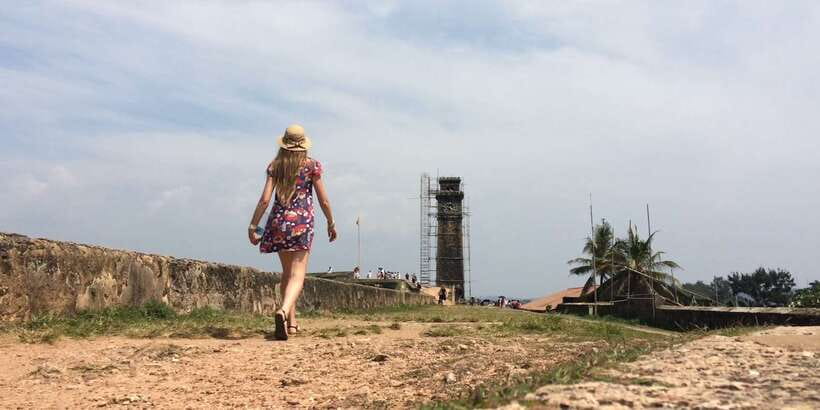
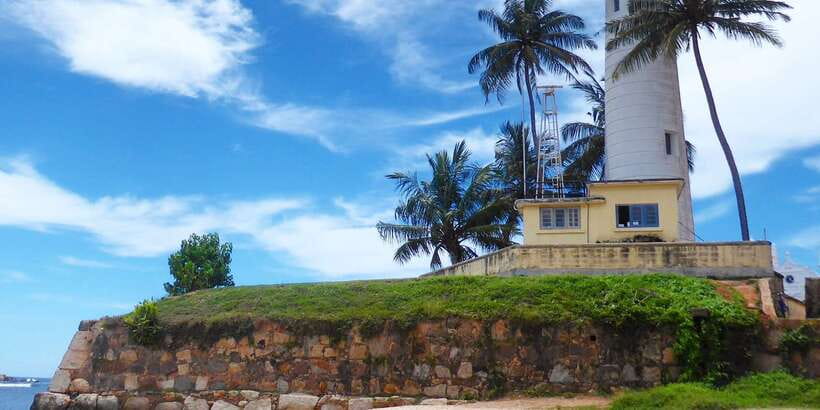
The final stretch is Galle City, centered on Galle Fort and the lighthouse. This is one of Sri Lanka’s most satisfying walking areas because the old fort walls do the work for you: you can feel the “enclosed city” shape.
Here’s what you’ll notice:
- Galle Fort is the fortified city originally associated with Portuguese colonists in the 16th century.
- The Dutch expanded and strengthened the stone sea walls.
- Inside, the streets are car-free, and you can see architecture influenced by Portuguese, Dutch, and British rule.
- You’ll have time for a self-guided walk (about 1 hour)—so you can set your own pace.
A named highlight is the 18th-century Dutch Reformed Church. Another big landmark is the Galle lighthouse standing on the fort’s southeast tip. If you like photo stops with real lines and angles, the lighthouse area usually gives good results.
One more practical note: Galle Fort isn’t a treadmill tour. You’ll get a chance to wander, pause, and choose what to look at longer. That’s a plus if you don’t want your day scheduled down to the minute.
Price and Value: What $85 Really Buys
The tour price is listed at $85 per person, and it includes:
- Pickup and drop-off at your accommodation in an air-conditioned vehicle
- An English-speaking driver
- Bottled water and a water bottle
What’s not included is where your total can change:
- Turtle hatchery entrance: USD 10 per person
- Madu River safari boat: $30 solo or $25 per person if you’re 2–3 people
- Food/drink (your lunch is a stop, but you’ll pay)
- The day can also involve small extras depending on what you choose to do at beach time
So the “real” cost often comes out closer to something like:
- Base $85
- + $10 turtle ticket
- + $25–$30 river safari fee
- + lunch you order yourself
From a value standpoint, I think it’s best when you treat this as a bundle of separate experiences: hatchery + boat cruise + Galle Fort walk + museum time + gem visit. You’re paying to avoid the chore of coordinating multiple places yourself.
If you’re traveling solo, the math favors joining a small group if that option is available to you during booking, because it reduces the river safari price.
Tips to Make It Comfortable (and Not Exhausting)
This trip can feel like a lot simply because it stacks nature, water, history, and a museum in one day. You can make it smoother with a few choices:
- Wear closed, comfortable shoes. There’s moderate walking, especially around Galle Fort.
- Pack insect repellent. River and coastal air means bugs are not a surprise.
- Bring a sun hat and sunglasses. You’ll be in strong daylight at multiple stops.
- Carry rain gear. The tour notes weather matters; you’re subject to favorable conditions.
- Bring cash. The tour mentions cash for payments, and you’ll likely need it for entrance tickets and your meal.
Also, keep expectations realistic if you’re heat-sensitive. This is a day outside as much as it is a day inside.
One more thing: the tour isn’t listed as suitable for pregnant women, people with back problems, heart problems, kidney problems, motion sickness, or those who have recent surgeries. It also notes animal allergies and insect allergies as considerations. If any of those apply, you should choose a calmer plan with fewer transfers.
Who This Tour Fits Best
I’d book this if you want a single-day plan that mixes:
- wildlife conservation learning (sea turtle hatchery)
- active nature time (river safari boat cruise)
- a cultural gem story (moonstone mine)
- serious reflection (Tsunami Museum)
- classic old-coast sightseeing (Galle Fort and lighthouse)
It’s also a good choice if you like having an English-speaking driver who keeps things organized. When the driver is strong, the day feels smoother and you spend less time figuring things out.
It’s less ideal if you hate museums, dislike walking, or want lots of free beach time. Bentota Beach here is short, and Galle is a walk-around fort experience more than a long sit-down affair.
Should You Book This One?
Yes, if you want an efficient day that connects Sri Lanka’s coastal nature and its human history without pretending they’re the same thing. The Madu River safari and the turtle conservation stop are the anchor experiences, and they’re the parts most likely to make the day feel worth the early start.
I’d think twice if your main goal is a relaxed beach vacation or if you’re sensitive to heat, motion, or walking. Also budget for the add-ons: entrance and the boat fee make a noticeable difference.
If you’re ready for a full day with real variety—nature, gems, museum memory, and old fort streets—this is a solid match.