REVIEW · GALLE
Stilt-Fishing Experience in Ahangama
Book on Viator →Operated by Ceylon Food Trails · Bookable on Viator
Stilt fishing looks impossible until it meets your hands. This 3-hour experience in Ahangama, near Galle mixes sea-life tradition with village culture and food you actually eat the same day—guided in English by Ceylon Food Trails.
I love that you’re not just watching. You’ll join fishermen using the stilts, learn the basics, and you have the option to try stilt fishing yourself. I also like how the day connects fishing to food through a live cooking lunch, with tea and snacks.
One thing to keep in mind: like many tours that involve local transport, a Tripadvisor reviewer noted to pay attention to vehicle papers. It’s a small detail, but worth being alert about before you head out.
In This Review
- Key Highlights You’ll Feel in This Tour
- Why Stilt Fishing in Ahangama Feels Like a Real Window Into Local Life
- Getting Started Near Hopper Street Food at 10:30
- The Stilt Fishing Session: Watch Four Fishermen, Then Take Your Turn
- What to watch for on the water
- Village Culture After the Water: Finger Weaving and Craft Skills
- The hidden value: seeing skill, not just sights
- Lunch Built Around Live Cooking and the Catch of the Day
- How to get the most from the meal
- Price and Value: Is $140 Worth It?
- Practical Details That Matter Day-of
- Who This Stilt Fishing + Village Lunch Tour Suits Best
- Should You Book It?
Key Highlights You’ll Feel in This Tour
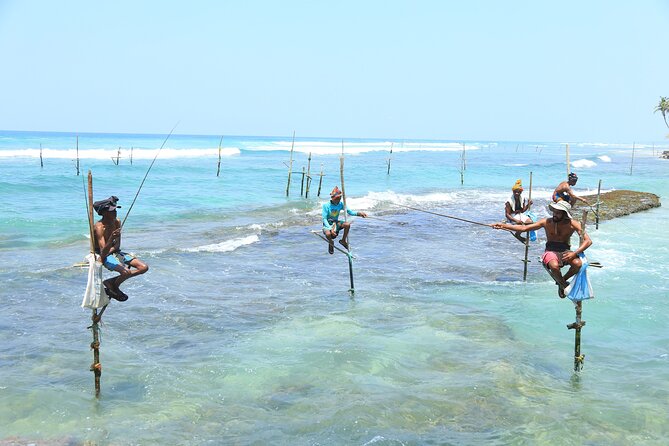
- Hands-on stilt fishing: watch four stilt-fishermen work, then try it yourself
- Cultural village time: meet villagers and see daily skills like finger weaving
- Crafts made right there: household items and artisan pieces demonstrated during your visit
- Catch-to-lunch style: fish caught during the session is used for same-day eating
- Live cooking lunch: you’ll get a real Sri Lankan meal, not a packaged substitute
- Private group experience: it’s only your group, not a crowded swap-meet lineup
Why Stilt Fishing in Ahangama Feels Like a Real Window Into Local Life
If you’ve only heard about stilt fishing as a photo or a headline, this is the version that makes it make sense. In Ahangama and nearby Kathaluwa, this is an old coastal method practiced by many families in the region—one review points to about 500 families in the broader Galle area. That scale matters. It means this isn’t a one-off show. It’s a working tradition built around knowing the water, reading the beach, and doing things the local way.
What I like most is the balance: you’re still learning something practical, but you’re also getting context. You’ll see how the catch connects to the meal, and then you’ll shift from sea skills to village skills. It’s a simple loop, but it lands well—especially if you care about how daily life links together.
You can also read our reviews of more tours and experiences in Galle.

Getting Started Near Hopper Street Food at 10:30
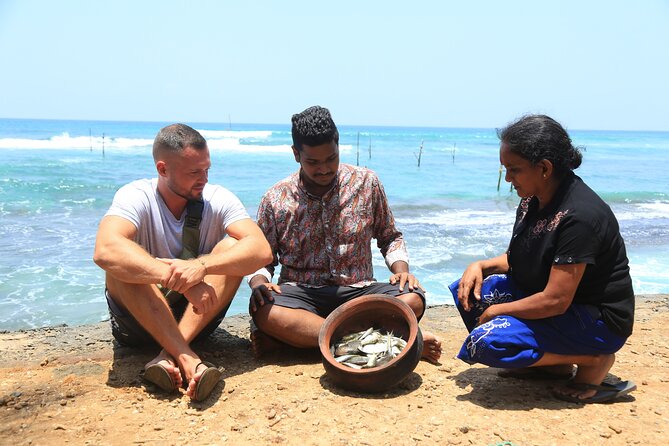
You meet at Hopper Street Food in Ahangama (the spot listed as Hopper street food with the map code). The start time is 10:30 am, and the whole outing runs about 3 hours before returning to the meeting point.
This timing is smart if you want a “morning energy” experience. You’re not stuck into a full day tour, and you’re still likely to catch a meal that feels fresh and immediate after the fishing session. Also, the tour ends back where it starts, so you’re not solving transportation logistics at the end.
One practical note: the experience is near public transportation, which can be useful if you’re not taking a private car. And it’s private—meaning only your group participates—so you’re less likely to feel rushed or herded.
The Stilt Fishing Session: Watch Four Fishermen, Then Take Your Turn
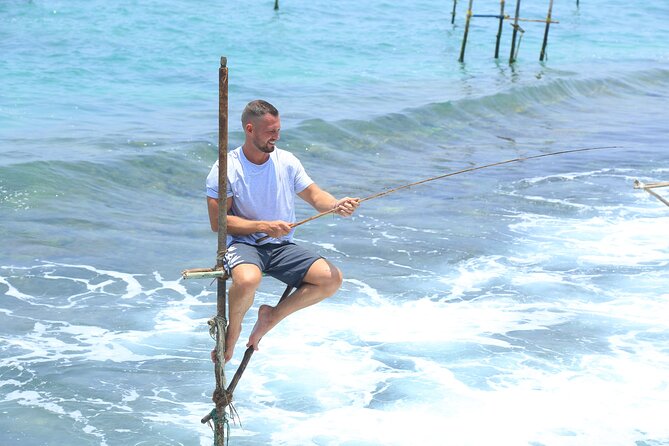
The core of the tour is stilt fishing at Ahangama Beach. You’ll work alongside four stilt-fishermen, and you’ll have the chance to learn the ropes first—then try stilt fishing yourself.
Here’s why that hands-on option matters. Stilt fishing isn’t just about standing on wooden structures. It’s about timing, balance, and technique that comes from repetition. Watching from the shore can look like a stunt. Being guided toward how they operate helps you understand the calm rhythm behind the “mind boggling” visual.
You can also expect to interact with the catch process. The tour experience is designed so the fish caught during your session is used the same day for lunch or dinner. That changes your mindset from spectator to participant. When you know food is coming from the work you’re seeing (and maybe doing), the meal feels more meaningful.
What to watch for on the water
Stilt fishing is physical and very “close to the action.” Wear clothes and shoes that make you comfortable moving around. The tour doesn’t list dress code details, so I’d plan for practical footwear and clothes that can handle beach surroundings.
Village Culture After the Water: Finger Weaving and Craft Skills
After the fishing, the experience turns toward culture at a nearby village. You’ll travel with a Sri Lankan host and an English guide who keep everything flowing. The plan includes meeting 10 villagers living in the area, so it doesn’t feel like a quick stop with no human connection.
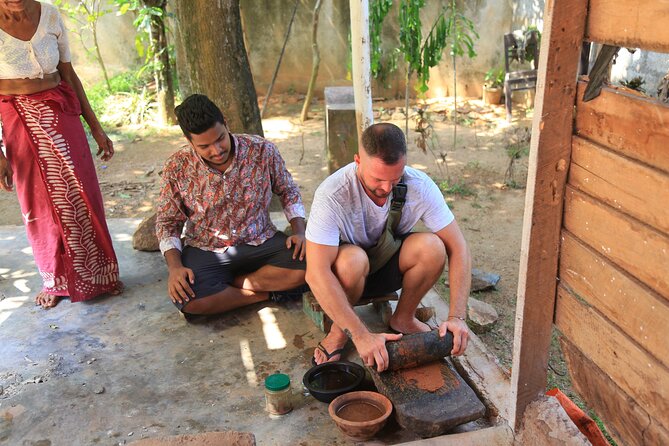
What you’re looking at here isn’t “costume culture.” It’s everyday skill building, shown through traditional activities like finger weaving and other artisan item making. You may see items such as rugs, table mats, and chairs being made (or demonstrated), which gives you a better sense of how materials become useful home goods over time.
This is also a good moment to ask questions. When the guide and host are around, you can get straight answers about how these practices fit into daily life—what’s made for use, what’s made for sale, and why certain techniques get passed down. The tour’s format makes it easier to talk to people instead of just taking pictures and moving on.


The hidden value: seeing skill, not just sights
A lot of culture tours show you outcomes. This one spends time on process. That’s why craft demonstrations land better here than a simple walk-through. You’ll likely leave with a stronger appreciation for the time and patience behind the work.
Lunch Built Around Live Cooking and the Catch of the Day
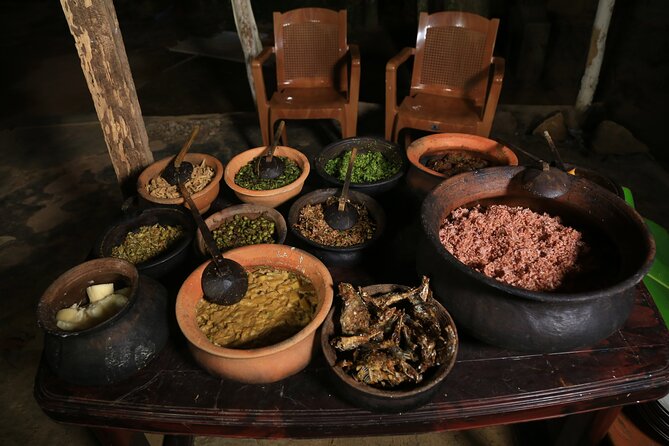
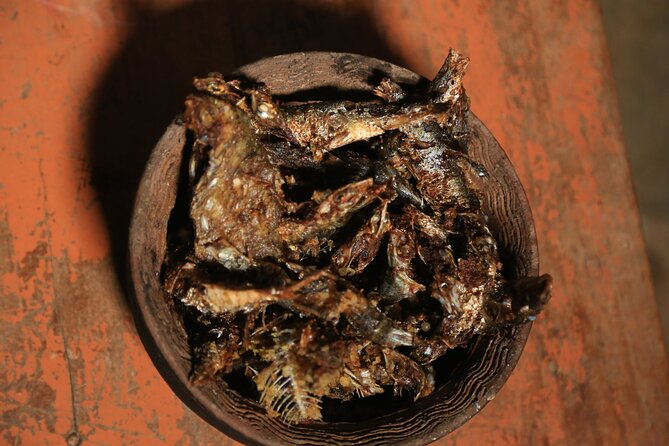
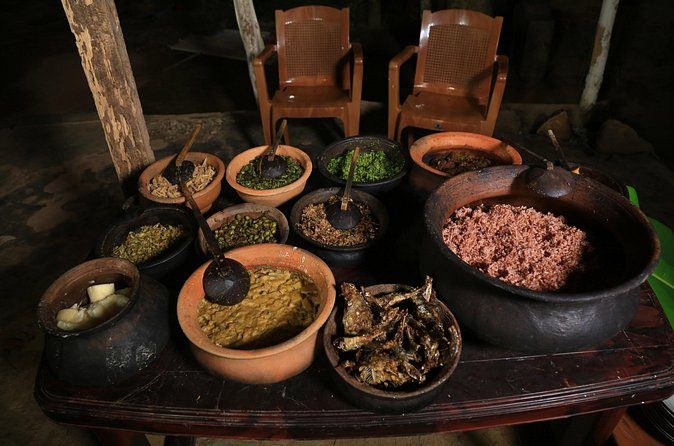
Food is a major reason people remember this tour. You’ll enjoy an authentic Sri Lankan lunch with live cooking. The tour also includes tea and snacks, so you’re not just getting a meal and leaving.
The best part: the meal connects to the fishing. The stilt fishing catch of the day is part of what gets prepared. In other words, you’re not eating a generic lunch menu while the fishing is happening “somewhere else.” You’ll eat what you helped (or at least watched closely) create.
The tour description also emphasizes fresh ingredients, including organic, healthy, heirloom produce, and “a plethora of unique Sri Lankan recipes” prepared before your eyes. In plain terms, that means you should expect multiple flavors, not just one dish. Sri Lankan cooking often balances heat, acidity, and spice with coconut and aromatics, and the live kitchen format makes it easier to notice how those flavors come together.
How to get the most from the meal
Go in with an open mind. If you’re expecting only mild flavors, tell your guide you want help choosing what to try. If you’re a spice fan, ask what dishes are typically more intense. Either way, the live-cooking setup is perfect for learning what each component is and why it’s used.
Price and Value: Is $140 Worth It?
At $140 per person, this isn’t a bargain-basement activity. In Sri Lanka, that price might feel high compared to street-level costs. But value here isn’t only about feeding you cheaply. It’s about bundling several experiences into one tight 3-hour block:
- Guided stilt fishing with experienced fishermen and time to try
- A private group format (only your group participates)
- Village cultural access, including meeting villagers and seeing craft demonstrations
- Live cooking lunch, with tea and snacks
- An English guide, plus a Sri Lankan host for the cultural portion
For the price to feel fair, you want to genuinely care about at least two of the three “pillars”: fishing, village culture, and the meal. If you’re mainly in it for the photo at the beach, you might feel the cost more strongly than someone who’s excited to learn and eat.
Also, the tour is booked about 87 days in advance on average. That doesn’t guarantee availability, but it suggests there’s demand for this format. If you’re traveling in a popular season, locking it in early can save stress.
Practical Details That Matter Day-of
This tour is designed to be easy to plan around, but a few things can still shape your experience.
Private and English-guided. You’re not merging with strangers as part of a bigger bus group. The English guide helps keep it understandable, especially for stilt fishing technique and village context.
Mobile ticket. You’ll receive a mobile ticket approach, which is convenient if you don’t want to juggle paper.
Service animals allowed. If that applies to you, it’s good to know in advance.
Transportation note. One review included a caution about vehicle papers. That’s not about the food or the fishermen—it’s about being alert to how you’re picked up and transported. If you’re offered a vehicle arrangement, it’s reasonable to confirm all details clearly before you go.
Who This Stilt Fishing + Village Lunch Tour Suits Best
This experience is a strong match if you want more than a sightseeing tick-box.
You’ll probably love it if you:
- Want to try an activity, not just watch it
- Like cultural stops that show skills like finger weaving rather than only monuments
- Care about food that’s tied to the day’s events (the catch-to-lunch connection)
- Prefer a shorter outing that still feels complete (about 3 hours)
You might think twice if you:
- Are only chasing low-cost experiences
- Don’t want anything hands-on
- Need a very flexible schedule, since the day is built as a set sequence (fishing, village, lunch, back to start)
Should You Book It?
I’d book this tour if you want a genuine Ahangama experience that connects sea life, village skills, and a meal that uses the catch. The hands-on stilt fishing part is the headline, but the village visit and live-cooked lunch are what make it feel like more than a quick beach show.
Before you go, do one simple thing: check your pickup/transport details carefully and be attentive to the vehicle paperwork note. It’s a small action that keeps your day smooth.
If your idea of a great trip includes learning how locals work and eat, this one fits.