REVIEW · GALLE
Sri Lanka : Sinharaja Rainforest Guided Trek with Pickup
Book on GetYourGuide →Operated by Believe it tours · Bookable on GetYourGuide
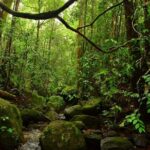
Three hours of rainforest silence can be addictive. This guided trek in the UNESCO-listed Sinharaja Rainforest mixes real wildlife time with a guide who helps you identify what you are actually seeing, from the Sri Lankan Blue Magpie to other endemic birds. I also like the easy Mirissa-to-forest pickup and drop-off, which keeps the day focused on the forest instead of traffic and logistics. The trade-off is that you are walking for 3 to 6 hours, and you will need rain gear and insect repellent if the weather shifts.
You are traveling in a private air-conditioned vehicle as part of a small group (limited to 10). The guide is live and can work in English, Singhalese, or Tamil, which matters a lot when you are trying to spot tiny frogs, tricky snakes, and birds that vanish fast.
In This Review
- Key highlights to look for
- Getting to the trail: Mirissa pickup, private vehicle, and the start of the day
- Sinharaja’s wildlife: the birds, mammals, reptiles, and frogs you actually came for
- Birds you can watch for
- Mammals in the canopy and understory
- Reptiles and amphibians: where the timing and wet ground matter
- Insects and “small stuff” that is still the main event
- How the 3 to 6 hour guided trek feels on the ground
- What a typical walk includes
- Food and drinks during the walk
- Practical packing: shoes, rain gear, repellent, and why leeches matter
- Bring these essentials
- What the tour asks you to avoid
- Leeches and getting ready
- Price and value: why $96 works when you add the real costs
- Optional lunch
- Small group experience: why max 10 changes the quality of spotting
- Fitness and suitability: who will enjoy this and who might struggle
- The guide connection: what makes Mahinda and Alagaraja’s days stand out
- Should you book the Sinharaja Rainforest guided trek with pickup?
- FAQ
- What is the duration of this Sinharaja guided trek?
- Do I get pickup and drop-off from my hotel?
- What animals or birds can I expect to see?
- How big is the group?
- Is lunch included?
- What should I bring for the trek?
- Is this tour suitable for children or wheelchair users?
Key highlights to look for
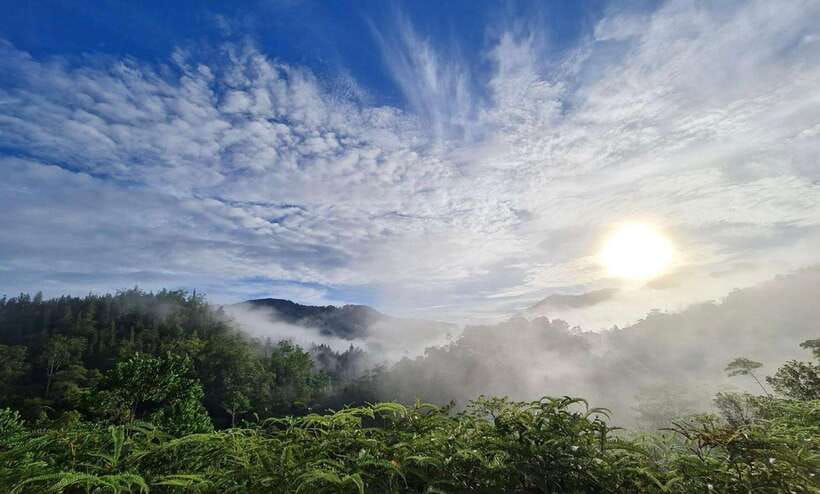
- UNESCO Sinharaja Rainforest: one of Sri Lanka’s most important protected forest areas
- Endemic birdwatching: chances to spot species like the Sri Lankan Blue Magpie
- Purple-faced Langur and giant squirrels: keep an eye on movement in the canopy and understory
- Reptiles and amphibians: watch for vipers and colorful tree frogs when the ground stays wet
- A guide who teaches while you walk: reviews specifically praise guides who explain plants, animals, and where to look
Getting to the trail: Mirissa pickup, private vehicle, and the start of the day
The best part of this experience is that it removes the common headache of rainforest trips: getting yourself to the start point without stress. You get pickup and drop-off from your hotel area, including Mirissa, Galle, Bentota, Koggala, Ahangama, Talpe, Weligama, and Unawatuna. That flexibility is a big deal if you are staying in the south and do not want to hire a separate driver for a half-day.
Once you are picked up, you travel to the rainforest in a private air-conditioned vehicle. In at least one guide account, the trip included a short tuktuk ride up toward the forest area, which makes the approach feel more like part of the adventure and less like a boring transfer. Either way, you should plan on being out for most of the day, with the trek itself running roughly 3 to 6 hours depending on how the walk goes.
The practical win here is pacing. You are not constantly negotiating. You can show up, meet your guide, and start looking. That matters in a rainforest, where the animals you want to see are often not visible for long.
You can also read our reviews of more guided tours in Galle
Sinharaja’s wildlife: the birds, mammals, reptiles, and frogs you actually came for
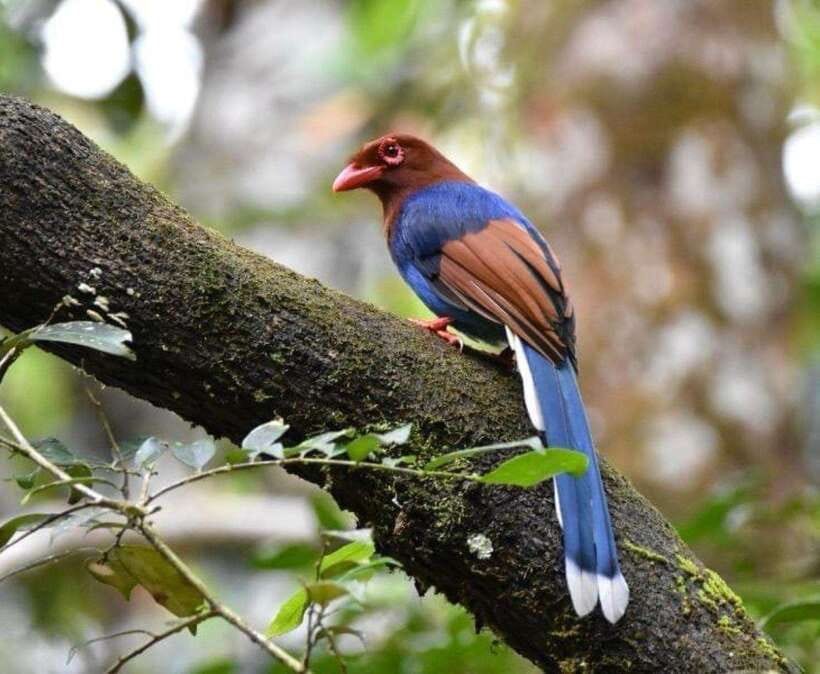
Sinharaja is famous for species that you will not see in many other places, and the tour is built around spotting endemic and rare animals. I like how the experience does not only promise birds in general. It names specific targets, so you know what to scan for instead of just hoping.
Birds you can watch for
You may spot several forest birds while your guide helps you find them. The standout endemic bird listed for the experience is the Sri Lankan Blue Magpie. Other birds to keep an eye out for include the Red-faced Malkoha, Orange-billed Babbler, Crested Drongo, and Green-billed Coucal.
Here is the mindset that pays off: birds can be loud, but they also disappear fast. When your guide points out likely spots, you will want to pause, look slowly, and stay quiet long enough to catch movement in branches or leaf edges. A good guide makes this way easier.
Mammals in the canopy and understory
The tour also focuses on mammals that are more about presence and movement than about staying still for photos. Targets include the Purple-faced Langur, an endemic monkey species, and giant squirrels. If you love wildlife photography, be ready for the fact that these animals might be glimpsed rather than posed.
Reptiles and amphibians: where the timing and wet ground matter
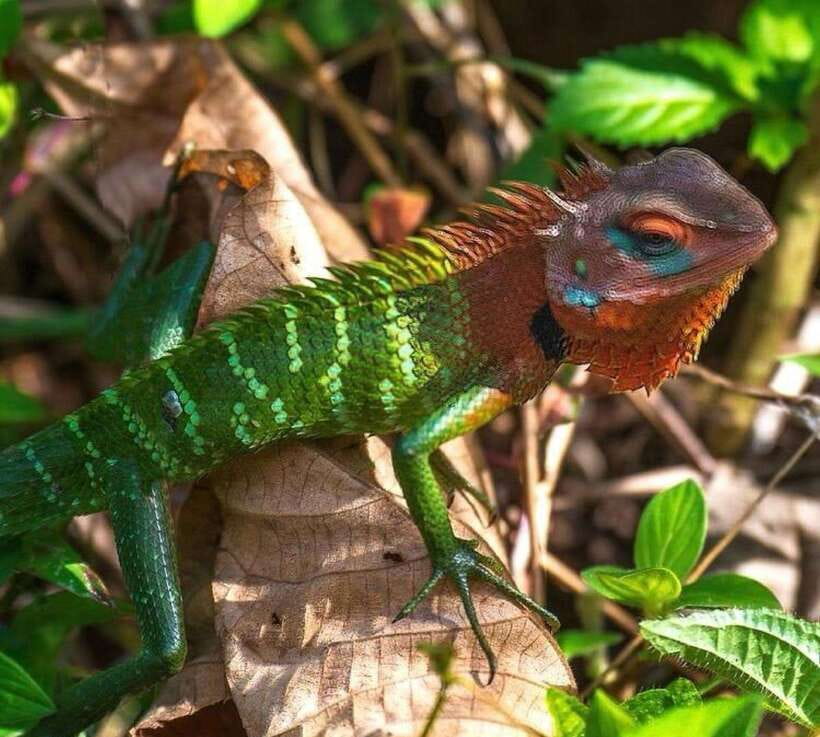
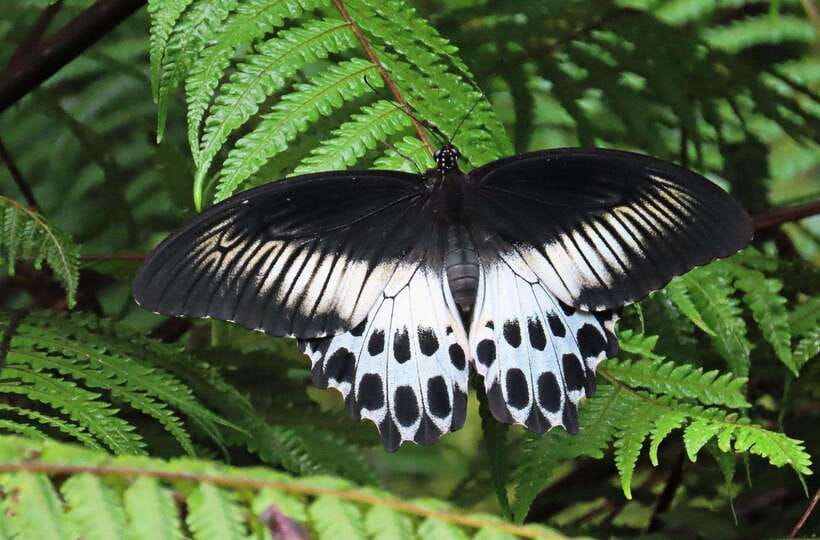
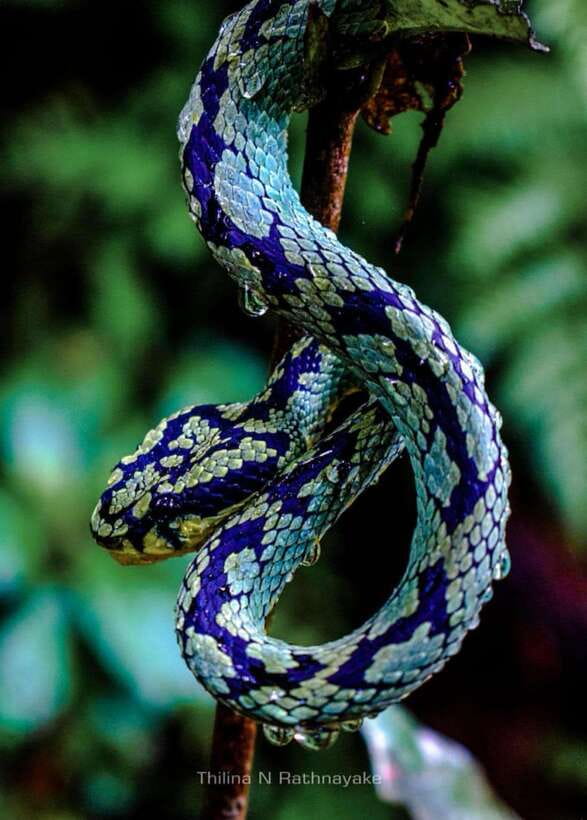
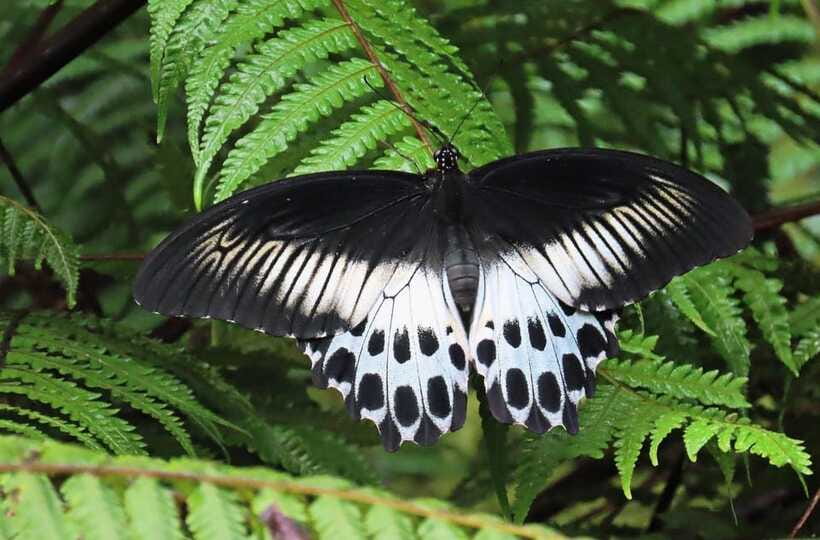
Reptiles and amphibians are part of the standard spotting list. You may look out for Green Pit Vipers and Hump-nosed Vipers. You may also see colorful tree frogs, along with butterflies and other insects unique to this forest.
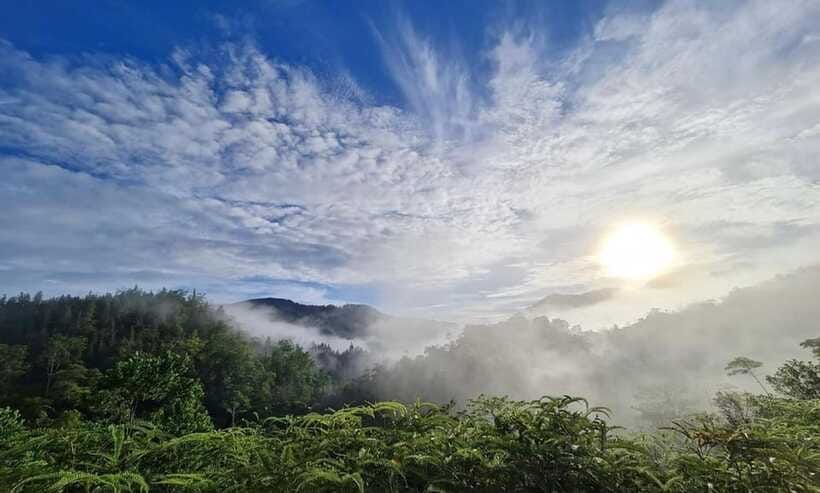
This is the part of the day where rain (or even a humid cloud cover) can change what you notice. When the forest is damp, amphibians and insects can become easier to spot near ground level and in wet microhabitats. Your guide’s job is to show you the places and times you are most likely to see them.

Insects and “small stuff” that is still the main event
The tour explicitly includes insects and amphibians in its viewing focus. That sounds minor until you realize how much of a rainforest’s biodiversity sits in tiny, shifting details. If you enjoy nature walks, this is where you stop feeling like you are only chasing the big ticket animals.
A small note: touching plants is not allowed, so focus on observation. If you have a camera, you will get more satisfying results by photographing from where you stand rather than trying to close distance.
How the 3 to 6 hour guided trek feels on the ground
You are not stuck in one rigid pattern. The trek is planned as a 3 to 6 hour walk through the rainforest, guided and designed for wildlife spotting. In plain terms, that means you should expect frequent stops: to look up, scan leaf litter, check a likely branch line, or regroup before moving on.
The guide’s experience is a central part of the value. In reviews, people highlighted guides who explain plants and animals as you go, and who lead you to better spots instead of just walking and hoping. One account praises Alagaraja and his daughter Thishani for showing plants and animals in a way that felt like a caring family outing, not a rushed checklist.
Another review praised Mahinda for both knowledge and fun, and also described a stop where blood leech socks were provided because they are genuinely useful. That sort of practical touch is what you want from a local guide: not just knowing names, but helping you stay comfortable and safe while you walk.
What a typical walk includes
While exact minute-by-minute routing can vary, the experience is built around:
- Walking through rainforest trails with a guide
- Spotting endemic birds like the Blue Magpie
- Searching for mammals such as langurs and giant squirrels
- Keeping an eye out for reptiles and amphibians
- Time for light breaks, supported by water and snacks
Because the trek duration is listed as 3 to 6 hours, you should plan your expectations around a range. If you arrive tired, you will feel it later. If you arrive ready to move and pause, you will enjoy the pace.
Food and drinks during the walk
Bottled water and light snacks are included, which is important. A rainforest walk is not just physical; it is also mentally active because you are constantly looking. Having water and a small bite prevents the classic situation where you start strong and then fade.
There is also an optional lunch add-on. One review described a lunch that was cooked by the guide’s family, which can add a more personal feel to the day than grabbing something on your own. If you want that extra comfort, consider adding lunch rather than leaving the day hungry.
Practical packing: shoes, rain gear, repellent, and why leeches matter
This is the day where your packing list can make or break the experience. The tour provides water and light snacks, but it does not replace the basics you must bring yourself.
Bring these essentials
- Comfortable shoes (this matters more than fashionable shoes)
- Hat
- Camera
- Sunscreen
- Water (even though bottled water is included, you might still prefer having it handy)
- Rain gear
- Insect repellent
You should take the rainforest part seriously. A review described a strong rain shower during the walk and said rain jackets and extra clothes were a must. I would treat that as solid advice: if your budget allows, bring something you can change into afterward.
What the tour asks you to avoid
The rules are simple: no littering and no touching plants. That is not just a formality. In a living forest, you will often see more by staying still and observing rather than reaching.
Leeches and getting ready
One of the most useful real-world tips from a review: at the start, the guide provided blood leech socks, described as something you urgently need. Even if you are not thinking about leeches, bring the right gear mindset: the forest floor can be wet and active.
Price and value: why $96 works when you add the real costs
At $96 per person for a 6-hour day, this can be a fair deal if you factor in what is included. You are not just paying for a walk. You are getting:
- Private air-conditioned vehicle with insurance for round-trip travel
- Pickup and drop-off from your hotel area
- Entry fee for Sinharaja Rainforest
- A 3 to 6 hour guided trek led by an experienced local guide
- Bottled water and light snacks
- A small group limit (10 participants)
That bundle is where the value shows up. If you tried to do this yourself, the entry fee plus a reliable driver plus a guide would quickly add up. Here, the day is packaged so you can spend your time looking for wildlife instead of scheduling it.
Optional lunch
Lunch is not included by default, but you can add it. If you plan to stay focused all day, adding lunch can prevent you from rushing afterward. If you are bringing your own plan, just make sure you do not cut into your trail energy.
Small group experience: why max 10 changes the quality of spotting
The group is limited to 10 people. That matters in a place like Sinharaja, where spotting is often about timing and quiet observation. In a smaller group, your guide can slow down, point out what you missed, and reposition you without everyone getting separated.
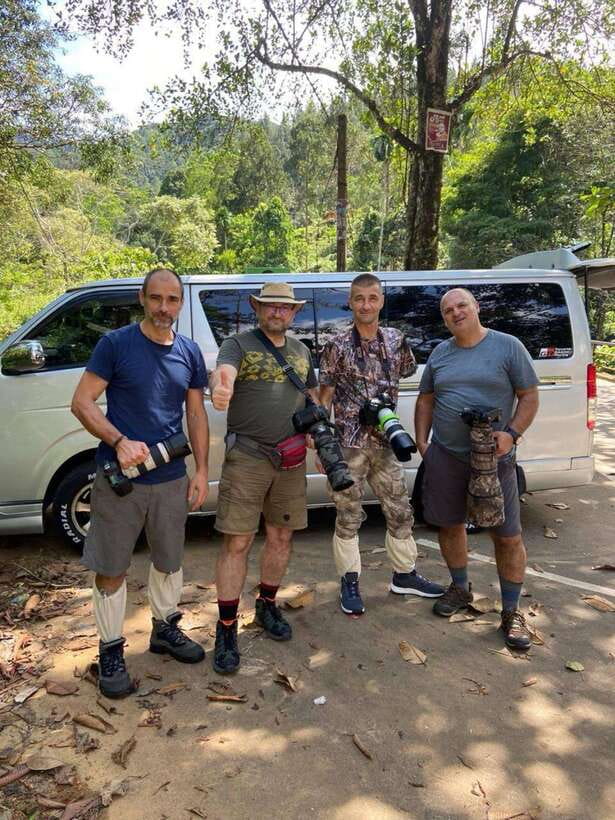
Reviews also emphasize the guide vibe. One day felt like a family outing with Alagaraja and Thishani, with warm attention throughout. Another review praised Mahinda for good fun alongside real guidance. That blend is important. In rainforest spotting, the best atmosphere is calm and curious, not loud and rushed.
Also, the guide language options are practical: English, Singhalese, or Tamil. If you do not speak local languages, English (when available) reduces friction so you understand what to look for.
Fitness and suitability: who will enjoy this and who might struggle
This trek is not for everyone. It is not suitable for:
- Children under 9
- People with back problems
- Wheelchair users
That is worth taking seriously. Even if you consider yourself fit, a rainforest walk involves uneven ground, time spent standing still, and frequent stops. If your back is sensitive, you may find the terrain and posture uncomfortable.
If you are traveling with young kids, you might look for an easier option elsewhere. If you want a true wildlife walk but you have mobility limitations, this one likely will feel too demanding.
On the positive side, if you are generally healthy and comfortable walking for several hours, the structure is clear. You get water, snacks, and a guide who will keep the pace sensible.
The guide connection: what makes Mahinda and Alagaraja’s days stand out
One reason people rate this experience highly is the guide approach. In reviews, Alagaraja and Thishani were praised for explaining plants and animals and for leading guests to good spots. It sounded less like a lecture and more like guided curiosity, with enough warmth to feel personal.
Mahinda was also repeatedly highlighted for knowledge and fun. One review specifically noted:
- a stimulating tuktuk ride on the way up into the forest
- leech-sock preparation
- pointing out plants and animals when they appeared
- a strong rain moment handled with rain gear and a change of clothes
- a final tea stop with both the guide and the tuktuk driver
Even if your exact day varies, this is the kind of competence you want in a local guide: practical, attentive, and flexible when the forest throws curveballs.
Should you book the Sinharaja Rainforest guided trek with pickup?
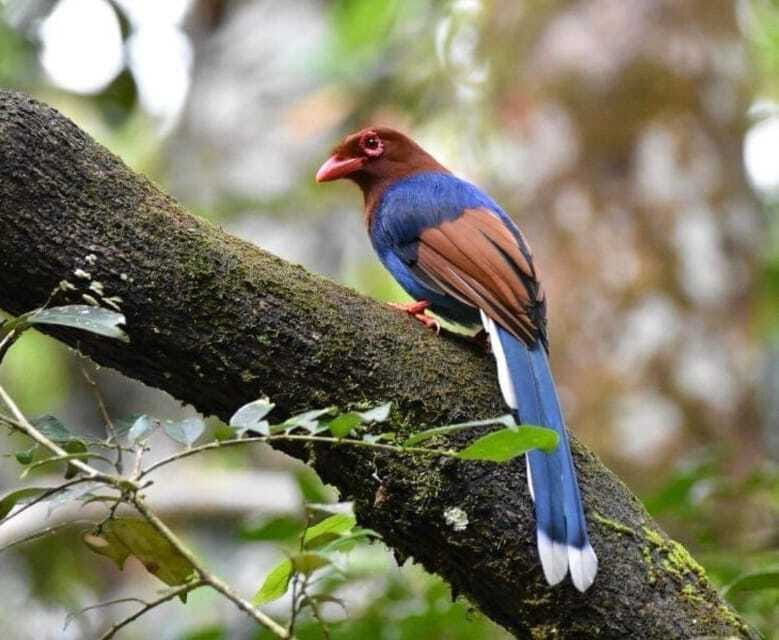
Book it if you want a wildlife-focused rainforest day with hotel pickup, a real local guide, and a small group. The named targets (Blue Magpie, langurs, vipers, tree frogs) make it easier to get excited for something specific, and the included entry fee plus private vehicle plus snacks keeps the logistics clean.
Skip it if you cannot comfortably walk for 3 to 6 hours, or if you have back problems or mobility constraints. Also think twice if you hate getting wet or dealing with insects. This tour does provide guidance and reminders, but it is still a rainforest.
If you are the type who enjoys pausing to look, you will love how the guide turns the forest into something you can actually read.
FAQ
What is the duration of this Sinharaja guided trek?
The activity is listed as 6 hours in total, with the guided trek lasting about 3 to 6 hours.
Do I get pickup and drop-off from my hotel?
Yes. Pickup and drop-off are included, and pickup is available from Mirissa, Galle, Bentota, Koggala, Ahangama, Talpe, Weligama, and Unawatuna.
What animals or birds can I expect to see?
The experience highlights include endemic birds such as the Sri Lankan Blue Magpie, plus others like Red-faced Malkoha, Orange-billed Babbler, Crested Drongo, and Green-billed Coucal. You may also see mammals like Purple-faced Langur and giant squirrels, and look out for reptiles such as Green Pit Vipers and Hump-nosed Vipers, along with colorful tree frogs and butterflies.
How big is the group?
It is a small group, limited to 10 participants.
Is lunch included?
Lunch is not included, but there is an optional lunch add-on.
What should I bring for the trek?
Bring comfortable shoes, a hat, camera, sunscreen, water, rain gear, and insect repellent.
Is this tour suitable for children or wheelchair users?
No. It is not suitable for children under 9 years old, people with back problems, or wheelchair users.